Source: Wikimedia Commons
Giant Elephant Ear (Amplexidiscus)
BeginnerAmplexidiscus fenestrafer
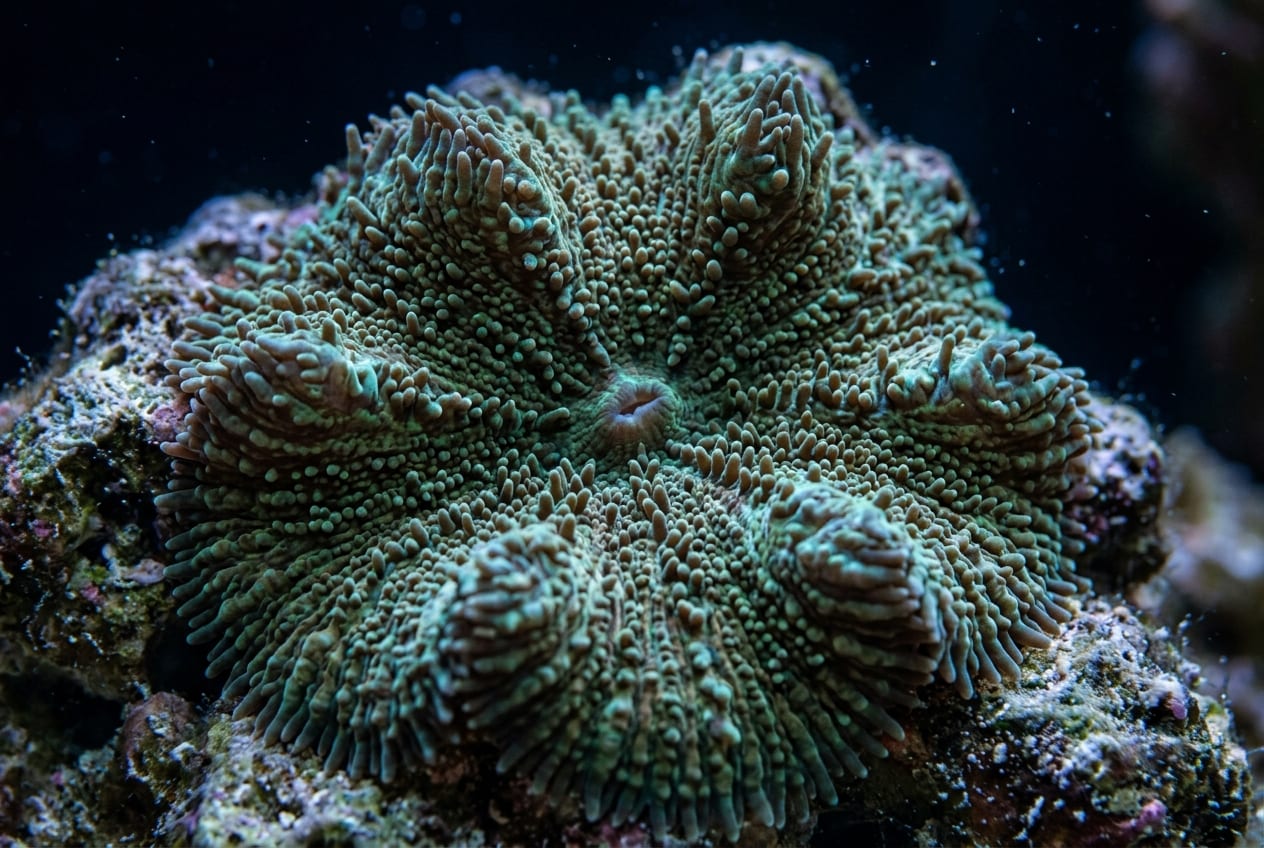
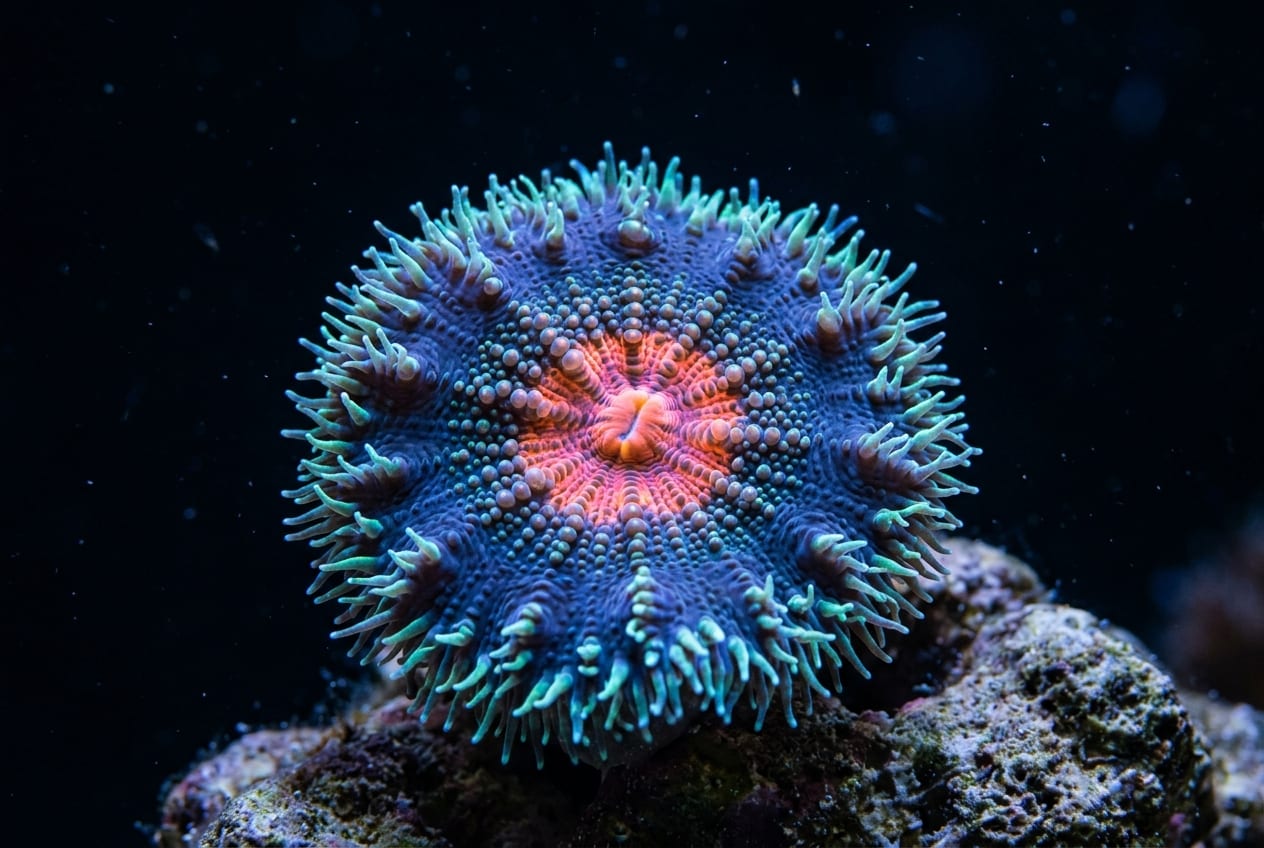
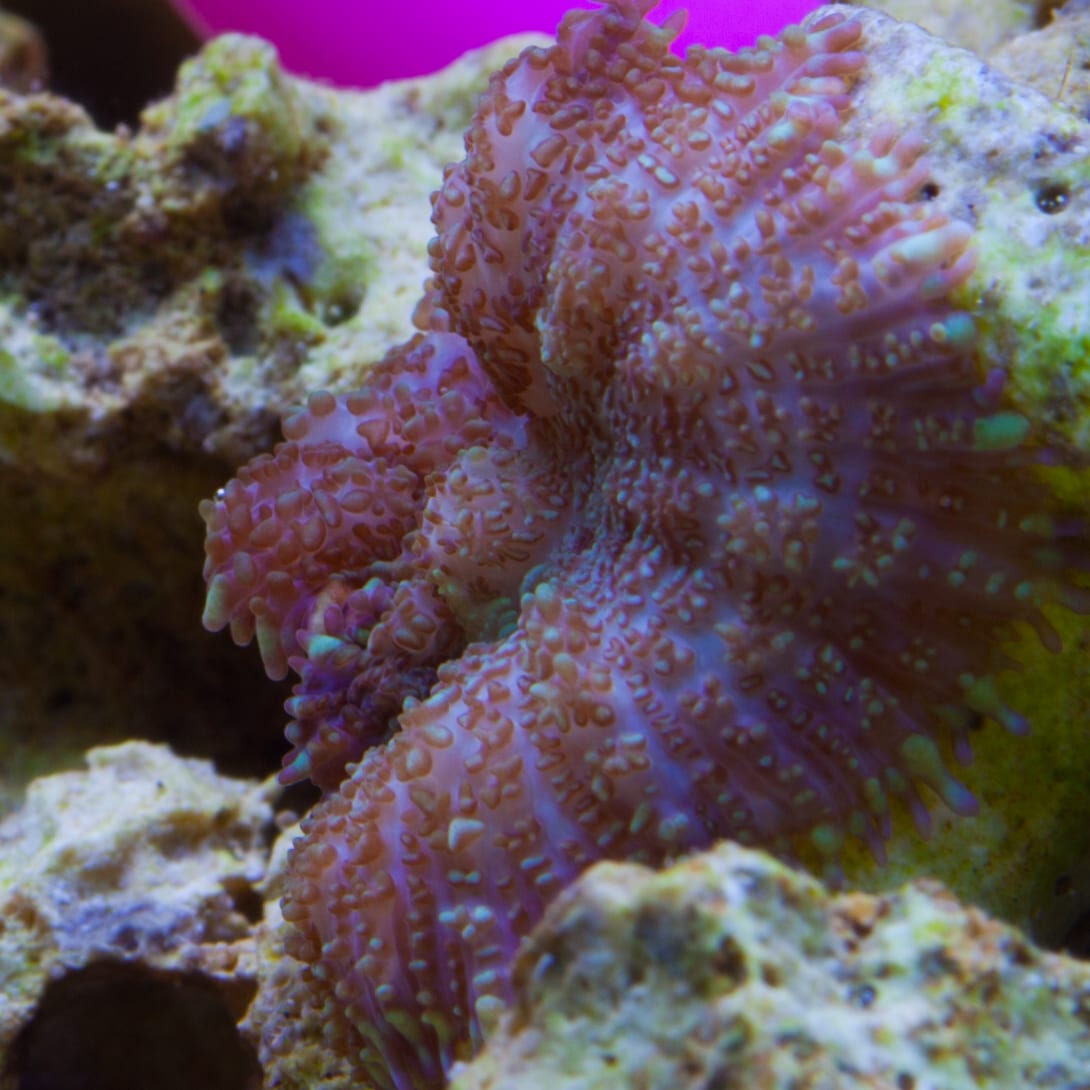
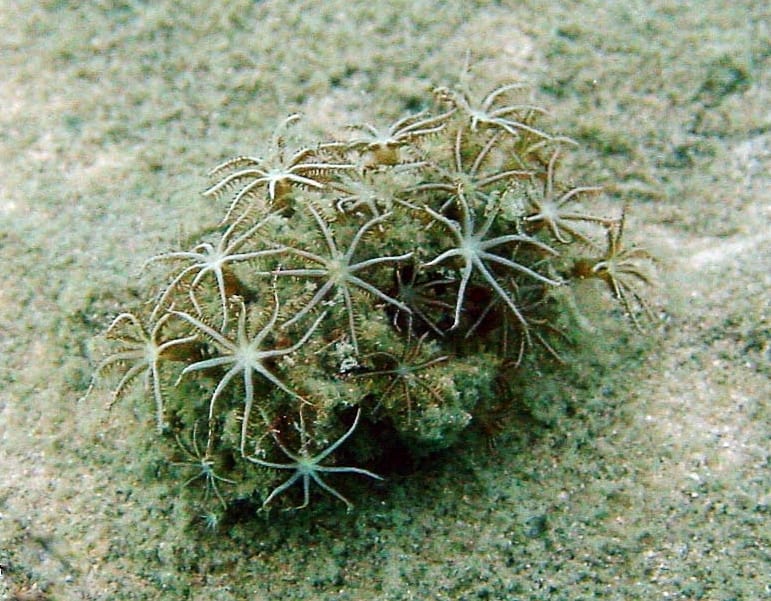
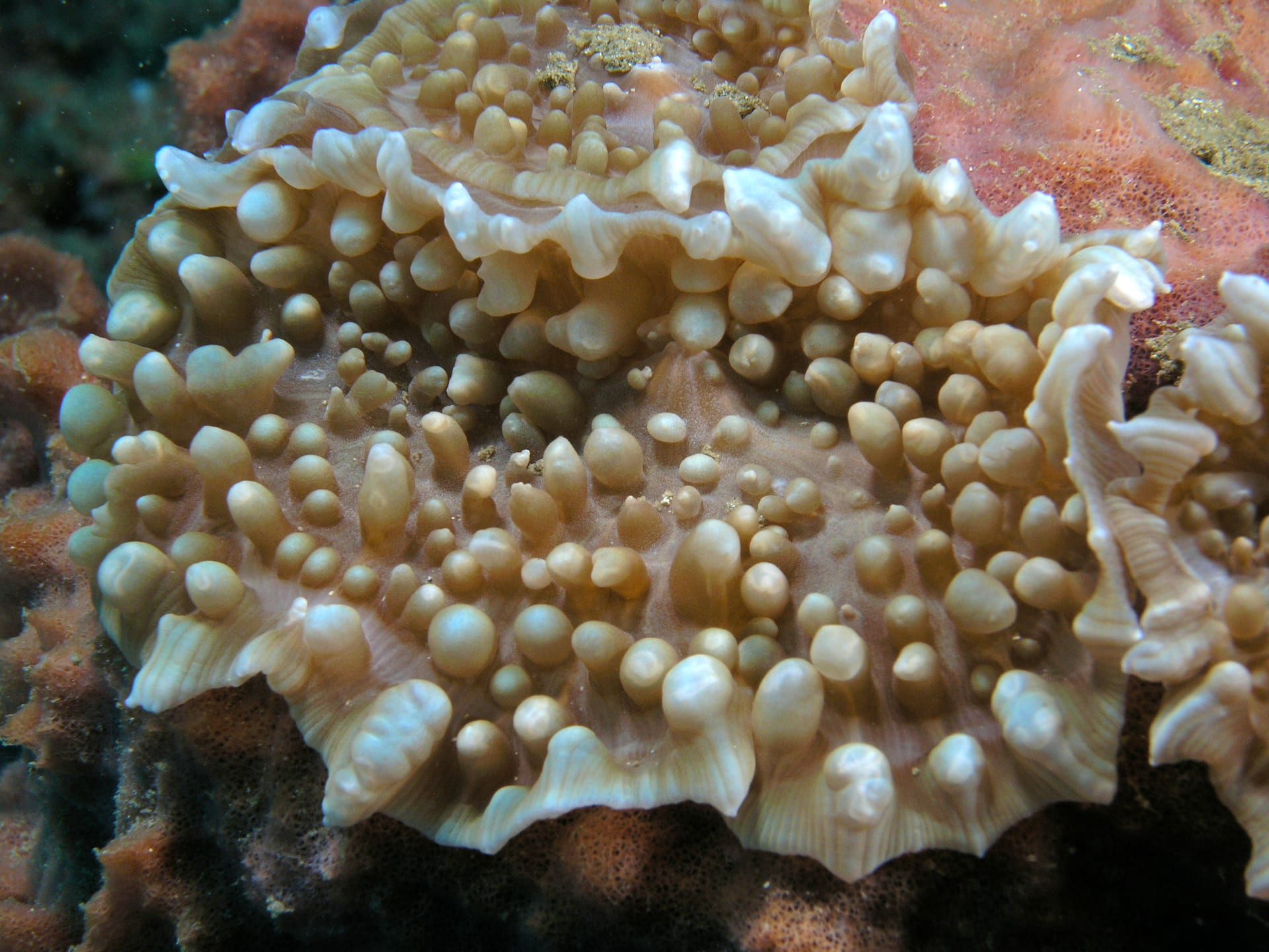
The only species in its genus, a corallimorph reaching 40 cm across. It spreads a flexible disc set with cone-shaped tentacles and, when prey touches it, raises the lobed margin toward the centre to close into a ball. Colour is light beige to brown.
Difficulty
Beginner
Temperature
24〜26℃
Size
Up to about 40 cm in diameter
Diet
Nutrition from its zooxanthellae plus benthic invertebrates, crustaceans, worms, echinoderms and even fish that it traps.
About
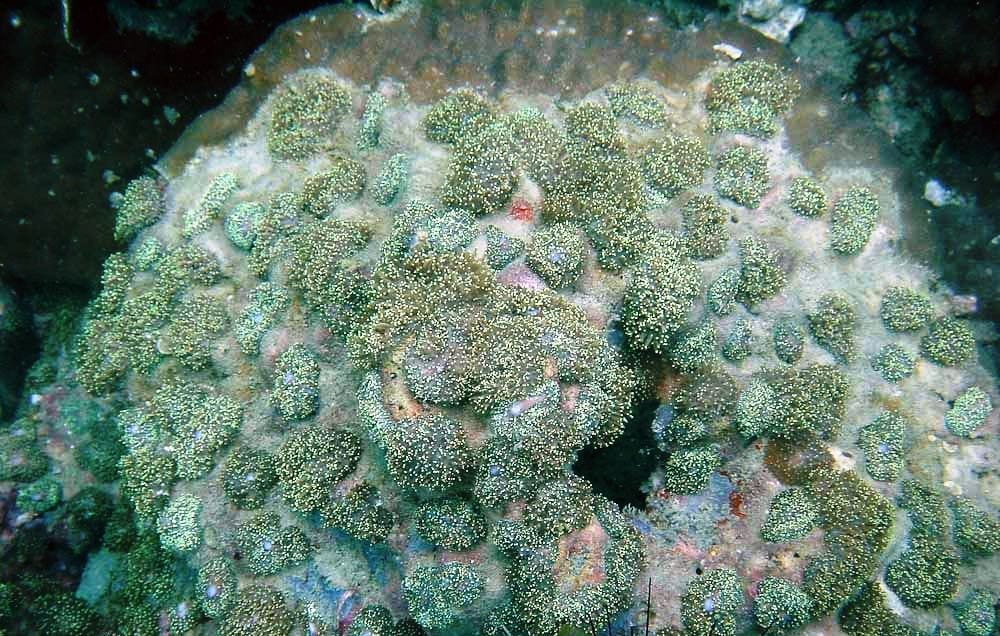
Amplexidiscus fenestrafer is the only species in its genus, a corallimorph of the tropical Indo-West Pacific. Related to the stony corals, it builds no calcareous skeleton. The visible part of the body is the oral region, which spreads into a flexible disc set with cone-shaped tentacles and can reach 40 cm across; colour is light beige to brown. It often forms small colonies on the upper reef between 5 and 25 m. Its diet is broad, ranging from the products of its zooxanthellae to benthic invertebrates, crustaceans, worms, echinoderms and even fish trapped by the oral disc. Once prey is caught and digestion begins, the lobed edges of the disc are raised toward the centre to form a ball. Because of this feeding behaviour it should be kept with care alongside small fish and shrimps. Having no skeleton, it is not covered by the CITES coral listings.
Source: Wikipedia (CC BY-SA 4.0)
Size of the Giant Elephant Ear (Amplexidiscus)
The Giant Elephant Ear (Amplexidiscus) grows to Up to about 40 cm in diameter.
Temperature & humidity for the Giant Elephant Ear (Amplexidiscus)
The ideal temperature for the Giant Elephant Ear (Amplexidiscus) is 24〜26℃.
Basic Info
Origin
Tropical Indo-West Pacific, often forming small colonies on the upper reef at depths of 5-25 m.
Size
Up to about 40 cm in diameter
Temperature
24〜26℃
Care Specifications
- Carbonate (KH)
- 8–12 dKH
- Water Temp.
- 24–26℃
- Specific Gravity
- 1.023–1.025
- Salinity
- 33–35 ppt
Soft coralLight: Low (PAR 30-50)Flow: LowPlacement: Bottom
Sources: LiveAquaria (Green Rhodactis Mushroom Coral) / LiveAquaria (Hairy Mushroom Coral) / WoRMS (World Register of Marine Species)
References & Sources
Edited & verified by: BreederDirect editorial team
The taxonomic, regulatory, and husbandry data on this page are compiled and verified against the authoritative primary sources below.
Taxonomy & Authority
Accepted name: Amplexidiscus fenestrafer Dunn & Hamner, 1980
Authority databases: WoRMS
Nomenclature follows global taxonomic authority databases.
Regulations & Conservation Status
Not CITES-listed
Sources: CITES Appendices (taxon not listed)
Regulations may change. Always verify the latest information with the relevant authorities.
Giant Elephant Ear (Amplexidiscus) Listings
Loading latest listingsFind listings for this species