Source: Wikimedia Commons
Acan Lord
IntermediateMicromussa lordhowensis
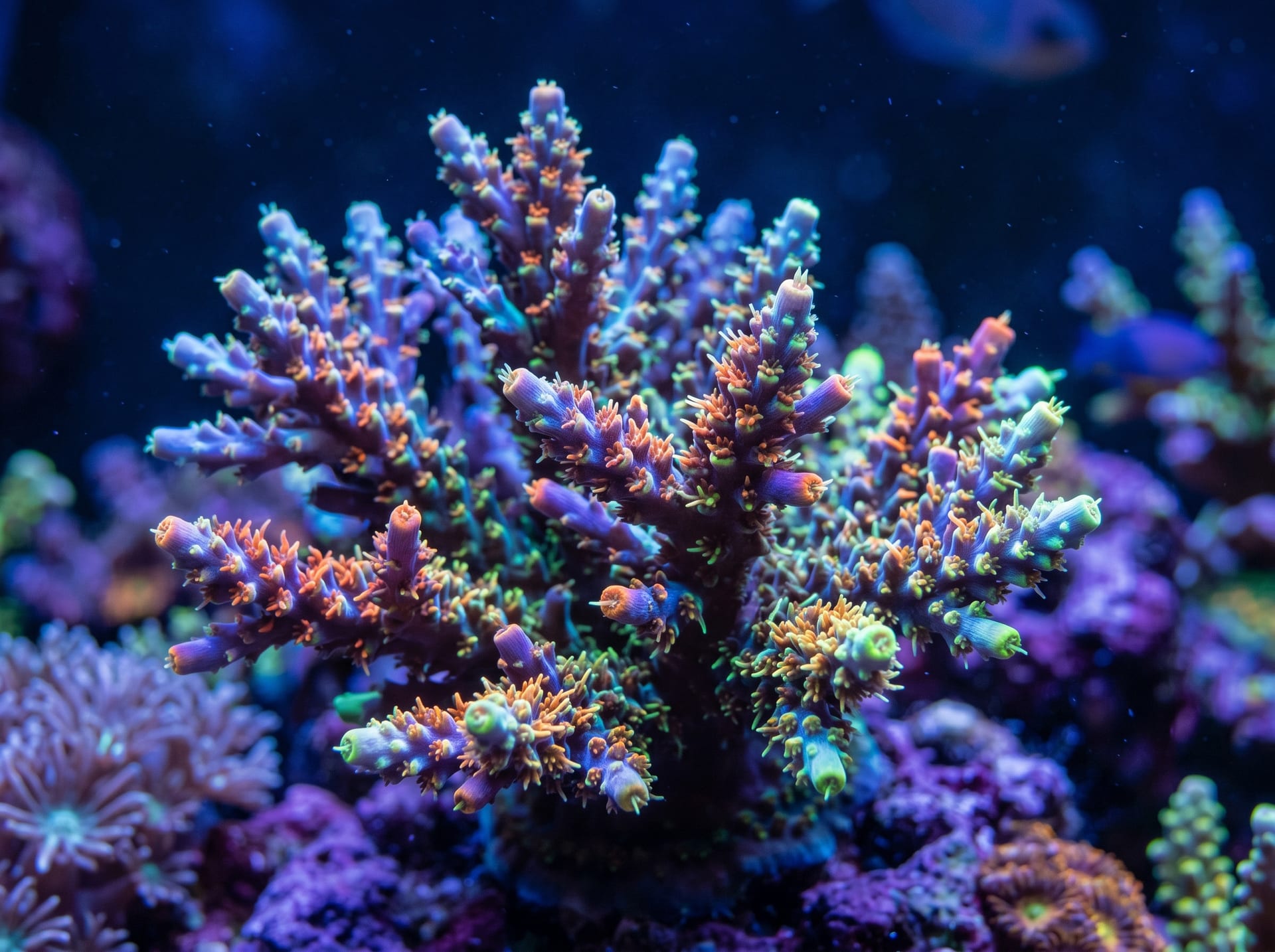
An LPS coral with vivid multicolor patterns beautiful as jewels. Premium species popular among collectors.
Difficulty
Intermediate
Temperature
24〜27℃
Lifespan
10+ years
Size
5-20cm
Diet
Photosynthesis, Liquid food
About
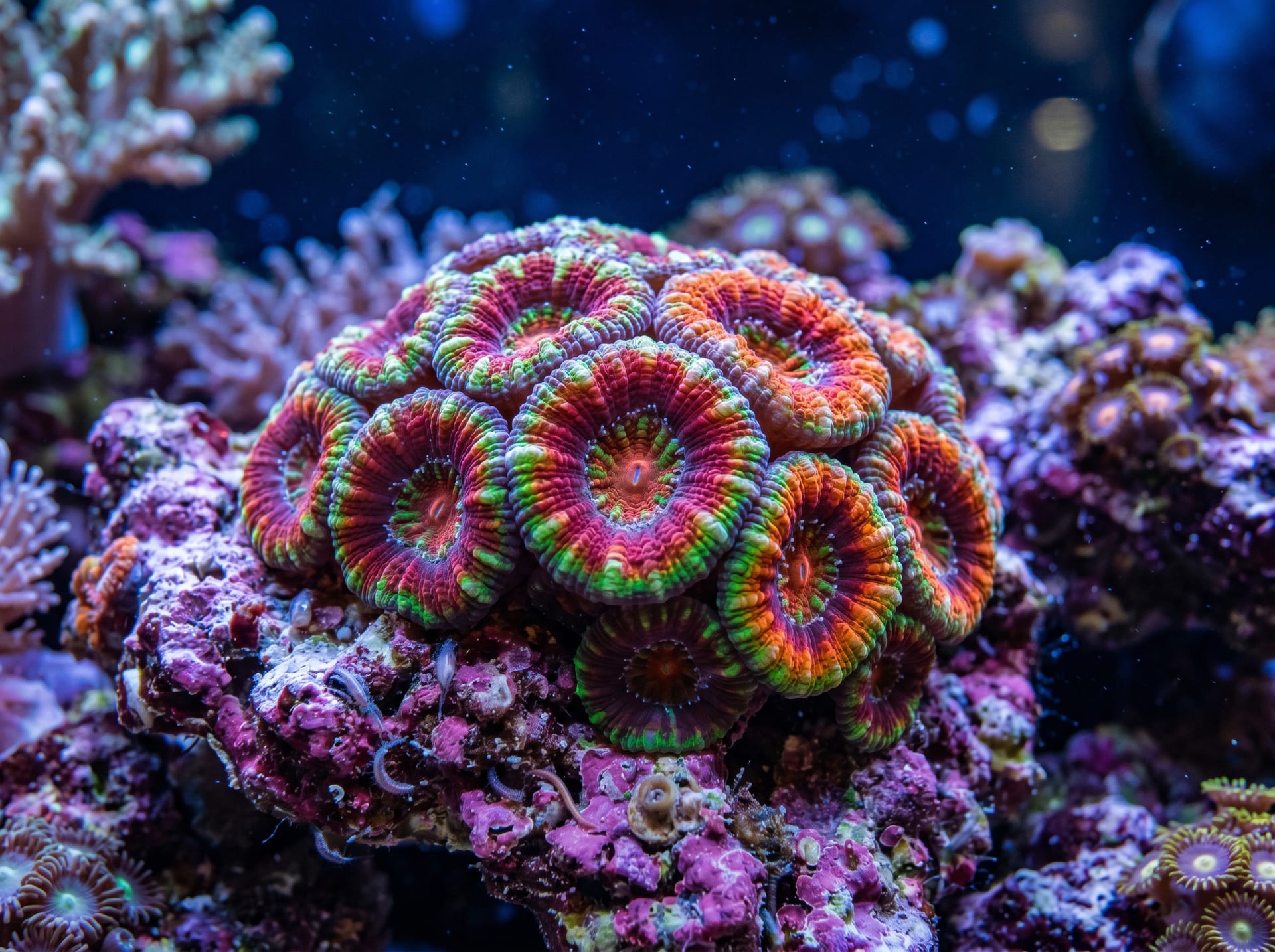
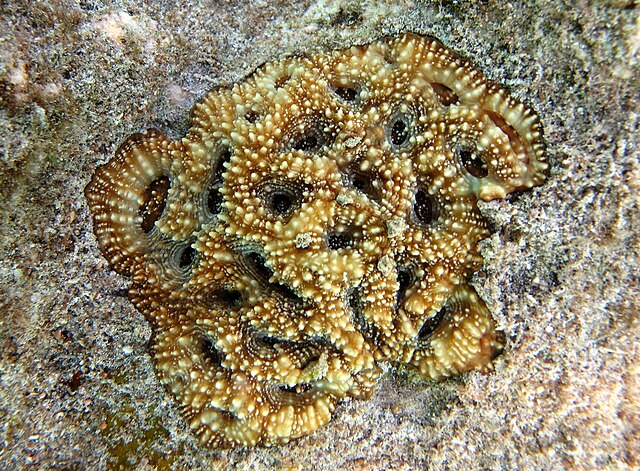
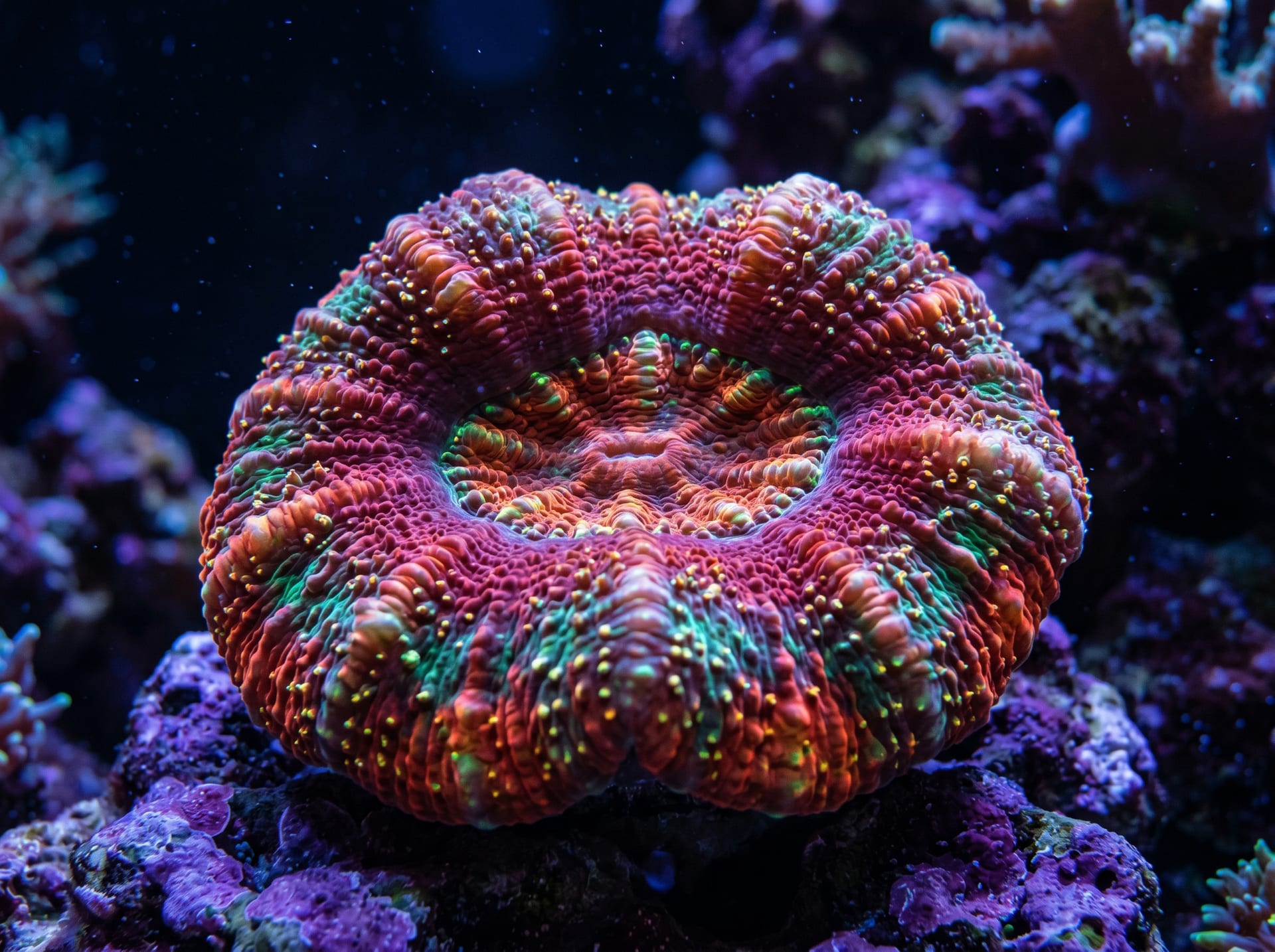
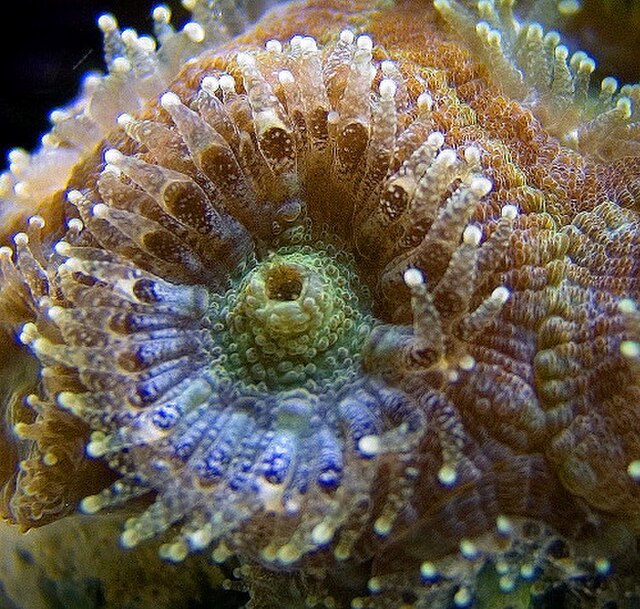
Micromussa lordhowensis (formerly Acanthastrea lordhowensis; family Lobophylliidae), the acan lord, originates from reefs around Lord Howe Island, Australia, and is celebrated as one of the most intensely colored corals in the reef hobby. Dense clusters of large polyps (2–4 cm diameter) display neon combinations of red, green, orange, blue, and purple in striking geometric patterns. Remarkably, these vivid colors are maintained even under low to moderate lighting (50–150 PAR), removing the high-intensity requirement typical of many prized LPS. Weekly target feeding with brine shrimp or small pellets noticeably accelerates growth and color intensity. Sweeper tentacles require adequate spacing from neighbors. Fragging by skeletal division is straightforward. While rare color morphs command premium prices, more accessible variants make Micromussa lordhowensis attainable for hobbyists at all levels.
Source: Wikipedia (CC BY-SA 4.0)
Lifespan of the Acan Lord
The Acan Lord lives 10+ years.
Size of the Acan Lord
The Acan Lord grows to 5-20cm.
Temperature & humidity for the Acan Lord
The ideal temperature for the Acan Lord is 24〜27℃.
Gentle indirect flow and standard parameters (24–27°C, KH 8–10, Ca 400–420 ppm) complete the care profile.
Basic Info
Origin
reef slopes around Lord Howe Island, Australia
Care Specifications
- Carbonate (KH)
- 8–12 dKH
- Water Temp.
- 24–27℃
- Specific Gravity
- 1.023–1.025
- Salinity
- 33–35 ppt
- Calcium (Ca)
- 400–450 ppm
- Magnesium (Mg)
- 1280–1350 ppm
LPSLight: Medium (PAR 50-150)Flow: LowPlacement: Bottom
Sources: AlgaeBarn: SPS/LPS care (PAR/flow) / AlgaeBarn: Water Parameters 101
Calls & Media
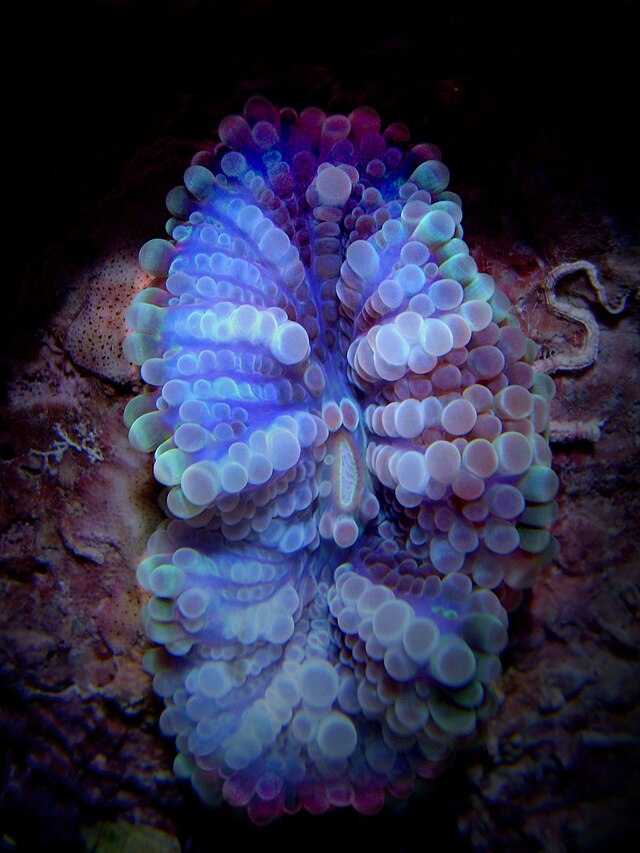
Fluorescence appearance
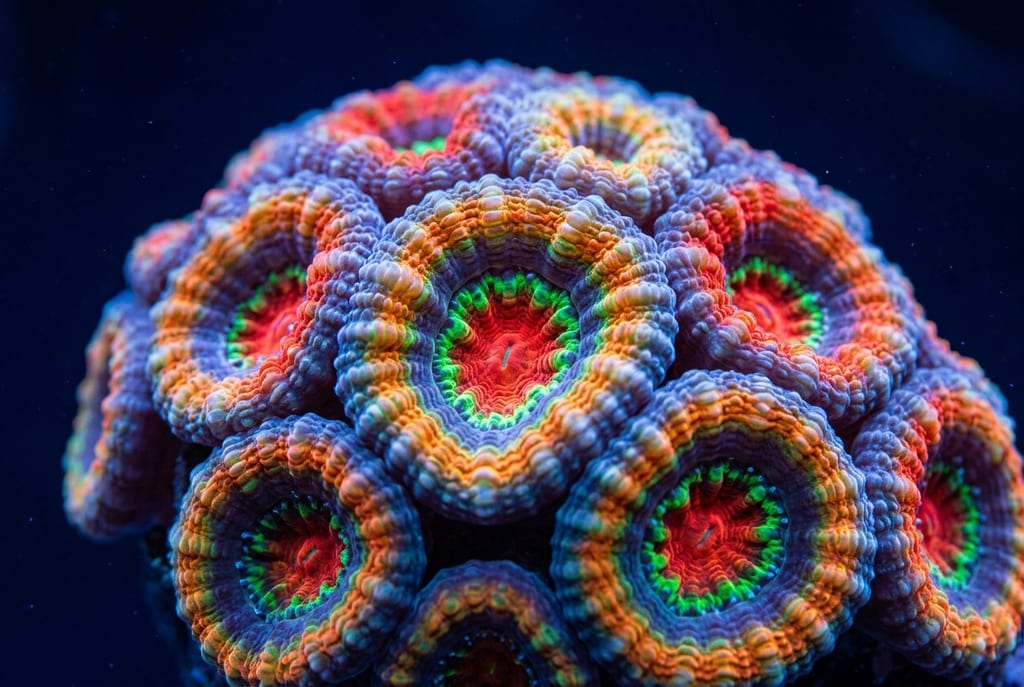
Coral fluorescent proteins are excited by blue/actinic light. Appearance differs greatly from under white light.
References & Sources
Edited & verified by: BreederDirect editorial team
The taxonomic, regulatory, and husbandry data on this page are compiled and verified against the authoritative primary sources below.
Taxonomy & Authority
Regulations & Conservation Status
CITES Appendix II
Scleractinia (Micromussa lordhowensis, Lobophylliidae). CITES Appendix II = all reef-building hard coral species. Not applicable to Japan's designated species or designated invasive species (invertebrate).
Sources: DOC NZ / CITES-listed corals (Scleractinia spp. = App. II)
Regulations may change. Always verify the latest information with the relevant authorities.
Acan Lord Listings
Loading latest listingsFind listings for this species