Acanthophyllia (Donut Coral) Care Guide | Water Flow, Feeding, and Placement for Solitary LPS
Comprehensive guide to caring for Acanthophyllia (Donut Coral, Acanthophyllia deshayesiana), a vibrant solitary LPS coral. We'll cover weak water flow, indirect lighting, twice-weekly carnivorous feeding techniques, spacing from other corals, and how to assess inflation and contraction.
Key Takeaways
Comprehensive guide to caring for Acanthophyllia (Donut Coral, Acanthophyllia deshayesiana), a vibrant solitary LPS coral. We'll cover weak water flow, indirect lighting, twice-weekly carnivorous feeding techniques, spacing from other corals, and how to assess inflation and contraction.
Related Species
About Acanthophyllia — The Jewel of Solitary LPS
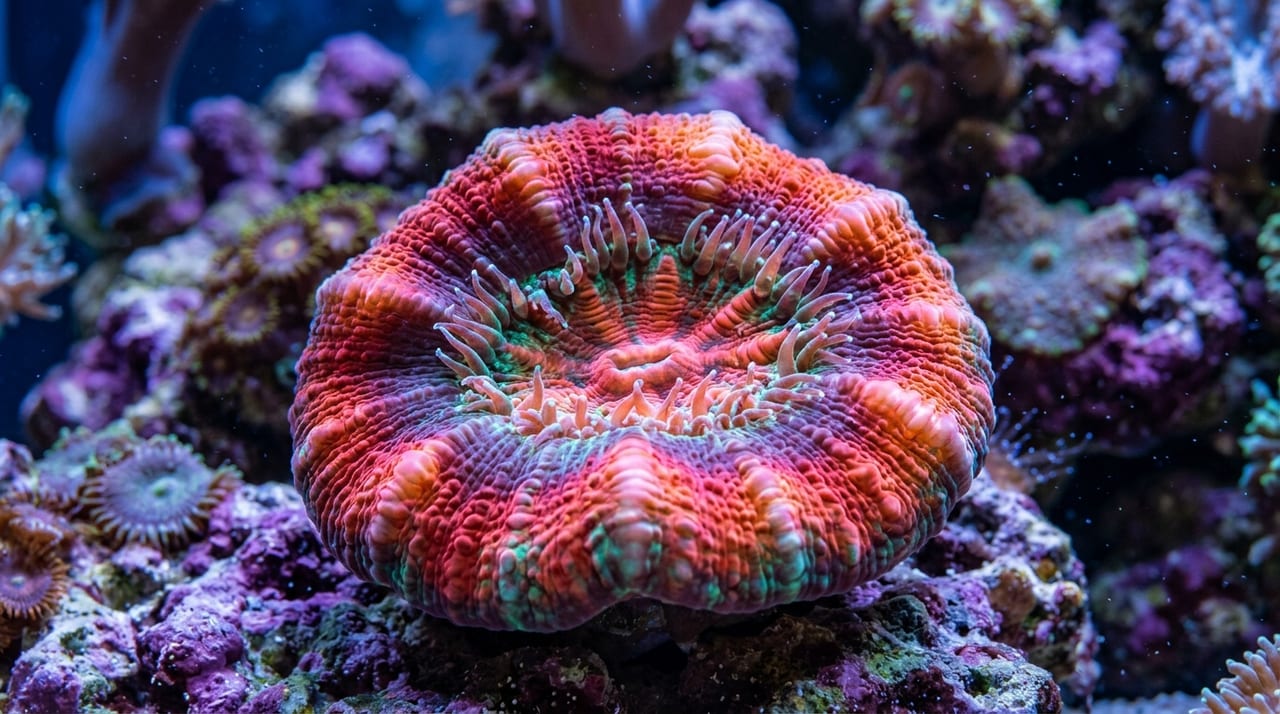
Acanthophyllia (Acanthophyllia deshayesiana) is a solitary (single-polyp) LPS (Large Polyp Stony) coral found in warm reef zones around Indonesia and Australia. Also called "Donut Coral" or "Meat Coral," the gradation of colors—red, green, orange, and fluorescent pink—that spreads across its rounded mouth disk is considered one of the finest decorative elements in a marine aquarium.
Once a rare high-value coral frag, Indonesian-bred stock and artificially propagated specimens have recently become available, bringing the price to more accessible levels. However, it is more difficult to maintain than bright corals, and long-term success requires attention to several critical care points.
Basic Specifications
| Item | Recommended Value |
|---|---|
| Water Temperature | 24–26°C (variation ±0.5°C max) |
| Salinity | 1.024–1.026 sg |
| pH | 8.1–8.3 |
| KH | 8–10 dKH |
| Ca | 380–430 ppm |
| Mg | 1,250–1,350 ppm |
| NO3 | 2–10 ppm |
| PO4 | 0.05–0.15 ppm |
| PAR | 30–100 (low to medium light) |
| Water Flow | Weak to moderate (indirect random flow) |
Extreme ultra-low nutrient (ULNS) environments can cause fading and decline. Moderate organic nutrients (NO3 2–10 ppm, PO4 above 0.05 ppm) are necessary for vibrant coloration and maintaining health.
Lighting Setup: Avoid Excessive Light
In their natural habitat, Acanthophyllia live in dim slopes and cave entrances at depths of 10–30 meters, and they are sensitive to intense light. When introducing them to high-powered LED or metal halide reef tanks, the following precautions are necessary.
- Low PAR positioning: Near the tank bottom (approximately PAR 30–80) is ideal
- Utilize shade: Position in shadows of live rock or place directly on sand substrate away from elevations
- Acclimate gradually: Start in the darkest location and move it over 2–3 weeks, monitoring polyp response
- Enhance blue spectrum: Using higher blue-to-white ratios makes fluorescent pigments display more vibrant colors
If polyps remain contracted during the day and only open at night, the light is too intense.
Water Flow: Stagnant Water is Bad, Direct Impact is Bad
Acanthophyllia have unique water flow requirements.
Avoid:
- Strong direct flow (polyps remain contracted and won't recover)
- Completely stagnant water (waste accumulates in tissues, increasing bacterial infection risk)
Ideal water flow:
- Random indirect flow from a wave pump
- Flow gentle enough to sway the polyps slightly (approximately 0.1–0.2 cm/s)
- Utilize secondary flow patterns from sumps and other corals
When inflated (inflation), the ideal state is for the polyp margins to sway gently.
Feeding: Carnivorous Diet with Twice-Weekly Target Feeding
Acanthophyllia are actively carnivorous corals and cannot meet their full energy requirements through photosynthesis alone. Regular feeding directly impacts long-term health and color vibrancy.
Recommended Foods and Feeding Frequency
| Food | Size | Frequency |
|---|---|---|
| Frozen mysis shrimp | ~5 mm | 2–3 times per week |
| Frozen brine shrimp (adults) | ~3 mm | 1–2 times per week |
| Frozen copepods | ~1 mm | As supplement |
| Live brine shrimp | ~3 mm | As supplement |
Feeding Instructions
- Stop or reduce the pump flow 30 minutes before feeding
- Place food directly near the mouth disk (central mouth) using a pipette or feeding stick
- Confirm the polyp captures and draws food into the mouth disk (typically 5–30 minutes)
- Remove uneaten food with a siphon
- Restart the pump
After feeding, the polyp may remain inflated and closed for several hours while digesting, but it returns to normal the next day.
Placement and Distance from Other Corals
Acanthophyllia possess contact-based attack mechanisms (mesenteric filaments) and will attack adjacent corals.
- Minimum safe distance: At least 10–15 cm from neighboring corals
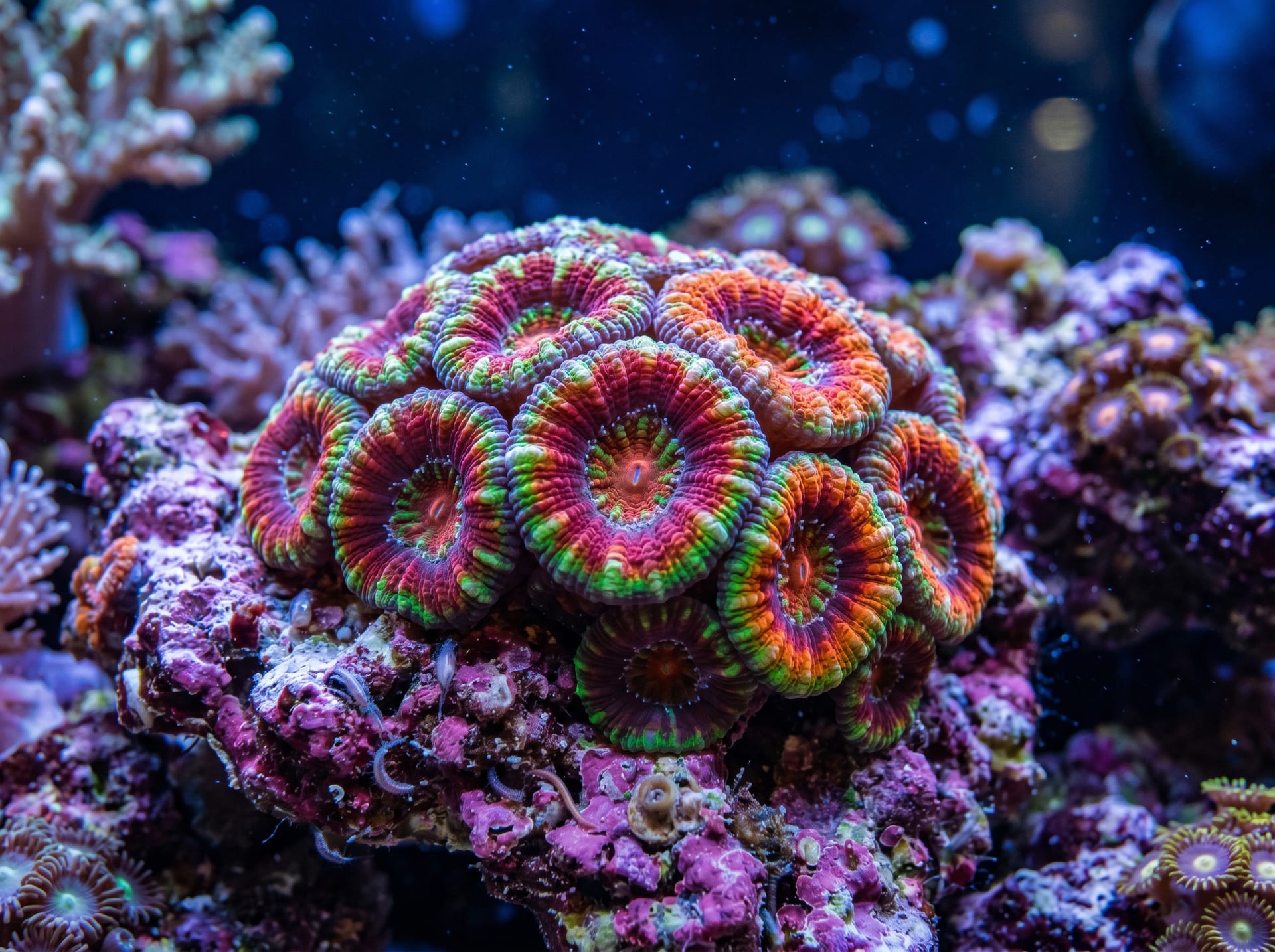
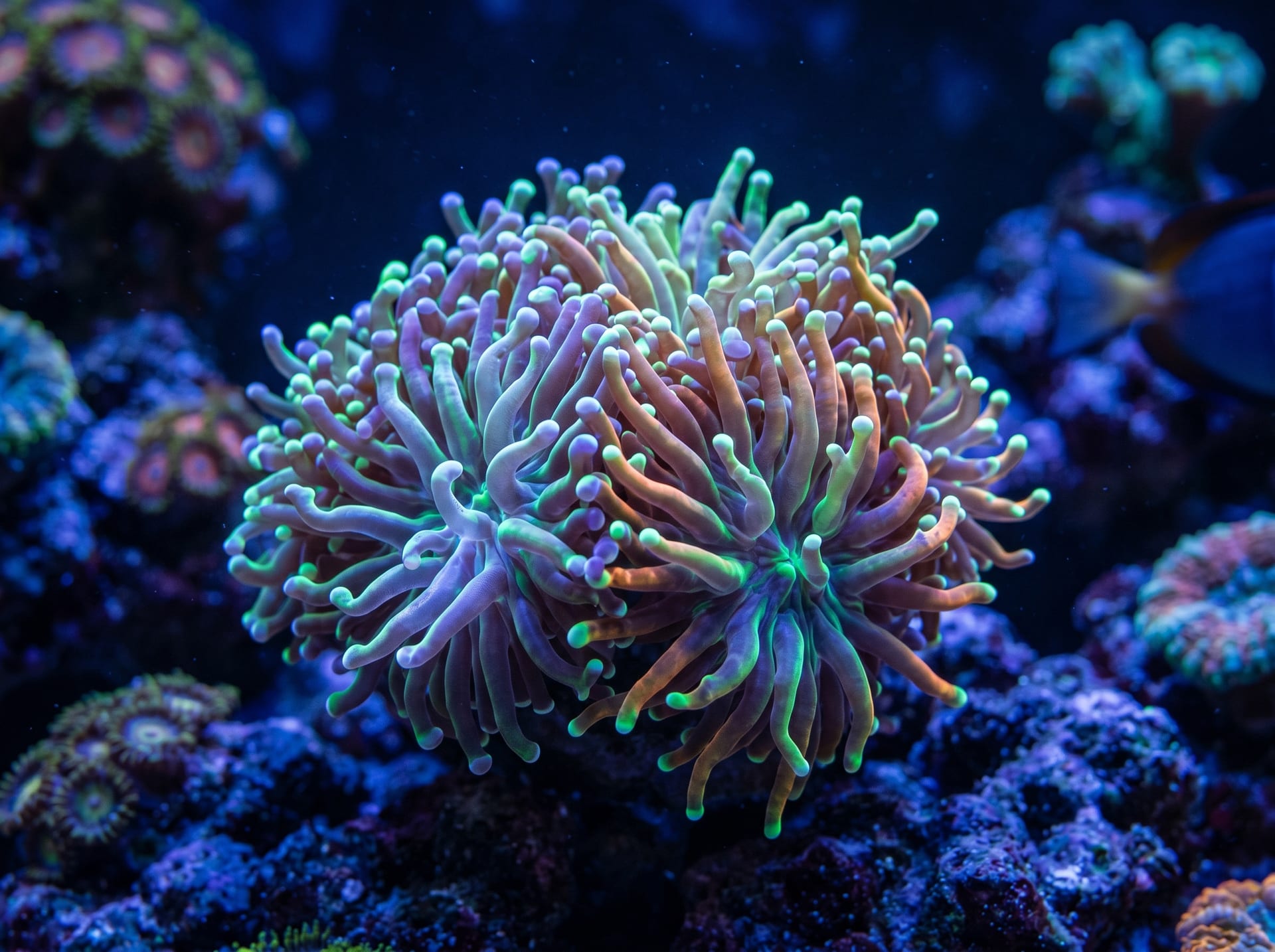
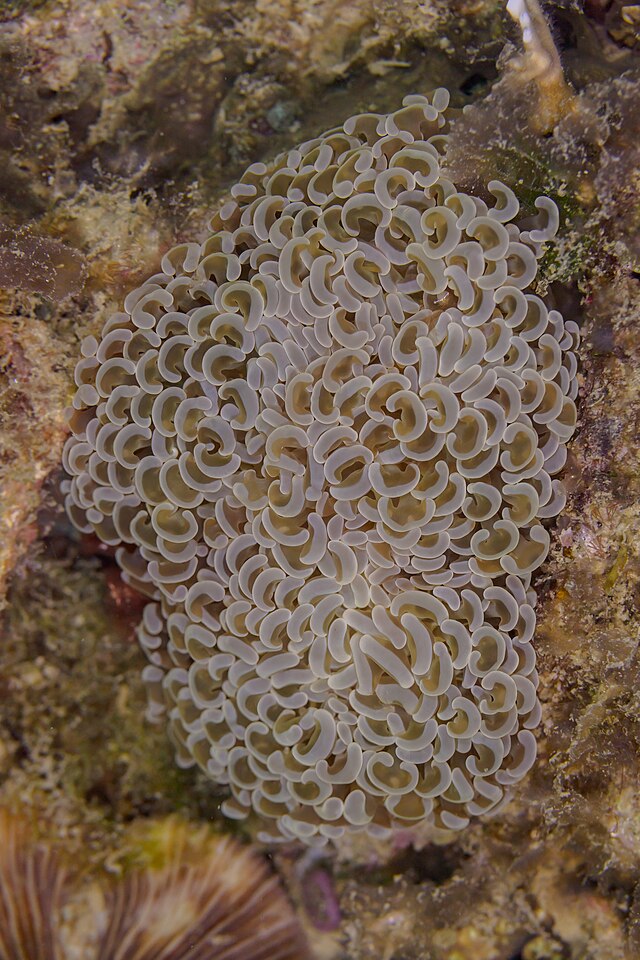
- No direct contact: Keep separate from flowing tentacle corals, hammer corals, and zoanthids
- Placement on substrate recommended: Place directly on the sand bed (no need to attach to live rock)
- Solo centerpiece arrangement: Placing it alone in the tank's low-light zone displays it most beautifully
Reading Inflation and Deflation
Important signs for assessing health:
Positive signs:
- The mouth disk is well-inflated from mouth to tip even during the day
- Rich tissue coverage across the surface with the skeleton not visible
- Vibrant coloration (fluorescent green, red, and orange)
Warning signs:
- Continuous contraction (polyp fails to open for 24+ hours)
- Thin mouth disk with visible skeleton outline (tissue recession)
- Excessive mucus production
- Browning or color fading (reduced zooxanthellae density)
If continuous contraction occurs, first check water flow, light intensity, and water parameters.
Buying and Selling Acanthophyllia on BreederDirect
Key points when trading Acanthophyllia on BreederDirect:
When purchasing, verify:
- Request photos and videos showing fully inflated polyps
- Confirm the skeleton is not visible
- Verify if it's wild-caught or a frag (frags are already acclimated to aquarium conditions and are more stable)
- Preferred trading size (5–15 cm is most manageable)
When selling, note:
- Withhold feeding for 24 hours before packing to minimize transport stress
- Transport in insulated boxes with oxygen injection
- Inform the buyer that colors may take 1–2 weeks to return after arrival
Summary
With proper conditions, Acanthophyllia can be maintained as a solitary LPS for over five years. The key to success is adhering to three fundamentals: low light, gentle flow, and regular feeding, while positioning it as a solo centerpiece away from other corals. As captive-bred specimens become available through BreederDirect, a culture of enjoying this beautiful coral while reducing pressure on wild reefs will flourish.