AI-generated image
Acanthophyllia (Meat Coral)
IntermediateAcanthophyllia deshayesiana
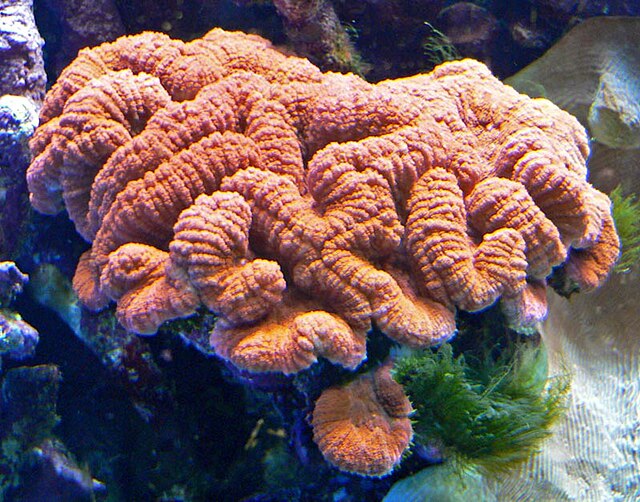
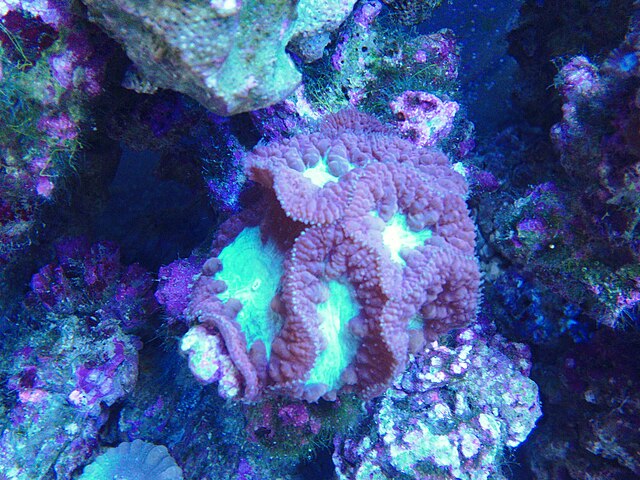
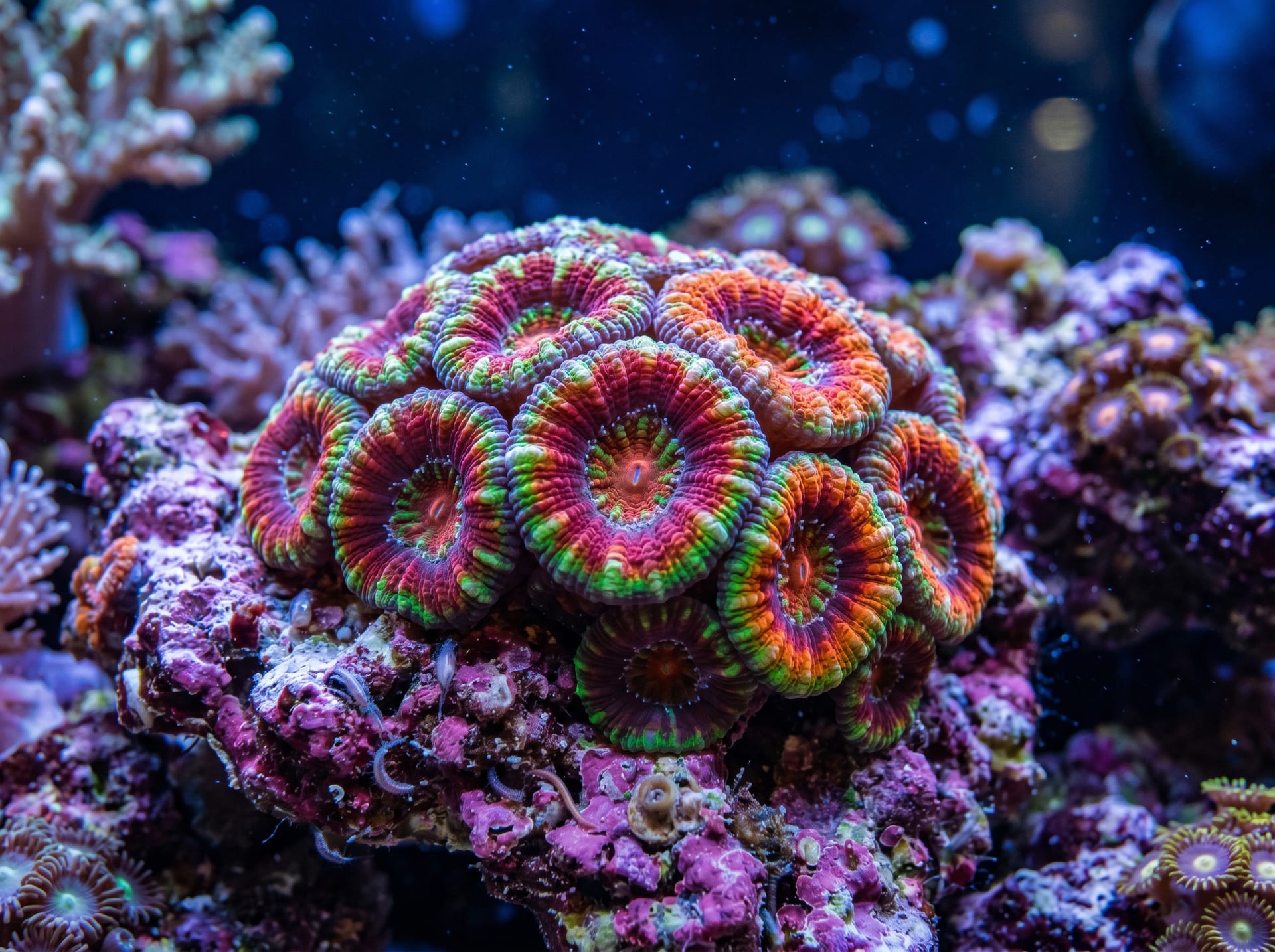
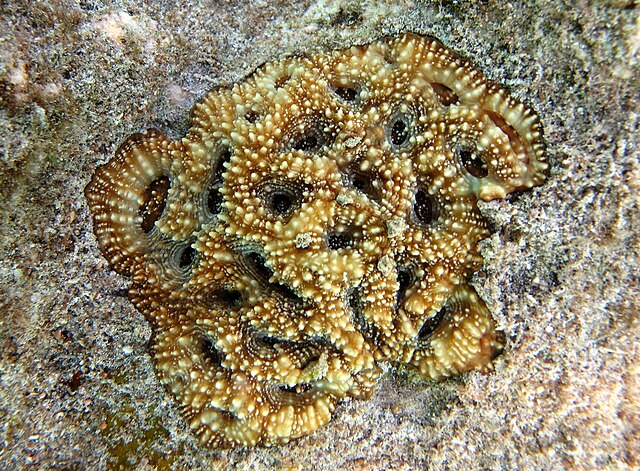
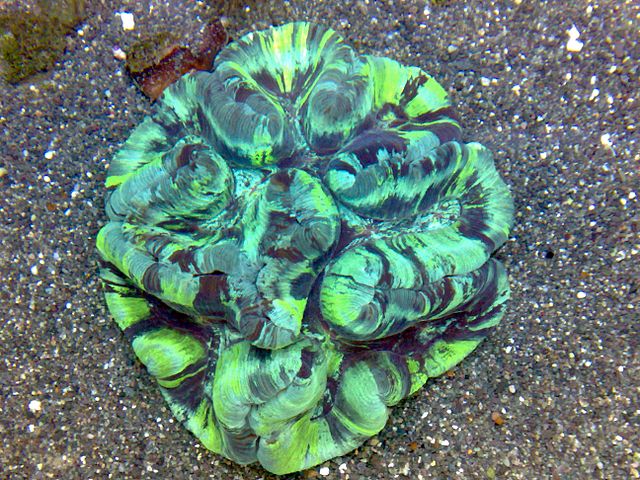
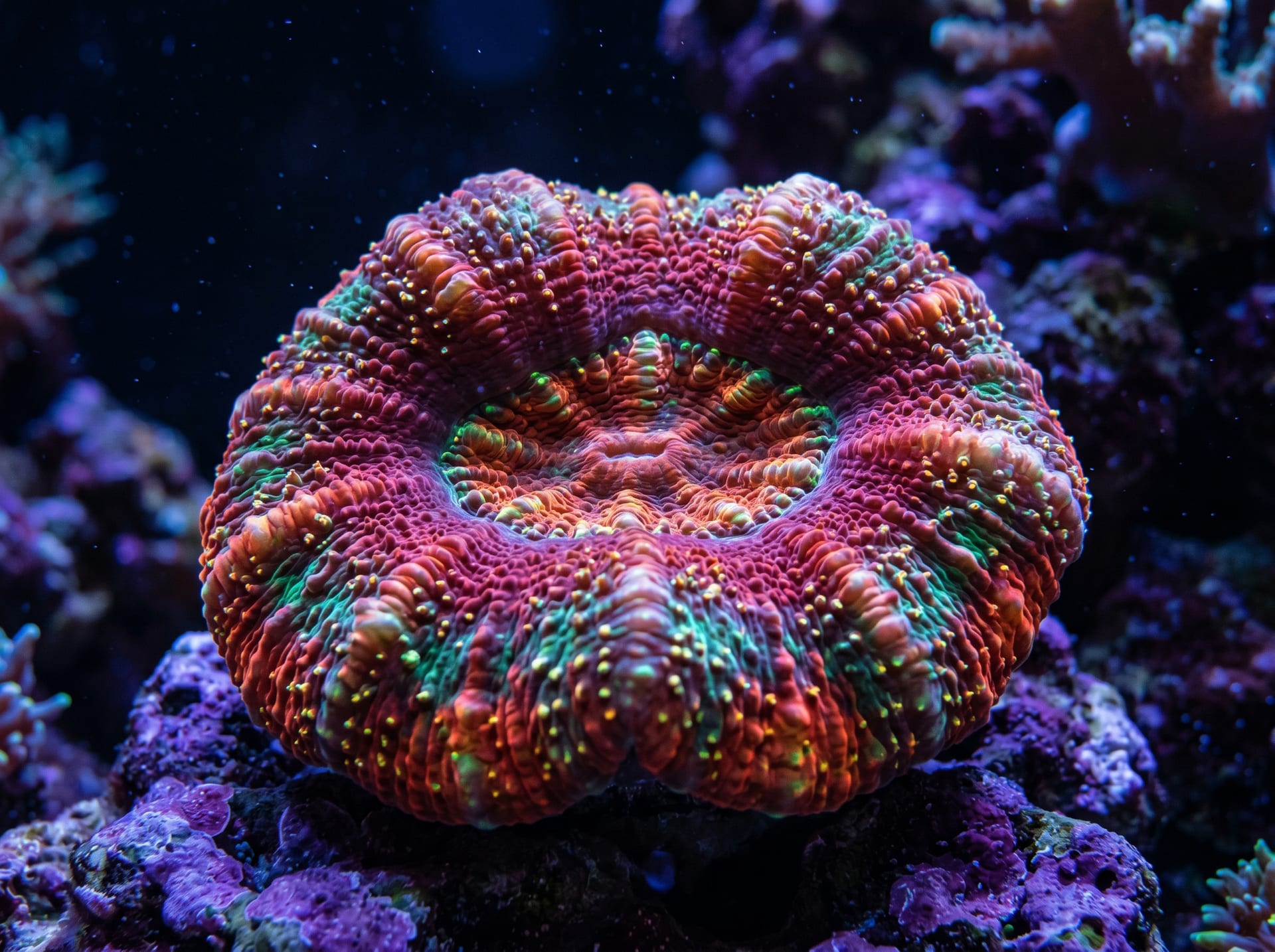
LPS coral with single massive polyp. Vivid red, green, blue colors earn it the 'Meat Coral' nickname. Impressive when fleshy tissue inflates fully.
Difficulty
Intermediate
Temperature
24〜27℃
Lifespan
10+ years
Size
10-20cm (single polyp)
Diet
Photosynthesis + chopped meaty food
About
Acanthophyllia deshayesiana (family Lobophylliidae) is a large, solitary free-living LPS coral found on sandy substrates and reef slopes across the Indo-Pacific. Rather than attaching to rock, it rests on the sand and inflates its fleshy tissue dramatically at night or when feeding, reaching 15–25 cm across. It displays vivid reds, oranges, greens, and multicolor patterns prized in the reef aquarium hobby. It prefers low to moderate lighting and gentle indirect flow; strong direct current damages the tissue. Place it directly on the sand without fixing it, and avoid contact with rock. Target feeding once or twice weekly with small shrimp or seafood pieces enhances color and growth. If it remains overturned it will weaken, so keep it upright.
Source: Wikipedia (CC BY-SA 4.0)
Lifespan of the Acanthophyllia (Meat Coral)
The Acanthophyllia (Meat Coral) lives 10+ years.
Size of the Acanthophyllia (Meat Coral)
The Acanthophyllia (Meat Coral) grows to 10-20cm (single polyp).
Temperature & humidity for the Acanthophyllia (Meat Coral)
The ideal temperature for the Acanthophyllia (Meat Coral) is 24〜27℃.
Basic Info
Origin
sandy substrates and reef slopes of the Indo-Pacific
Lifespan
10+ years
Care Specifications
- Carbonate (KH)
- 8–12 dKH
- Water Temp.
- 24–27℃
- Specific Gravity
- 1.023–1.025
- Salinity
- 33–35 ppt
- Calcium (Ca)
- 400–450 ppm
- Magnesium (Mg)
- 1280–1350 ppm
LPSLight: Medium (PAR 50-150)Flow: LowPlacement: Bottom
Sources: AlgaeBarn: SPS/LPS care (PAR/flow) / AlgaeBarn: Water Parameters 101
References & Sources
Edited & verified by: BreederDirect editorial team
The taxonomic, regulatory, and husbandry data on this page are compiled and verified against the authoritative primary sources below.
Taxonomy & Authority
Regulations & Conservation Status
CITES Appendix II
Scleractinia (Acanthophyllia deshayesiana, Lobophylliidae). CITES Appendix II.
Sources: DOC NZ / CITES-listed corals (Scleractinia spp. = App. II)
Regulations may change. Always verify the latest information with the relevant authorities.
Acanthophyllia (Meat Coral) Listings
Loading latest listingsFind listings for this species