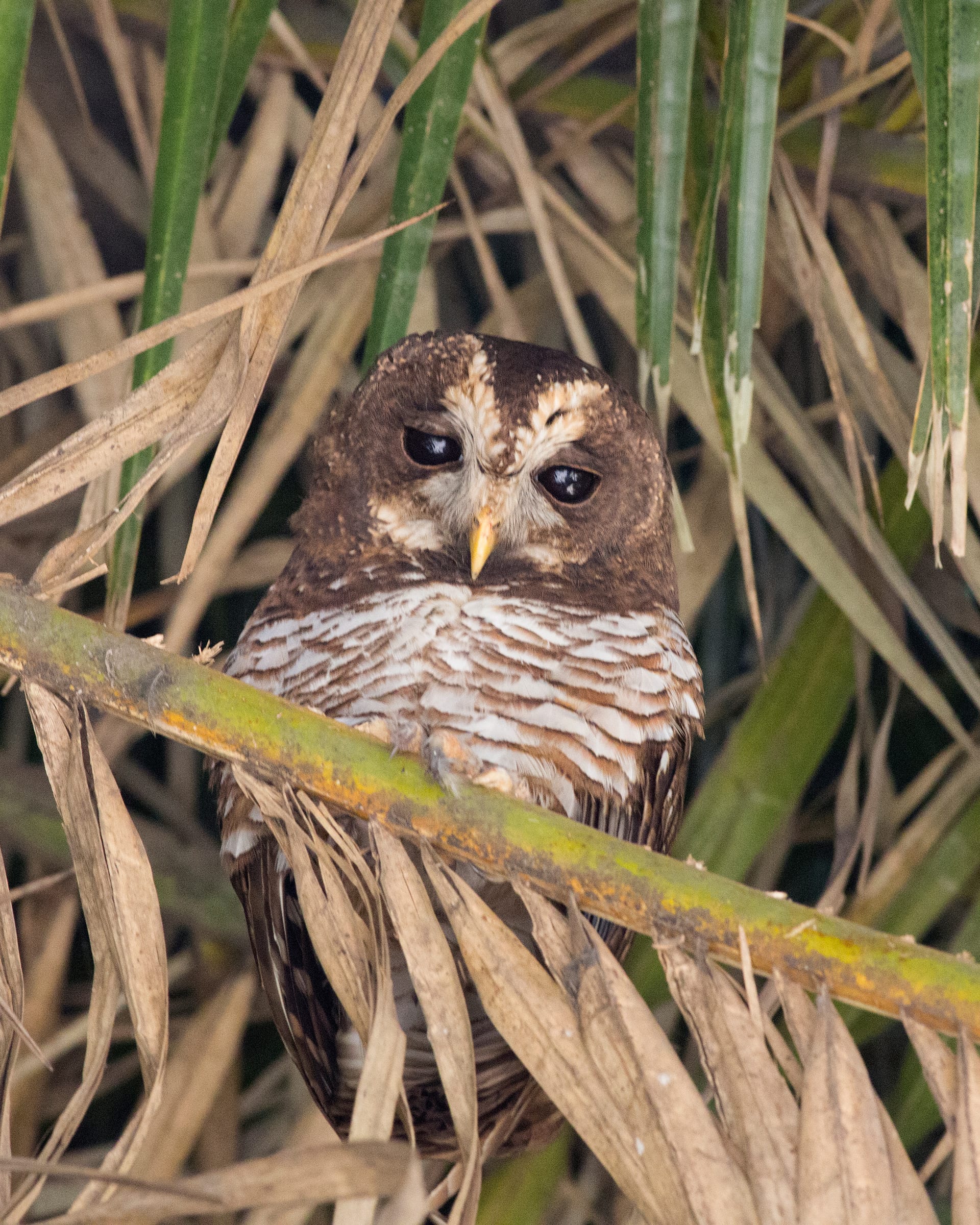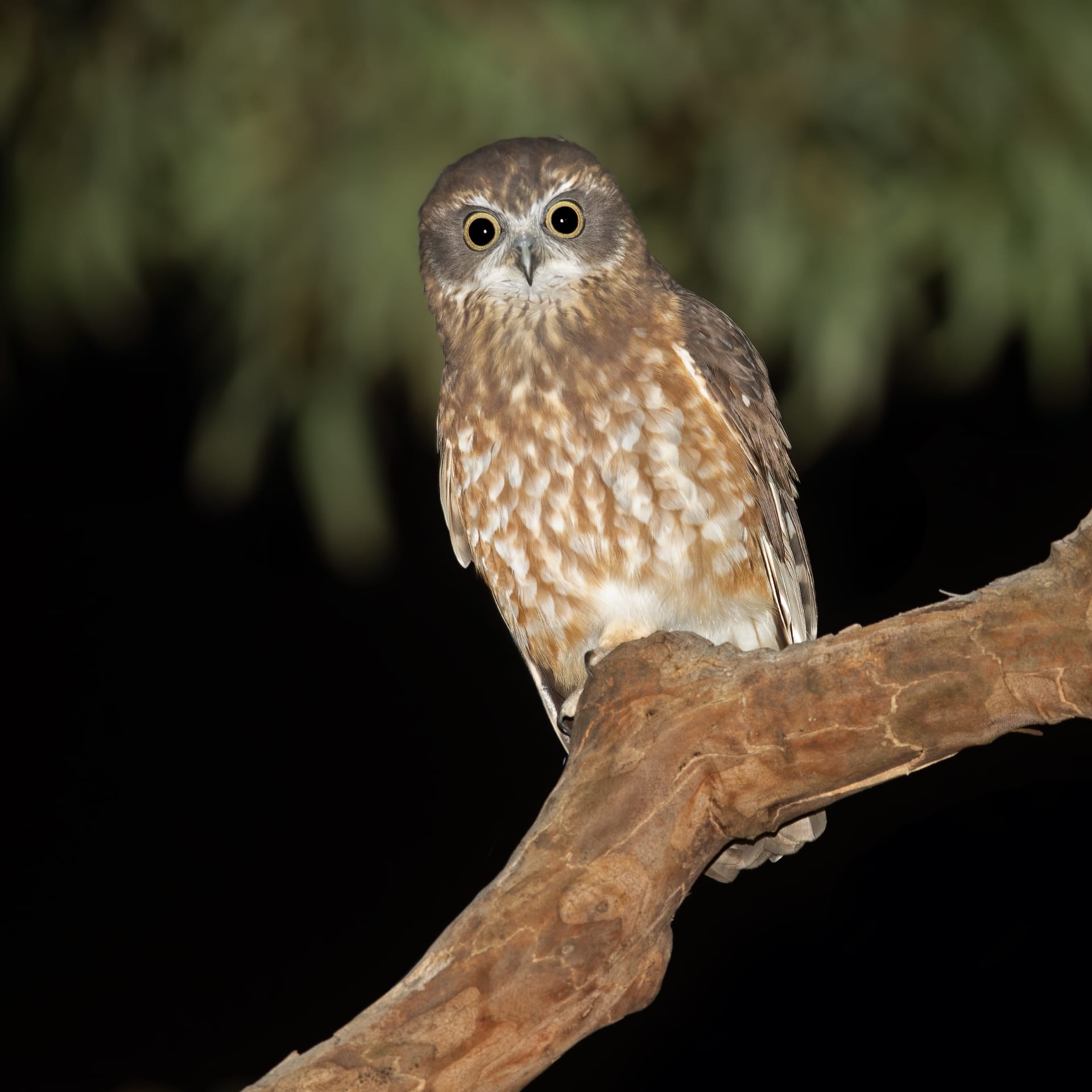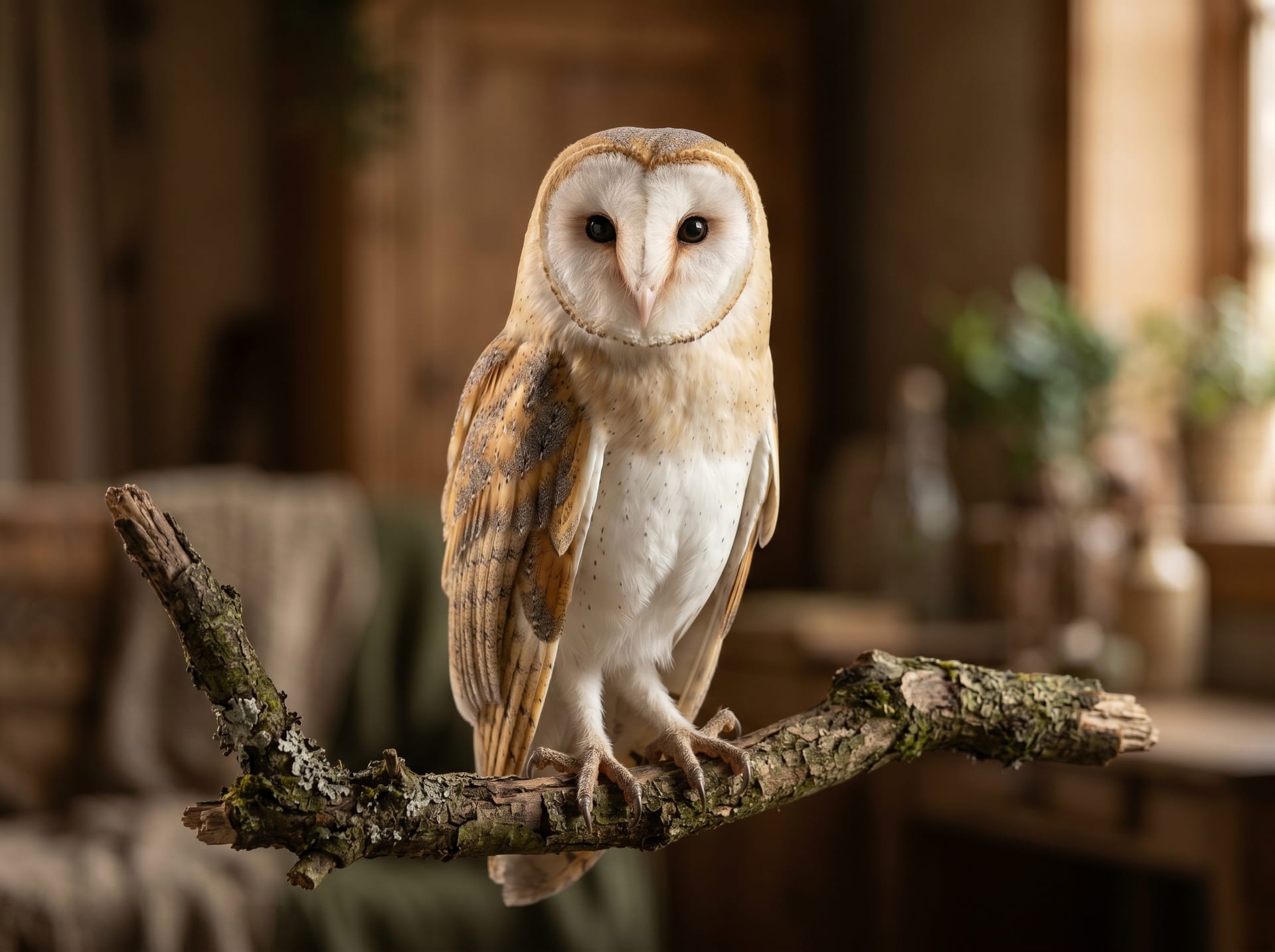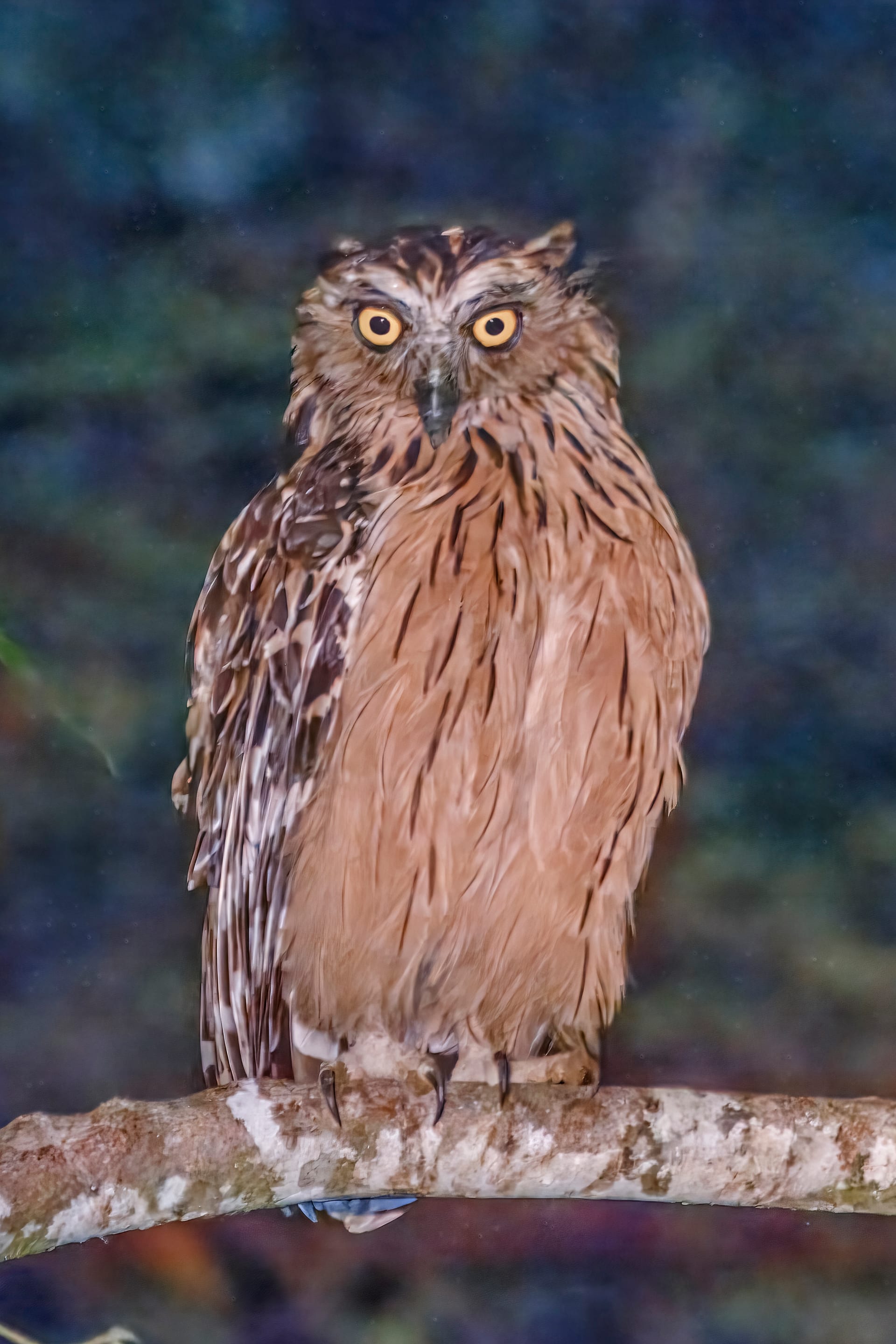
Source: Wikimedia Commons
Tawny Frogmouth
AdvancedPodargus strigoides
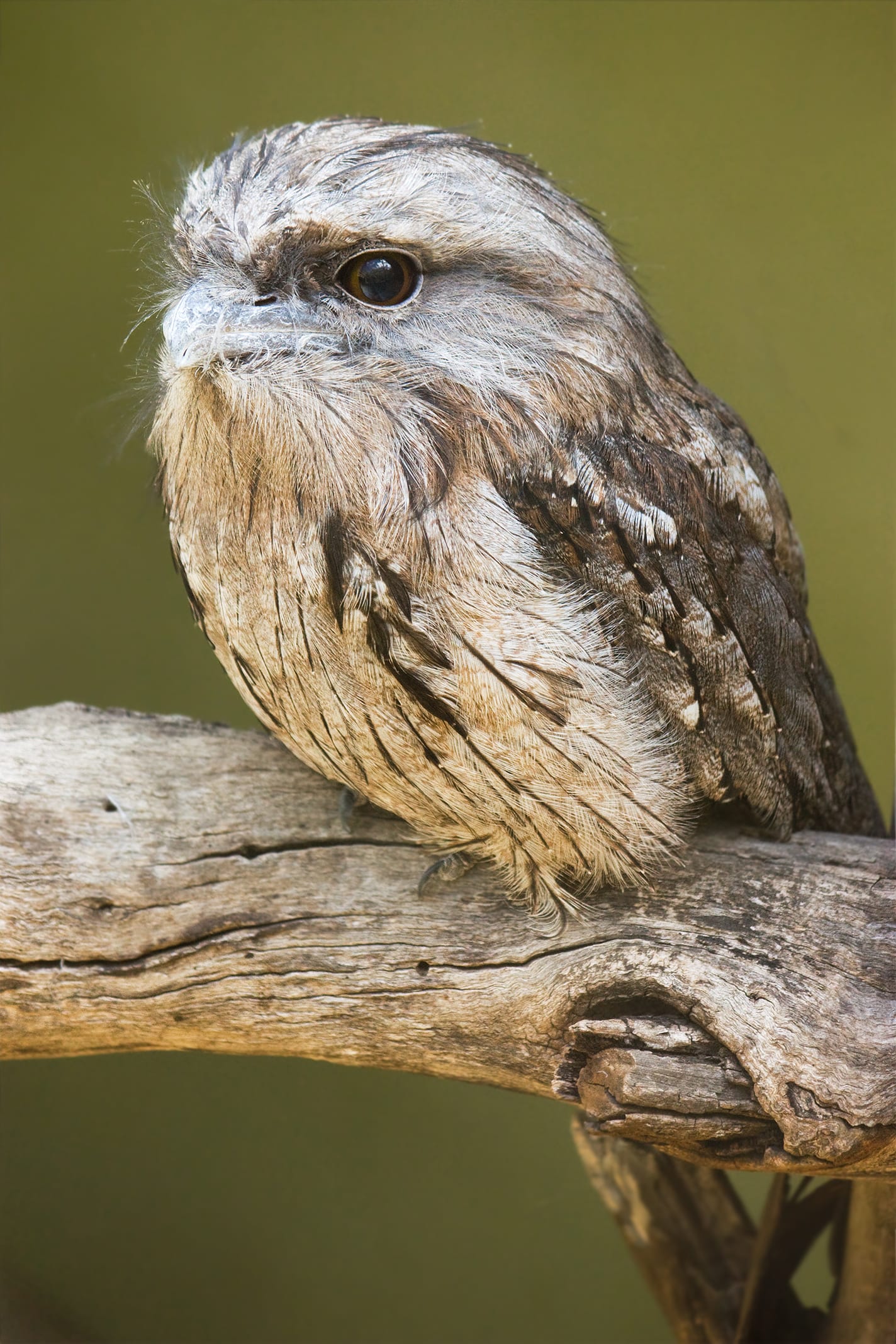
A nocturnal Australian bird with mottled grey plumage and a broad bill. Often mistaken for an owl but closer to the nightjars, it spends the day motionless on a branch, bill raised, looking like a broken limb.
Difficulty
Advanced
Temperature
15〜30℃
Lifespan
Over 30 years in captivity
Size
34-53 cm
Humidity
40〜60%
Diet
Carnivorous: insects such as crickets and mealworms, and small whole prey such as mice and chicks
About
The tawny frogmouth (Podargus strigoides) occurs throughout mainland Australia and Tasmania. Its nocturnal habits and colouring cause it to be mistaken for an owl, but its closest relatives are the oilbird, potoos, owlet-nightjars and nightjars. It is 34-53 cm long, and in the nominate race males average 354 g and females 297 g. It is big-headed and stocky with rounded wings and short legs, and has a wide, heavy bill hooked at the tip and topped with tufts of bristles. Its eyes are large and yellow but, unlike an owl's, do not face forward. The grey morph is commonest, with chestnut or rufous female morphs in some regions. By day it sits motionless on a branch with eyes narrowed and bill raised, looking like a broken branch. From dusk it drops from a high perch to seize large nocturnal insects, spiders, worms, slugs and snails from the ground with great precision, and also takes small mammals, reptiles, frogs and birds. Pairs stay together for life and repair the same nest each year. Wild birds live up to about 14 years and captive birds 30 years or more. In Japan it is occasionally sold by dealers in raptors and owls, and it must be fed mainly live or whole prey.
Source: Wikipedia (CC BY-SA 4.0)
Lifespan of the Tawny Frogmouth
The Tawny Frogmouth lives Over 30 years in captivity.
Size of the Tawny Frogmouth
The Tawny Frogmouth grows to 34-53 cm.
Basic Info
Origin
Forest, woodland, parks and gardens of mainland Australia and Tasmania
Lifespan
Over 30 years in captivity
References & Sources
Edited & verified by: BreederDirect editorial team
The taxonomic, regulatory, and husbandry data on this page are compiled and verified against the authoritative primary sources below.
Taxonomy & Authority
Regulations & Conservation Status
Not CITES-listedIUCN LC · Least Concern
Podargus strigoides. This frogmouth is not listed in the CITES Appendices. Imports are subject to animal import notification under the Infectious Diseases Control Law, but no notification is needed to keep or transfer it within Japan. The IUCN assesses it as Least Concern.
Sources: Species+ search (Podargus strigoides not listed) / IUCN Red List
Regulations may change. Always verify the latest information with the relevant authorities.
Tawny Frogmouth Listings
Loading latest listingsFind listings for this species