Source: Wikimedia Commons
Crimson Finch
IntermediateNeochmia phaeton
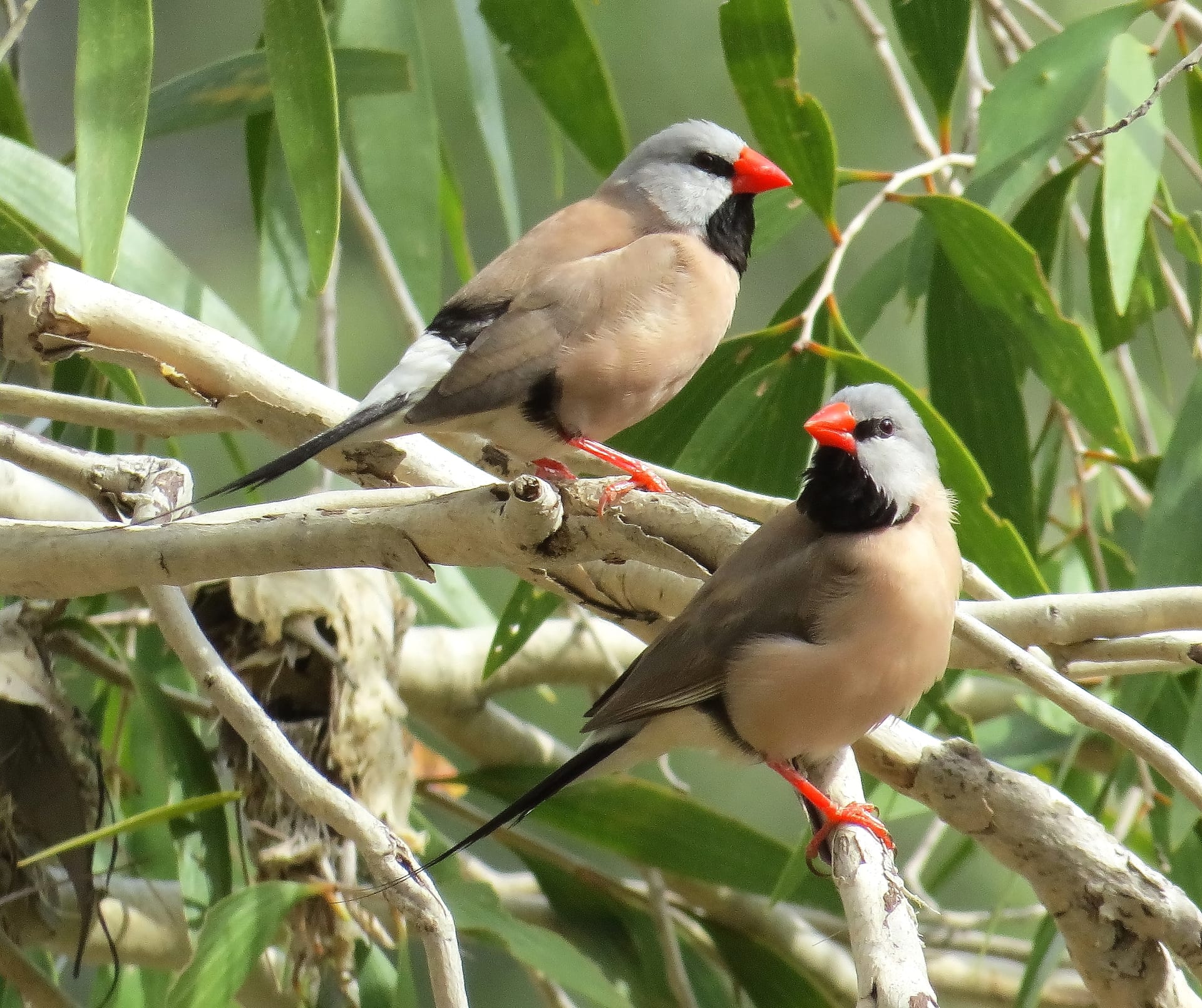
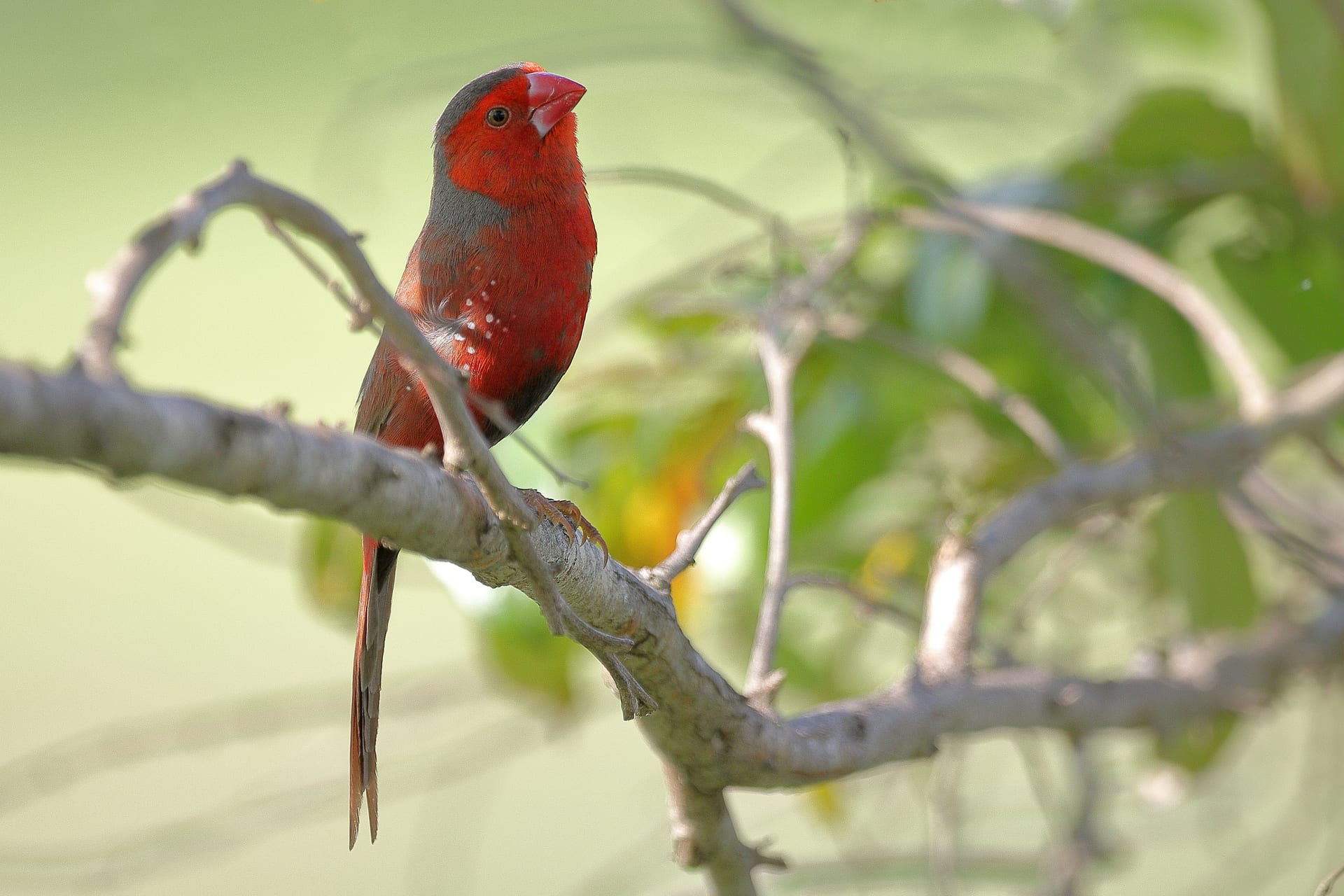
A northern Australian estrildid noted for its brilliant crimson, long tail and white specks along the flanks. It is known for its aggression, especially towards its own kind when breeding.
Difficulty
Intermediate
Temperature
15〜30℃
Lifespan
5 years and beyond
Size
About 13cm
Humidity
40〜60%
Diet
Mixed seed, spray millet, greens, small livefood when breeding
About
The crimson finch (Neochmia phaeton) is an estrildid finch distributed mainly across northern Australia with some birds in New Guinea. The sexes differ slightly in intensity, the female being paler, while the male has a longer tail and bill and is larger and heavier. Three weeks after fledging young moult into adult plumage, though the moult is partial and the juvenile greater primary coverts are retained. It is common in the Kimberley but less widespread in northeastern Queensland. It prefers areas of tall dense grass, typically riparian vegetation with abundant pandanus, and nests in shrubs and dry brush. In Europe it was shown at London Zoo in 1861 and Hagenbeck imported a pair to Germany in 1865. It has been traded almost continuously since, usually in small numbers, and is now bred very regularly.
Source: Wikipedia (CC BY-SA 4.0)
Lifespan of the Crimson Finch
The Crimson Finch lives 5 years and beyond.
Size of the Crimson Finch
The Crimson Finch grows to About 13cm.
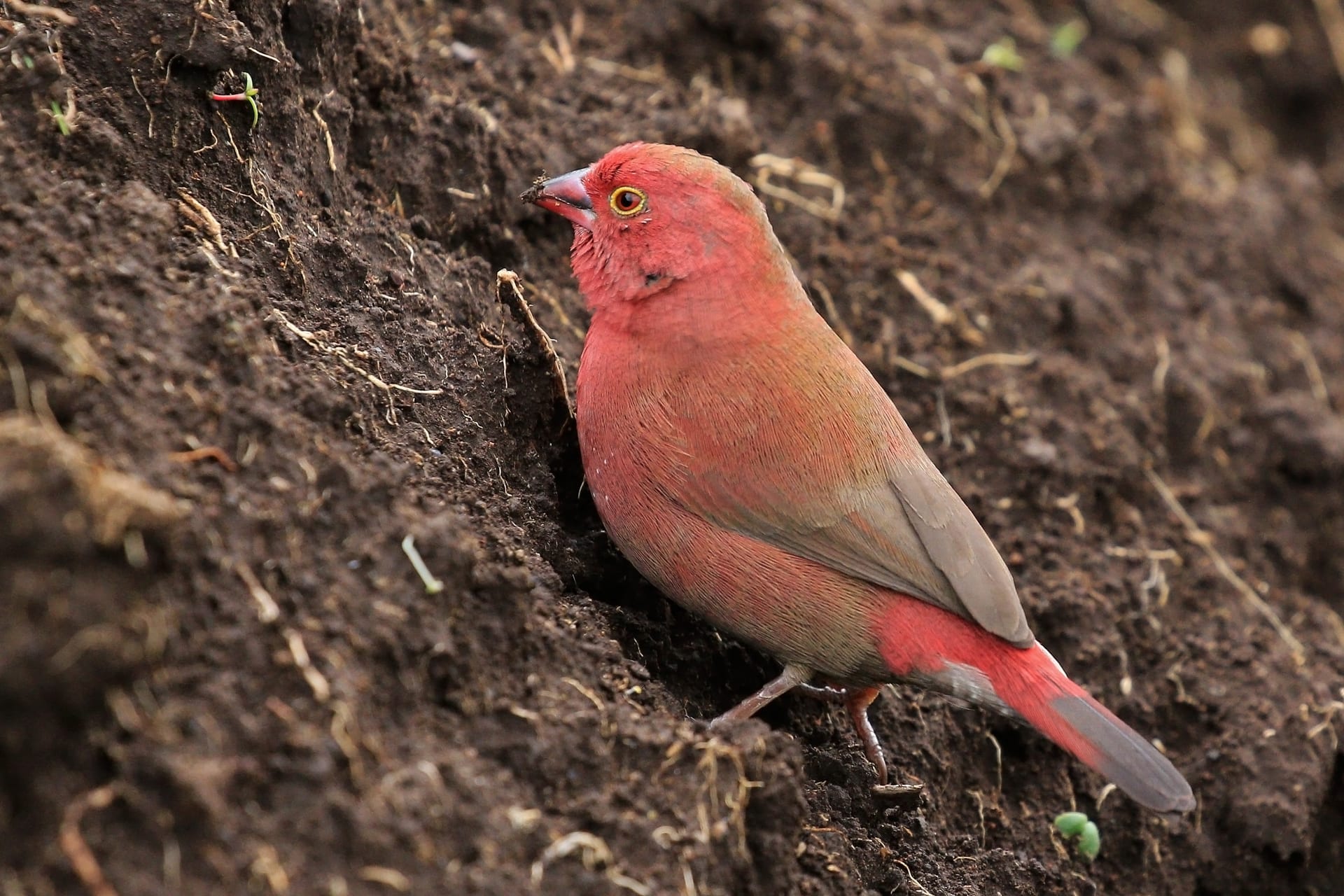
It is about 13 cm long and weighs around 13 g, with brilliant crimson plumage, a long tail, white specks along the sides of the body and greyish tones around the neck.
Basic Info
Origin
Northern Australia, commonest in the Kimberley, and parts of New Guinea, in tall grass near wetlands with pandanus
Lifespan
5 years and beyond
Size
About 13cm
Care Specifications
References & Sources
Edited & verified by: BreederDirect editorial team
The taxonomic, regulatory, and husbandry data on this page are compiled and verified against the authoritative primary sources below.
Taxonomy & Authority
Accepted name: Neochmia phaeton (Hombron & Jacquinot, 1841)
Synonyms: Fringilla phaeton
Authority databases: GBIF
Nomenclature follows global taxonomic authority databases.
Regulations & Conservation Status
Not CITES-listedIUCN LC · Least Concern
Neochmia phaeton. The family Estrildidae is not listed in the CITES Appendices, so this species is not covered. The IUCN assesses it as Least Concern. Australia bans the export of wild birds, so traded birds are captive bred.
Sources: CITES Appendices (Estrildidae not listed) / IUCN Red List
Regulations may change. Always verify the latest information with the relevant authorities.
Crimson Finch Listings
Loading latest listingsFind listings for this species