Source: Wikimedia Commons
Regent Parrot
AdvancedPolytelis anthopeplus
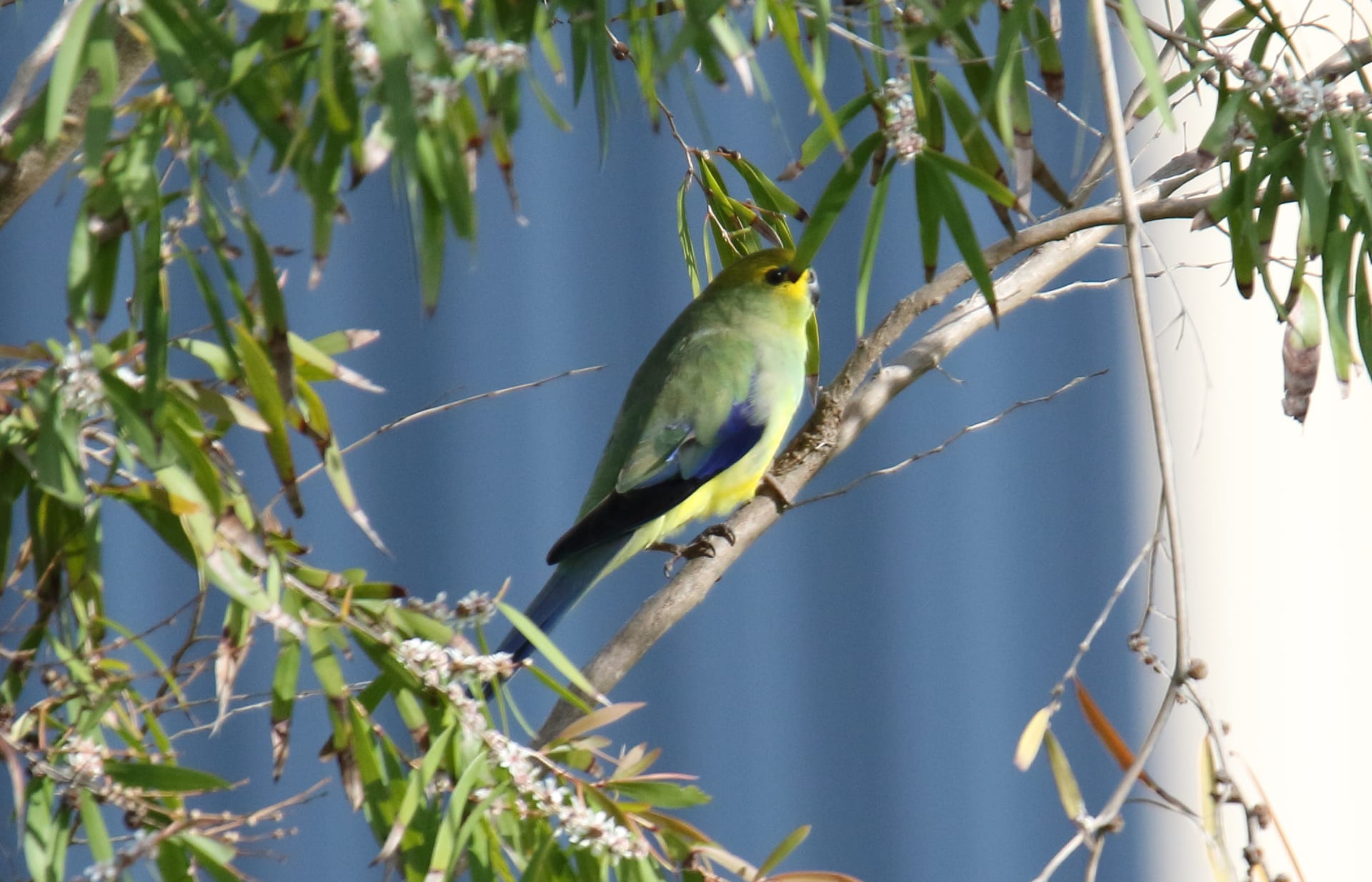
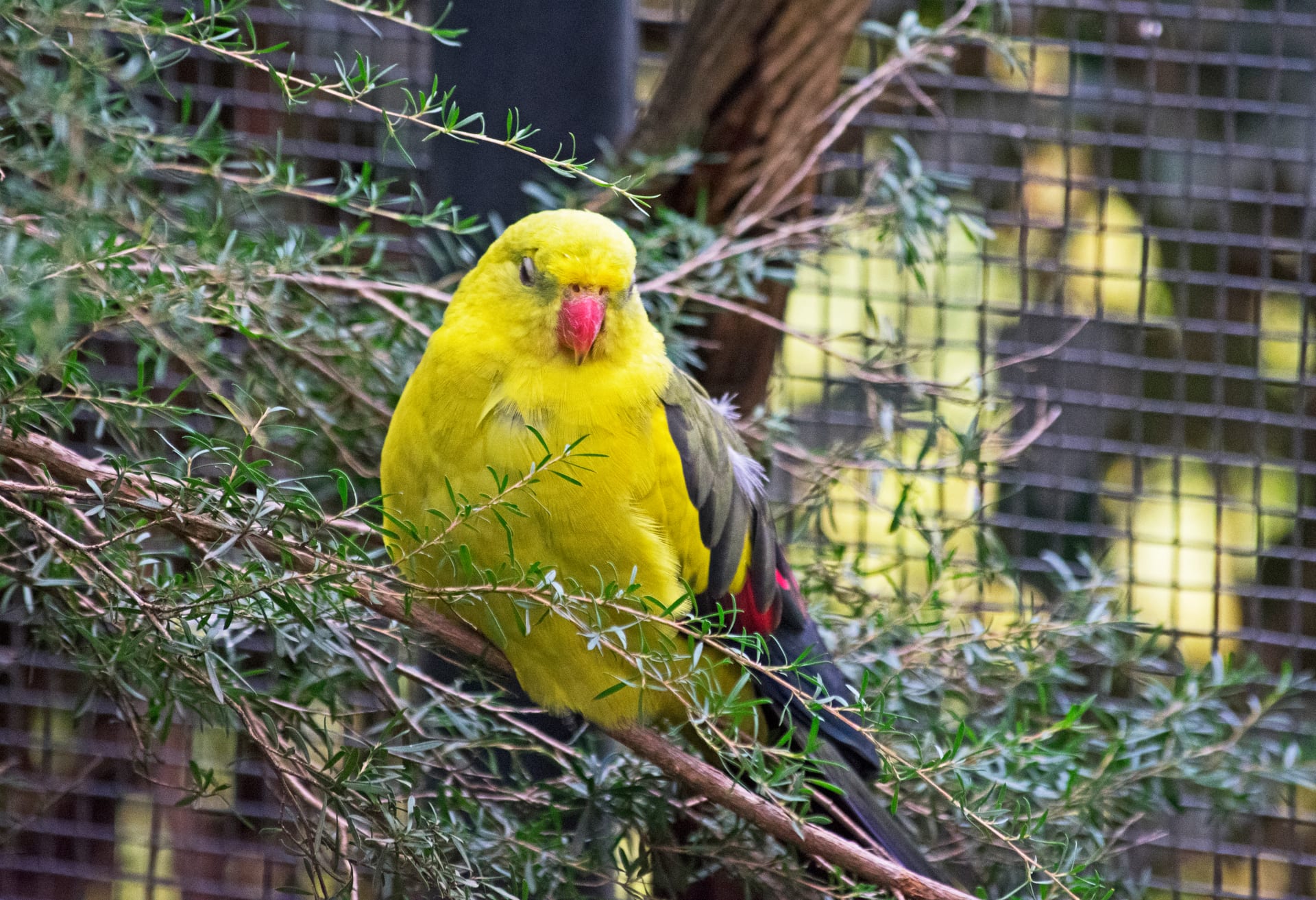
A large parrot 40 cm long, predominantly yellow with a long green tail. Two isolated populations exist in southern Australia, and it lives about 25 years; keeping it calls for an outdoor flight around 7 m long.
Difficulty
Advanced
Temperature
15〜30℃
Lifespan
About 25 years
Size
40cm (150-206g)
Humidity
40〜60%
Diet
Mixed seed, seeding grasses, greens, fruit, buds and blossom, and pellets
About
The regent parrot (Polytelis anthopeplus), also called the rock pebbler, is a large parrot of southern Australia. Two morphologically similar but geographically isolated populations occur within its range. It lives in riparian river red gum habitat, box woodland with cypress pine, orchards and vineyards, and in the southeast in flooded eucalypt woodland and adjacent arid mallee scrub. Wild food includes the seeds of eucalypts, acacias, grasses and herbaceous plants, figs and mistletoe fruits, berries, leaf buds and flowers, along with cereal crops and orchard fruit and nuts. Birds disperse widely after breeding and gather in boisterous flocks of a hundred or more, yet they are generally wary of people. In captivity a walk-in flight 7 m long is recommended, with a diagonal nest box about 18 x 18 x 61 cm. Clutches are of four to six eggs with fledging at five weeks.
Source: Wikipedia (CC BY-SA 4.0)
Lifespan of the Regent Parrot
The Regent Parrot lives About 25 years.
Size of the Regent Parrot
The Regent Parrot grows to 40cm (150-206g).
It is 40 cm long and weighs 150-206 g, with predominantly yellow plumage and a green tail.
Basic Info
Origin
Southern Australia, in two isolated populations in the southeast and southwest
Lifespan
About 25 years
Size
40cm (150-206g)
Care Specifications
PeacefulPair
Sources: World Parrot Trust Parrot Encyclopedia / Wikipedia - Regent parrot
References & Sources
Edited & verified by: BreederDirect editorial team
The taxonomic, regulatory, and husbandry data on this page are compiled and verified against the authoritative primary sources below.
Taxonomy & Authority
Accepted name: Polytelis anthopeplus (Lear, 1831)
Synonyms: Palaeornis anthopeplus, Polytelis melanura
Authority databases: GBIF
Nomenclature follows global taxonomic authority databases.
Regulations & Conservation Status
CITES Appendix IIIUCN LC · Least Concern
Polytelis anthopeplus. The order Psittaciformes is listed in CITES Appendix II except for species placed in Appendix I, so this species is Appendix II and international trade requires an export permit.
Sources: CITES Appendices (Appendix II) / IUCN Red List
Regulations may change. Always verify the latest information with the relevant authorities.
Regent Parrot Listings
Loading latest listingsFind listings for this species