Amazon Parrot Care Guide | Complete Explanation of Temperament, Diet, and Enrichment
Explaining how to care for Amazon parrots (such as Blue-fronted and Yellow-crowned species). Introducing key points on diet, environmental enrichment, and emotional care for Amazon species with strong personality and longevity.
Key Takeaways
Explaining how to care for Amazon parrots (such as Blue-fronted and Yellow-crowned species). Introducing key points on diet, environmental enrichment, and emotional care for Amazon species with strong personality and longevity.
Related Species
Living with Amazon Parrots—Long Lifespan and Strong Personality
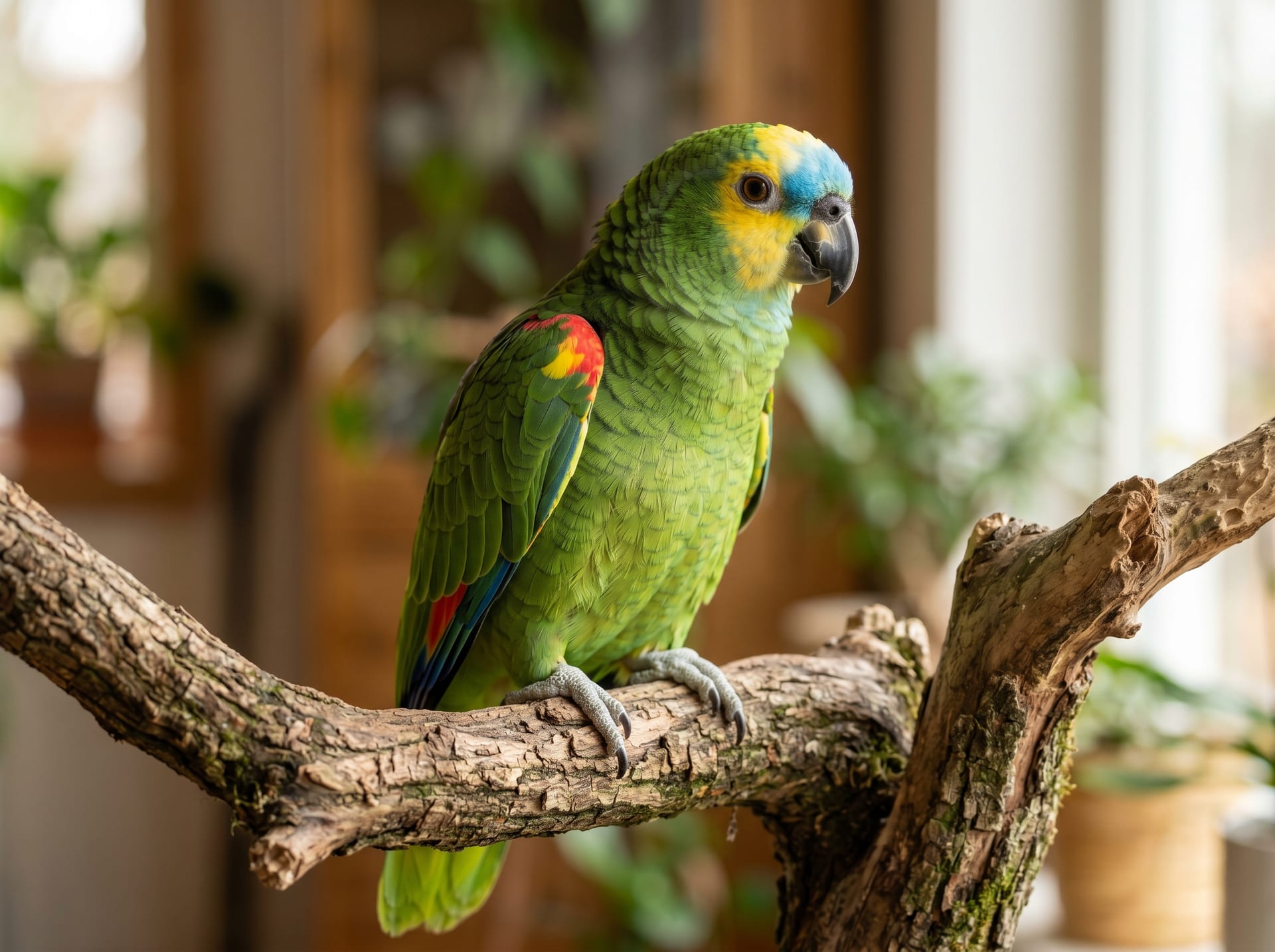
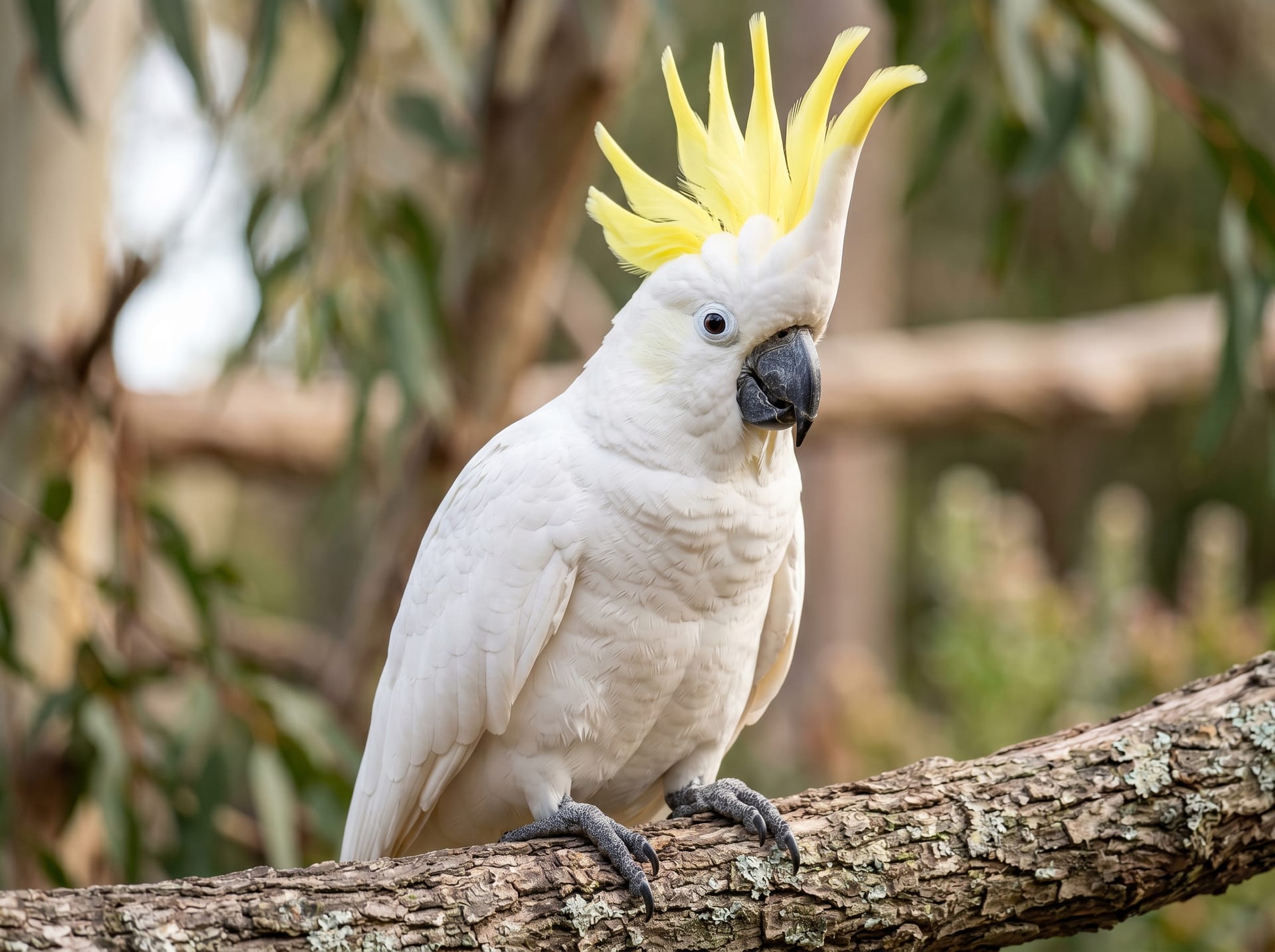
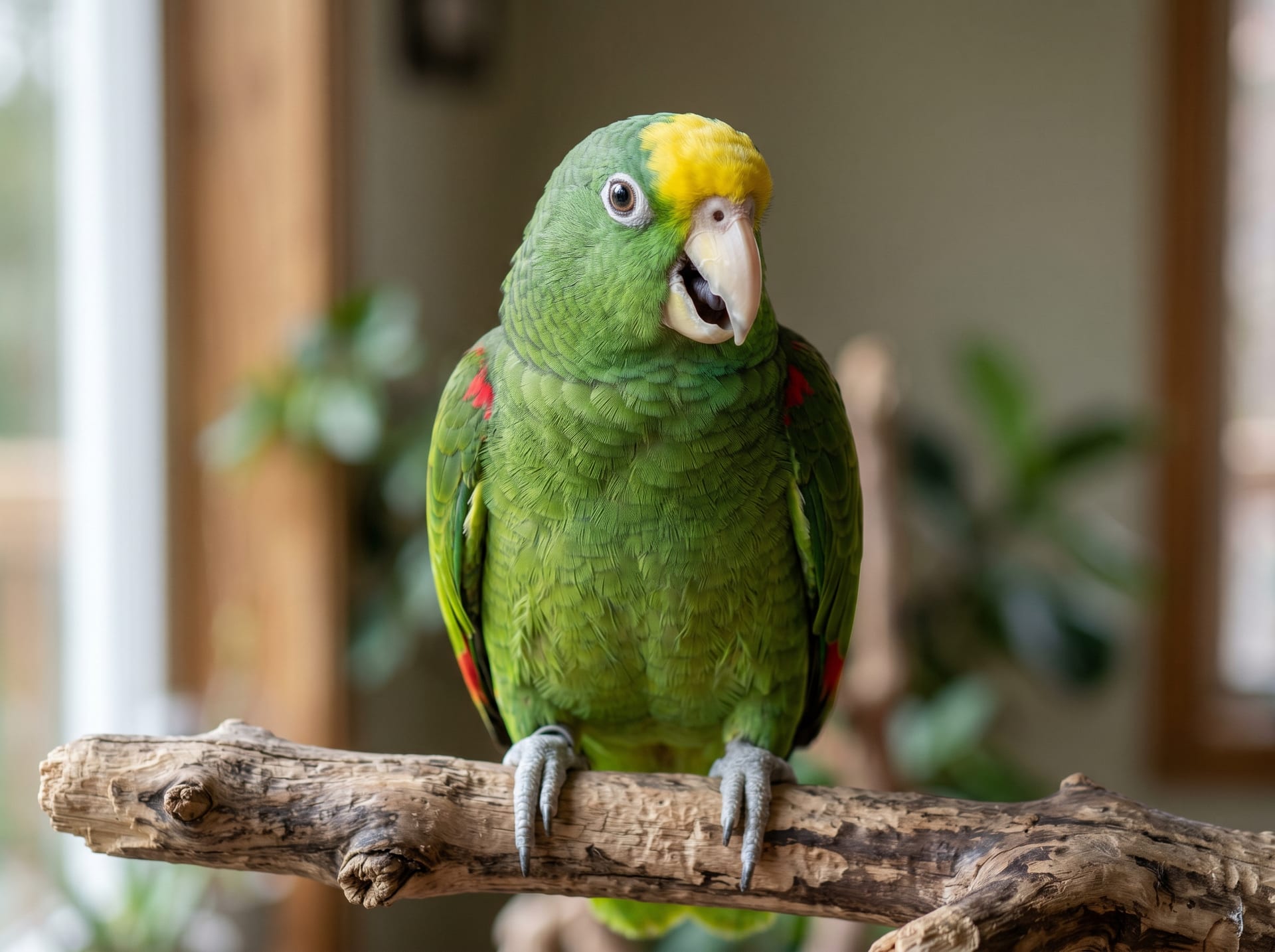
Amazon parrots (Amazona spp.) are among the most popular large parrots in the family Psittacidae, with over 60 species known including the Blue-fronted Amazon, Yellow-crowned Amazon, and Sulphur-crested Cockatoo. Captive lifespans of 40–60 years are not uncommon, making them animals that require serious commitment as "lifelong companions."
Amazon parrots possess high intelligence, rich emotional expression, and strong self-assertion, making them extremely appealing as pet birds. However, their strong personality is simultaneously a factor that makes them difficult to care for. They clearly show "I don't like this," and will bite if in a bad mood—this is the reality of the relationship with Amazons. Before starting to keep one, a commitment spanning decades and securing a suitable living environment are essential.
Basic Husbandry Environment Setup
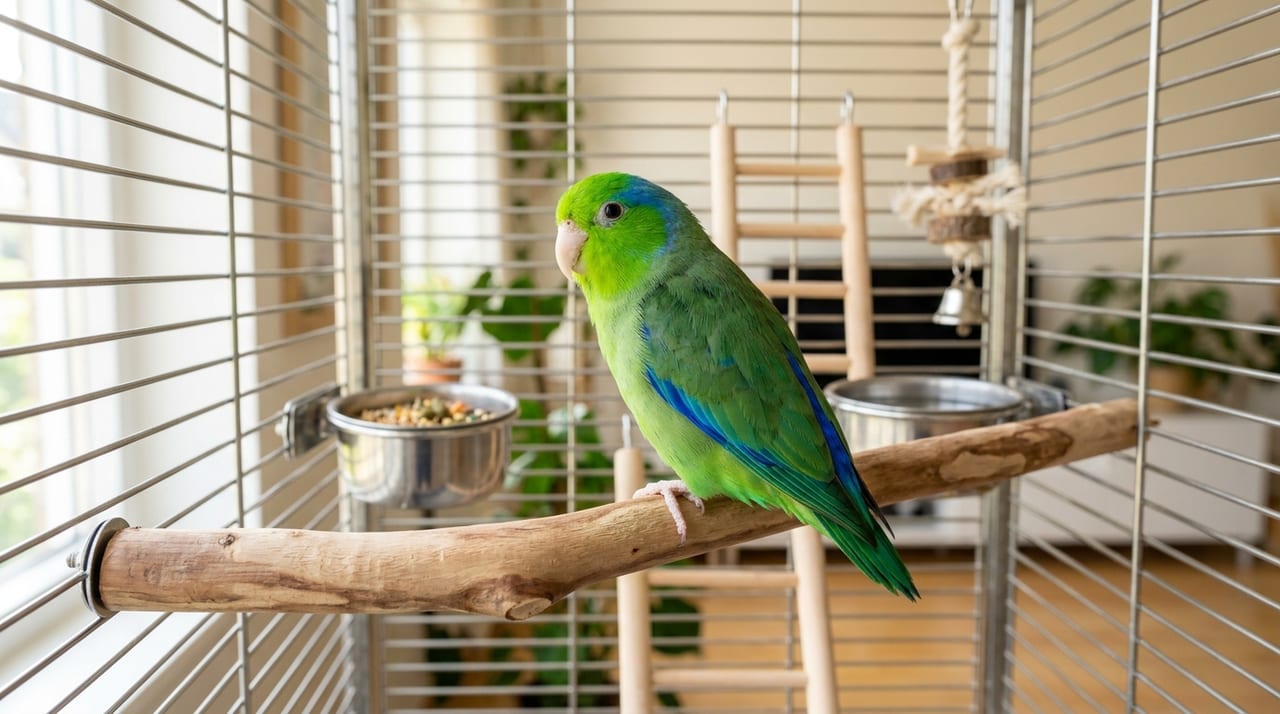
Cage Size: A width that allows the wings to spread (minimum 2.5 times the body length or more) is necessary. For typical medium-sized Amazons (40–45 cm), a cage of 90×60×120 cm or larger is ideal. Choose a sturdy cage made of stainless steel or powder-coated material, and pay attention to the door lock mechanism—Amazons are intelligent and can open simple latches themselves.
Out-of-Cage Time: Daily out-of-cage activity (time outside the cage) of 1–2 hours or more is essential. Keeping them confined leads to reduced cognitive function and self-injurious behavior (such as excessive feather plucking). During out-of-cage time, eliminate potential hazards in advance, including windows, ventilation fans, toxic houseplants, and heated non-stick cookware (PTFE off-gassing is lethal).
Perch Diversity: Install multiple natural wood branches (such as monkey pod and cork), varying thickness, material, and angle to provide appropriate stimulation to the feet's muscles and sensation. Using only uniform plastic perches increases the risk of bumblefoot.
Temperature and Humidity: Maintain a stable environment between 18–28°C. They are sensitive to sudden temperature changes and dryness; maintaining 50–60% humidity in winter with a humidifier benefits feather and respiratory health.
Dietary Variety Is Key—Beware of Seed Dependency
A common issue in Amazon parrots is "seed dependency." A diet centered on sunflower seeds creates nutritional imbalance and causes vitamin A deficiency (leading to infections, eye problems, and feather deterioration). Additionally, Amazons are prone to obesity, and excessive high-fat seeds lead to fatty liver disease and atherosclerosis.
Ideal Diet Composition (daily guideline):
- Fresh vegetables and fruits: 30–40% (bell peppers, broccoli, leafy greens, carrots, etc.)
- Pellets: 30–40% (complete nutrition pellets covering basic needs)
- Grains and legumes: 20–25% (cooked brown rice, lentils, chickpeas, etc.)
- Seeds: 10% or less (as treats and preferred foods)
Provide fresh food daily and remove uneaten portions within 2–3 hours. Avocado, chocolate, salt, alcohol, and caffeine are lethal toxins. Onions, garlic, and members of the allium family are dangerous even in small amounts, and seeds from fruits such as apples and peaches contain cyanide and must be removed before feeding.
Enrichment—Meeting the Bird's Intelligence
In the wild, Amazon parrots live in flocks and receive constant stimulation from foraging, social behavior, and vocal communication throughout the day. In captivity, insufficient provision of these leads to stereotypic behavior (repetition of the same actions), feather plucking, and excessive vocalization.
Effective Enrichment:
- Foraging toys: Puzzle-type toys where the bird searches for and extracts food. Gradually increasing difficulty provides ongoing stimulation.
- Destructible toys: Items made of wood, cork, leather rope, and palm fiber, rotated regularly. "Destruction" itself functions as stress relief.
- Speech and sound training: Daily conversation and language teaching. Amazons have particularly high mimicry ability, and many individuals learn to produce vocalizations in context.
- Toy rotation: As birds become accustomed to the same toys, stimulation diminishes; rotating toys every two weeks is effective.
Direct interaction with the owner is the most important enrichment. Talk to your bird daily, and make play and step-up training during out-of-cage time part of your daily routine.
Emotional Management—Engaging with Amazon "Feelings"
Amazons expressively display "anger, affection, jealousy, and anxiety." Particularly around age 2–6, called the "hormonal period" (adolescence), aggression increases and biting behavior becomes more frequent. When the pupil of the eye rapidly constricts (pinning) or when feathers are raised, these are signs of excitement and alert—forceful handling will result in biting.
Enforce positive reinforcement: Immediately reward good behavior (stepping up, playing with toys, etc.) with treats or verbal praise. Absolutely avoid force-based control (hitting, forcibly grabbing, shaking the cage, etc.). Repairing a broken trust relationship can take years.
The technique of "ignoring": Reacting to problem behaviors (excessive vocalization, biting) can reinforce the behavior. When safety is ensured, quietly ignore the behavior, and responding calmly when the bird settles is the foundation of behavior modification.
Health Management and Long-Term Commitment
Amazon parrots have an instinctive tendency to hide illness; by the time obvious symptoms appear, the condition is often already severe. Regular check-ups (1–2 times per year) with an avian veterinarian are essential.
Diseases to watch for include psittacosis (chlamydiosis), aspergillosis (fungal infection), PDD (proventricular dilatation disease), and fatty liver syndrome. Observe daily changes such as decreased appetite, lethargy, changes in fecal consistency, and feather disorder, and work to catch abnormalities early. Regular care prevents overgrowth of nails and beak.
Living with an Amazon parrot requires genuine commitment for 40–60 years. With proper preparation and resolve, they become irreplaceable lifelong companions. It is the responsibility of anyone bringing such a long-lived large parrot into their home to consider in advance what will happen to the bird in an emergency—by identifying family members or trustworthy adoptive parents.