Source: Wikimedia Commons
Chinese Goose
IntermediateAnser cygnoides domesticus
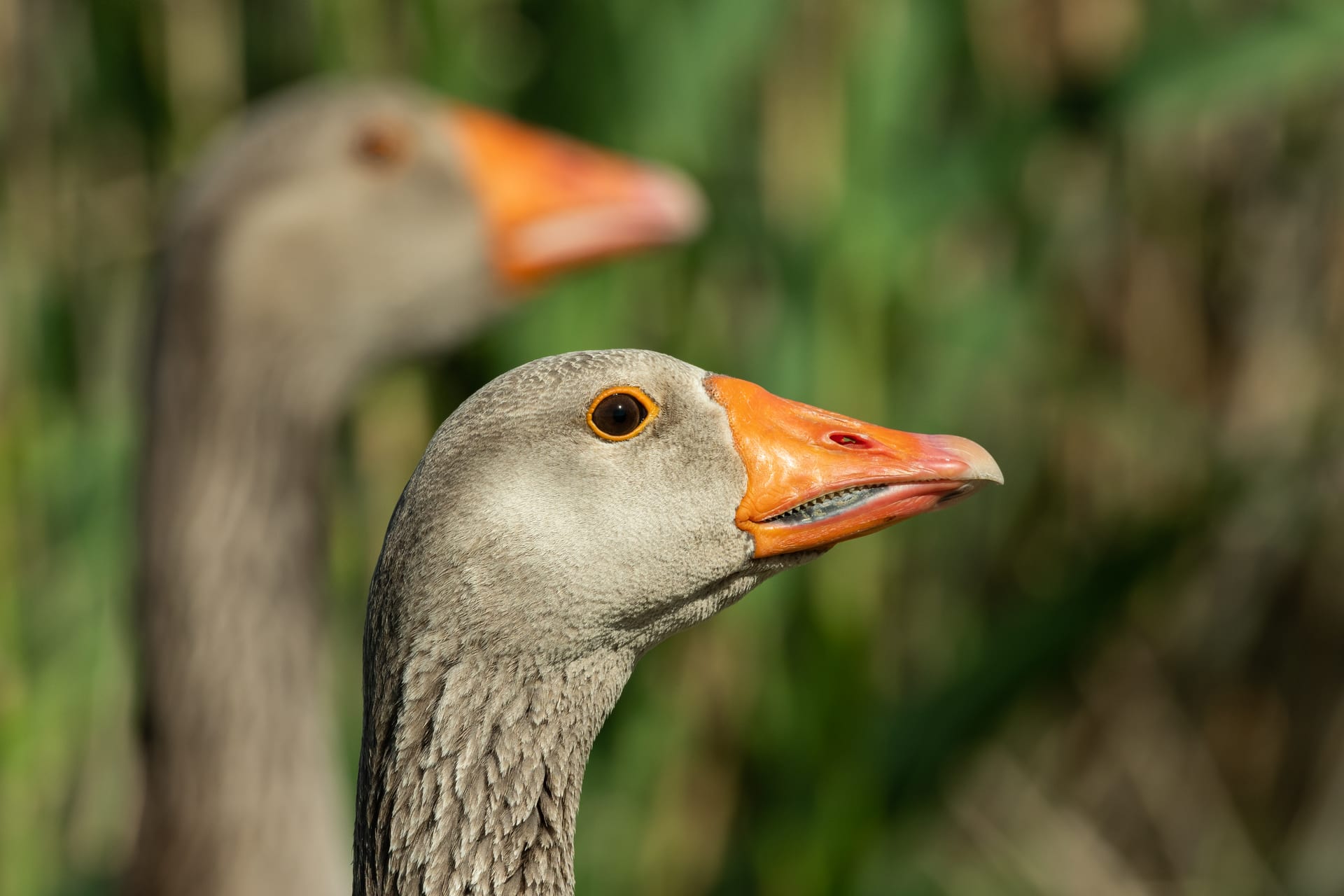
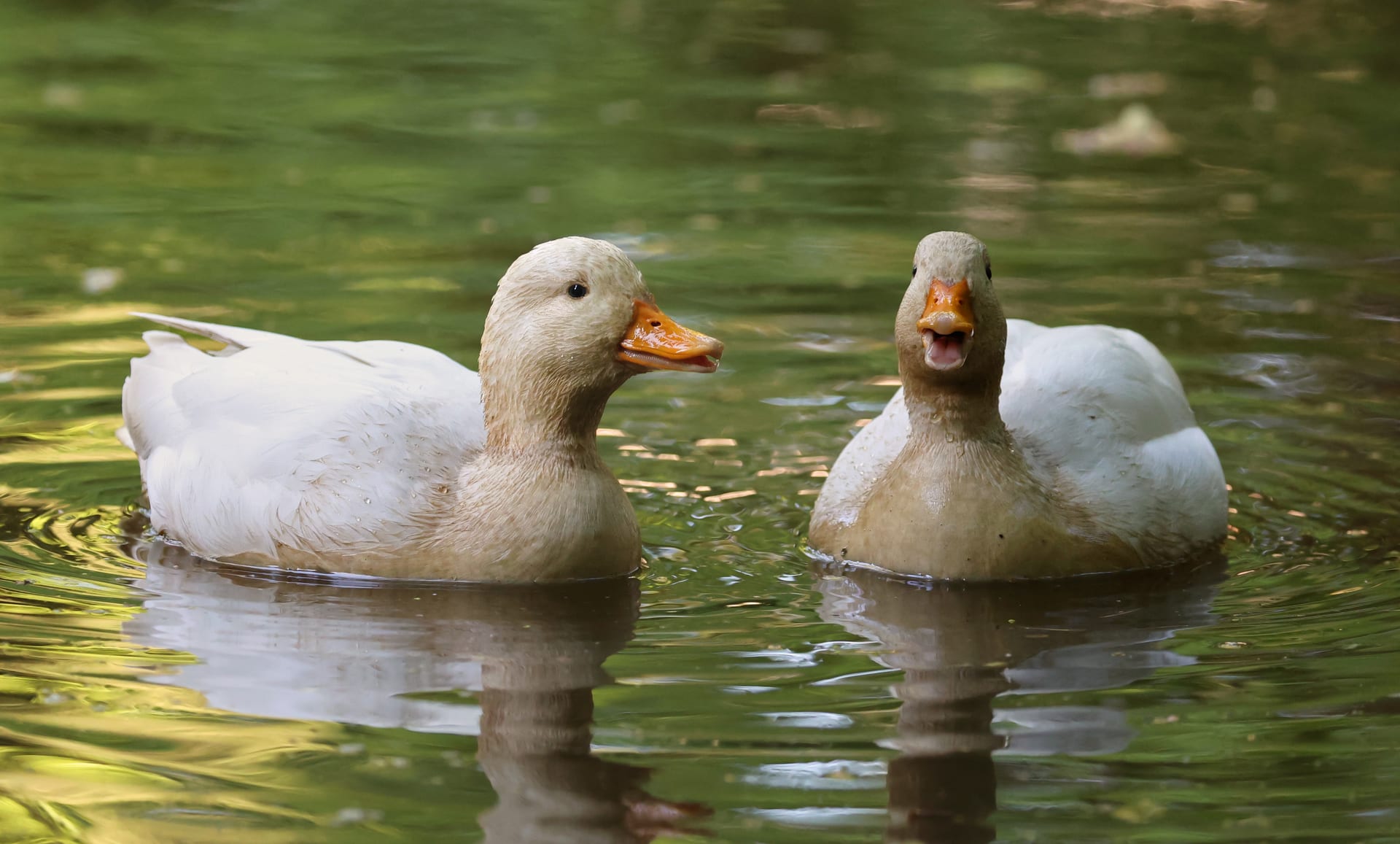
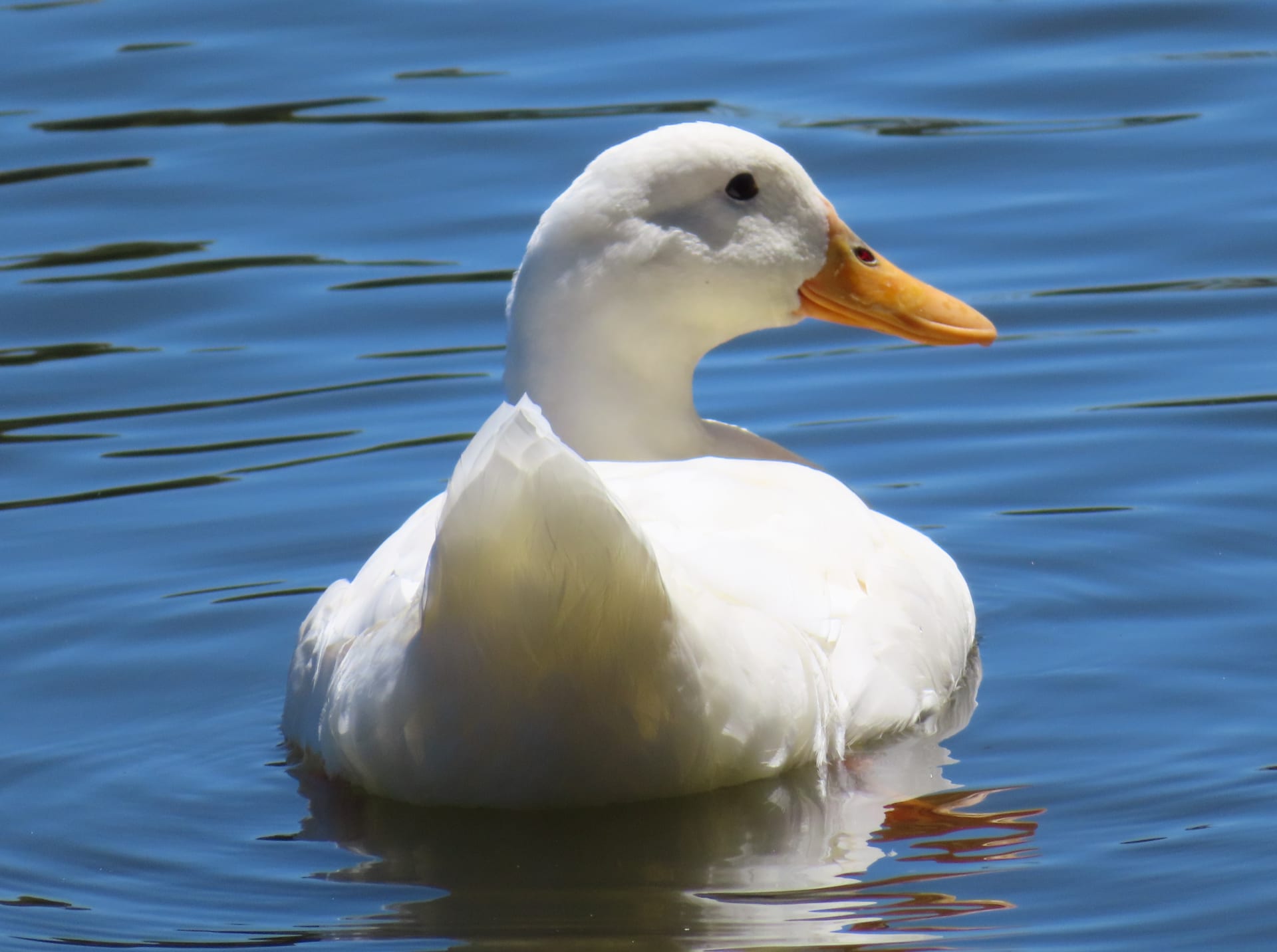
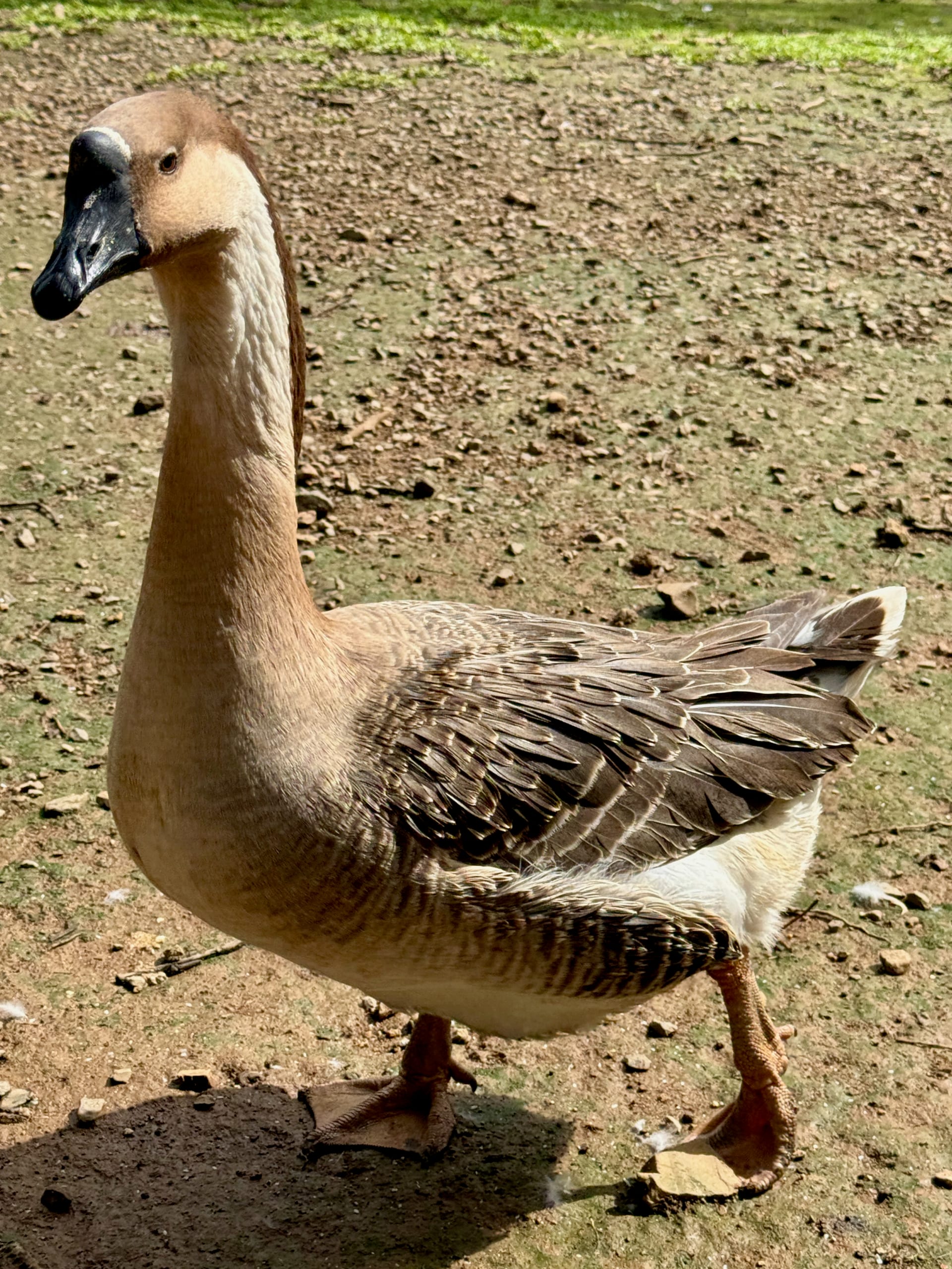
A domestic goose with a prominent knob at the base of the upper bill, bred in China from the wild swan goose. It comes in grey-brown and white and is said to be the most prolific egg layer of all goose breeds.
Difficulty
Intermediate
Temperature
15〜30℃
Lifespan
Little data
Size
Little data
Humidity
40〜60%
Diet
Mainly grass and greens, with waterfowl or poultry rations and grain
About
The Chinese goose is a domestic goose bred in China from the wild swan goose (Anser cygnoides). Most goose breeds derive from the greylag, but the Chinese is a knob goose with a prominent knob at the base of the upper bill, which separates it from European geese. China has more than twenty knob goose breeds. It was seen in Britain from the early 18th century and reached the United States later that century. It comes in grey-brown, coloured like the wild swan goose, and white; the grey-brown has a black bill and knob, the white an orange one, and the feet are always orange. Show birds have a long, slender neck. It is very watchful, loudly calling and advancing on strangers and animals, and has long been used as a guard. Flocks are also used for weeding. In the West it is regarded as a rare breed. The wild swan goose is a rare winter visitor to Japan, and wild birds may not in principle be captured or kept under the Wildlife Protection and Hunting Management Law. Birds in trade are domestic, and in Japan they are obtained from poultry dealers and fanciers.
Source: Wikipedia (CC BY-SA 4.0)
Size of the Chinese Goose
It is said to be the most prolific layer of any goose breed, laying 50-60 eggs in a season of about five months and sometimes 100, and its eggs weigh about 120 g, smaller than other geese.
Basic Info
Origin
China (domesticated from the wild swan goose)
Lifespan
Little data
Size
Little data
Temperature
15〜30℃
References & Sources
Edited & verified by: BreederDirect editorial team
The taxonomic, regulatory, and husbandry data on this page are compiled and verified against the authoritative primary sources below.
Taxonomy & Authority
Regulations & Conservation Status
Not CITES-listed
A domestic breed of the swan goose (Anser cygnoides), not listed in the CITES Appendices. Wild swan geese are rare visitors to Japan and may not in principle be caught or kept under the Wildlife Protection and Hunting Management Law; this domestic breed is outside that law. Geese are not among the animals (chickens, ducks, quail, pheasants, turkeys and others) subject to hygiene management standards under the Enforcement Order of the livestock disease law.
Sources: Enforcement Order (Article 4, animals subject to hygiene standards) / Wildlife Protection and Hunting Management Law (Article 8)
Regulations may change. Always verify the latest information with the relevant authorities.
Chinese Goose Listings
Loading latest listingsFind listings for this species