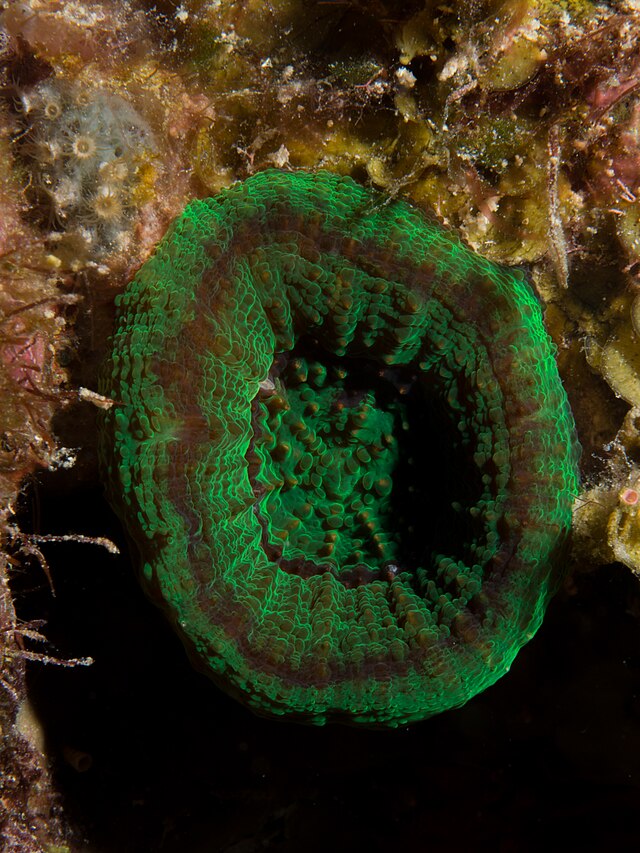
Scolymia
Scolymia is a prized large-polyp stony coral known for its single, dish-like polyp and dazzling rainbow coloration that collectors love. Because each specimen makes a striking standalone statement, it works beautifully as a centerpiece even without a large colony. It's a slow-moving, calm coral, which makes it relatively easy to keep alongside others as long as adequate spacing is maintained. Scolymia relies on both photosynthesis and liquid feeding, growing to about 5-15cm as an adult. With a lifespan of 10 years or more, it rewards patient, attentive care and suits keepers with some LPS experience.
View Scolymia encyclopedia →0% commission on your first sales!Register by September 30, 2026 and your first 2 sales are commission-free!
Breeder Wanted!
List on BreederDirect and sell directly to customers nationwide!
Br-Choku's 6 Transparency Standards
Our Breeder sellers disclose detailed care specs for all Coral listings. We prioritize Aquacultured/CB specimens, verify WYSIWYG photos, and provide difficulty ratings—avoiding wild-caught.
- Aquacultured
- WYSIWYG Photo
- Difficulty Disclosed
- Frag/Colony
- Care Info Included
- Trade name shown
Browse all 66 breeds
Difficulty
No listings match your filters
Adjust your filters, or get notified when new listings arrive.
Getting alerts is free with a member account. When new listings match your saved search, we'll notify you by email and in-app.
Browse other categories
Verified breeders (preview)
About Scolymia
Scolymia is a prized LPS coral with a striking single polyp and rainbow coloration. Living 10+ years and growing to 5-15cm, it suits intermediate-level reef keepers.
7 things to know before welcoming a Scolymia
1Placement and Water Flow
Avoid placing it in strong direct flow or intense lighting; a low position with gentle, indirect water movement suits it best. Setting it alone near a rock crevice or sandy area lets the polyp expand naturally and fully.
2Spacing from Other Corals
Because the polyp can expand quite large, contact with neighboring corals may trigger stinging aggression. Give it plenty of open space around its placement.
3Feeding Frequency and Method
While it draws energy from photosynthesis, regular liquid feeding helps maintain vibrant coloration and overall vigor. Feed when the polyp is visibly open and extended for best results.
4Stable Water Quality Matters
Scolymia is sensitive to sudden shifts in water parameters, so water changes and dosing should be done gradually. Keeping trace elements like calcium and magnesium stable also supports strong coloration.
5Acclimation After Arrival
It's especially sensitive to stress right after transport, so take time with slow, gradual drip acclimation. It's normal for the polyp to stay closed for several days after placement while it settles in.
6Growth and Lifespan
Adults typically reach about 5-15cm, growing at a gradual pace. With a lifespan of 10 years or more, it's worth setting up a stable, long-term environment from the start.
7Adjusting Light Intensity
Overly intense lighting can cause bleaching or stress, so it's best to start with light levels similar to or slightly lower than other LPS corals and adjust while observing its response.
Frequently asked questions about Scolymia
- Q.Can beginners keep Scolymia?
- A.Scolymia is generally considered suitable for intermediate-level keepers. It's best suited to those who already have some experience managing water quality and basic coral care, rather than complete beginners.
- Q.Why do some Scolymia show rainbow coloration?
- A.The variation comes from differing pigment combinations between individuals, which is part of why collectors find it so appealing. Even within the same species, each specimen can look distinctly different.
- Q.Is it safe to keep with other corals in the same tank?
- A.It can be kept alongside other corals, but since its polyp expands quite wide, adequate spacing is needed to avoid contact-related stinging issues.
- Q.What should I do if the polyp won't open?
- A.It's common for the polyp to stay closed for several days to a week after arrival or an environment change as part of acclimation, which is usually not a concern. If it stays closed much longer, review water quality, flow, and lighting.
- Q.Is Scolymia subject to CITES?
- A.Scolymia is not subject to CITES, so no special procedures are required in that regard.
Useful tools for Scolymia care
Learn more about Scolymia in the encyclopedia
View Scolymia encyclopedia entry →
Care difficulty, lifespan, size and diet — all basics covered.
Scolymia related articles
Scleromia (Lobophyllia) Care Guide | Lighting, Water Flow, Target Feeding, and Frag Propagation
A comprehensive guide to Scleromia (Scolymia) care. Covers proper water chemistry parameters (KH, Ca, Mg, nutrients), photoacclimation with low-to-moderate lighting, gentle indirect water flow settings, target feeding techniques (1-2 times per week), frag propagation methods, and troubleshooting for closed polyps, RTN (Rapid Tissue Necrosis), and other common issues. A practical intermediate-level guide.
Brain Coral Care Guide | Open Brain / Lobophyllia / Trachyphyllia
Complete guide to raising brain corals. For each type of open brain coral (Trachyphyllia, Lobophyllia, and Scolymia), we introduce beginner-friendly explanations of characteristics, lighting, water flow, placement, and feeding methods.
More in this category
Can't find the one you're looking for?
Post your wishes for free and breeders with matching animals will contact you with introductions.