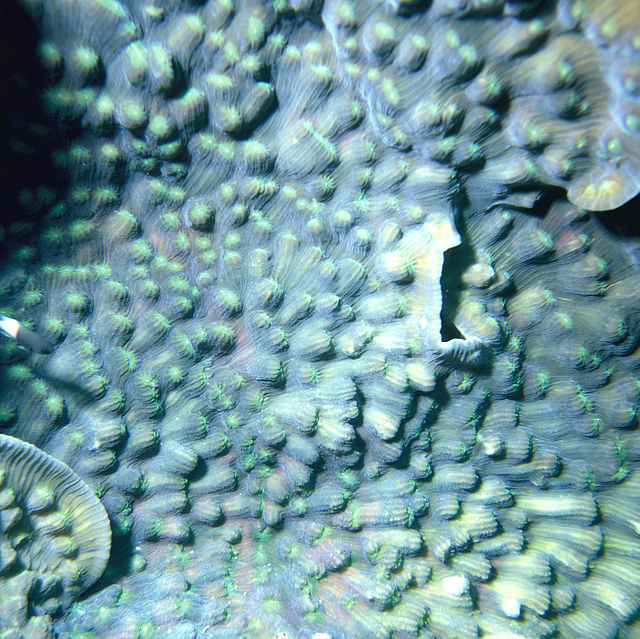
 © The original uploader was Albert Kok at Dutch Wikipedia . ( Original text: Albert Kok ) / Public domain
Chalice Coral
Chalice Coral is a species of LPS (Large Polyp Stony) coral that grows outward in flat, plate-like formations. Each colony develops unique eye-like patterns and vivid fluorescent colors, making it a favorite among coral collectors. As it grows, it spreads and layers horizontally, becoming a striking centerpiece in any reef tank. While it gains most of its nutrition through photosynthesis, supplemental feeding can enhance its coloration and growth. Chalice Coral is best suited to intermediate-level keepers, but with proper care, it can thrive and retain its beauty for many years.
View Chalice Coral encyclopedia →0% commission on your first sales!Register by September 30, 2026 and your first 2 sales are commission-free!
Breeder Wanted!
List on BreederDirect and sell directly to customers nationwide!
Br-Choku's 6 Transparency Standards
Our Breeder sellers disclose detailed care specs for all Coral listings. We prioritize Aquacultured/CB specimens, verify WYSIWYG photos, and provide difficulty ratings—avoiding wild-caught.
- Aquacultured
- WYSIWYG Photo
- Difficulty Disclosed
- Frag/Colony
- Care Info Included
- Trade name shown
Browse all 66 breeds
Difficulty
No listings match your filters
Adjust your filters, or get notified when new listings arrive.
Getting alerts is free with a member account. When new listings match your saved search, we'll notify you by email and in-app.
Browse other categories
Verified breeders (preview)
About Chalice Coral
Chalice Coral is a flat, plate-shaped LPS coral prized for its unique eye-like patterns and fluorescent colors. Best suited to intermediate keepers, it can thrive long-term with proper care.
7 things to know before welcoming a Chalice Coral
1Intermediate-Level Care
Chalice Coral is generally recommended for intermediate-level aquarists, as it requires some experience managing water quality and lighting. It is sensitive to sudden changes in water parameters, so maintaining a stable environment is important.
2Avoid Overly Strong Light
Excessive lighting can cause the polyps to shrink or lose color. Position it in an area with moderate to slightly lower light intensity within the tank, and adjust based on how it responds.
3Prefers Gentle Water Flow
Chalice Coral does not tolerate strong direct water flow well, which can damage its tissue. Choose a spot with gentle, indirect flow instead.
4Space From Other Corals
As it grows, Chalice Coral spreads outward, so it needs adequate space from neighboring corals. Watch for stinging tentacles or chemical aggression that can cause conflicts between colonies.
5Feeding Boosts Coloration
While it gets most of its nutrition from photosynthesis, offering fine particulate food can improve growth and coloration. Feeding isn't mandatory but can be introduced based on how the coral responds.
6Growth and Adult Size
A mature colony can spread to around 10-30cm, growing gradually from a smaller starting piece. Plan its placement with future space needs in mind.
7Preparing Your Tank Before Arrival
Before bringing one home, make sure water parameters such as calcium, KH, and magnesium are stable. Acclimating it carefully to its new environment helps reduce stress.
Frequently asked questions about Chalice Coral
- Q.Is Chalice Coral suitable for beginners?
- A.It's generally considered a coral for intermediate-level keepers, requiring some knowledge of water quality and lighting management. It's best attempted after gaining some basic coral-keeping experience.
- Q.What water flow and lighting does it need?
- A.Chalice Coral prefers gentle water flow and moderate lighting, as strong flow or intense light can be harmful. Fine-tune placement based on how the coral responds.
- Q.Does it need to be fed?
- A.It gets most of its nutrition through photosynthesis, but offering fine particulate food can improve coloration and growth. Feeding is optional, not required.
- Q.How large does it grow?
- A.A mature colony can spread to around 10-30cm. Make sure to leave adequate space from neighboring corals as it grows.
- Q.Are there any legal regulations?
- A.Chalice Coral is not subject to CITES.
Useful tools for Chalice Coral care
Learn more about Chalice Coral in the encyclopedia
View Chalice Coral encyclopedia entry →
Care difficulty, lifespan, size and diet — all basics covered.
Chalice Coral related articles
Care Guide for Chalice Corals (Echinophyllia) | Intermediate Guide to Lighting, Water Flow, and Color Enhancement for LPS
Detailed guide on caring for Chalice Corals (Echinophyllia/Oxypora). Covers proper lighting intensity, water flow settings, feeding, and fragging—key points for intermediate aquarists to maintain them long-term.
SPS Coral Beginner's Guide | Acropora and Chalice Coral Care and Water Quality Management
Detailed guide to water quality parameters, lighting (PAR values), and water flow settings required for SPS coral care (Acropora, Montipora, etc.). Includes RTN/STN prevention strategies and step-by-step introduction methods.
More in this category
Can't find the one you're looking for?
Post your wishes for free and breeders with matching animals will contact you with introductions.