Xenia Coral Care Guide | The Allure of Pulsing Soft Corals and Tank Management Tips
A comprehensive guide to caring for Xenia, the pulsing soft coral popular in reef tanks. Covers rapid propagation control, proper water flow and light intensity settings, water quality parameters, trimming and fragging procedures, and precautions for coexisting with other corals.
Key Takeaways
A comprehensive guide to caring for Xenia, the pulsing soft coral popular in reef tanks. Covers rapid propagation control, proper water flow and light intensity settings, water quality parameters, trimming and fragging procedures, and precautions for coexisting with other corals.
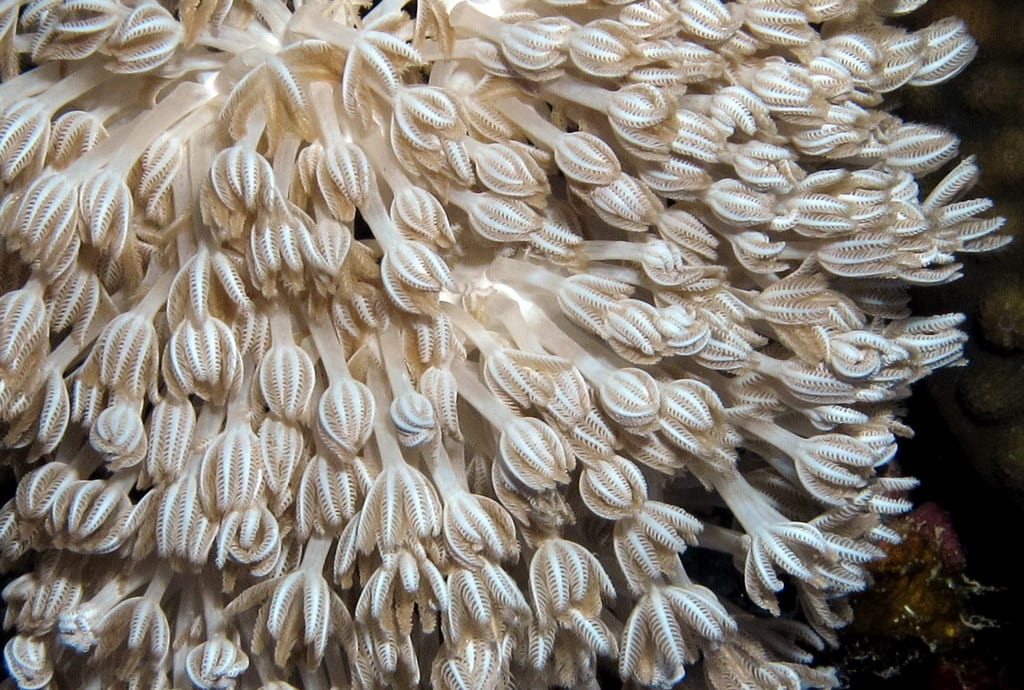
Xenia is a soft coral known for its characteristic "pulsing" behavior, where polyps repeatedly open and close in a rhythmic pattern. This unique rhythmic movement brings a lively sense of vitality to reef tanks and is beloved by aquarists of all levels, from beginners to advanced keepers. This article provides detailed information about Xenia's ecology, husbandry requirements, propagation management, and important considerations.
✍️
BreederDirect Editorial
The BreederDirect editorial team specializes in care information for animals, covering veterinary care and breeding to deliver beginner-friendly guides.
Find Coral on BreederDirect
Buy directly from verified breeders
Browse Related Listings
Find Coral listings related to this article on BreederDirect. Buy directly from verified breeders.
Related Tools
Related Articles
Browse by Category
🪸Coral
🐠Marine Fish
🐟Tropical Fish
🐡Goldfish
🐟Medaka
🦎Reptiles
Share
What Kind of Coral is Xenia?
Xenia is a soft coral belonging to the family Xeniidae and order Alcyonacea, widely distributed throughout the Indian Ocean, Pacific Ocean, Red Sea, and beyond. The following are representative species commonly encountered:
Xenia umbellata (Umbrella Xenia): The most commonly traded species, available in white, cream, and pink colors. Polyp pulsing is exceptionally distinct.
Xenia elongata (Elongated Xenia): Features slender, elongated polyps with a more delicate appearance.
Heteroxenia spp. (Heteroxenia): Closely related to Xenia with similar pulsing behavior, but classified in a different genus.
Characteristic Pulsing Behavior: Xenia polyps repeatedly open and close at a frequency of dozens to over 100 times per minute. This movement occurs spontaneously and independently of water flow, and is believed to serve functions such as enhancing photosynthetic efficiency and creating water movement to promote gas exchange. However, pulsing may stop under stress or in environments where light intensity and water quality are suboptimal.
Photosynthesis and Symbiotic Algae (Zooxanthellae): Xenia relies on symbiotic zooxanthellae for nutrition through photosynthesis. Unlike other LPS corals and similar species, Xenia requires little to no supplemental target feeding.
Required Husbandry Conditions
Tank Size
Xenia can be kept in tanks ranging from small aquariums (20L+) to large reef systems. However, due to its rapid propagation, management in smaller tanks can become challenging. A tank of 30cm or larger is recommended.
Water Quality Parameters
Compared to other corals, Xenia is somewhat sensitive to water quality.
Specific Gravity (Salinity): 1.023–1.026 (natural seawater values are ideal)
Water Temperature: 24–27°C
pH: 8.1–8.3
KH (Carbonate Hardness): 8–12 dKH. KH stability is critical; rapid fluctuations cause polyp recession and bleaching.
Calcium (Ca): 380–450 mg/L
Magnesium (Mg): 1,250–1,350 mg/L
Ammonia/Nitrite: Always zero
Nitrate: 10 mg/L or below is ideal. However, Xenia often survives in moderately elevated nitrate environments.
Phosphate: 0.05–0.1 mg/L or below. In extremely low ultra-oligotrophic conditions, zooxanthellae decline and pulsing may stop.
Lighting
Xenia requires moderate light intensity.
Recommended Light Intensity: PAR 50–200. Excessive high-intensity light (PAR 300+) causes bleaching and recession.
Light Type: LED lights (blue-white spectrum) or T5 fluorescent bulbs are both suitable.
Photo-acclimation: When introducing new Xenia, begin with low light intensity and gradually acclimate to target light levels over 2–3 weeks.
Water Flow
Xenia benefits from moderate, indirect water flow.
Recommended Flow: Gentle to moderate turbulent flow (avoid strong direct flow).
Flow Pumps: Wave makers or controller-equipped pumps that create natural surge patterns work well. Direct water flow on polyps causes recession and damage.
Propagation Management (Critical)
Xenia's defining characteristic and greatest challenge is its explosive growth rate. Under favorable conditions, colonies double within weeks and can overgrow an entire rockscape.
Reproduction Mechanism
Xenia reproduces through both sexual reproduction (spawning) and asexual reproduction (budding and fragment regeneration). Small fragments that attach to live rock develop into independent colonies.
Trimming Methods
Timing: Begin trimming once the colony exceeds 20–30% of the tank volume.
Method:
Use clean scissors or a sharp blade to cut the colony.
Place cut fragments in a bag for disposal or transfer to a separate tank.
Cut ends release a milky mucus immediately, which typically stops within minutes.
Perform a water change to stabilize water quality.
Important: Any cut fragments left in the tank will reattach to live rock or substrate and regenerate. Remove all fragments completely.
Preventing Uncontrolled Spread
Careful placement is essential to prevent uncontrolled spreading.
Place on isolated live rock pieces that don't contact other rockwork
Mount on small plug-sized rocks for easy repositioning and management
Avoid direct attachment to glass panels to prevent scratching
Coexistence with Other Corals
Combinations Requiring Caution
Contact with LPS/SPS Corals: As Xenia expands, direct contact with other corals can cause physical and chemical damage. Maintain adequate spacing.
Allelopathy (Chemical Warfare): Xenia releases allelopathic compounds that may inhibit growth of nearby corals. Regular activated carbon use can mitigate this risk.
Compatible Corals
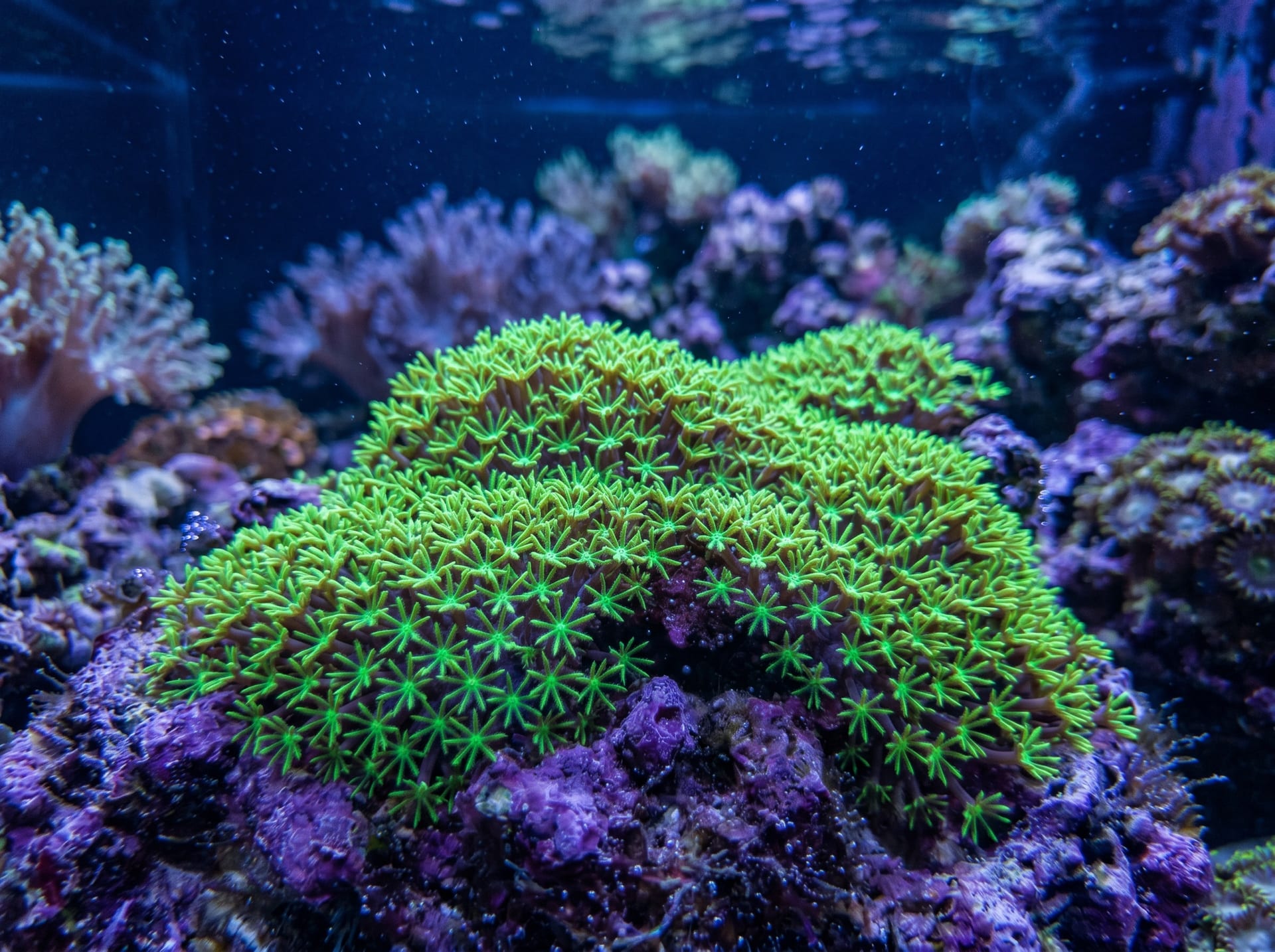
Star polyps (Clavularia), mushroom corals (Ricordea), and other hardy soft corals coexist relatively well with Xenia.
Health Assessment
Signs of Good Health
Polyps are pulsing (especially when lights are on)
Polyps extend fully and appear inflated
Colors are vivid (white, cream, pink, pale green, etc.)
Colony spreads steadily
Signs of Problems
Stopped Pulsing: Often caused by declining water quality (especially KH drop or nitrate rise), lighting changes, or temperature shock. Check water parameters first.
Melting/Recession (RTN/STN-like): Sudden water quality deterioration causes the colony to melt away. Immediate water changes and activated carbon use are required.
Bleaching/Discoloration: Caused by excessive light or zooxanthellae loss. Reduce light intensity and monitor recovery.
Excessive Mucus: Common after stress or shipping. Typically resolves within days.
Frequently Asked Questions
Q: My Xenia stopped pulsing. What should I do?
A: First, check water parameters (KH, pH, nitrate, phosphate, specific gravity). KH decline is the most common cause. Next, review lighting intensity and photoperiod. If conditions stabilize, pulsing typically resumes within days to a week.
Q: My Xenia is melting. Can I save it?
A: Perform an immediate partial water change (about 30%) and use activated carbon. If portions remain unaffected, isolating them in a separate tank is an option. Resolving the underlying water quality issue is the top priority.
Q: My Xenia has overgrown the tank. Can I remove it completely?
A: Xenia has exceptional regenerative power, making complete eradication difficult. Removing affected live rock and scrubbing with a brush is relatively effective. However, microscopic fragments may persist and regenerate, so ongoing management is necessary.
Xenia is beautiful with its distinctive pulsing behavior and is enjoyable even for beginners when properly managed. While aggressive propagation is a challenge, controlling this growth is part of the rewarding experience of coral keeping. Through BreederDirect, you can connect directly with breeders who specialize in soft corals including Xenia, allowing you to consult in detail about health status and propagation potential before purchase.