Tube Coral (Tubastraea) Care Guide | Long-term Maintenance of Light-Free NPS Corals through Proper Feeding and Environmental Setup
A comprehensive guide to caring for Tube Corals (Tubastraea genus, Sun Corals). Learn the characteristics of non-photosynthetic NPS corals, and master proper feeding frequency, target feeding, water flow, and lighting setup, plus practical solutions to common beginner mistakes.
Key Takeaways
A comprehensive guide to caring for Tube Corals (Tubastraea genus, Sun Corals). Learn the characteristics of non-photosynthetic NPS corals, and master proper feeding frequency, target feeding, water flow, and lighting setup, plus practical solutions to common beginner mistakes.
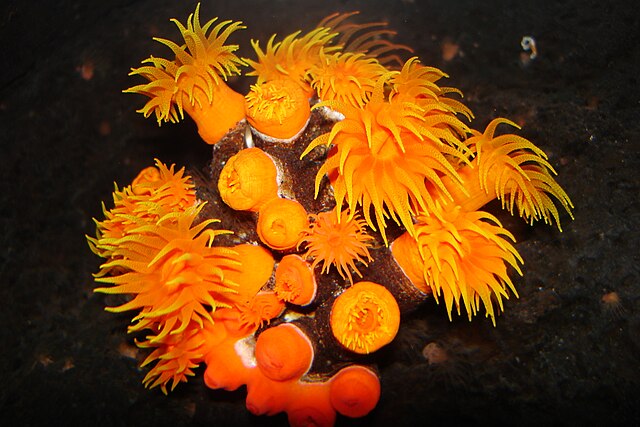
Tube Corals (Tubastraea species) are LPS corals distinguished by vibrant tube-shaped polyps in shades of orange, yellow, black, and green. Commonly called "Sun Corals," they are popular in aquarium displays, but they require a fundamentally different care approach than photosynthetic corals. This article details how to maintain Tubastraea beautifully over the long term.
✍️
BreederDirect Editorial
The BreederDirect editorial team specializes in care information for animals, covering veterinary care and breeding to deliver beginner-friendly guides.
Find Coral on BreederDirect
Buy directly from verified breeders
Browse Related Listings
Find Coral listings related to this article on BreederDirect. Buy directly from verified breeders.
Tube Corals are hard corals (scleractinian corals) classified in the order Scleractinia, family Dendrophylliidae. They are widely distributed in tropical and subtropical oceans worldwide, preferring low-light environments such as caves, under rocks, and sunken wrecks.
Key characteristics
Non-photosynthetic (NPS: Non-Photosynthetic Coral): They lack symbiotic zooxanthellae and do not depend on light energy
Vibrant tube-shaped polyps: Polyps are often closed during the day and open at night or when feeding
Skeletal formation: Distinctive branching tube-like skeleton structure. Colonies grow slowly over time
Common species: Tubastraea coccinea (orange), Tubastraea micrantha (black/green), Tubastraea faulkneri (yellow), and others
Unlike photosynthetic corals, tube corals obtain all nutrition through feeding. This is both the challenge and the reward of keeping them.
Setting Up the Aquarium Environment
Lighting
Since tube corals are non-photosynthetic, strong lighting is not required. In fact, excessive light can cause polyps to remain closed and reduce feeding response.
Recommended light level: Low to moderate (below 50–150 PAR, positioned in shaded areas)
Ideal placement: Under rock overhangs, in cave structures, or in the shade of live rock
Lighting schedule: No special requirements, though polyps tend to open more readily at night. Evening feeding (after lights off) often produces better feeding response
Tube corals placed under intense light will have poor polyp extension, poor feeding response, and may eventually decline. Always position them in shaded areas.
Water Flow
Appropriate water flow for tube corals is "moderate indirect flow."
Purpose: Removes debris and mucus, delivers fresh seawater around the polyps
Ideal strength: Polyps should sway gently (excessive flow causes them to close)
Flow direction: Indirect flow from around rocks rather than direct blast
Use a wavemaker on random mode to create even circulation throughout the tank.
Water Quality Parameters
While tube corals are relatively hardy NPS corals, they require stable water conditions.
Parameter
Target
Temperature
24–27°C
Specific Gravity
1.025–1.026
pH
8.1–8.3
Alkalinity (KH)
8–11 dKH
Calcium (Ca)
380–450 ppm
Magnesium (Mg)
1,250–1,350 ppm
Nitrate (NO₃)
~20 ppm (lower is better, but moderate levels acceptable)
While not as strict as SPS requirements, avoid sudden parameter swings.
Feeding: The Most Critical Aspect of Tube Coral Care
The success or failure of tube coral keeping hinges almost entirely on feeding. Since they cannot photosynthesize, the aquarist must supply all nutrition.
Feeding Frequency and Food Types
Frequency: 3–7 times per week (daily feeding is ideal, adjust based on tank conditions and individual response)
Food types:
Frozen newly-hatched brine shrimp
Frozen copepods and rotifers
Frozen mysis shrimp (chop if pieces are too large)
Finely chopped frozen shrimp or mussel (small quantities)
Choose food size appropriate to polyp size. T. coccinea (small polyps) require fine foods, while T. micrantha (larger polyps) accept slightly larger pieces.
Target Feeding Technique
Target feeding (using a pipette or syringe to deliver food directly to polyps) is the standard method.
Pause the water pump (stop flow during feeding for 10–20 minutes)
Wait for polyps to open (dim lights slightly, or add a small amount of liquid food first to trigger polyp extension)
Use a pipette or syringe to deliver food to the polyp mouth (successful feeding occurs when the polyp draws in food)
Restart the pump after 20–30 minutes
Remove uneaten food with a protein skimmer or in the sump (prevents organic buildup)
Feed only the amount the coral can consume. Excess food degrades water quality rapidly.
Feeding Tips
If polyps won't open:
Stop the water flow and wait
Dim or turn off the lights
Add a small amount of slightly diluted liquid food to stimulate their olfactory senses
Check for sudden temperature changes
Acclimated corals often sense the aquarist's presence or recognize pre-feeding routines (like turning off the pump) and will open polyps voluntarily.
Common Beginner Mistakes
1. Inconsistent Lighting or Overly Bright Placement
Though low light is ideal, placing a coral in complete darkness from the start may dull its coloration. Position it where it receives some gentle indirect light, and adjust placement through trial and error.
2. Underfeeding or Neglect
Tube corals cannot survive without food. Environments where feeding is impossible for more than a week (vacations, busy periods) are unsuitable. Consider auto-feeders or delegating care to a trusted person.
3. Continuous Protein Skimmer Operation
Running the protein skimmer at full power immediately after feeding removes the nutrients you just supplied. Stop or reduce the skimmer for 2–4 hours after feeding.
4. Excessive Water Flow
Overly strong flow keeps polyps closed continuously, preventing feeding. Use indirect or random flow patterns.
The Appeal of Tube Corals and Purchasing Tips
With proper care, tube corals provide enjoyment for many years. The sight of polyps opening simultaneously at night is truly magical and reveals the joy of reef keeping.
Identifying healthy individuals
Polyps fully extended or responsive to stimulation
Skeleton with minimal brown organic buildup
Multiple polyps opening and closing uniformly
At BreederDirect, healthy tube corals maintained by breeders are available directly from the source. Before purchasing, confirm polyp condition and breeder tank parameters to ensure a smooth transition. Enjoy a unique reef tank filled with the distinctive beauty of vibrant Tubastraea corals—without the need for light.