Porites (Favia) Care Guide | How to Keep Massive Corals and Tips for Long-Term Maintenance
Porites (Favia) are among the most hardy massive corals, suitable for both SPS and LPS aquarists. This guide covers care methods enjoyable by both beginners and experts, including water parameters, lighting and flow settings, and detailed explanations of color changes and how to address them.
Key Takeaways
Porites (Favia) are among the most hardy massive corals, suitable for both SPS and LPS aquarists. This guide covers care methods enjoyable by both beginners and experts, including water parameters, lighting and flow settings, and detailed explanations of color changes and how to address them.
What Are Porites (Favia)?
✍️
BreederDirect Editorial
The BreederDirect editorial team specializes in care information for animals, covering veterinary care and breeding to deliver beginner-friendly guides.
Find Coral on BreederDirect
Buy directly from verified breeders
Browse Related Listings
Find Coral listings related to this article on BreederDirect. Buy directly from verified breeders.
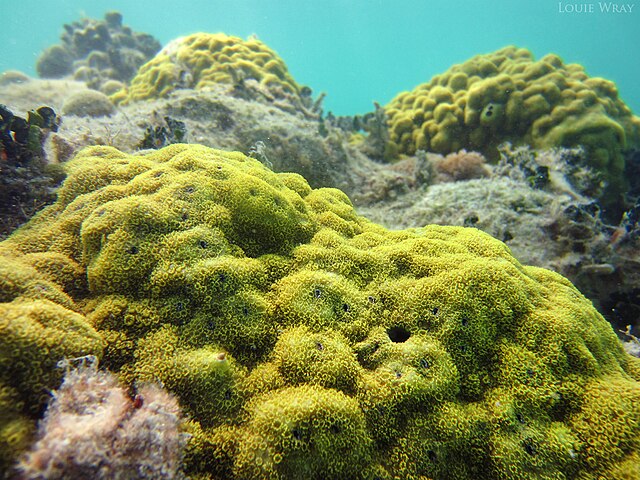
Porites (Porites genus) are among the most fundamental reef-building corals that form coral reefs. In Japan, they are known as Favia or branching Favia, and are widely distributed from shallow reef slopes in tropical and subtropical regions to depths exceeding 30 meters. Their defining characteristics are forming "massive" skeletal structures with countless tiny polyps densely packed together, and being remarkably long-lived corals, with some colonies said to live for centuries.
In the aquarium trade, specimens typically have relatively modest coloration, with brown, green, and purple being common. However, some morphs develop vibrant orange or yellow coloration when exposed to strong lighting and low-nutrient environments, making them highly prized among enthusiasts. Compared to LPS and SPS corals, Porites have a lower care difficulty level, and with proper water quality maintenance, even beginners can achieve success with long-term husbandry.
Water Parameter Management
Porites adapt to a wide range of water conditions, but aim for the following target parameters for healthy growth:
Salinity (specific gravity): 1.025–1.026
Temperature: 24–27°C (brief periods at 28°C in summer are tolerable, but prolonged exposure should be avoided)
KH (alkalinity): 8–10 dKH
Calcium: 380–450 mg/L
Magnesium: 1250–1350 mg/L
Nitrate: 5–20 mg/L (excessively low nutrient levels cause discoloration)
Phosphate: 0.05–0.1 mg/L
Porites can adapt to moderately high nutrient environments, but bleaching will begin when nitrate exceeds 50 mg/L. Conversely, in extremely low-nutrient "ULNS (ultra-low nutrient system)" environments, color fading and browning are common. If running a ULNS system for a dedicated SPS aquarium, providing light supplemental feeding specifically for Porites will help maintain their coloration.
Lighting and Flow Settings
Porites harbor zooxanthellae and obtain most of their energy through photosynthesis, requiring adequate light. However, they are not as dependent on intense light as other SPS corals such as Acropora.
Lighting guideline: A PAR value of approximately 150–350 is appropriate. When using suspended LEDs above the aquarium, positioning them at a depth of 20–30 cm will typically fall within this range. Prolonged insufficient light causes skeletal contraction and polyp extension reduction. Conversely, excessive light can cause bleaching, making gradual light acclimation important.
Flow: Moderate flow from multiple directions is ideal, rather than unidirectional flow. Excessive direct current can cause polyp retraction, so creating indirect, undulating flow with a circulation pump is recommended.
Placement and Coexistence with Other Corals
With their massive structure, Porites have limited ability to extend sweeper tentacles to attack neighboring corals. However, due to their slower growth, they are easily outcompeted. Place them at least 10 cm away from LPS corals with long tentacles, such as Euphyllia species (hammer and torch corals).
They are also susceptible to soft coral allelopathy (chemical attack), so placement near leather corals (Sinularia genus) or tubastraea should be avoided. The ideal placement is on sand bed or secured on a low rock formation in the mid-water column or below.
Feeding and Supplemental Nutrition
Porites can obtain basic energy through photosynthesis alone, but supplemental feeding improves growth rate and coloration. Recommended feeding methods include:
Microplankton-based liquid foods (ReefRoids, Benereefs, etc.) dosed 2–3 times weekly via spot feeding
Live copepods added regularly promote active polyp extension
Amino acid supplements (Reef Energy, etc.) dosed regularly in small amounts reportedly improve coloration
After feeding, temporarily reduce flow to allow food to settle on the skeleton, then return to normal flow after a few minutes.
Color Changes: Meanings and Solutions
When Porites appear brown, it indicates increased zooxanthellae, which is not necessarily unhealthy but signals that lighting may be insufficient or nutrient levels too high. Try improving by increasing light and reducing nutrients (through water changes and enhanced skimming).
If bleaching begins, it likely results from elevated temperature, excessive light, or rapid water quality changes. Check temperature first and prioritize restoring a stable 25–26°C environment. Partial bleaching can be stopped, but widespread bleaching is difficult to reverse.
Excessive mucus production signals coral stress. This can result from rapid pH or salinity changes following water changes or accidental chemical addition. Quickly check water parameters and remove the cause.
Summary: Key Points for Long-Term Porites Husbandry
While unassuming in appearance, Porites are beautiful corals that quietly maintain their elegance in the aquarium as a structural foundation. The key to success is consistently maintaining stable water quality, adequate lighting, and appropriate flow. By making KH and calcium testing routine, performing weekly partial water changes, and cleaning filters and skimmers monthly, long-term Porites husbandry of 10+ years is entirely achievable. Embrace these massive corals as the "foundation stones" of your reef tank and experience the joy of recreating a natural coral reef at home.