Pencil Fish (Nannostomus spp.) Complete Care Guide | Species, Water Conditions, Schooling, and Breeding
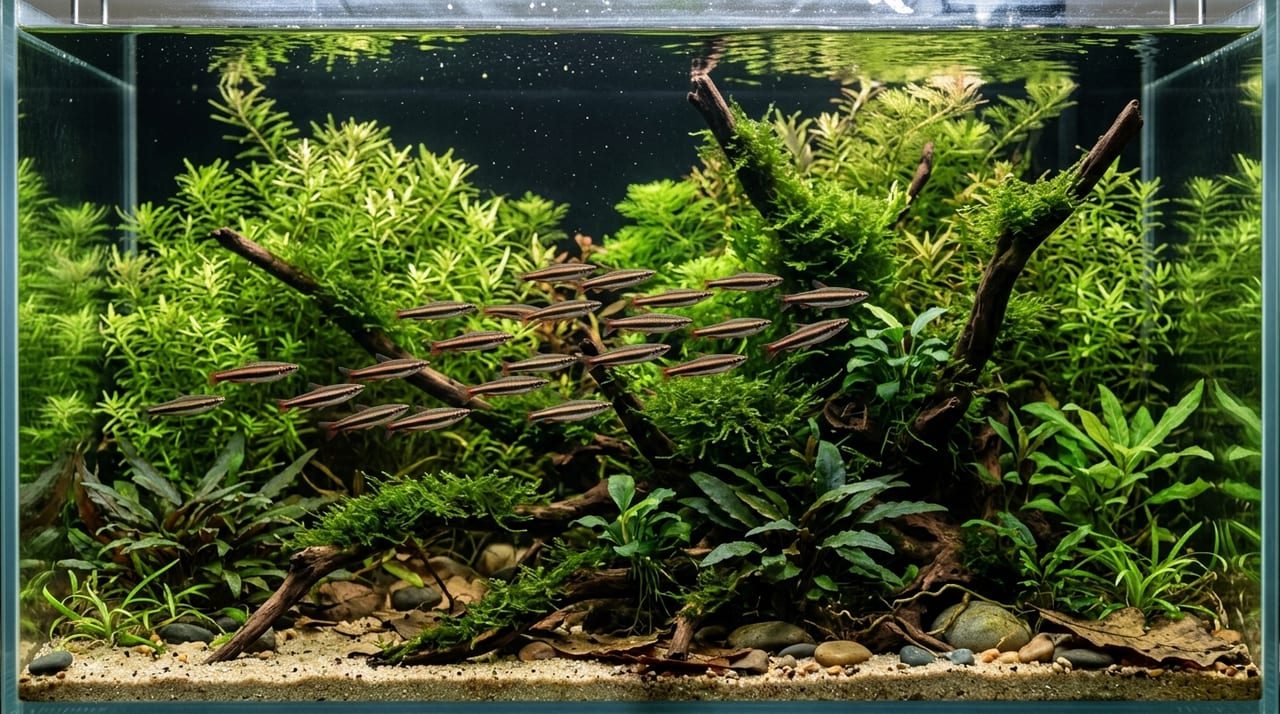
Pencil fish (Nannostomus spp.) with their slender bodies and beautiful stripes are ideal tropical fish for serene Amazon-style planted aquariums. This comprehensive guide covers everything from species identification and appearance to creating soft water and low pH, managing multi-species schooling, and spawning techniques for breeding. Learn the fundamentals and advanced care of pencil fish in detail.
Key Takeaways
Pencil fish (Nannostomus spp.) with their slender bodies and beautiful stripes are ideal tropical fish for serene Amazon-style planted aquariums. This comprehensive guide covers everything from species identification and appearance to creating soft water and low pH, managing multi-species schooling, and spawning techniques for breeding. Learn the fundamentals and advanced care of pencil fish in detail.
Related Species
Pencil fish (Nannostomus spp.) are small characins native to South America's Amazon basin, characterized by pencil-thin bodies and vivid stripes along their sides. Their graceful schooling behavior complements planted aquariums beautifully, creating a serene and tranquil aquascape. These popular fish are prized for their breeding potential and are particularly favored by enthusiasts of low-pH and blackwater setups.
Representative Species and Identification
Eques (Samurai Pencil / N. eques): 1.6–2 inches (4–5 cm) long. The lower half of the body is red-orange, with a thick stripe running from the snout to the tail fin. Characterized by a unique swimming posture, hovering near the water surface at a 45-degree angle. The most commonly available species in the aquarium trade.
Beckfordi (Beckford's Pencil / N. beckfordi): Approximately 2.4 inches (6 cm) long. A medium-sized species with a silver body and reddish-brown vertical stripes. Highly adaptable and can adjust to non-soft water conditions, making it suitable for beginners.
Espei (One-Line Pencil / N. espei): Approximately 1.4 inches (3.5 cm) long. Similar in coloration to eques but smaller with finer stripes. Well-suited for nano tanks and small aquariums.
Trifasciatus (Three-Line Pencil / N. trifasciatus): Approximately 2.4 inches (6 cm) long. Features three black stripes along the dorsal and ventral surfaces, with reddish coloration between the lines. A strikingly beautiful species.
Harrisoni (Harrisson's Pencil / N. harrisoni): One stripe along the dorsal surface. Males display vibrant coloration during breeding season and are highly ornamental.
All species display a "night pattern"—horizontal stripes and spot markings—during nighttime hours. Observing this color change is a sign of minimal stress.
Tank Setup and Water Parameters
Tank Size: While they can be kept in small tanks of 10–20 liters, 30–60 liters is ideal for enjoying their beautiful schooling behavior. A cover is essential, as they are prone to jumping out.
Water Parameters: Their natural habitat is blackwater environments (rich in organic matter, pH 4–6, TDS 10–30). In the aquarium, aim for:
- pH: 5.5–7.0 (5.5–6.5 recommended if breeding)
- Hardness: GH 1–5 (soft water)
- Temperature: 75–82°F (24–28°C)
To create soft water, use reverse osmosis water or commercial soft-water additives. Peat moss, Indian almond leaves, and driftwood can be placed in the filter or tank to lower pH and add blackwater components (humic acids and tannins).
Filtration: Small sponge filters or reduced-flow external filters work best. Pencil fish dislike strong currents; direct the outflow toward the tank wall to create gentle circulation.
Lighting: They prefer dimmer conditions. Create shaded areas with plants (floating plants or shade-loving species) or reduce lighting intensity. Floating plants like frogbit are particularly effective.
Feeding
Because their mouths are small, feeding should focus on fine-grained foods.
- Dry Foods: Powdered flakes and micro pellets
- Frozen Foods: Frozen brine shrimp (thawed before feeding), frozen daphnia, bloodworms (finely chopped)
- Live Foods: Freshly hatched brine shrimp nauplii, infusoria
Feed once or twice daily, offering only what can be consumed in 3–5 minutes. Remove uneaten food immediately to prevent water quality deterioration.
Tankmate Compatibility
Pencil fish are docile and peaceful, compatible with many small fish species. However, observe these guidelines.
Same or Related Species Schooling: Keeping six or more of the same species promotes natural schooling behavior. When mixing species, maintaining equal numbers per species is ideal.
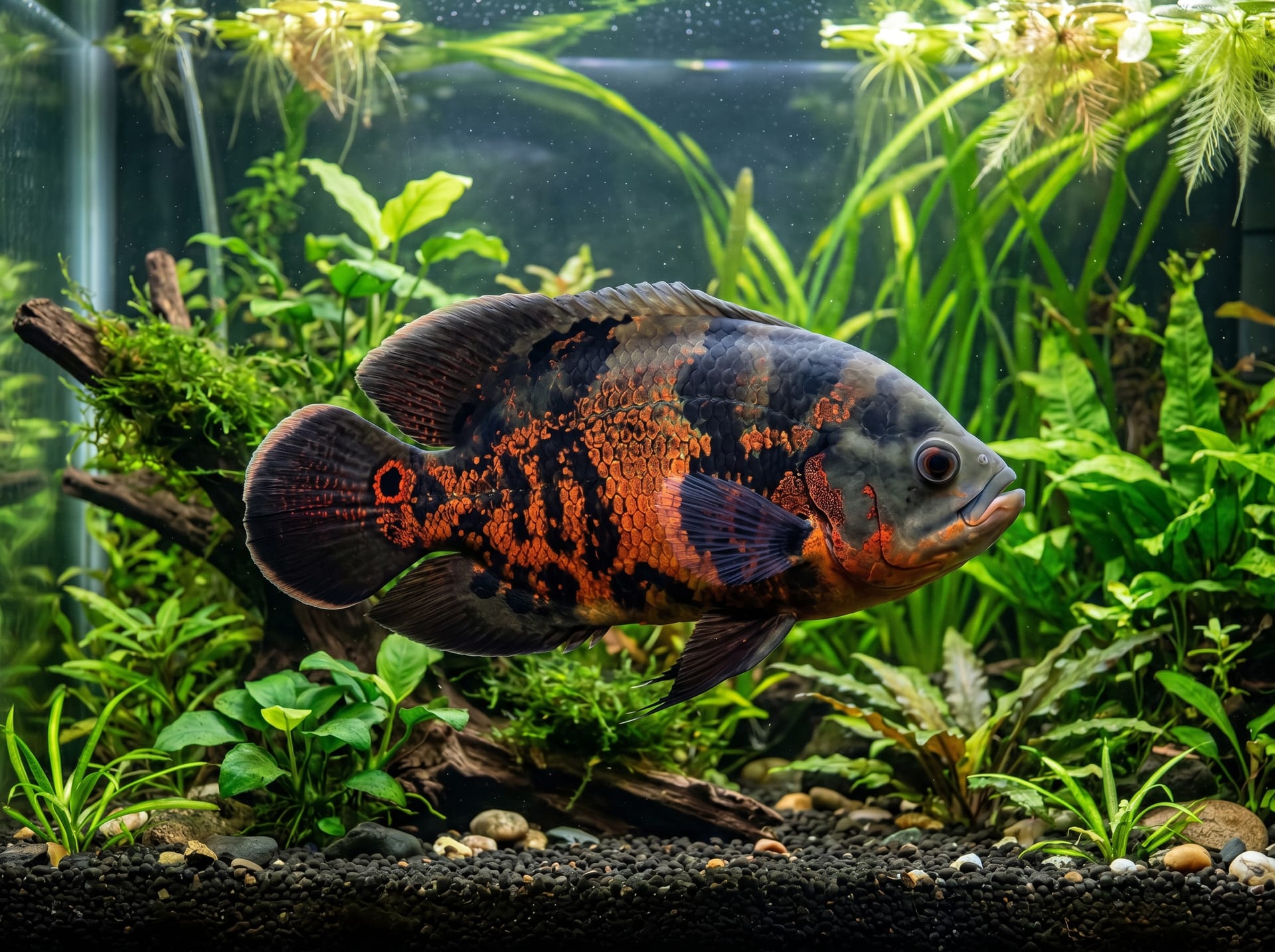
Incompatible Tankmates: Avoid fast-swimming, active large fish (cichlids, oscars) and fin-nippers (Buenos Aires tetras).
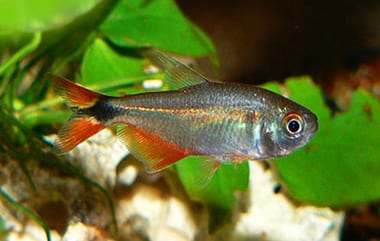
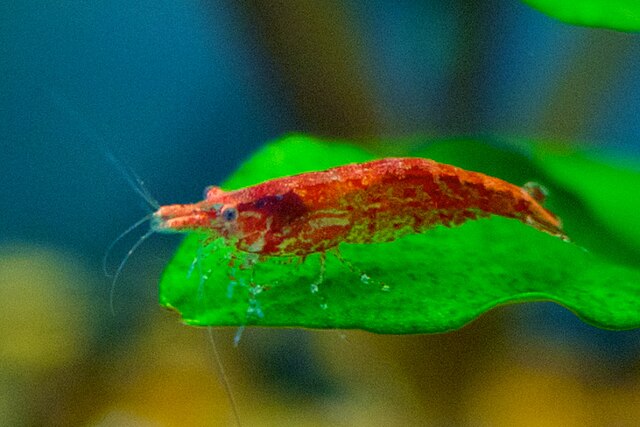
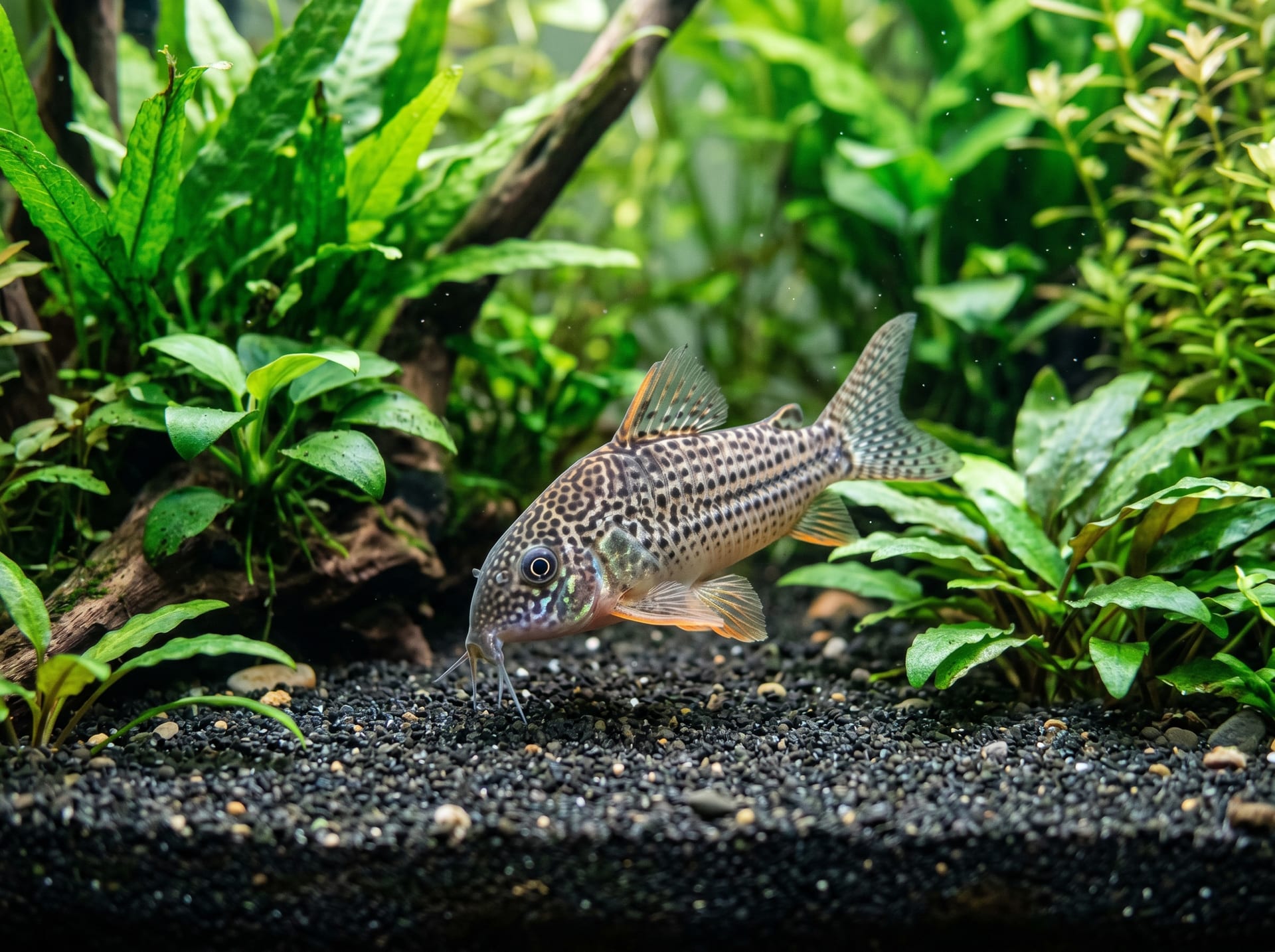
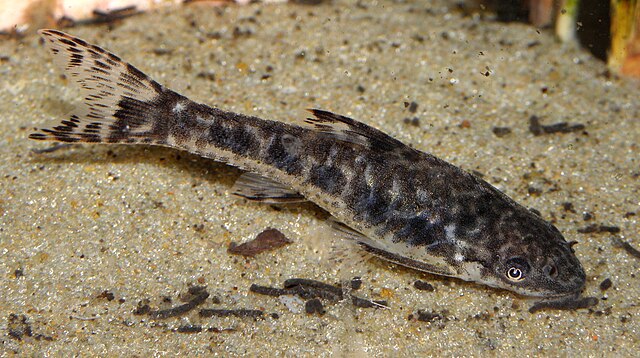
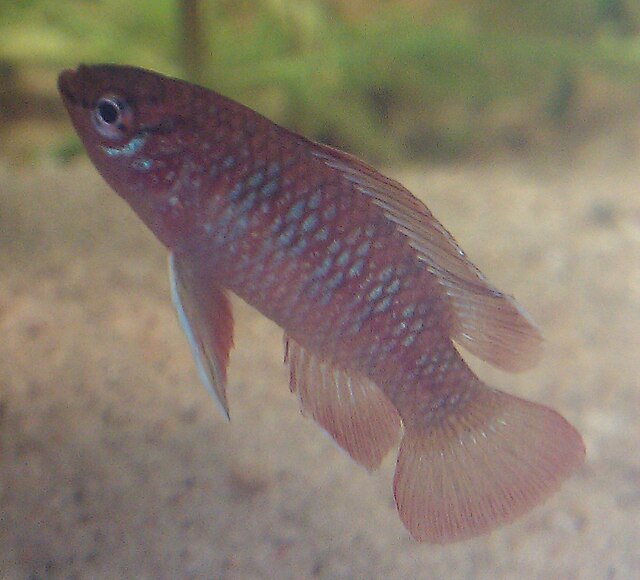
Recommended Tankmates: Lamp eyes, scarlet gems, dwarf corydoras, dwarf plecos, and cherry shrimp. Pairing with corydoras, which gently sift the substrate, creates an aesthetically pleasing aquascape.
Breeding
Pencil fish breeding can occur naturally in planted tanks, but using a dedicated spawning tank significantly increases success rates.
Sex Determination: Males have slender bodies and display vibrant coloration during breeding season. Females have rounded bellies and become noticeably swollen with eggs just before spawning.
Spawning Setup: Use a 15-liter tank with Indian almond leaves or peat to maintain pH below 6 in soft water. Line the bottom with fine plants like Java moss or willow moss as a spawning substrate. Keep lighting dim.
Spawning Behavior: Males pursue females, depositing small batches of eggs among plant roots and on leaves. The eggs are adhesive. After spawning, remove the parents to a separate tank or transfer the spawning substrate to another tank to prevent egg-eating.
Hatching and Fry Care: Eggs hatch in 2–3 days at 75–82°F (26–28°C). For the first 3–5 days post-hatch, fry absorb the yolk sac and need no additional food. Progress gradually from infusoria to brine shrimp nauplii to micro powders.
Pencil fish are beautiful tropical fish that can anchor an Amazon-style planted aquarium. Begin by establishing soft water and low pH conditions, and enjoy their serene, delicate aquatic world.