Complete Guide to Summer High Water Temperature Management for Tropical Fish Tanks | Cooling Fans, Chillers & Management Tips
Summer high water temperatures are one of the greatest risks leading to mass fish deaths. We explain specific measures and selection criteria for keeping water temperature in safe ranges, including cooling fans, tank chillers, and air conditioning management.
Key Takeaways
Summer high water temperatures are one of the greatest risks leading to mass fish deaths. We explain specific measures and selection criteria for keeping water temperature in safe ranges, including cooling fans, tank chillers, and air conditioning management.
Related Species
Why High Summer Water Temperatures Are Dangerous for Tropical Fish
During Japan's summer months (June–September), temperatures often exceed 35°C, and in closed indoor rooms, aquarium water temperature can easily reach over 30°C. Despite their name, most tropical fish species thrive comfortably in water temperatures of 24–28°C. When temperatures exceed 30°C, the following problems occur:
Decreased Dissolved Oxygen As water temperature rises, the amount of oxygen that dissolves in water decreases. Saturated dissolved oxygen at 25°C is approximately 8.3 mg/L, but drops to about 7.6 mg/L at 30°C and 7.0 mg/L at 35°C. Fish become oxygen-deprived and exhibit "gasping" behavior, where they open their mouths repeatedly near the water surface.
Abnormal Bacterial Growth and Water Quality Deterioration High temperatures promote the proliferation of decomposing bacteria that produce ammonia. Simultaneously, filter bacteria (Nitrosomonas and Nitrobacter) also become active, but when their processing capacity is exceeded, water quality deteriorates rapidly. This period is prone to cloudiness, foul odors, and nitrite spikes.
Weakened Immunity and Disease Outbreaks Chronic high-temperature stress weakens fish immunity. This is why ich (white spot disease), fin rot, and fungal infections are so prevalent in summer. In particular, the ich parasite (Ichthyophthirius multifiliis) accelerates its reproductive cycle above 28°C and can spread throughout the entire tank overnight.
Species That Require Special Attention
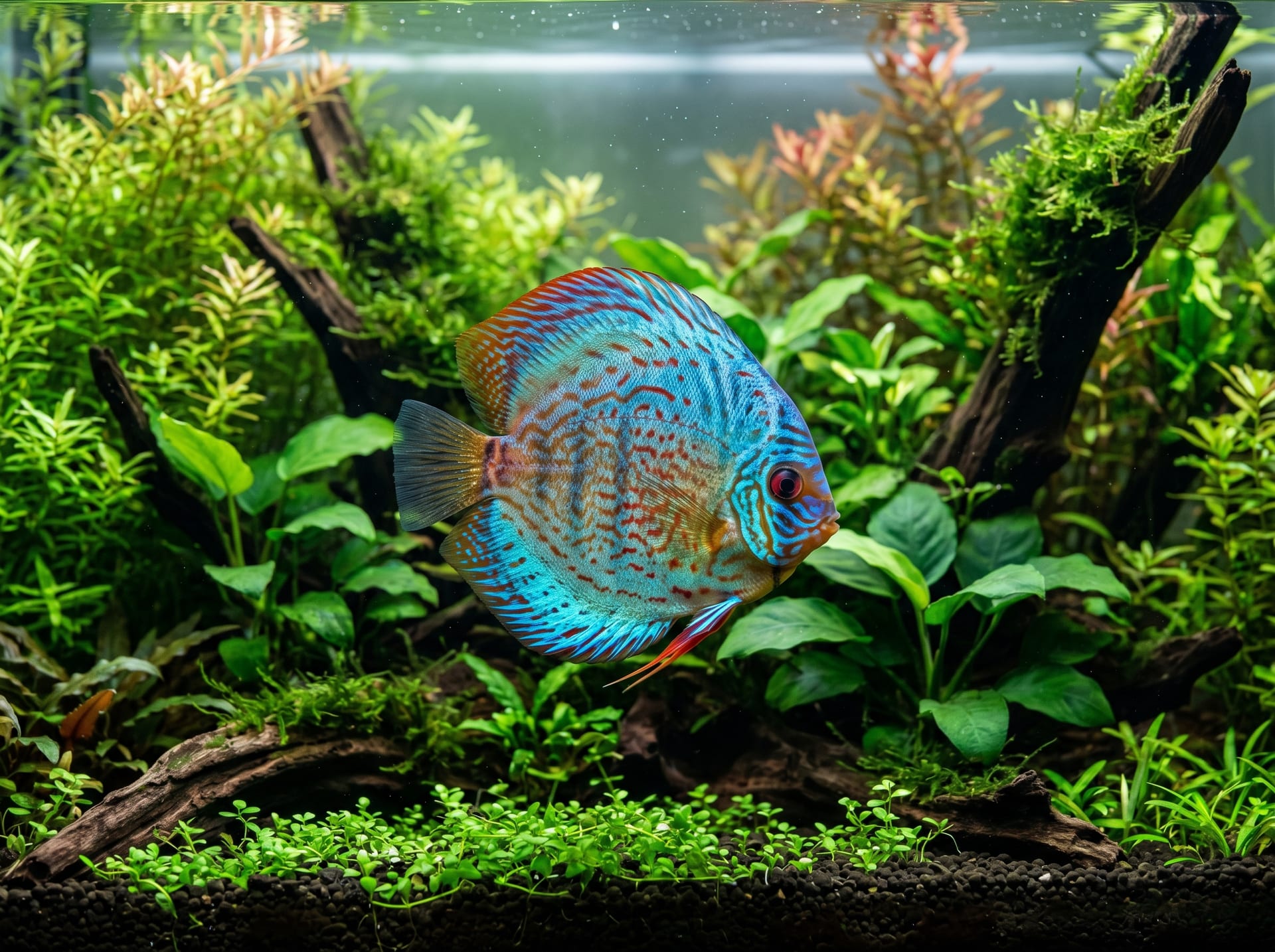
- Discus: Optimal temperature 26–29°C. Above 30°C, breeding stops and appetite decreases.
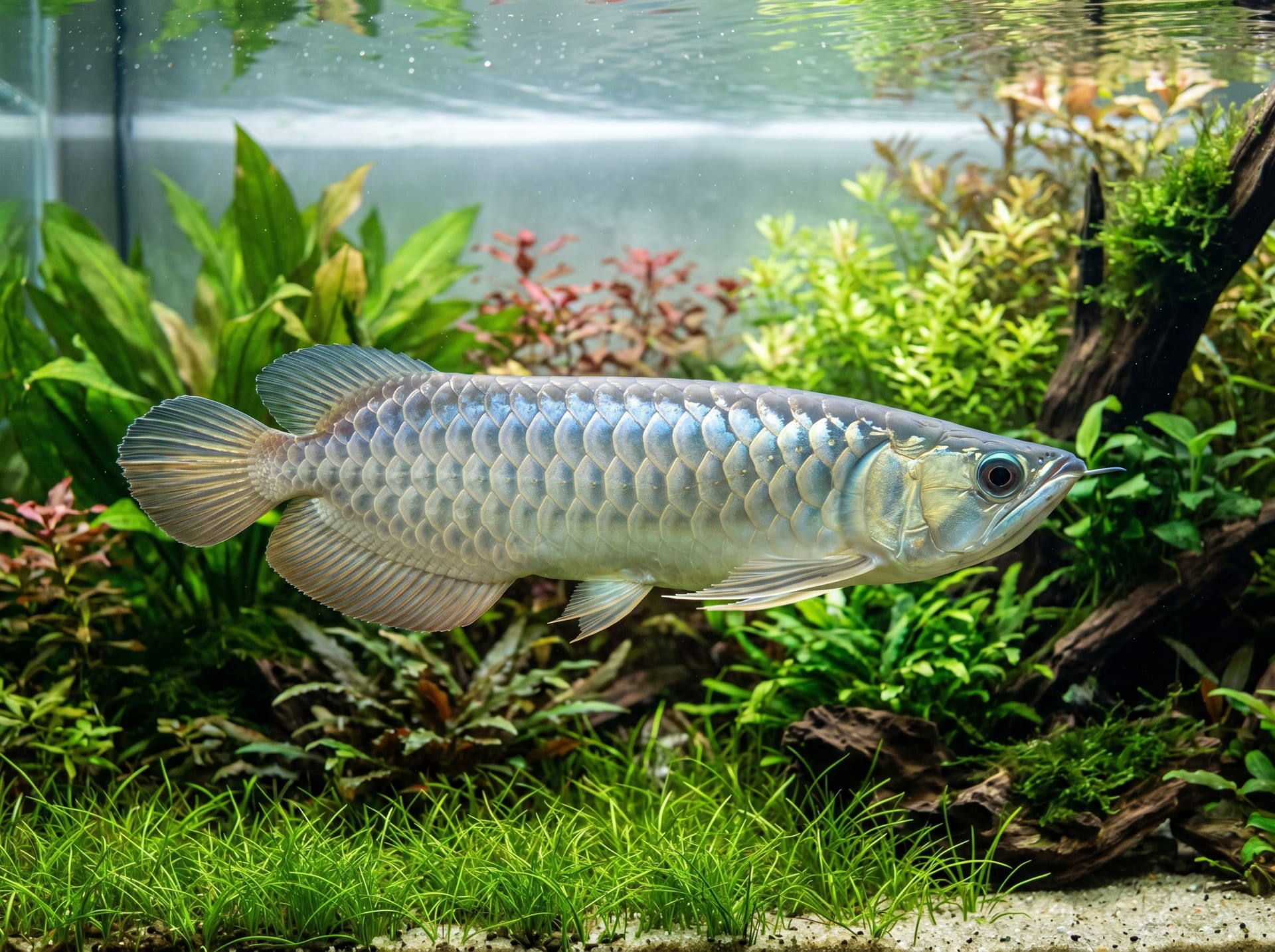
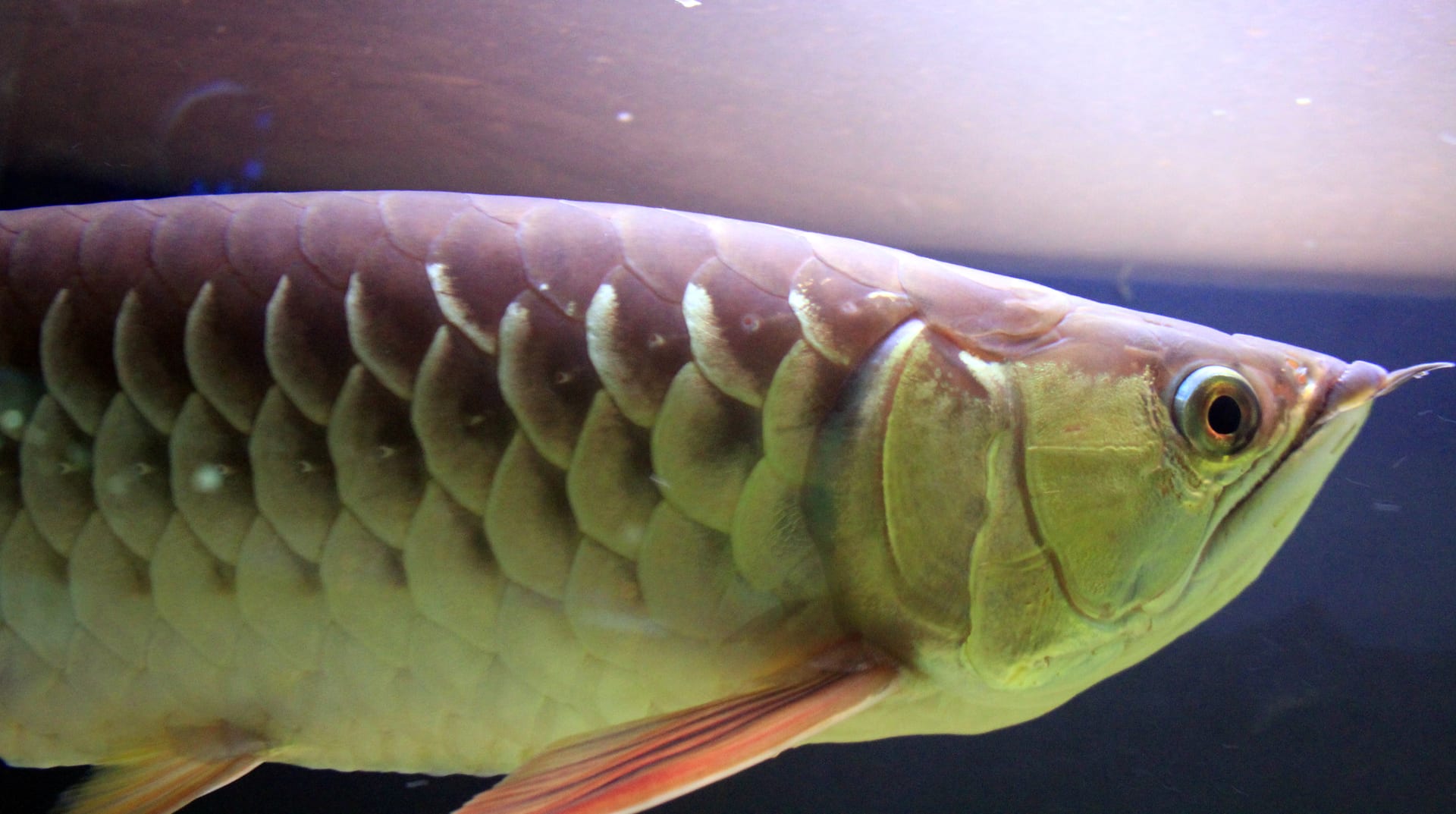
- Arowana: Above 28°C, activity and immunity decrease.
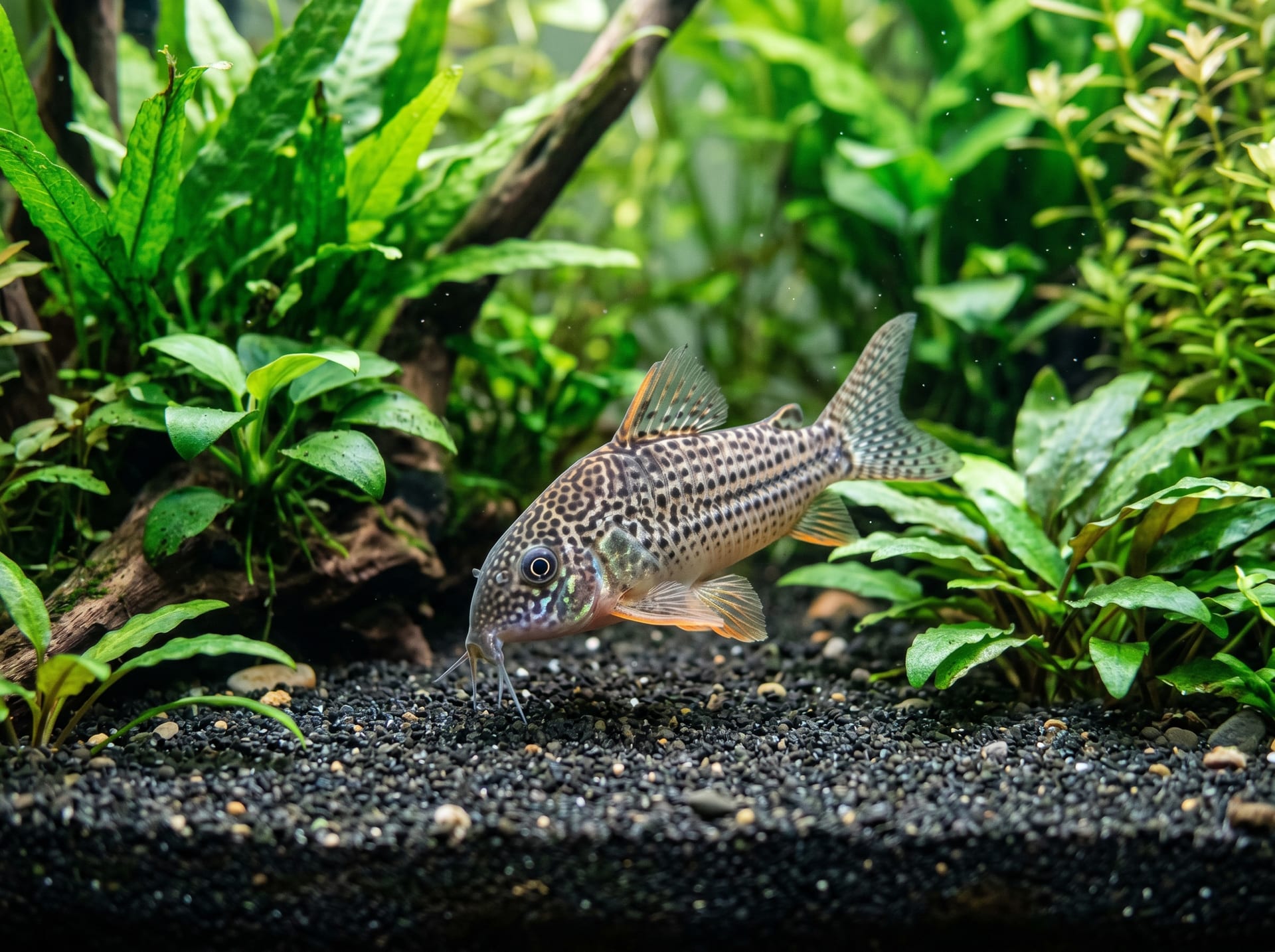
- Corydoras and loach species: Prone to bottom surface overheating and vulnerable due to their habit of hiding in substrate.
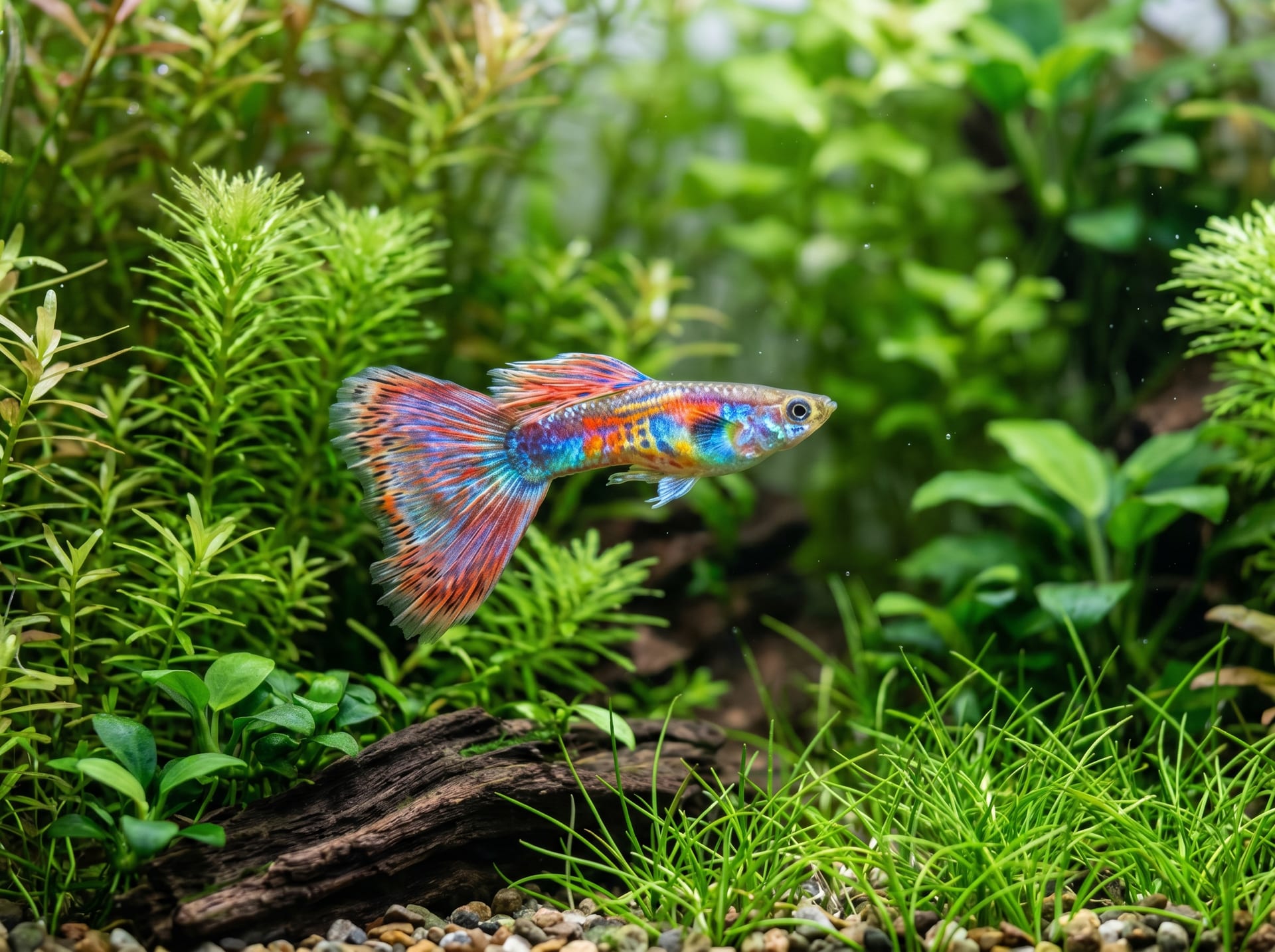
- Guppies (high-quality varieties): Tail fins become prone to rot above 28°C.
Characteristics and Selection of Cooling Fans
Aquarium cooling fans are the most cost-effective cooling solution. They work by directing airflow across the water surface to promote evaporative cooling, effectively lowering water temperature 3–5°C below ambient temperature.
Advantages
- Affordable (approximately ¥2,000–8,000)
- Easy installation (simply clamp to the tank frame or rim)
- Low electricity costs (power consumption 3–10W)
Disadvantages
- Water loss due to evaporation (approximately 1–3L per day) → Daily water top-ups required
- Cooling effectiveness drops significantly when ambient temperature exceeds 30°C
- Effectiveness decreases on humid days (rainy season through peak summer)
- May be unable to cope with extended high temperatures (extreme heat days exceeding 35°C)
Selection Tips
| Tank Size | Recommended Fan Type |
|---|---|
| 30–45 cm | Dual-fan (compact model) |
| 60 cm | 2–4 fan setup |
| 90 cm or larger | 4-fan setup or consider tank chiller |
Fans with thermostat function automatically turn on and off at set temperatures, preventing excessive evaporation and making management easier. Major manufacturers include Tetra, Kotobuki, Nisso, and GEX.
Characteristics and Selection of Tank Chillers
Tank chillers are professional-grade cooling units with built-in electronic cooling or refrigeration systems. Because they maintain the set temperature regardless of ambient temperature, they enable stable management even on extremely hot days.
Advantages
- Stable cooling performance regardless of ambient temperature
- Minimal evaporation and infrequent water top-ups needed
- Built-in thermostat for automatic management
- Ideal for year-round management of discus and premium fish species
Disadvantages
- Expensive (¥30,000–100,000 or more)
- High electricity costs (power consumption 100–300W)
- Requires connection to a pump (such as external filter)
- Requires ventilation at installation location due to heat exhaust
Selection Tips
Chiller capacity is rated in horsepower (HP). The following is a general guide:
| Tank Capacity | Recommended Horsepower |
|---|---|
| Up to 60L | 1/15–1/10 HP |
| 60–150L | 1/10–1/4 HP |
| 150–300L | 1/4–1/2 HP |
| 300L or more | 1/2–1 HP |
Major manufacturers include Zensui, GEX, Eheim, and Kotobuki. Zensui's ZC-100α and ZC-200α series have a strong track record for home use and abundant online reviews.
Tank chillers typically feature inline connection with external filters or pumps, making them easy to install if your tank already has an external filter. If using an overhead or substrate filter, you may need an additional submersible pump.
Combination with Air Conditioning Management
The most reliable and cost-effective method is combining air conditioning with cooling fans.
Recommended Approach
- Keep room temperature at 28°C or below: Run air conditioning 24/7 to maintain consistent room temperature. Modern inverter air conditioners typically cost ¥3,000–6,000 per month for 24-hour operation, which can be cheaper than purchasing a tank chiller.
- Supplementary cooling with a fan: Using a cooling fan while maintaining room temperature at 28°C via air conditioning makes it easier to stabilize water temperature at 25–26°C.
Cautions When Relying on Air Conditioning Alone
- Air conditioning must remain on even when away or at night
- You lose all cooling methods during a power outage (consider UPS systems)
- Setting temperature too low becomes uncomfortable for people, so 26–28°C is more practical
Emergency Measures
Emergency measures when power is unavailable or a chiller fails:
Using Frozen Bottles
Freeze 500mL to 2L plastic bottles and place them in the tank. Though direct contact with water poses a risk of thermal shock, in emergencies float them slowly. Avoid adding them all at once, as this causes temperature shock. The goal is to keep temperature change to 0.5°C per 10 minutes or less, spread over 10–15 minutes.
Adding Ice Gradually
Add ice from an ice maker in small increments. To prevent sudden temperature changes, limit each addition to about 5% of tank volume and observe the effect before adding more.
Using a Fan on the Water Surface
Simply directing a household fan at the water surface can provide 2–3°C of cooling effect. This is an effective alternative when an aquarium-specific fan is not available.
Daily Water Temperature Management Checklist
Essential daily checks for summer aquarium management:
- Temperature check (twice daily—morning and evening): Confirm it stays at 28°C or below
- Water top-ups (when using cooling fans): Replace evaporated water with dechlorinated tap water at matching temperature
- Behavior observation: Check for gasping, fish staying at the bottom, or color changes
- Filter operation check: Ensure the pump isn't running dry due to water level drop
- Power outlet check: Ensure no water splashes have reached outlets (summer brings frequent power outages from lightning)
Summary: Choosing a Cooling Plan Based on Tank Size and Budget
Summer management of tropical fish relies on three pillars: "choosing cooling methods," "daily checks," and "emergency response."
| Situation | Recommended Plan |
|---|---|
| 30–60 cm tank, low budget | Cooling fan + air conditioning set to 28°C |
| 60–90 cm tank, mid-range budget | Cooling fan + external filter + tank chiller (1/15–1/10 HP) |
| Large tank, premium fish | Tank chiller (1/4 HP or higher) + backup power supply |
| Discus or Asian arowana | Climate-controlled room + chiller + smart thermometer (smartphone alerts) |
The ideal approach is to prepare cooling equipment before summer (by mid-May) and verify operation before the rainy season in June. Purchasing in a rush during peak heat (July–August) may result in items being out of stock. With thoughtful planning, you can protect your precious tropical fish from summer heat.