Tropical Fish Lighting Management and Body Color | Tips on Light Intensity and Light Duration
A guide to lighting management that keeps tropical fish colors vibrant. Learn how light intensity, photoperiod, and color temperature affect fish health, stress levels, and breeding, how to choose LED lighting, and how to balance algae control with proper illumination.
Key Takeaways
A guide to lighting management that keeps tropical fish colors vibrant. Learn how light intensity, photoperiod, and color temperature affect fish health, stress levels, and breeding, how to choose LED lighting, and how to balance algae control with proper illumination.
Related Species
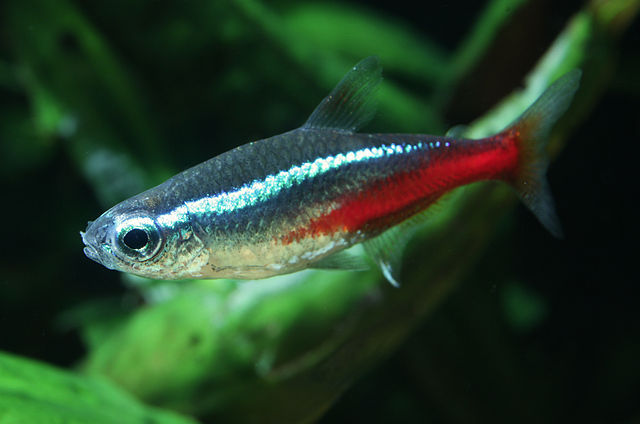
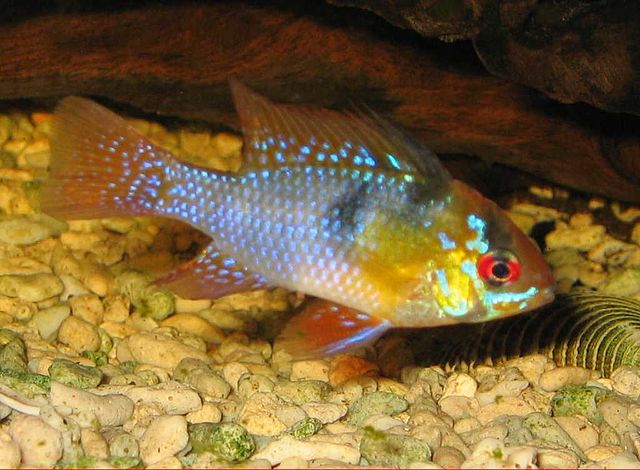
In tropical fish keeping, lighting is not merely for aesthetic appeal but a critical element that deeply affects fish health, body coloration, and behavior. With proper lighting management, you can bring out the natural vibrant colors of fish, reduce stress, and promote breeding behavior. This article explores how light intensity, photoperiod, and color temperature impact tropical fish and provides practical lighting management tips.
How Lighting Affects Tropical Fish
In nature, tropical fish live according to sunrise and sunset cycles, and the presence and intensity of light regulate their internal clock (circadian rhythm). Proper lighting conditions bring the following benefits:
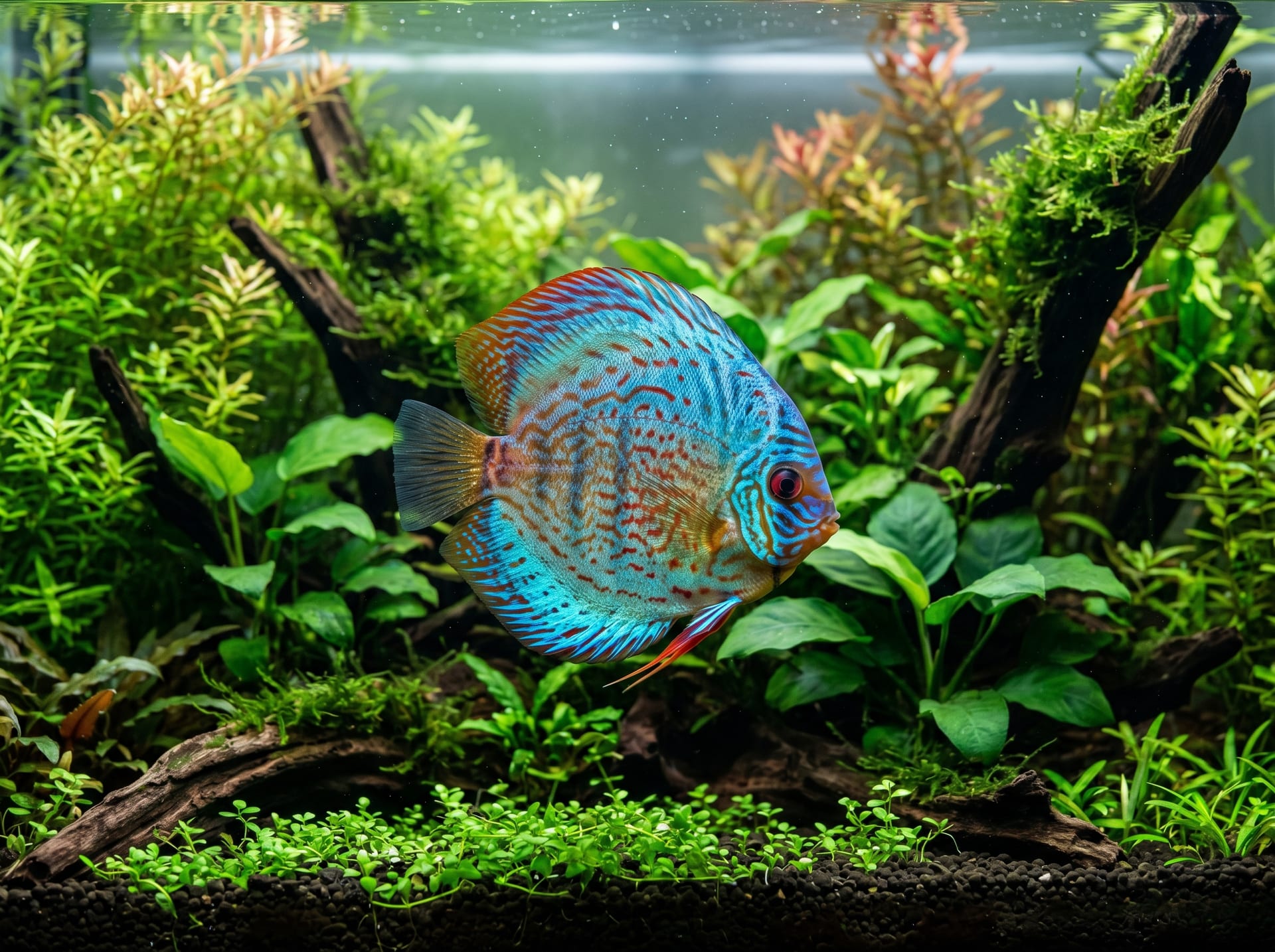
1. Enhanced Color Vibrancy Many tropical fish develop vibrant colors when exposed to adequate light, as their chromatophores become activated. The metallic blue of neon tetras and the red coloration of discus fish tend to fade when light intensity is insufficient. Red pigments in particular are sensitive to photosynthetic wavelengths (red and blue), and using high color-rendering LED lighting dramatically improves their coloration.
2. Stress Reduction Sudden on/off lighting can cause panic in fish. Using lights with timer functions that gradually brighten and dim, mimicking natural dawn and dusk, can significantly reduce fish stress. Additionally, excessively bright conditions create tension and promote hiding behavior, so it's important to provide some shaded areas in the tank.
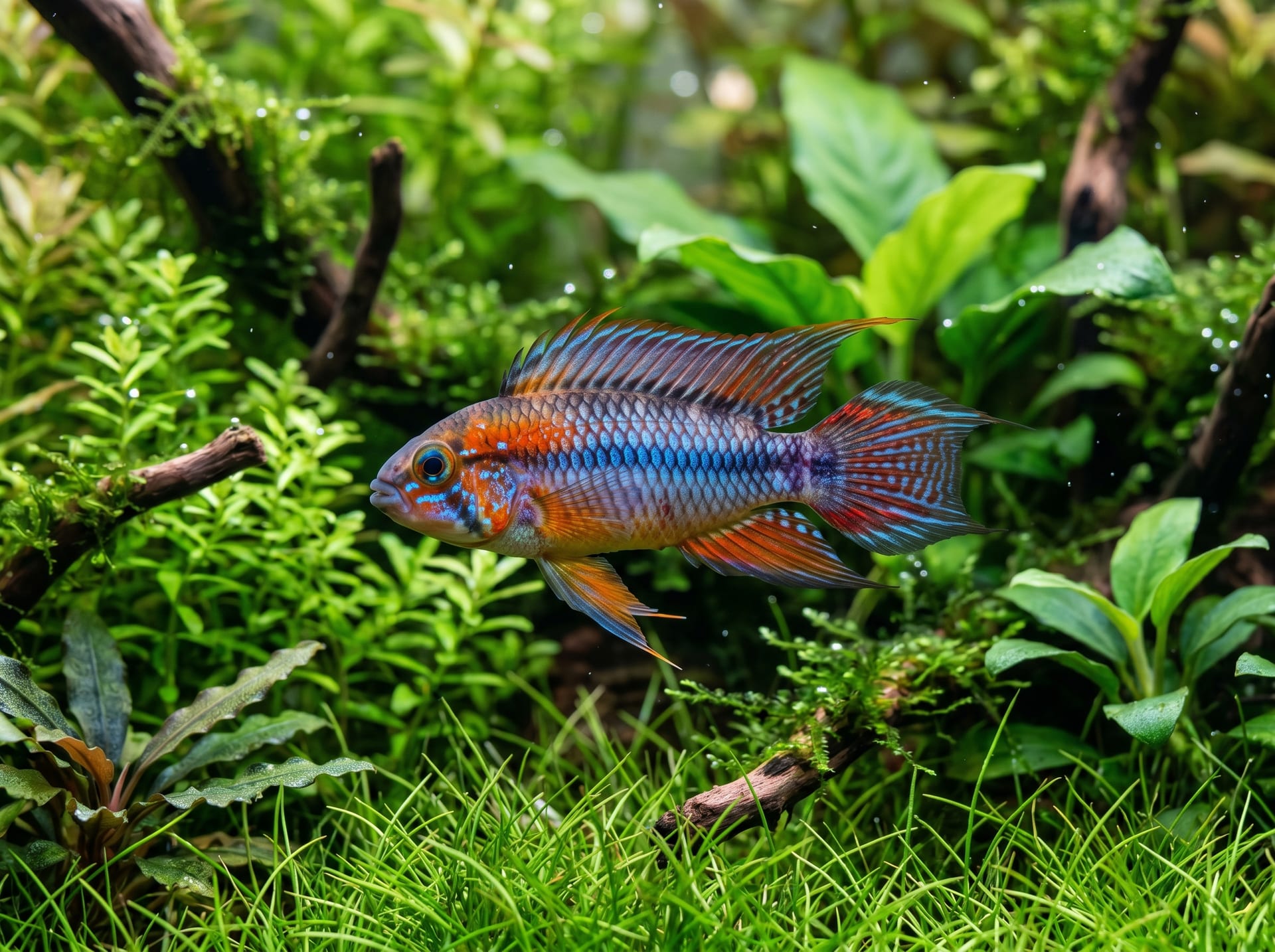
3. Promotion of Breeding Behavior Many tropical fish use changes in photoperiod as a breeding trigger. For example, cichlids like apistos and ram cichlids enter breeding mode during the rainy season (shorter daylight hours). By intentionally adjusting lighting duration, you can promote breeding behavior.
How to Choose LED Lighting
LED lighting, which is energy-efficient and long-lasting, is now the standard for tropical fish tanks. Here are the key points to consider when choosing one.
Light Intensity (Lumens/PAR) For fish-only tanks, you don't need the high light intensity required for planted tanks. For a 60cm tank, 1,000–2,000 lumens is sufficient. However, if you're growing aquatic plants, you'll need 3,000 lumens or more, depending on the plant species.
Color Temperature (Kelvin) White LEDs in the 6,500–8,000K range display fish colors naturally and beautifully. Light above 10,000K, with its blue-white hue, is designed for saltwater species and looks unnatural for freshwater fish. RGB-adjustable LEDs allow fine-tuning to match your fish species and tank layout.
Color Rendering Index (Ra/CRI) Choose lighting with Ra80 or higher. Low color rendering causes red and yellow tones in fish to be inaccurately reproduced, making even beautiful species look dull. High color-rendering LEDs (Ra90+) are expensive but dramatically increase their display value.
Timer and Dimming Functions A timer function that turns the light on and off at the same time each day is essential. Manual control introduces inconsistency and disrupts fish rhythms. A dimming function that gradually brightens and dims also helps avoid stress from sudden light changes.
Recommended Light Duration
The standard photoperiod for tropical fish tanks is 8–10 hours per day. This mimics natural daylight hours in tropical regions and maintains a stable circadian rhythm for fish.
When Light Duration is Too Long (12+ hours) Excess algae tends to bloom, making water quality management difficult. Additionally, fish remain in a state of constant tension, leading to insufficient rest time and potential immune system decline.
When Light Duration is Too Short (less than 6 hours) Fish colors fade and activity levels decrease. In fish species that breed seasonally, breeding behavior may be suppressed.
Practical Example: Timer Settings
- Lights on at 9:00 AM (gradually brightening over 30 minutes)
- Lights off at 6:00 PM (gradually dimming over 30 minutes) → Actual light duration is 8 hours, with dawn/dusk effects mimicking a natural environment
Balancing Aquatic Plants with Algae Control
When growing aquatic plants, balancing light intensity and photoperiod is crucial. High light and long durations promote plant growth but also cause algae to bloom explosively.
Strategy 1: Split Photoperiod Instead of continuous 10-hour lighting, split it into segments like "3 hours in the morning + 5 hours in the evening." This suppresses algae growth while allowing plants to photosynthesize (the siesta method).
Strategy 2: Balance with CO2 Supplementation Under intense light, aquatic plants consume large amounts of CO2. If CO2 supplementation is insufficient, plant growth stalls and algae flourish instead. The rule is to increase CO2 dosage proportionally when increasing light intensity.
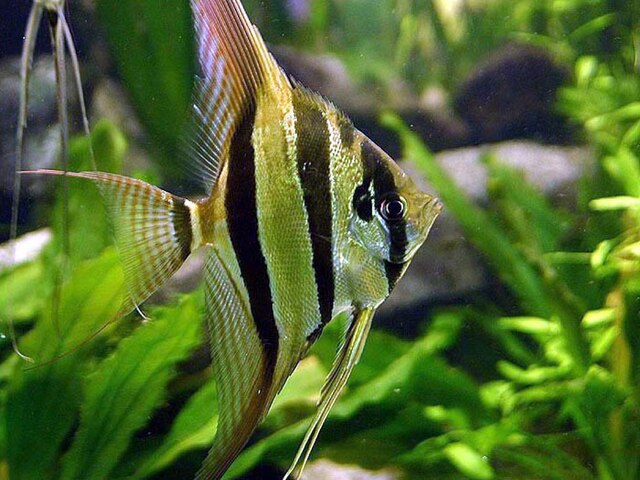
Strategy 3: Consider Fish Needs Even when growing light-loving plants (like rotala or glossostigma), provide shaded areas where fish can hide (such as driftwood or under large leaves). This is especially important for fish species like discus or angelfish that prefer dimmer environments.
Practical Lighting Management Checklist
- Keep lighting on/off times fixed daily (use a timer)
- Maintain 8–10 hours of daily light, adjusting as needed based on algae growth
- Use dimming to recreate dawn and dusk, avoiding sudden light changes
- Choose lighting with 6,500–8,000K color temperature and Ra80+ color rendering
- Adjust light intensity based on whether plants are present (1,000–2,000 lumens for fish-only tanks)
- Provide shaded spaces in the tank where fish can hide
- Monitor for lighting degradation and consider replacement every 2–3 years
Summary
The key to tropical fish lighting management is optimizing light intensity, photoperiod, and color temperature for your fish species and tank environment. Proper lighting enhances fish health and beauty, and increases breeding success rates. By utilizing timers and dimming functions to recreate natural rhythms, you'll be well on your way to long-term success in fish keeping.