How to Choose and Use Color-Enhancing Food for Tropical Fish
An explanation of the ingredients and effects of color-enhancing food for tropical fish, and how to choose the right one. This article also introduces the roles of astaxanthin and spirulina.
Key Takeaways
An explanation of the ingredients and effects of color-enhancing food for tropical fish, and how to choose the right one. This article also introduces the roles of astaxanthin and spirulina.
Related Species
The vibrant body colors of tropical fish are a major delight of keeping them, but depending on tank conditions, their colors can fade from when they were first purchased. This is where "color-enhancing food" becomes effective. In this article, we'll explain the effects of the ingredients contained in color-enhancing food and how to choose the right one for each species.
How Fish Body Color is Determined
The body color of tropical fish is determined by chromatophores (color cells) in their skin. There are the following types of color cells:
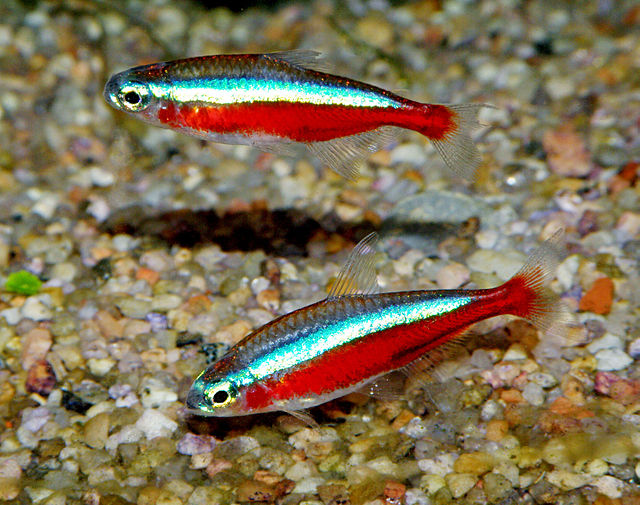
Red to orange colors are produced by carotenoid pigments (such as astaxanthin and zeaxanthin). Since fish cannot synthesize these in their own bodies, they must obtain them from their diet.
Yellow is produced by pteridine pigments and carotenoids. A portion of carotenoids can produce yellow coloration.
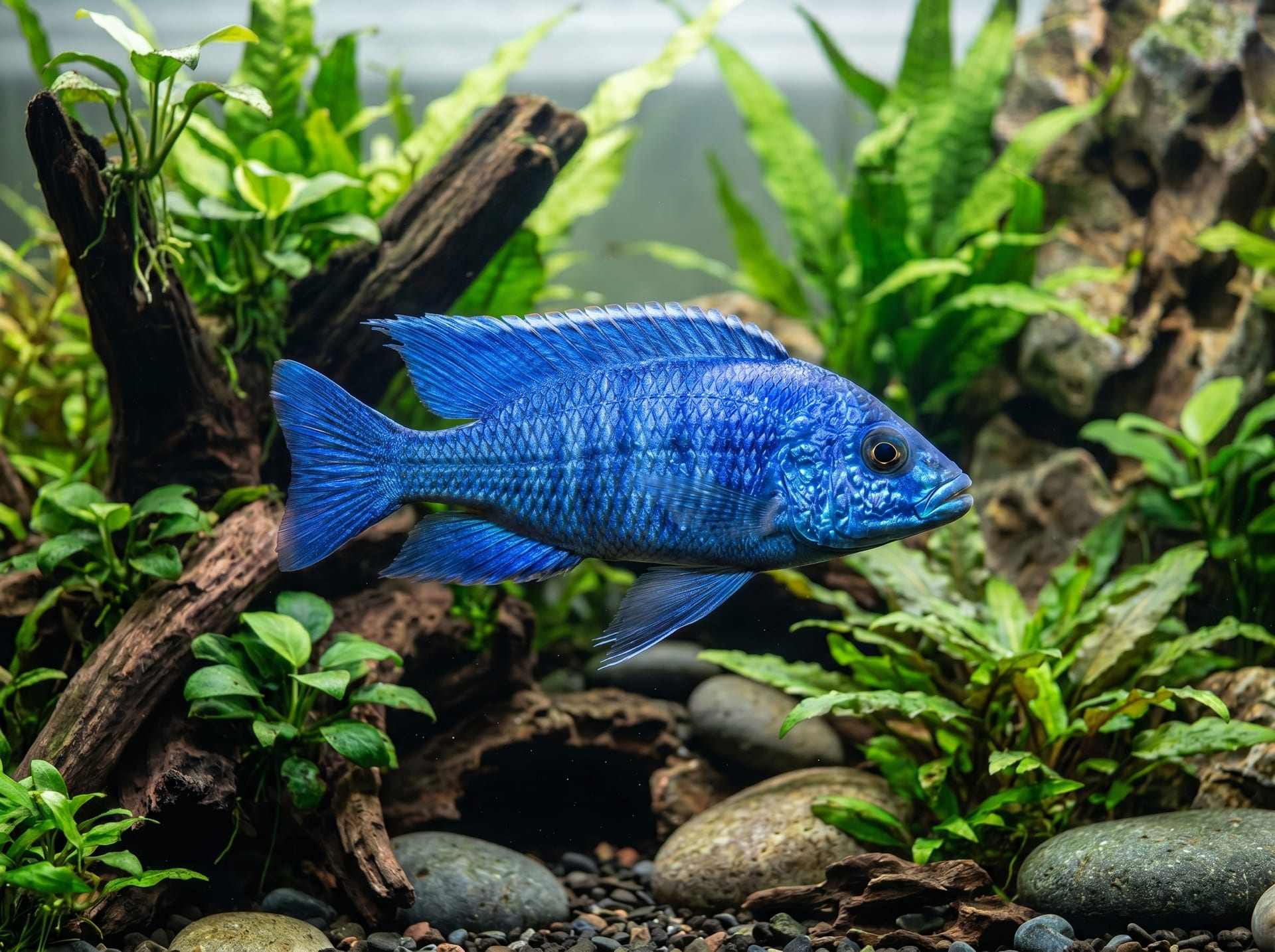
Blue to green colors are called structural colors, which are produced by light reflecting off the microscopic structures of scales rather than pigments. These colors are difficult to change through diet.
Black is produced by melanin pigments and varies with stress and lighting.
In other words, color-enhancing food is most effective for red, orange, and yellow-toned body colors. Blue and green structural colors are rarely affected by diet.
Explanation of Color-Enhancing Ingredients
Astaxanthin is the most powerful color-enhancing ingredient. It's a carotenoid that gives crustaceans (shrimp and crabs) and salmon their red coloration, and it intensifies red to orange colors. Natural astaxanthin extracted from Haematococcus algae is considered the highest quality.
Spirulina is a blue-green algae that contains phycocyanin (blue pigment) in addition to carotenoids. It's said to have some effect not only on red coloration but also on blue tones. Additionally, it's rich in protein and vitamins, contributing to the overall health of fish.
Paprika pigment contains capsorubin and is effective for red coloration. It's inexpensive and widely used in many color-enhancing foods.