Angelfish Care Guide: The Elegance and Beauty of Tropical Fish and Mixed-Species Tanks
A comprehensive guide to angelfish care. Introduces the characteristics of each variety, suitable tank sizes and water conditions, compatibility to note when maintaining mixed-species tanks, breeding methods from spawning to fry rearing, and common issues and solutions.
Key Takeaways
A comprehensive guide to angelfish care. Introduces the characteristics of each variety, suitable tank sizes and water conditions, compatibility to note when maintaining mixed-species tanks, breeding methods from spawning to fry rearing, and common issues and solutions.
Related Species
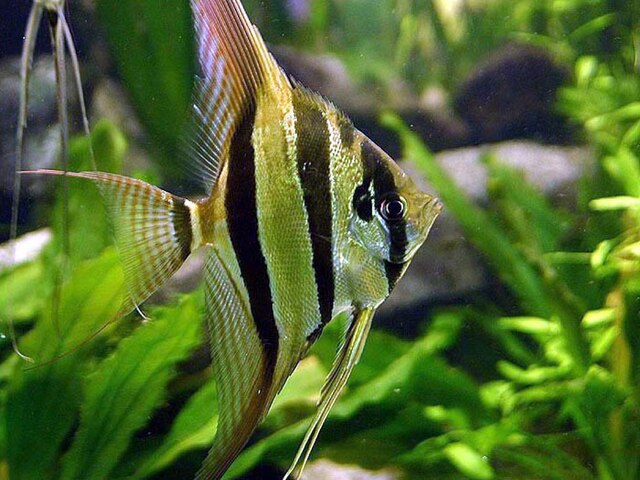
Angelfish are medium-sized cichlids characterized by their triangular silhouette and gracefully extended dorsal and pelvic fins. Native to South America's Amazon River basin, they have long been beloved as the very symbol of tropical fish. Through selective breeding, they now come in many color variations and are popular with both beginners and advanced aquarists. Though relatively hardy and easy to keep, they become surprisingly large as they mature and grow more aggressive in temperament, requiring deliberate and planned care.
Angelfish Varieties and Characteristics
Angelfish come in the following varieties.
- Silver Angelfish: Close to the wild type, with classic beauty from their silver bodies marked with black vertical stripes
- Marble Angelfish: Black and silver marbled patterns that differ among individuals, with no two fish bearing the same markings
- Gold Angelfish: Shimmering in golden color throughout their bodies, they command presence in the aquarium
- Black Angelfish: Jet black throughout, their austere beauty is accentuated by the green of aquatic plants
- Platinum Angelfish: Their pure white bodies possess a translucent beauty
- Altum Angelfish: The largest among wild-type angelfish with notably tall bodies, though their care difficulty is somewhat higher, their overwhelming presence is a charm unlike any other variety
- Veil Tail: A type with elongated fins that emphasize elegance. However, in environments with strong water flow their fins are prone to damage, so caution is necessary
Tank Environment and Care Basics
Adult angelfish reach a body length of 15 cm, and 25 cm or more when including body height. Because they are tall fish, tank height is important.
| Item | Guideline |
|---|---|
| Tank height | At minimum 45 cm high, ideally 50 cm or more |
| Tank size | 1-2 fish in a 60 cm tank, 3-4 fish in a 90 cm tank |
| Water quality | Slightly acidic to neutral (pH 6.0–7.5) |
| Water temperature | 25–28°C |
| Filtration and water flow | External filter is optimal, with water flow set to not be too strong |
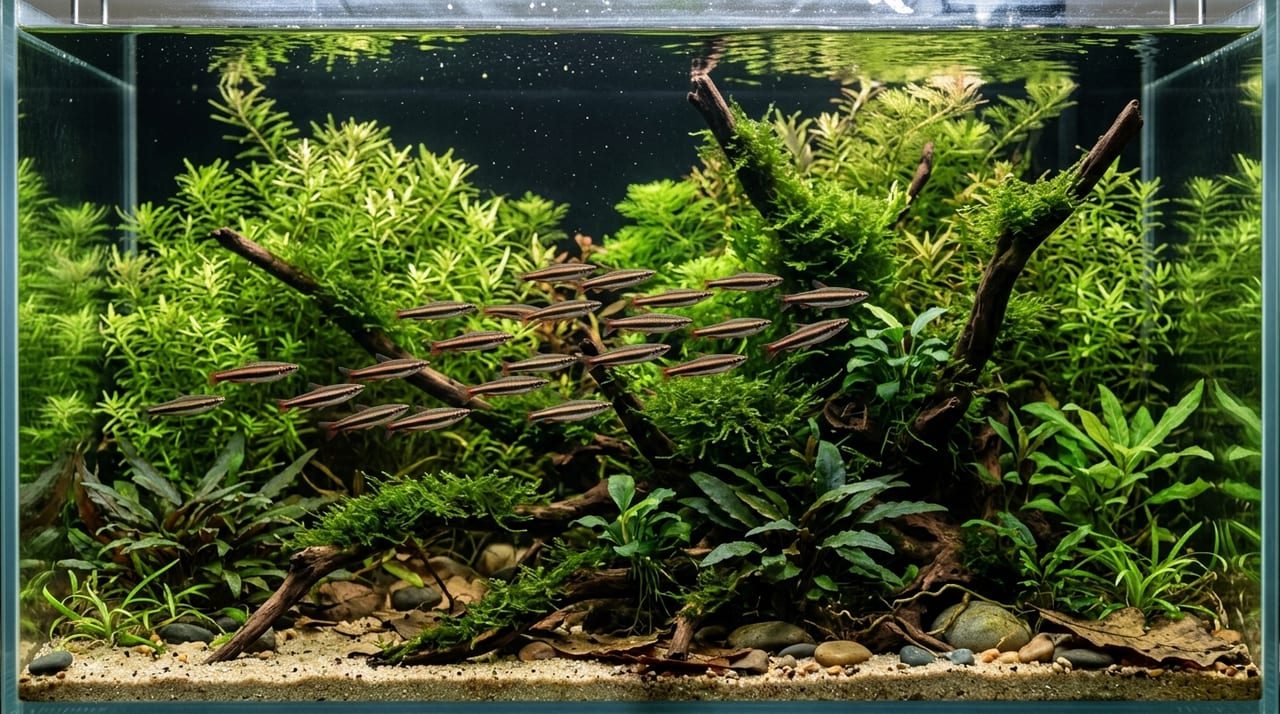
Angelfish prefer gentle water flow; strong currents cause swimming fatigue. Placing tall aquatic plants (such as Amazon sword and vallisneria) in the layout recreates a natural environment. Creating moderate hiding places with driftwood and rocks helps fish remain calm.
Compatibility and Precautions for Mixed-Species Tanks
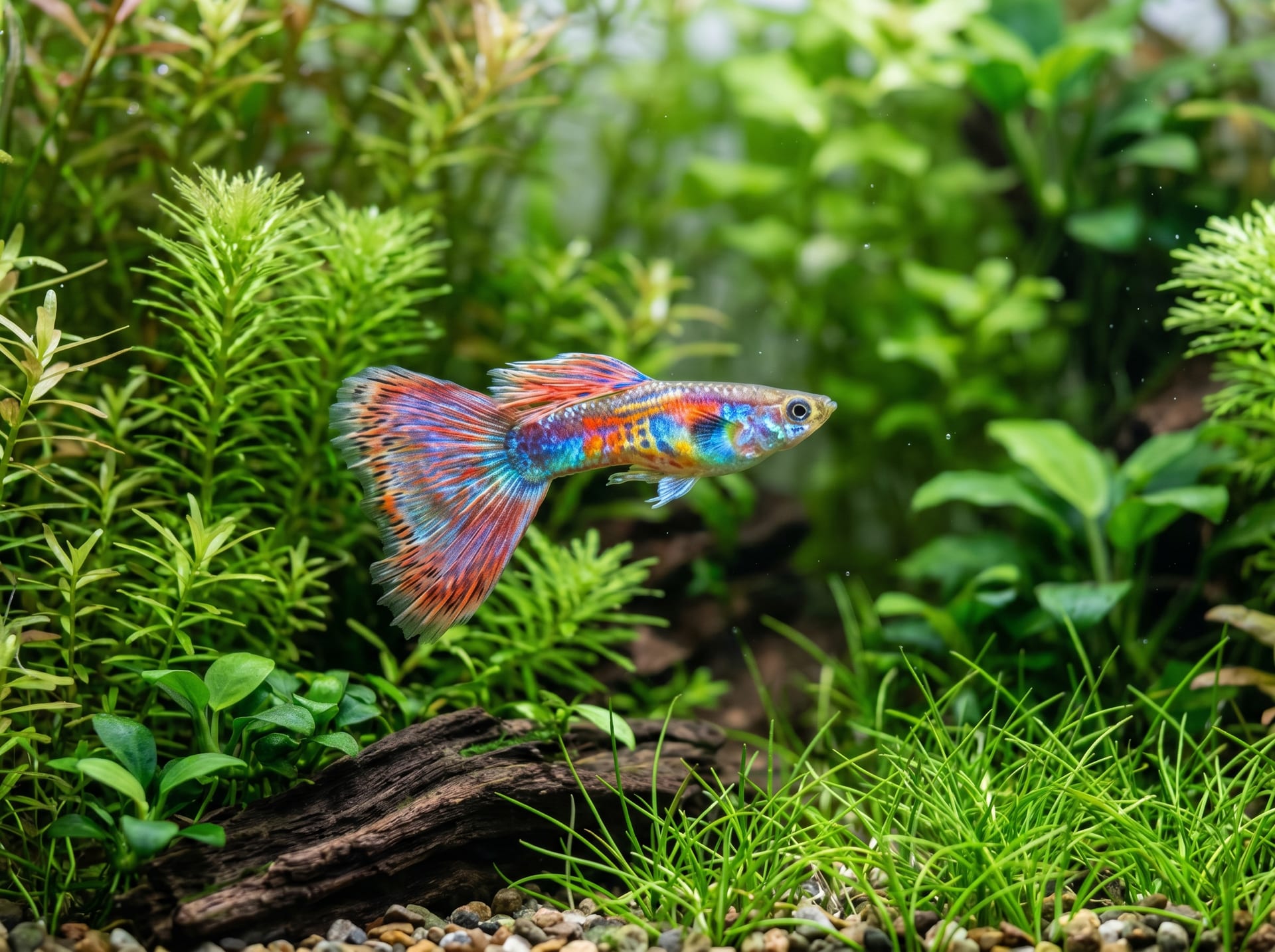
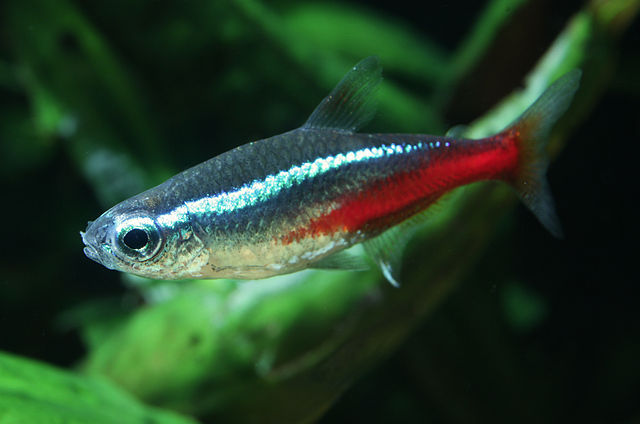
For mixed-species tanks with angelfish, compatibility in size and temperament is important. As angelfish grow, they will predate on smaller fish they can fit in their mouths. Adult neon tetras and guppies are likely to be eaten.
Fish suitable for mixed-species tanks with angelfish include:
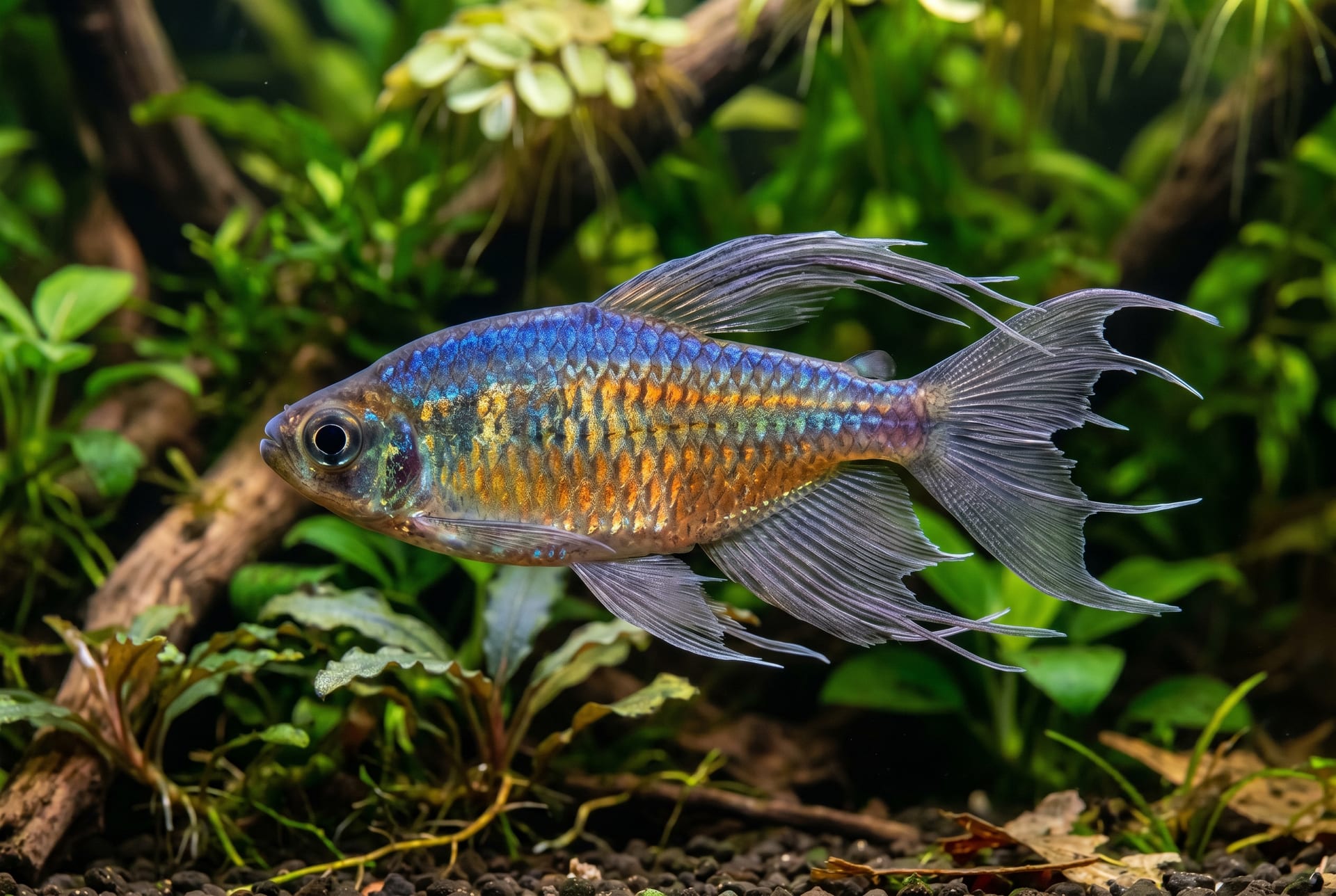
- Medium-sized characins (such as Congo tetra and lemon tetra)
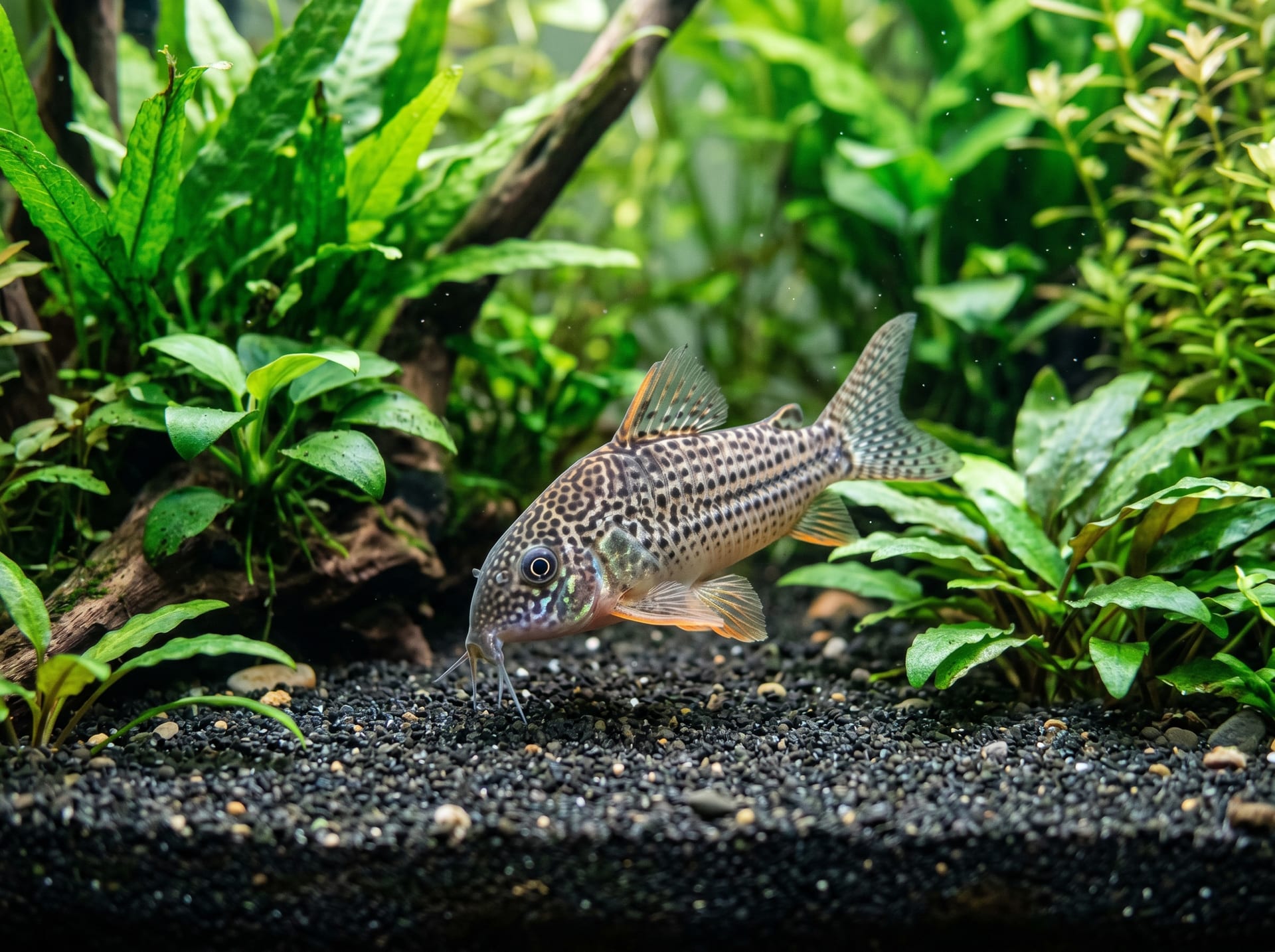
- Corydoras
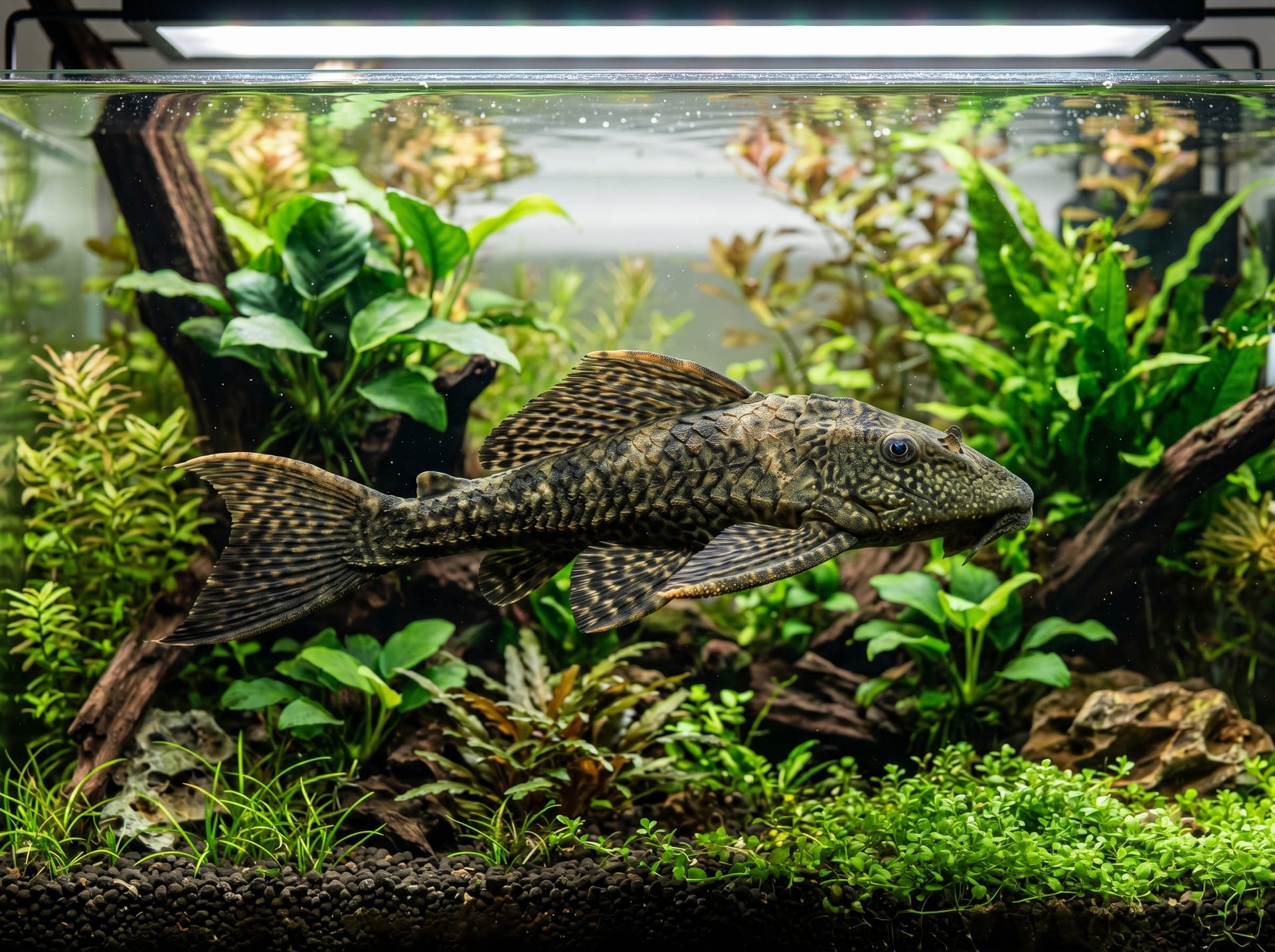
- Plecos
- Large-sized rasborans
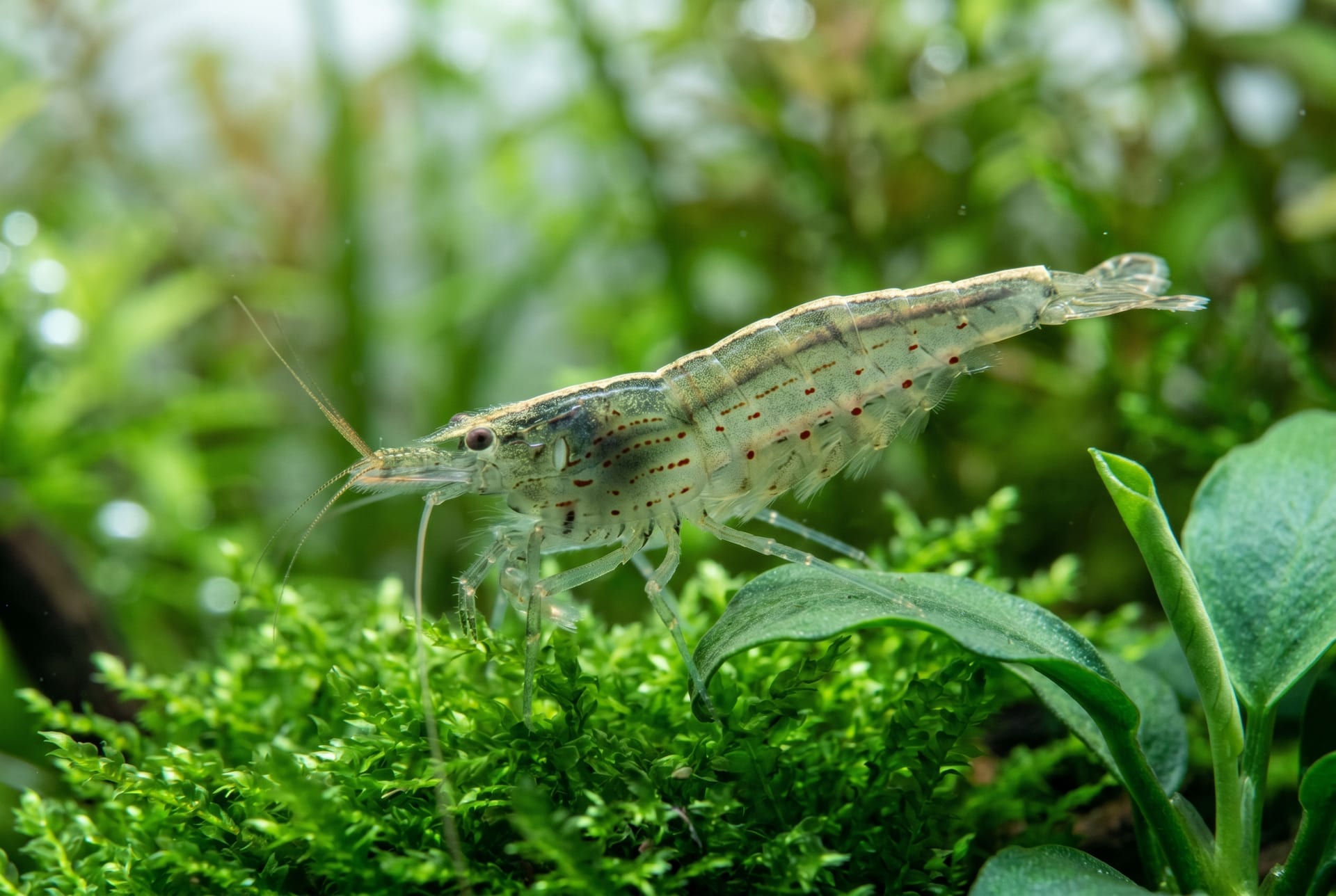
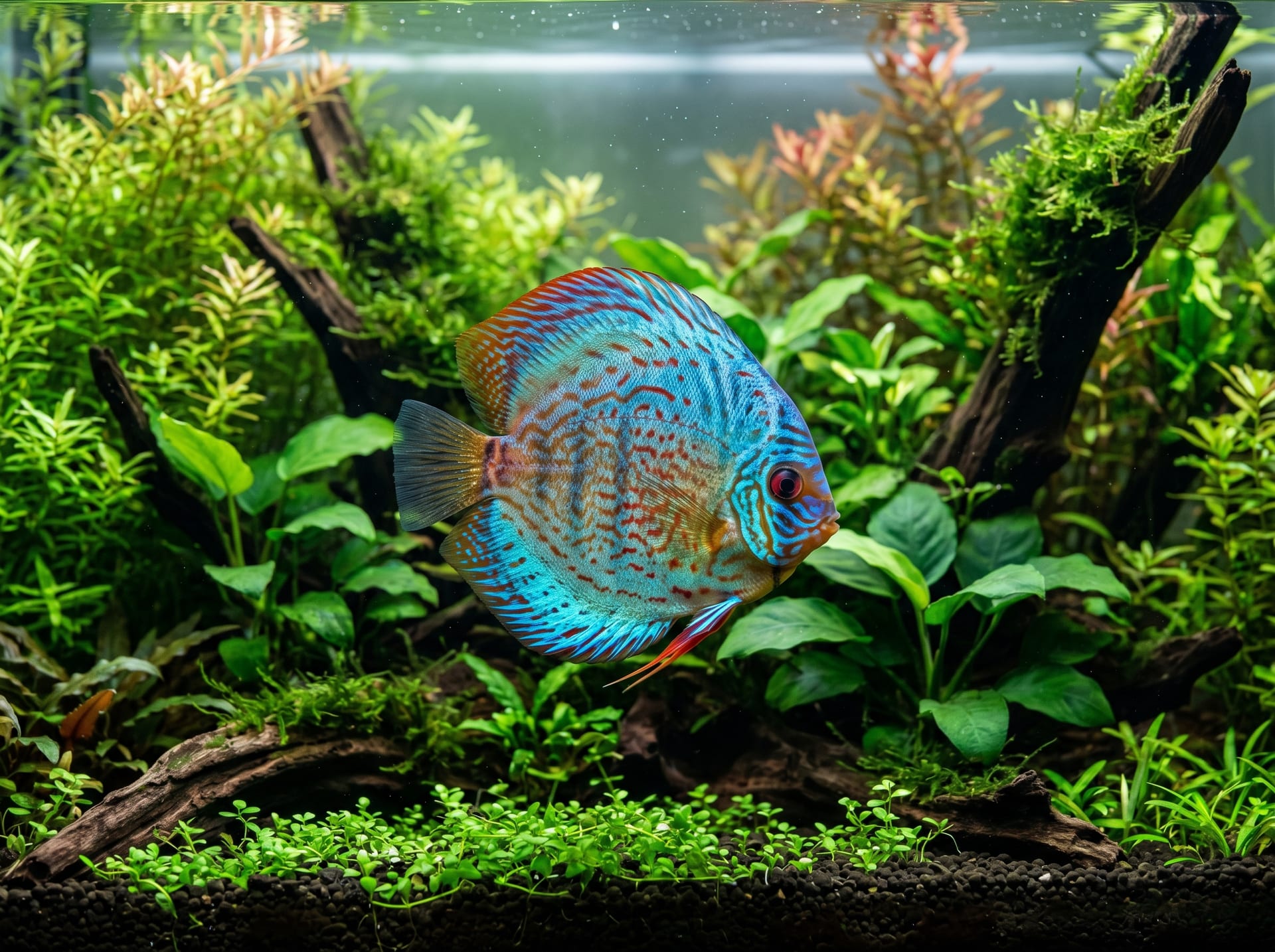
When keeping angelfish together with their own species, aggression toward other individuals can occur once pairs form as they mature. In tanks of 90 cm or larger, keeping 5 or more fish tends to disperse aggression. Mixed-species tanks with discus have similar water quality preferences, but discus are more delicate and can be overwhelmed by the aggressive temperament of angelfish. Avoid keeping angelfish with shrimp, as small shrimp will be predated. Shrimp about the size of Amano shrimp are relatively safe, though individual variation exists.
Breeding and Fry Rearing
Angelfish breed relatively easily. Mature pairs begin cleaning flat surfaces in the tank (such as the leaves of Amazon sword, spawning cones, or glass surfaces), with the female depositing eggs and the male fertilizing them. They produce 200–400 eggs per spawn, and the parents care for the eggs. Hatching takes about 48–60 hours, and parents continuously fan the eggs with fresh water flow. After hatching, fry grow on the nutrition of their yolk sacs for 3–4 days before beginning free-swimming. At this stage, feed them brine shrimp nauplii. However, it is not uncommon for parents to eat their eggs (egg-eating), and this happens at a high rate especially with first spawnings. If egg-eating recurs, one method is to isolate the eggs in a separate container after spawning and artificially hatch them using aeration. Fry grow quickly and develop angelfish-like body shape within about 2 months.
Basics for Beginners
The most important aspect of goldfish care is "maintaining water quality." Because goldfish easily foul the water, proper filter installation and regular water changes (once weekly, about one-third of the total) are fundamental to maintaining their health. Feed once or twice daily, giving amounts they can consume in 2–3 minutes, and promptly remove any uneaten food. The optimal water temperature is 18–26°C, and avoiding sudden temperature fluctuations helps prevent disease.
When introducing new goldfish, first acclimate the water temperature for 30 minutes to 1 hour while they remain in the bag, then gradually add tank water to the bag to acclimate them to the water quality through a process called "water acclimation." If possible, conduct 1–2 weeks of quarantine treatment to prevent introducing disease.
Tips for Managing Mixed-Species Tanks
When keeping multiple varieties of goldfish in mixed-species tanks, keep the following management practices in mind.
Feeding Strategy
When fast-swimming and slow-swimming varieties are together (when mixed-species housing is necessary), scattering food to multiple locations in the tank simultaneously helps ensure slower varieties also receive food. Additionally, using both sinking and floating feed simultaneously is effective.
Importance of Observation
After beginning mixed-species housing, observe carefully for several days. Check that chasing, fin-biting, hoarding of food and other problems are not occurring. During breeding season (spring), vigorous chasing of females by males may be seen; if the female appears to be losing stamina, consider using a separator or moving them to separate containers.
Tank Environment
Installing decorations that serve as hiding places allows weaker individuals to avoid stress. However, take care not to create narrow gaps where fish could become wedged.
Beautiful Angelfish at BreederDirect
Angelfish vary greatly in body form, fin development, and coloration depending on variety and bloodline. At BreederDirect, you can purchase carefully selected individuals directly from breeders who are particular about variety purity and body beauty. You can also obtain professional advice unique to breeders on breeding tips and care points specific to particular varieties.