How to Make a Blackwater Biotope Aquarium | Recreating a South American Environment | ブリちょく
Tropical Fish| ✍️ BreederDirect Editorial
How to Make a Blackwater Biotope Aquarium | Recreating a South American Environment
Explains methods for building blackwater aquariums. Introduces how to use peat moss and magic leaves, and suitable fish species.
Key Takeaways
Explains methods for building blackwater aquariums. Introduces how to use peat moss and magic leaves, and suitable fish species.
Related Species
How to Make a Blackwater Biotope Aquarium | Recreating a South American Environment (2026 Edition)
Throughout the Amazon River basin and tropical rainforests of Southeast Asia, there exist mysterious water bodies stained a deep tea-brown color, as if brewed tea. This is the environment known as "blackwater." Tannins and humic acids dissolving from dead leaves and driftwood tint the water, creating a unique water chemistry that is weakly acidic and ultra-soft. Recreating this environment in an aquarium is the "blackwater biotope aquarium"—a style where fish recover their true coloration and even exhibit breeding behavior, popular among advanced aquarists. In 2026, many aquarists remain captivated by this environment.
---
What is Blackwater?
Blackwater refers to environments where water becomes stained tea-brown by tannins, humic acids, and fulvic acids and other organic acids that leach from dead leaves, driftwood, and peat. Though it resembles coffee or tea in appearance, these organic compounds possess natural antimicrobial and antiviral properties, helping to suppress the proliferation of pathogenic bacteria.
Blackwater Water Quality Parameters
Item
Value
pH
4.5–6.5
General Hardness (GH)
0–4 dH
Electrical Conductivity (EC)
Very low
Water Color
Light amber to deep brown
✍️
BreederDirect Editorial
The BreederDirect editorial team specializes in care information for animals, covering veterinary care and breeding to deliver beginner-friendly guides.
Find Tropical Fish on BreederDirect
Buy directly from verified breeders
Browse Related Listings
Find Tropical Fish listings related to this article on BreederDirect. Buy directly from verified breeders.
This differs significantly from typical tropical fish aquariums (pH 6.8–7.5). Recreating it requires intentionally softening and acidifying the water by introducing specific materials.
---
Types of Tannin Sources and How to Use Them
Creating blackwater hinges on selecting "tannin sources" that leach tannins into the water. Understanding each source's characteristics and combining them strategically is essential.
Magic Leaves (Almond Leaves)
The most convenient and popular tannin source. Dried leaves from tropical almond trees gradually release tannins when added to the aquarium. For a 60 cm tank, 2–3 leaves are typical. They slowly decompose over 2–3 weeks, also serving as hiding spots and food for shrimp. When using for the first time, it's wise to soak a few hours and observe before full introduction.
Peat Moss
Placed inside the filter in a mesh bag, it has an extremely strong pH-lowering effect. It also substantially reduces GH, making it ideal for breeding tanks of wild bettas and apistos that require ultra-soft water. Overuse causes sudden pH drops, so start with a small amount, measure pH frequently, and adjust carefully. Always choose products clearly labeled as pesticide-free and suitable for tropical fish.
Driftwood with High Tannin Release
Malaysian and mangrove driftwood release tannins particularly abundantly, staining water for months after introduction. Newer wood releases more tannins, so fresh pieces are effective if you want to achieve deeply colored blackwater quickly. Using driftwood without pre-soaking is the blackwater aquarium convention.
Fallen Leaves (Deciduous trees such as Japanese zelkova, Sapium sebiferum, and oak)
Naturally-collected fallen leaves are also excellent tannin sources. After collecting, dry them thoroughly, then boil for 5–10 minutes before use to sterilize and remove insect eggs. Layering leaves on the substrate creates a microbial bed where shrimp and bottom-feeding fish forage. White mold may appear as leaves decompose, but it is biologically harmless and shrimp readily consume it.
---
Fish Species Suited to Blackwater
Fish that naturally inhabit these environments show dramatically enhanced coloration when moved to blackwater, and breeding triggers activate more readily.
Small Characins
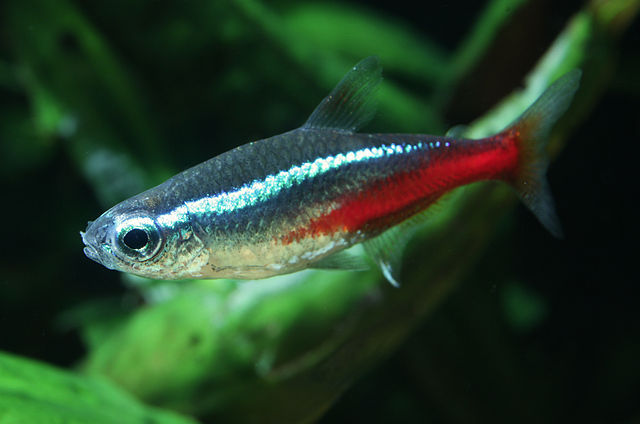
Cardinal Tetra: Native to blackwater rivers themselves. Red and blue lines become even more vivid.
Neon Tetra: Like cardinals, optimal for coloration and long-term health.
Black Neon Tetra: Dark water makes silhouettes stand out dramatically.
Bettas and Gouramis
Wild Betta species (splendens, mahachai, etc.): Some species are said to require blackwater for breeding.
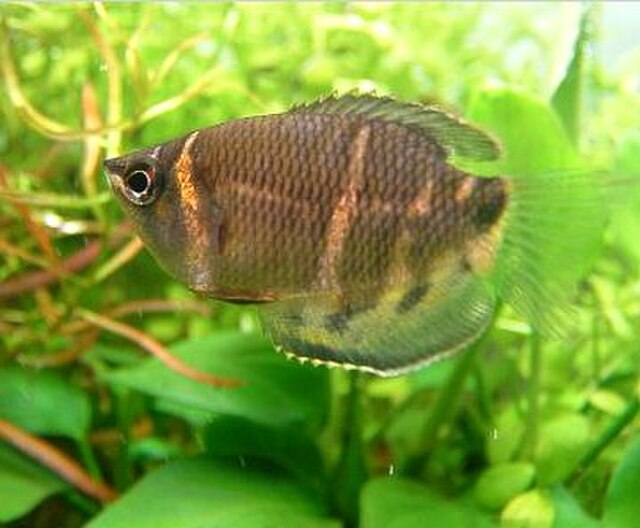
Chocolate Gourami: Difficult to maintain long-term without weakly acidic, soft water. Blackwater is essential.
Apistos
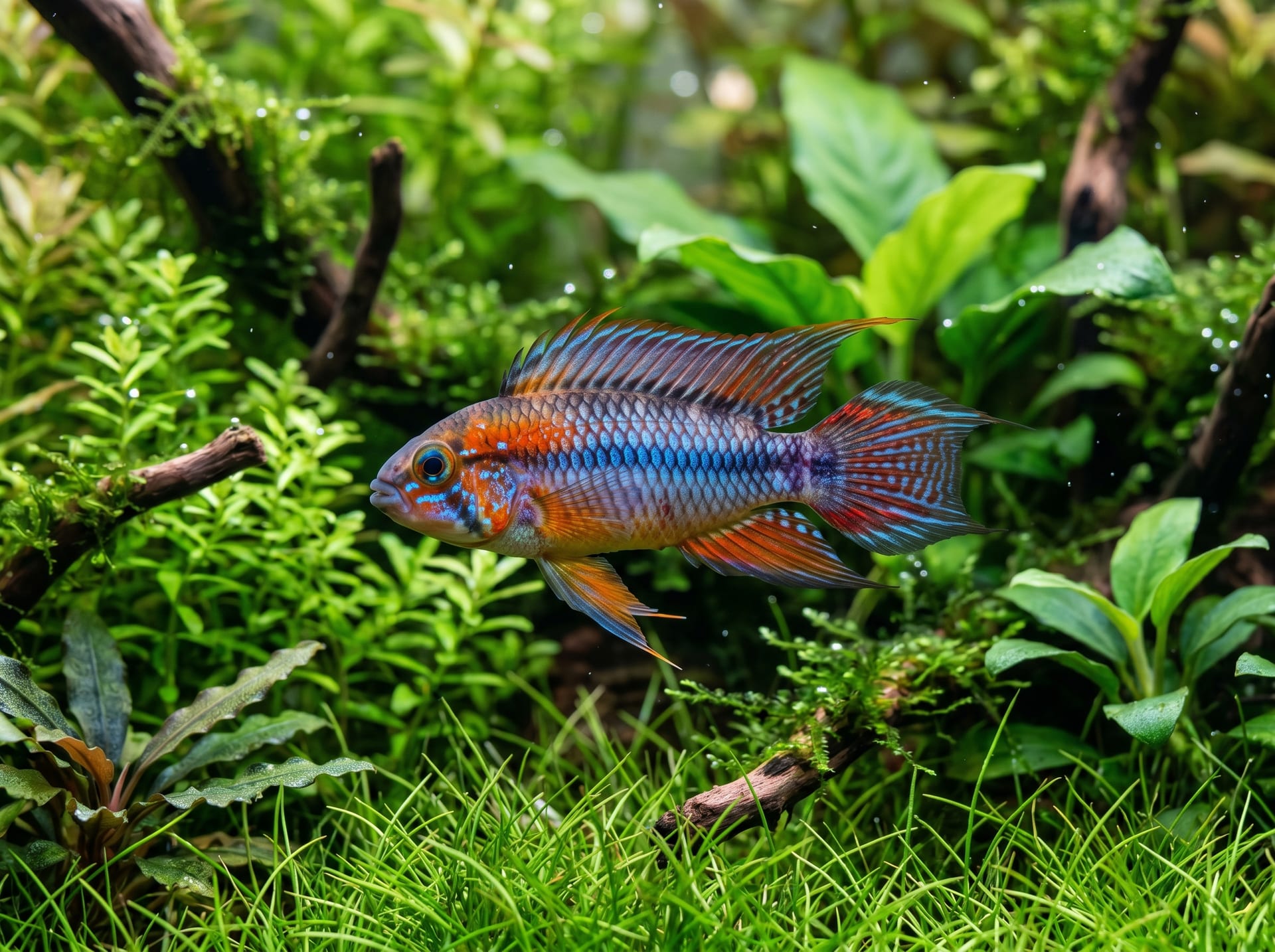
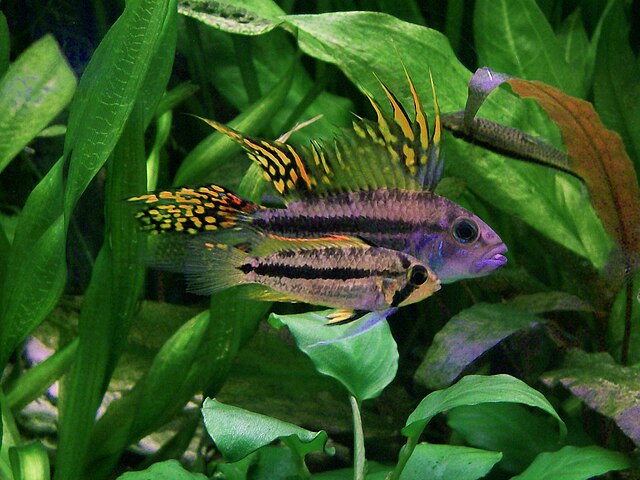
Apistogramma cacatuoides, A. agassizii, and others: Can be bred in pH 5 water. Blackwater aquariums are ideal breeding setups.
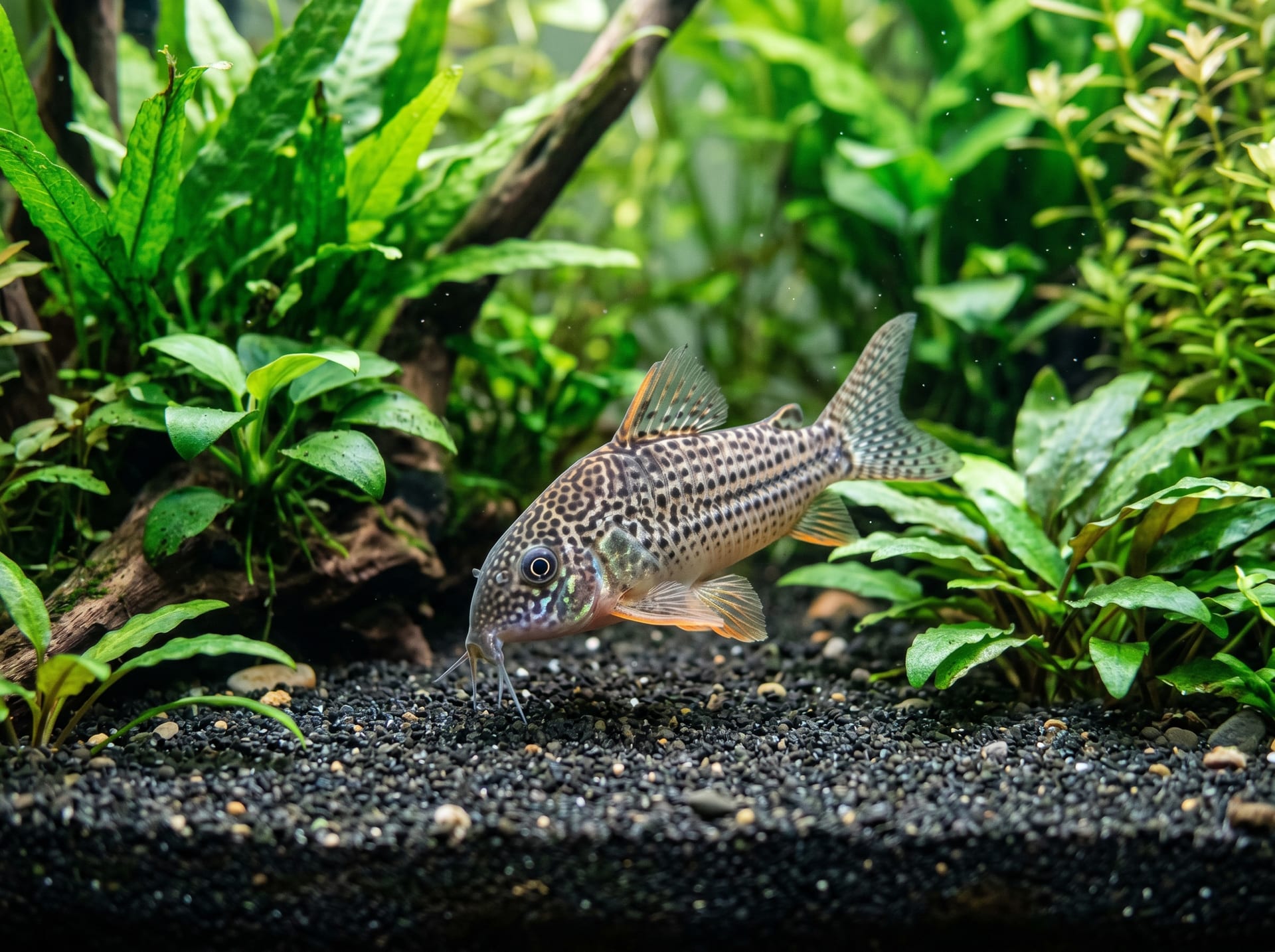
Corydoras and Bottom Dwellers
Corydoras hastatus: Small species that swim among leaves, enhancing the biotope feel.
Dwarf Pencilfish species: Their distinctive behavior of hovering motionless over leaves is fascinating to observe.
---
Aquascaping Approach
Blackwater aquarium layouts embody "the aesthetics of simplicity." Eliminate unnecessary décor and compose the tank using only natural materials.
Substrate and Basic Structure
White sand or light-colored silica sand layered thinly is recommended. It creates color contrast with the tea-brown water, making fish silhouettes beautifully prominent. Alternatively, a bare-bottom approach with only fallen leaves scattered on the substrate is more authentic.
Driftwood and Leaf Placement
Position driftwood diagonally across the tank, and scatter fallen leaves randomly around the base. This alone evokes the atmosphere of an Amazonian riverbed. For aquatic plants, species like Anubias nana and Microsorum are well-suited—attach them to driftwood, as they thrive in low light and weakly acidic conditions.
Lighting and Ambiance
Choose warm-colored lighting (3,000–4,000K). Combined with the amber-tinted water, it creates a warm, sunset-like atmosphere. Moderately low light intensity encourages fish to exhibit calm, natural behaviors.
---
Water Management and Maintenance Tips
After setup, perform weekly 20–30% water changes. For water changes, using RO water or soft water pre-soaked with magic leaves prevents drastic shifts in water chemistry. Make pH and GH measurements a weekly habit. When tannin sources decompose and deplete, replenish them; color fading is the signal to add more. Sponge filters or external filters (with modest flow) work best. Strong current stresses blackwater fish, so direct the outflow toward the water surface to disperse flow.
---
Safety and Assurance at br-choku
At br-choku, you can purchase wild bettas, apistos, cardinal tetras, and other blackwater-adapted fish directly from breeders. Fish raised in environments closely resembling their native waters display exceptional coloration and generally tolerate environmental transitions with less stress. Before purchasing, you can ask breeders about their "pH and GH values," allowing you to check compatibility with your tank in advance. Should any issues arise, a support system is in place, so even first-time blackwater aquarists can confidently welcome their new fish. Start your authentic biotope journey today with br-choku.