Angelfish Pairing Behavior Guide | How to Identify Pair Formation and Spawning
Explanation of angelfish pairing behavior. Introduction to natural pair formation, behavioral changes before spawning, and egg management methods.
Key Takeaways
Explanation of angelfish pairing behavior. Introduction to natural pair formation, behavioral changes before spawning, and egg management methods.
Related Species
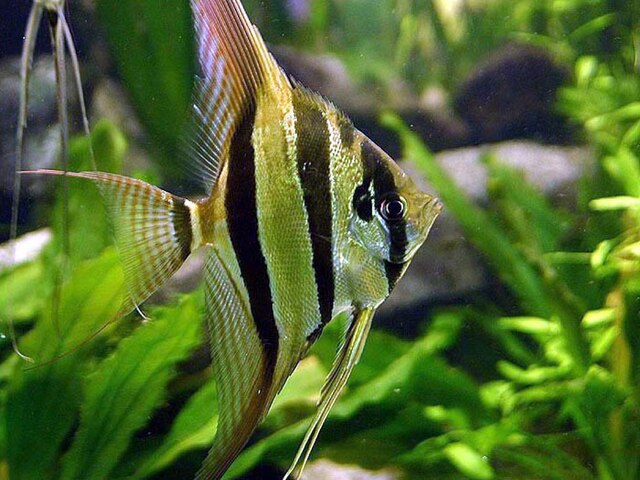
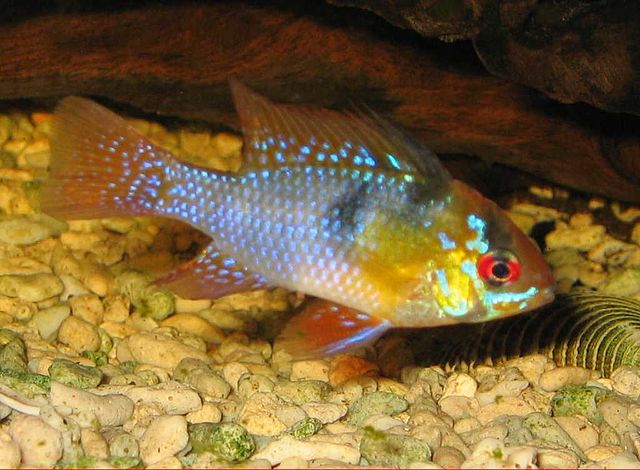
Angelfish are among tropical fish species that allow you to fully enjoy the pleasure of breeding. In contrast to their elegant swimming, when breeding season arrives, they display a deeper side—showing strong territorial awareness and cooperating with their partners to raise offspring. However, if you don't know the process of pair formation or the signs of spawning, you might miss valuable breeding opportunities. This article provides an easy-to-understand explanation for those attempting breeding for the first time, from natural pair formation methods to behavioral changes before spawning and how to raise fry.
"Leaving It to Nature" is the Golden Rule for Angelfish Pair Formation
Angelfish are extremely difficult to distinguish males from females by appearance. Since identification is nearly impossible until the breeding tube appears, the method of "purchasing one male and one female separately to form a pair" often fails in practice.
The most successful approach is purchasing 6 to 8 juveniles at once and raising them together in the same tank. As they grow, individuals naturally assess their compatibility with each other, and a pair typically forms within 6 to 12 months. This method has the following advantages:
- Naturally compatible combinations are formed
- With multiple individuals present, bullying is dispersed rather than concentrated on one
- After the pair forms, the remaining individuals can be moved to a separate tank to keep the breeding tank clean
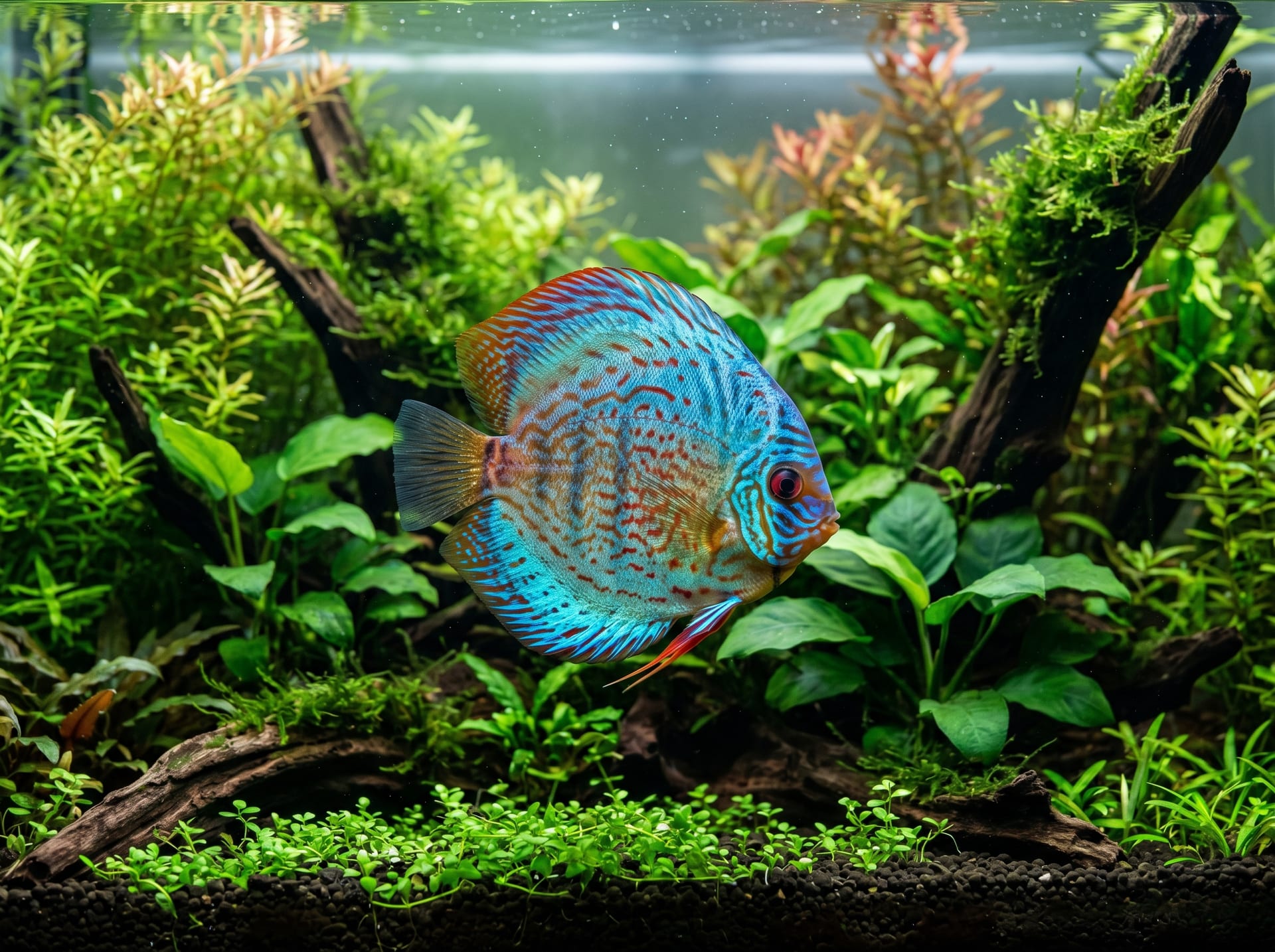
A tank size of 60 cm or larger is recommended. Since you'll be keeping multiple fish long-term, stable water conditions and sufficient space are essential. Additionally, planting broad-leafed plants (such as Amazon sword) can later serve as a spawning site. Compared to discus fish, which are favored in the same large cichlid tanks, angelfish adapt more easily to a wide range of pH from slightly acidic to neutral, making them manageable even for a first-time breeding setup.
Four Behavioral Signs That Indicate Pair Formation
When a pair is forming, angelfish display characteristic behaviors. If you observe several of the following signs, you can consider pair bonding to be progressing.
Lip Locking (Mouth Kissing)
Two fish face each other head-on and bite each other's mouths. While it may look like fighting at first glance, this is considered a "bonding confirmation behavior" seen in the early stages of pairing. If this is repeated with vigorous swaying movements, it's a sign that pair formation is near.
Cooperative Territorial Defense
Once a pair forms, the two fish work together to drive away other fish. They establish a specific area in the tank as their "territory" and simultaneously charge or ram any fish that approach. When you see this behavior, consider isolating the other individuals to reduce stress on fish outside their territory.
Surface Cleaning Behavior
The pair takes turns using their mouths to pick at and clean flat surfaces where spawning might occur—such as plant leaves, glass surfaces, or filter pipes. This is preparatory behavior for establishing a spawning site and is an important sign that spawning is near.
Appearance of Breeding Tubes
The most reliable way to distinguish males from females. A few days before spawning, a female's abdomen develops a thick, rounded-tip "breeding tube," while the male's abdomen develops a thin, pointed "breeding tube (sperm tube)." Once this is visible, you can be certain that spawning will occur within a few days.
Don't Miss the Behavioral Changes That Appear Just Before Spawning
24 to 48 hours before spawning, angelfish behavior changes noticeably. Missing this period is crucial for smooth breeding management.
Behavioral Change Checklist
- Cleaning of the spawning site becomes even more frequent and thorough
- Aggression toward other fish increases dramatically, and the tank becomes turbulent
- The female's abdomen becomes visibly swollen
- The pair remains near the spawning site and doesn't leave
- Appetite decreases or they stop eating almost entirely
When these signs appear, prepare your breeding tank environment. Maintain a water temperature of 27–29°C, with an ideal pH of 6.5–7.0. Keep aeration gentle, and minimize water flow around the spawning site so eggs aren't swept away. Avoid water changes right before spawning, and complete any necessary changes at least 2–3 days in advance to prevent unnecessary stress on the pair.
Egg Management and Hatching Tips
After spawning, the pair works hard to protect the eggs. They alternately pick at the eggs (to remove fungal growths or unfertilized eggs) and perform "fanning" by sending water with their pectoral fins. This dedicated parental behavior is one of the major attractions of angelfish.
Hatching Schedule (at 28°C water temperature)
- Right after spawning to 48 hours: Fertilized eggs appear transparent to pale yellow; unfertilized eggs turn white and cloudy
- 48–60 hours later: Hatching occurs. Fry remain attached to the spawning site with part of the egg shell (yolk sac)
- 5–7 days later: Yolk sac is fully absorbed, and free swimming begins
If the water temperature is lower, this entire schedule shifts backward. Maintaining stable temperature with a heater is the key to improving hatch rates.
Be Cautious of "Egg Eating" in First-Time Spawners
Pairs spawning for the first time often eat their own eggs or newly hatched fry. This is instinctive behavior and tends to occur when the pair senses environmental stress or threats. After experiencing 2–3 spawning cycles, most pairs improve, so patience is essential.
If egg eating persists, you can move the eggs (along with ceramic tiles or aquatic plants) to a separate container after spawning and apply gentle aeration with an air stone for artificial incubation. Adding a very small amount of methylene blue to the container can prevent fungal growth.
Raising Fry | Timing for Separation and Initial Feeding
As soon as fry begin free swimming, you must start feeding them. The ideal first food is newly hatched brine shrimp nauplii. Freshly hatched live brine shrimp are nutrient-rich and powerfully support fry growth.
Raising Fry with Parent Fish
This method involves letting the parents raise the fry until they reach about 1 cm. You can observe natural parental behavior, such as parents carrying fry in their mouths to move them. However, if other fish are present, isolation is essential.
Early Separation Method
This method involves separating the fry from the parents immediately after free swimming begins and raising them in a dedicated fry tank. While management is easier and survival rates are higher, you won't be able to observe parental behavior. Use a sponge filter in the fry tank to prevent the fry from being sucked in.
BreederDirect's Safety and Assurance Systems
When you want to attempt angelfish breeding, choosing the initial pair is extremely important. BreederDirect allows you to purchase angelfish pairs with proven breeding records or individuals with clear breed and bloodline information directly from breeders.
- Direct from breeders: Without middlemen, you can directly confirm the fish's condition and rearing history
- Transparency of breed and bloodline information: It's easy to ask breeders about the environment in which the fish were raised
- Diverse breed lineup: Rare varieties such as bicolor, marble, and smoke black are also available
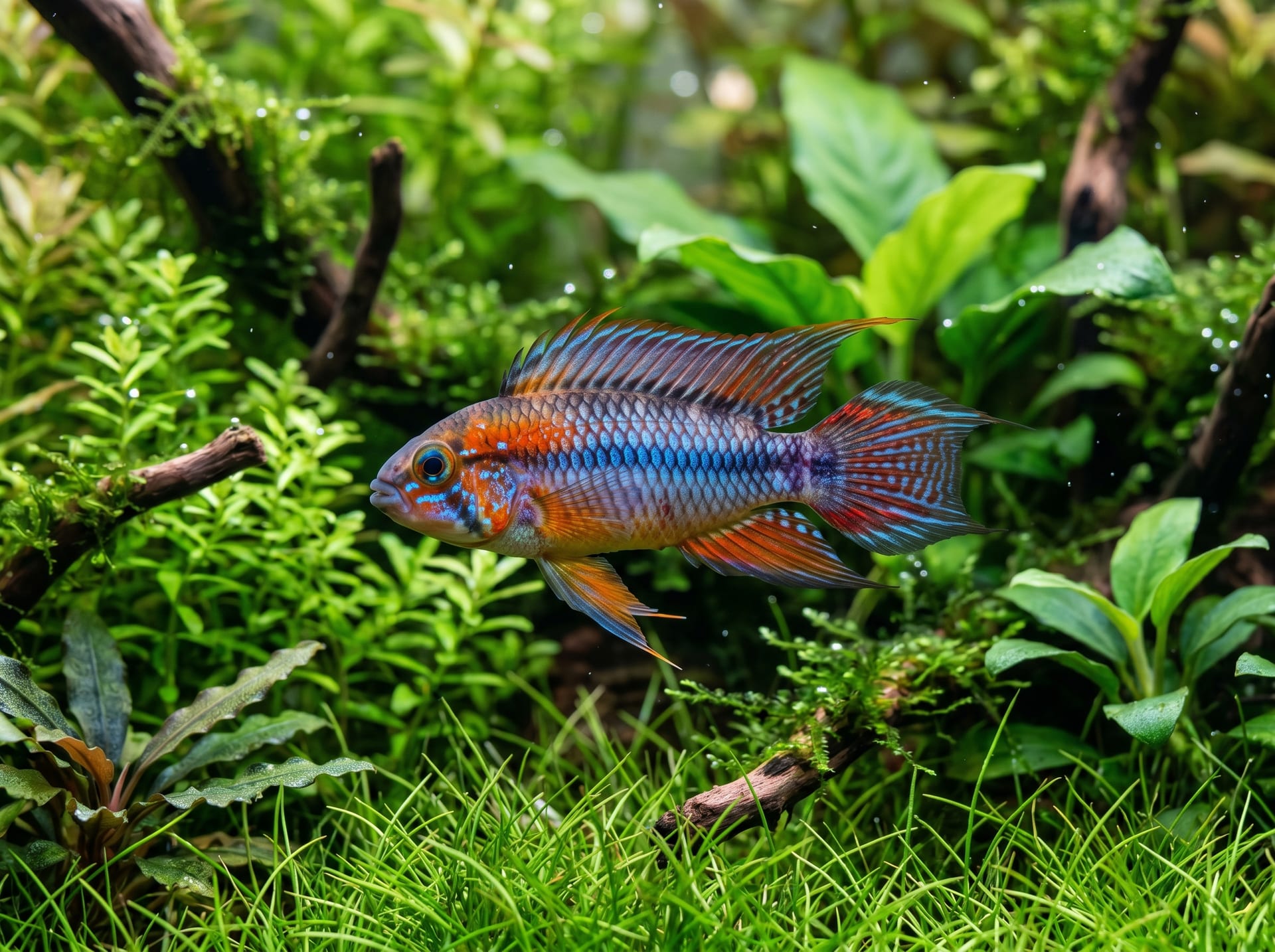
For your first breeding attempt, acquiring an already-established pair can save you the effort of pair formation and let you enjoy spawning immediately. In addition to angelfish, you may find listings of other cichlid species with clear breeding information, such as ram cichlids and apistogramma—it's worth checking these as well. If you're ready to start angelfish breeding seriously, be sure to search for your ideal pair on BreederDirect.