Scalar (Angelfish) Varieties and Color Guide | From Silver to Ghost and Marble
A comprehensive guide to Scalar (Angelfish) varieties, one of the most iconic tropical fish. Discover the characteristics and genetic backgrounds of Silver (Wild Type), Marble, Black, Gold, Ghost, Byron, and other varieties. We also explain tips for bringing out vibrant coloration and the basics of breeding.
Key Takeaways
A comprehensive guide to Scalar (Angelfish) varieties, one of the most iconic tropical fish. Discover the characteristics and genetic backgrounds of Silver (Wild Type), Marble, Black, Gold, Ghost, Byron, and other varieties. We also explain tips for bringing out vibrant coloration and the basics of breeding.
Scalar (Angelfish): An Overview
Scalar (Pterophyllum scalare) is a cichlid tropical fish native to the Amazon River system in South America. Characterized by its diamond-shaped body and elongated dorsal and ventral fins, it is one of the most iconic fish in the tropical aquarium hobby. Known as "Angelfish," it has been cherished by both beginners and advanced aquarium hobbyists for many years.
✍️
BreederDirect Editorial
The BreederDirect editorial team specializes in care information for animals, covering veterinary care and breeding to deliver beginner-friendly guides.
Find Tropical Fish on BreederDirect
Buy directly from verified breeders
Browse Related Listings
Find Tropical Fish listings related to this article on BreederDirect. Buy directly from verified breeders.
While wild-type Scalar display a modest coloration of a silver body with vertical stripes, decades of selective breeding have produced over dozens of varieties and color variations today.
Popular Varieties and Color Variations
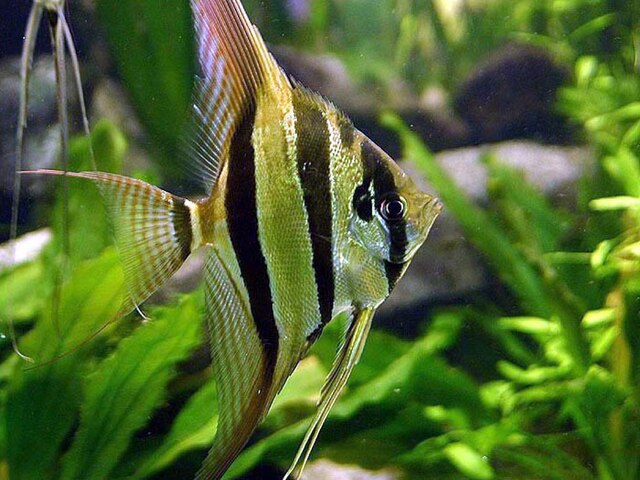
Silver (Wild Type)
The basic form closest to wild types. A simple silver body with four vertical stripes, it is the foundation for all other varieties. Highly hardy, this variety is ideal for those who prefer non-selectively bred fish or prioritize breeding success.
Marble
An irregular marble pattern mixing black, white, and silver. Each individual displays a unique pattern, making "no two fish alike" the charm of this variety.
Black (Dark)
A variety where the entire body is covered in black to dark gray. The intensity of coloration varies depending on the combination of black color genes (dark genes). Breeding with Black Marble can produce more complex patterns.
Gold (Golden)
A pale yellow to golden body color. Produced by the expression of white and gold color genes. This variety is particularly popular as an accent color in aquariums.
Altum Type (Scalar-Altum Hybrid)
Individuals produced through crossing with Altum Angelfish (Pterophyllum altum) or selective breeding, possessing a body form similar to Altum (extremely long fins, greater body height). While distinct from pure Altum, these individuals develop into impressive, large specimens.
Byron / Ghost
A variety with extremely pale coloration, appearing nearly white to light silver. Expressed through the combination of ghost and Byron genes. Under tank lighting, they display a nearly translucent, mystical appearance.
Chaos Leopard
An advanced variant of the Marble pattern with a complex color scheme. Characterized by speckled patterns mixing black, white, and gold.
Blue, Smoke, and Platinum
Relatively new varieties featuring bluish or platinum (glossy) coloration. With complex genetic backgrounds, color reproduction varies depending on breeding combinations.
The Genetics Behind Selective Breeding
Multiple genes governing body color in Angelfish are known, and their combinations produce the diverse varieties we see today. The major ones are listed below.
Gene
Effect
Dark Gene (D)
Darkens body color to black or dark shade. Homozygous expression results in Black
Gold Gene (g)
Dilutes black pigment to golden color. Recessive inheritance
Ghost Gene (gh)
Eliminates vertical stripes. Body color becomes pale
Marble Gene (M)
Produces irregular black spots on body
Pale Gold
Even paler yellow than Gold
By strategically combining these genes, breeders can obtain offspring with desired coloration at predictable ratios. To reliably produce the desired phenotype at high frequencies, using parent fish with confirmed genotypes (homozygous individuals) is essential.
Basic Care Requirements
Parameter
Ideal Range
Water Temperature
75-82°F (25-28°C)
pH
6.5-7.5 (Neutral to Slightly Acidic)
Hardness
Soft to Medium Hard Water (GH 3-10)
Tank Size
60cm minimum (tall tanks preferred)
Tank Mates
Compatible with mid-sized peaceful tropical fish
Because Angelfish have significant body height, taller tanks such as "60cm High" or "90cm tanks" better showcase their graceful swimming compared to standard 60cm tanks. Weak to moderate water current is appropriate, as strong currents cause stress.
Tips for Enhancing Coloration
The following techniques are effective for maximizing coloration in selectively bred colored Angelfish.
Dark substrate (black or brown soil): Enhances body color contrast and reflection
Color-enhancing food containing plant-based ingredients (Spirulina or Chlorella): Improves coloration in Gold and Marble varieties
Blackwater-like water conditions (slightly acidic, low hardness): Color stabilizes when conditions resemble their natural habitat
Moderate lighting (not too bright): Some individuals may fade under intense light
Breeding Tips
Scalars breed relatively easily when they form natural pairs. They lay eggs on flat rocks or wood surfaces, with both parents cooperating to care for eggs and fry. Fry hatch in 2-3 days and pass through a "fry sac" stage (attached to the parent's flank) before transitioning to free-swimming.
Breeding adults become aggressive, so breeding tanks should house a single pair or be combined with fish larger and more hardy than the parents.
Conclusion
Scalar (Angelfish) stands as an iconic fish representing tropical aquarium keeping, with the joy of selecting your preferred individual from a wealth of varieties and color variations. From the silvery wild-type to the mystical Ghost, and the vibrant Gold and Marble varieties, diverse choices allow you to create your ideal aquarium. Learning the genetics behind these varieties deepens interest in selective breeding, and aspiring breeders may find themselves developing their own unique color lines.