Escape Prevention and Accident Safety Guide — Species-Specific Risks and Practical Measures | ブリちょく
Tips| ✍️ BreederDirect Editorial
Escape Prevention and Accident Safety Guide — Species-Specific Risks and Practical Measures
Species-by-species guide to preventing pet escapes and indoor accidents: blocking escape routes, safe free-roaming practices, and what to do if your pet gets out.
Key Takeaways
Species-by-species guide to preventing pet escapes and indoor accidents: blocking escape routes, safe free-roaming practices, and what to do if your pet gets out.
Escape Prevention and Accident Prevention Guide: Risks and Solutions by Species
Escapes happen when owners least expect them — and once an animal is out, recovery can be extremely difficult. Reptiles, small mammals, and birds are particularly adaptable to new environments, and a delayed discovery can quickly become a dangerous situation. Accidents inside the home (being stepped on, drowning, getting trapped in equipment) are also frequently overlooked risks. This guide covers escape and accident hazards by animal type, with concrete prevention strategies.
---
Understanding When Escapes Are Most Likely
Most escapes stem from human error in one of these situations:
Enclosure lid or door left unsecured: The most common cause — a lid not fully latched after a feeding or cleaning session
Escape during cage maintenance: Animal slips away while the keeper is distracted during cleaning
Bolting through a door: Animal moves through an open interior or exterior door before the keeper can react
✍️
BreederDirect Editorial
The BreederDirect editorial team specializes in care information for animals, covering veterinary care and breeding to deliver beginner-friendly guides.
Find Breeders on BreederDirect
Buy directly from verified breeders
Related Articles
Browse by Category
🪸Coral
🐠Marine Fish
🐟Tropical Fish
🐡Goldfish
🐟Medaka
🦎Reptiles
Share
Unnoticed gap escape: Animal exits through a small gap and is not noticed for hours
Animal-side factors also play a role: breeding season heightens exploration drive, and environmental stress (wrong temperature, inadequate hides) can increase escape motivation.
---
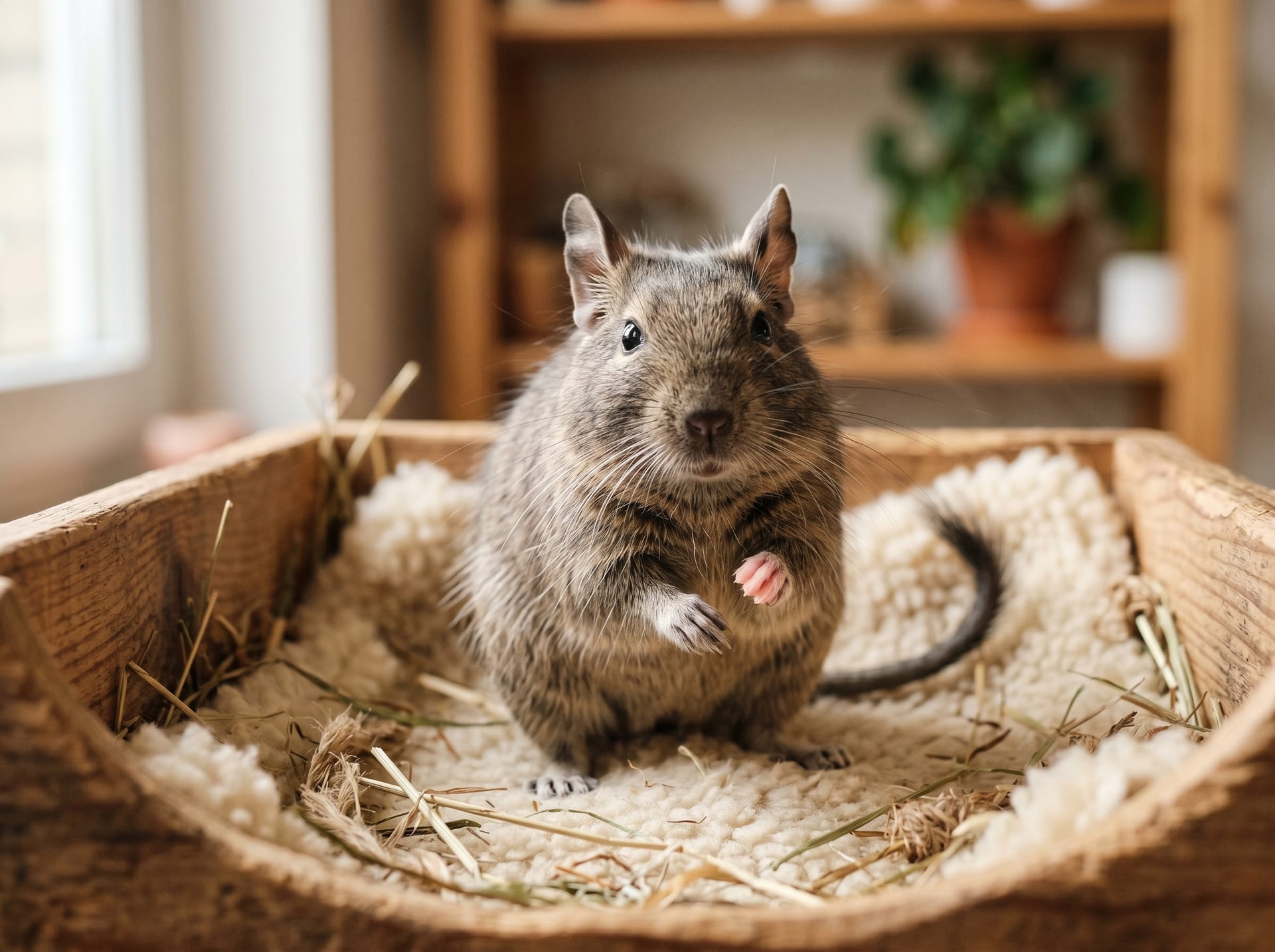
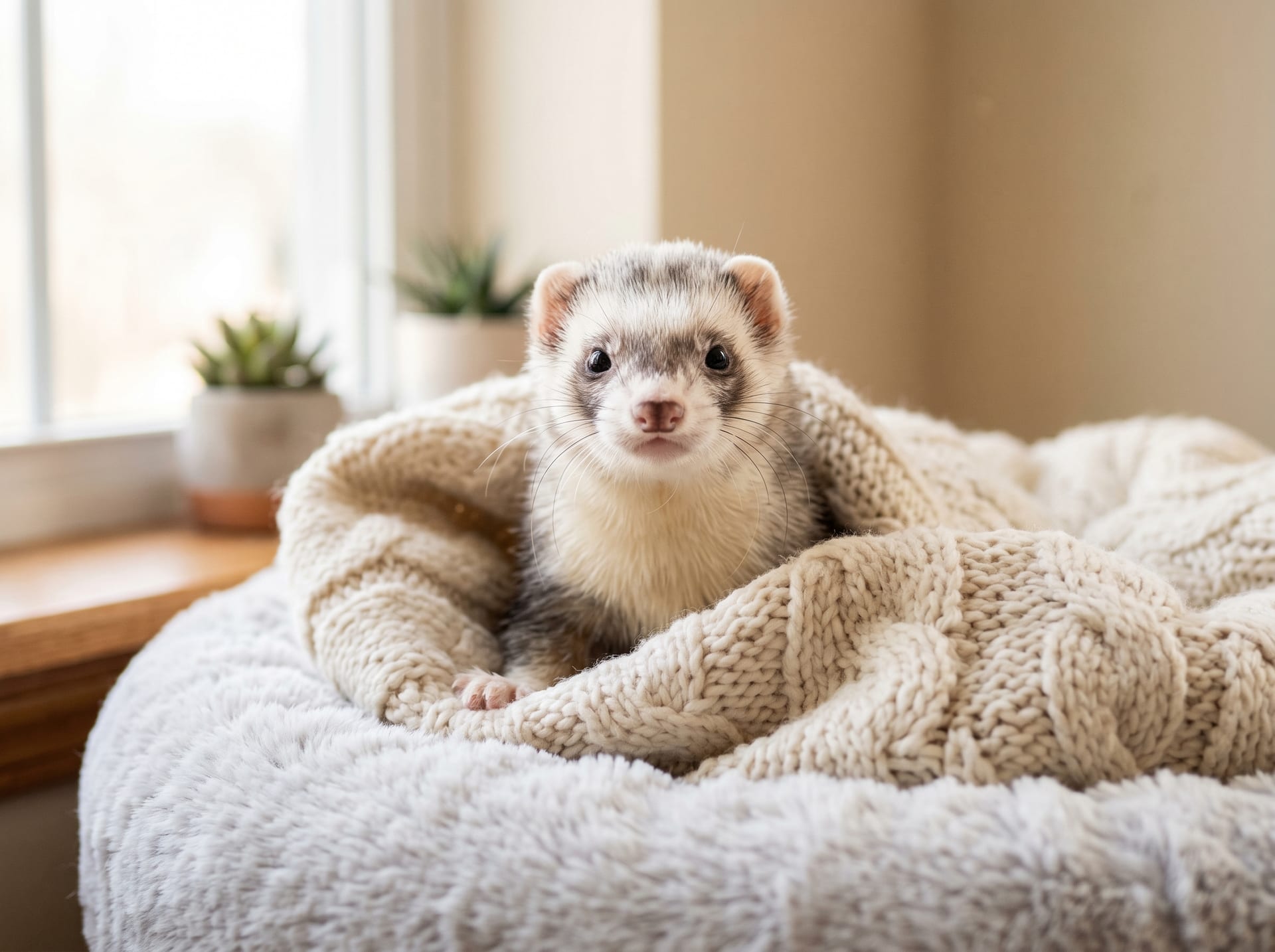
Small Mammals (Rabbits, Ferrets, Degus, etc.)
Identifying Escape Routes
Small mammals can squeeze through gaps that seem impossibly small. Rabbits will attempt to force through a 2-3 cm gap; a ferret can pass through nearly any opening its head fits through.
Prevention
- Choose enclosure panels and exercise pens with mesh gaps smaller than the animal's head
- Block furniture-to-wall gaps, and the areas behind and beneath appliances
- Always check the animal's position before opening any door or window
Indoor Accident Risks During Free-Roam Time
- Chewing electrical cords: Risk of electrocution and choking. Use cord covers and cable management
- Trampling: Keepers can accidentally step on free-roaming animals. Develop a habit of watching your feet
- Falls from height: Dropping from a sofa or shelf can cause fractures in small animals
- Entering washing machines and dryers: Ferrets especially love to investigate enclosed spaces. Always check before starting a cycle
---
Reptiles
Reptile escapes are particularly problematic because they are so hard to detect. Snakes use their flexible bodies to pass through any gap wide enough for their skull; lizards move fast and hide in seconds.
Snakes
Nearly all snake escapes begin with an inadequately secured lid.
Use clip-style locks or weighted objects to secure lids firmly
Ventilation mesh should have holes too small for the snake's snout to pass through
After every feeding or cleaning session, do a final visual check of the lid before walking away
Periodically inspect the entire enclosure for wear, warping, or gaps
If a snake does escape, check warm spots first (near heating equipment, behind electronics) and dark, narrow spaces (under sofas, between furniture and walls). Stay calm and move methodically — panicked searching drives snakes further into hiding.
Lizards and Geckos
- Clip mesh lids so they cannot be pushed open by claws
- With front-opening enclosures, confirm the animal's position before pulling the door open
- Small species (leopard geckos, day geckos) are especially prone to slipping through gaps; inspect regularly
Finding an Escaped Reptile Indoors
1. Close all doors and windows to limit the search area
2. Turn off the lights and wait 30-60 minutes — reptiles move toward warmth when they feel safe
3. Place a heat mat or hand warmer on the floor as an attractant
4. Search methodically with a flashlight: behind the refrigerator, behind the washing machine, under the sofa, inside bookshelves
---
Birds
The primary escape risk for birds is an open window or door during free-flight time. A bird can exit in a fraction of a second.
Prevention
- Before letting your bird out of its cage, confirm that every window and exterior door is fully closed
- Consider installing fine mesh on the inside of windows in the bird's room
- Cover large mirrors to prevent collision injuries during flight
Indoor Accident Risks
- Ceiling fans and electric fans: Never run a fan when a bird is loose
- Boiling liquids and stovetops: The kitchen is off-limits during free-flight time. Hot steam can cause severe respiratory damage
- PTFE-coated (non-stick) cookware at high heat: Overheated PTFE coating releases fumes that are acutely lethal to birds. Avoid using non-stick cookware in any room a bird occupies
---
Fish and Aquatic Animals
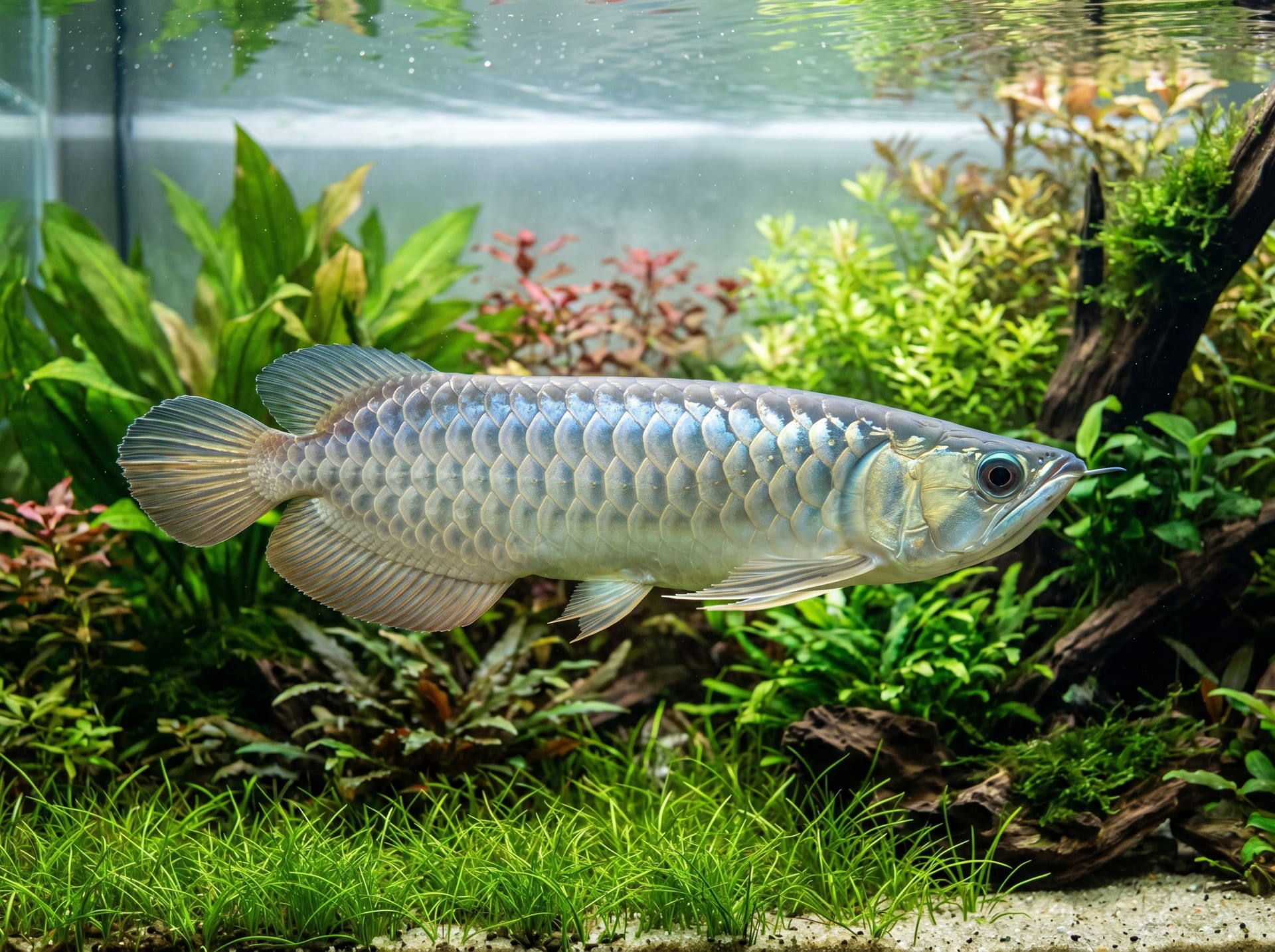
Many keepers assume fish cannot leave their tank — but species with strong jumping ability escape more often than expected.
Prevention
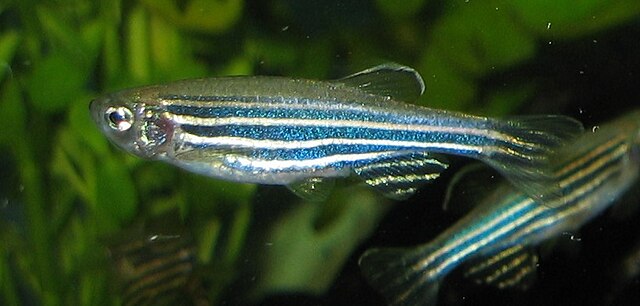
- Install a tight-fitting lid (glass or plastic cover pane): essential for known jumpers — arowana, goldfish, zebra danio, and many tetras
- Minimize cord and tube gaps in the lid
- Maintain adequate headspace between the water surface and the top of the tank
Equipment Hazards
- Pump impellers: Use sponge pre-filters to prevent small fish and fry from being drawn in
- Heater burns: Use a thermostat-controlled heater and verify the set temperature regularly
---
If an Escape Happens
Despite every precaution, escapes can still occur. If they do:
Stay calm: Panicking causes the animal to retreat further into hiding
Contain the search area: Close all interior doors and seal the room
Use attractants: Preferred food, a heat source, or a familiar hide will often draw the animal out on its own
If not found within a few hours: Alert neighbors, especially if the animal may have reached outdoors
Social media outreach: Local pet community groups and X (Twitter) posts with photos and descriptions can be remarkably effective for outdoor recoveries
---
Summary
The majority of escapes and accidents begin with a moment of inattention. Building three habits into every care routine — secure the lid, check for gaps, verify the room — is the single most effective prevention strategy. For reptiles, small mammals, and birds especially, the goal is an environment so reliably secure that escape is structurally impossible, because recovery after the fact is genuinely difficult.
---
On br-choku, breeders share husbandry knowledge alongside their animals. When you buy from br-choku, you gain direct access to experienced keepers who can advise on escape prevention, safe housing setups, and species-appropriate enrichment for the animals they know best.