【Summer Heat Measures】 7 Ways to Beat High Water Temperatures in Your Aquarium
Introducing 7 strategies for managing water temperature rise in summer. We explain budget-friendly methods including fans, coolers, and enhanced aeration.
Key Takeaways
Introducing 7 strategies for managing water temperature rise in summer. We explain budget-friendly methods including fans, coolers, and enhanced aeration.
Related Species
As summer arrives, the greatest enemy for aquarists is "high water temperature." When room temperature exceeds 30℃ for extended periods, aquarium water temperature rises rapidly, causing serious damage to fish. As water temperature increases, dissolved oxygen levels in the water decrease, making fish prone to respiratory distress. Furthermore, higher temperatures create an environment where bacteria and parasites thrive, causing a sharp rise in the risk of infectious diseases such as ich.
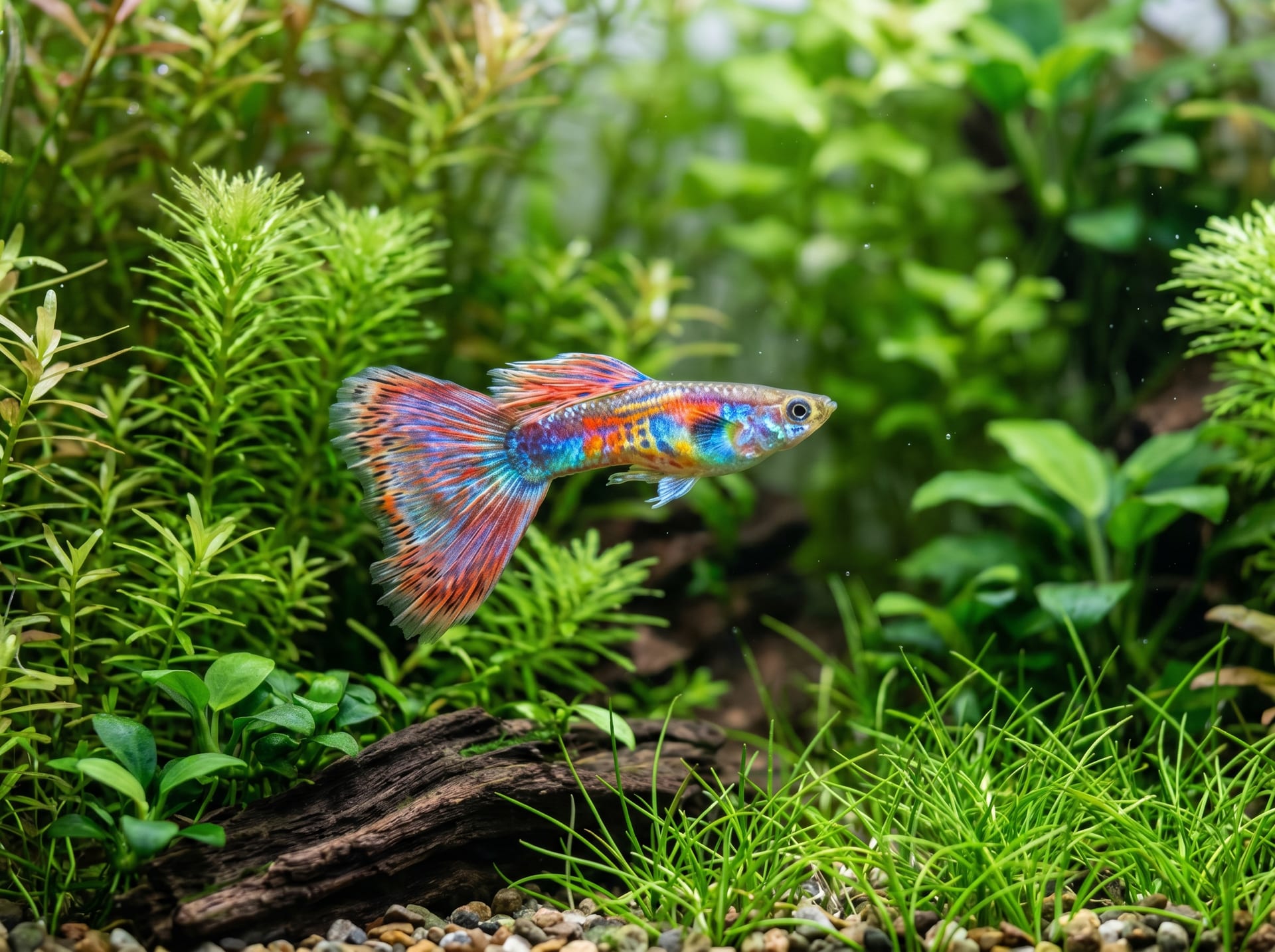
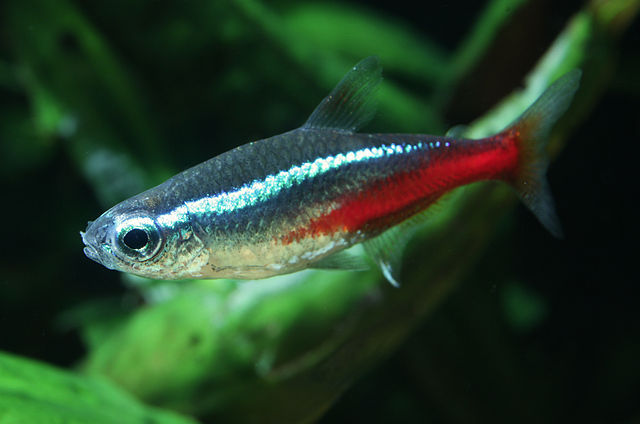
Most tropical fish prefer water temperatures between 25–28℃. When temperatures exceed 30℃, the stress on fish increases significantly, and at 32℃ or higher, many species suffer fatal damage. In particular, beginner-friendly tropical fish like neon tetras and guppies include species with weak heat tolerance, making summer management especially important. This article introduces 7 practical measures to prevent water temperature rise. Combine multiple strategies suited to your own aquarium setup.
Measure 1: Install a Cooling Fan
The most cost-effective and easy solution is installing an "aquarium cooling fan." Attached to the rim of your tank and directed at the water surface, evaporative cooling can lower water temperature by approximately 2–4℃.
These fans typically cost between 2,000–5,000 yen and are accessible even for beginners. However, water loss through evaporation becomes significant, requiring daily top-offs. When water level drops, specific gravity changes, requiring special attention in saltwater tanks. Additionally, in extremely hot environments, cooling effectiveness is limited, so combining this with other measures is recommended.
Measure 2: Install an Aquarium Chiller
For reliable and stable temperature control, an "aquarium chiller" is the most dependable option. It automatically maintains your set temperature, unaffected by weather conditions the way fans are.
Chillers provide excellent cooling capacity and are practically essential for coral tanks and large aquariums where temperature control is critical. Prices vary by tank size but generally range from 20,000 to over 100,000 yen. Installation space and electricity costs are considerations, but over the long term, the investment is worthwhile "insurance" against livestock loss.