Thorough Comparison | Stag Beetles vs Japanese Rhinoceros Beetles: Breeding Difficulty, Cost, and Characteristic Differences
A thorough explanation of the differences in breeding difficulty, lifespan, reproduction methods, and costs between stag beetles and Japanese rhinoceros beetles.
Key Takeaways
A thorough explanation of the differences in breeding difficulty, lifespan, reproduction methods, and costs between stag beetles and Japanese rhinoceros beetles.
Related Species
Which Should You Choose? Stag Beetles or Japanese Rhinoceros Beetles? Understanding the Basic Differences First
The two superstars representing the beetle world—stag beetles and Japanese rhinoceros beetles. Every summer, there are countless people asking, "Which one should I keep?" Both are insects that color Japan's summers, but their characteristics and breeding styles differ greatly.
This article provides an easy-to-understand thorough comparison of both for everyone, from those taking on insect breeding for the first time to experienced enthusiasts looking to delve deeper. Use this as a hint to find the right beetle for your lifestyle and goals.
---
Differences in Appearance and Ecology
First, let's look at the most eye-catching difference in appearance.
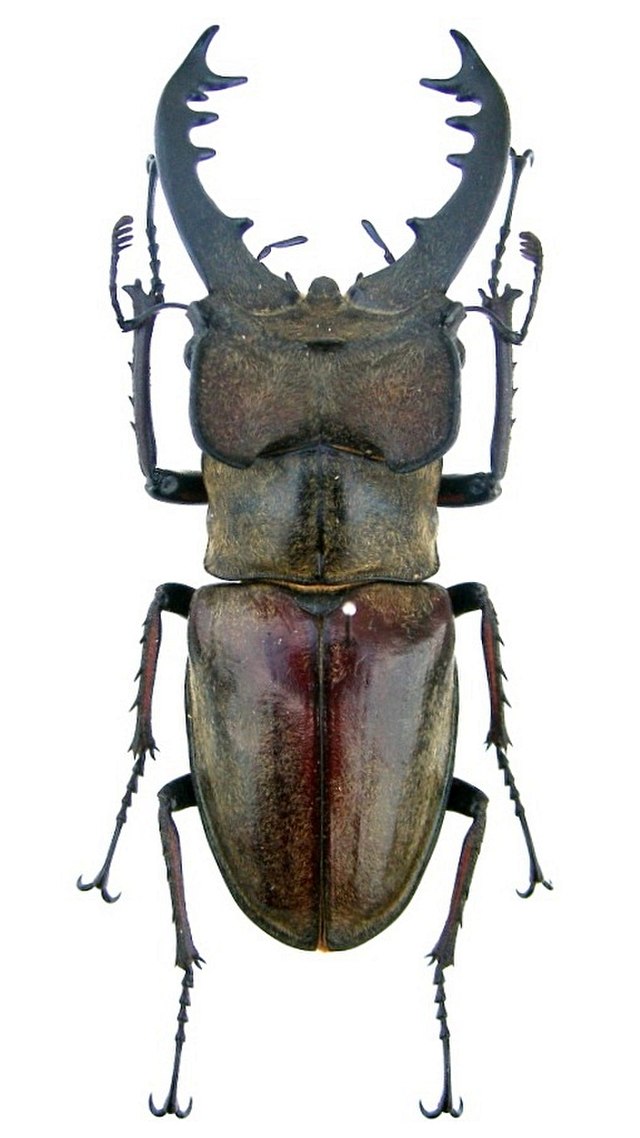
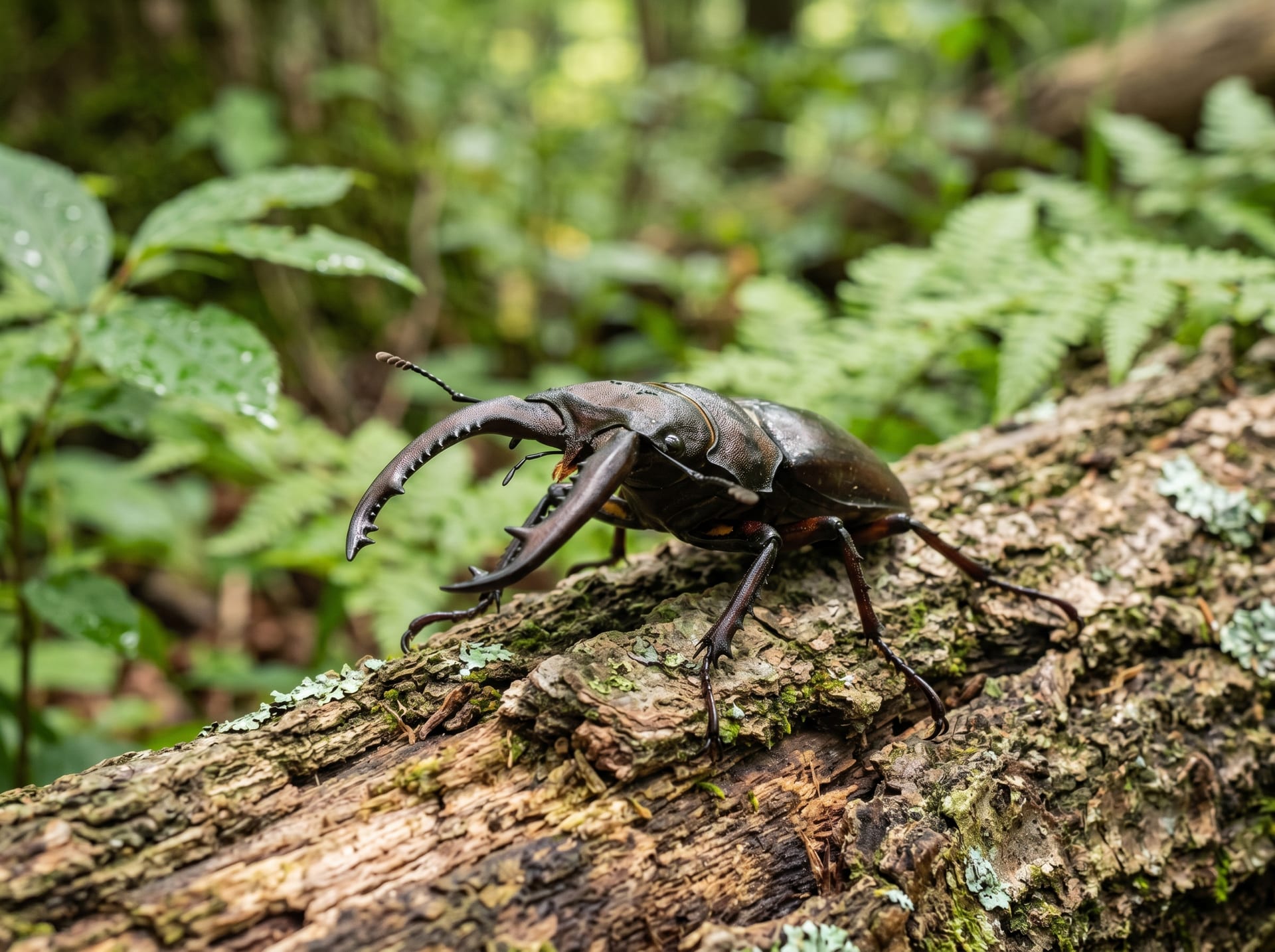
Stag beetles are characterized by their "mandibles," as their name suggests. The mandibles of males are developed in a scissor-like shape, and when males fight, they squeeze and throw their opponents. The shape varies greatly depending on the species—the serrated mandibles of the saw stag beetle, the impressive ear-like protrusions of the Miyama stag beetle, the sturdy thick mandibles of the Japanese giant stag beetle—the diversity of appearance is one of its charms.
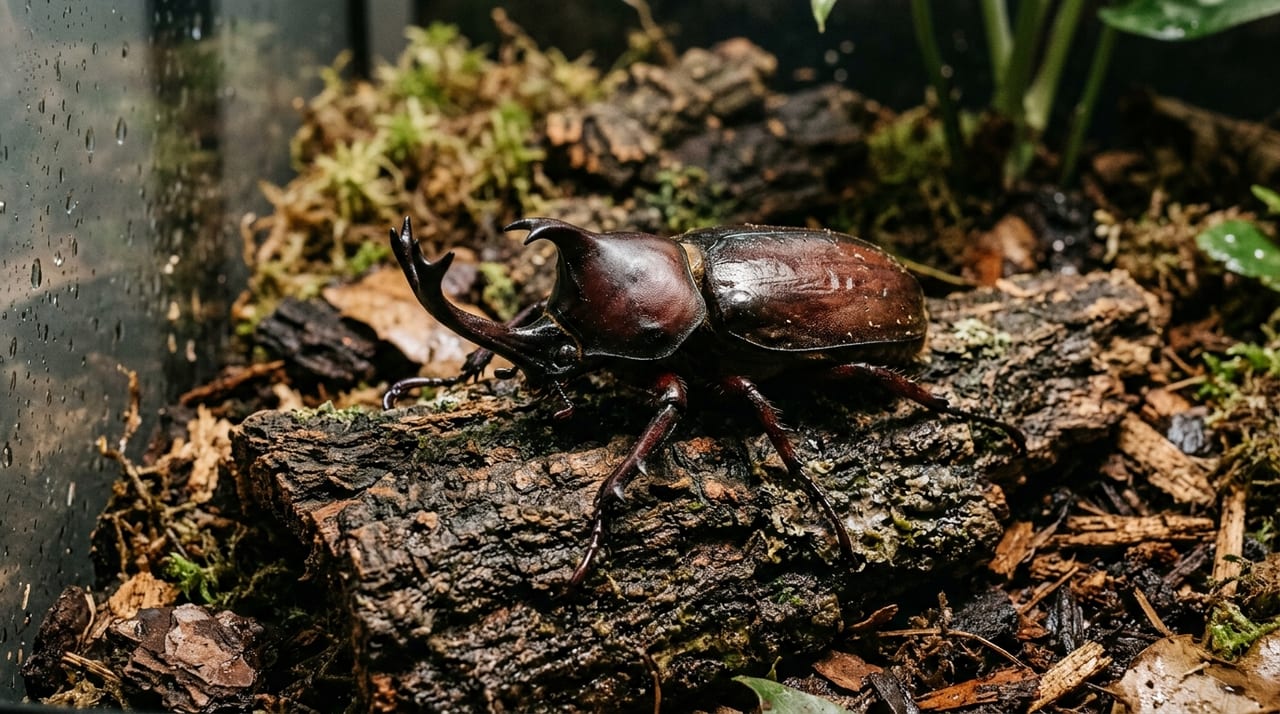
On the other hand, Japanese rhinoceros beetles are symbolized by the "horns" growing on the male's head. The powerfully curved horns are a weapon for fighting, and males clash their horns against each other to compete for tree sap locations. Since females lack horns, distinguishing males from females is easy at a glance. Japanese rhinoceros beetles have large, sturdy bodies, and their presence captivates children endlessly.
In terms of ecology, stag beetles are strongly nocturnal and often hide in tree crevices during the day, while Japanese rhinoceros beetles are also nocturnal but more active with better flight capability. The difficulty of capturing them in the wild tends to be slightly lower for Japanese rhinoceros beetles.
---
Lifespan and Breeding Period Comparison
Before starting to keep them, it's very important to understand their lifespan and breeding period.