Small AnimalsPublished: / Updated: | ✍️ BreederDirect Editorial
Complete Guide to Small Animal Odor Control: Identifying Causes and Effective Deodorization Methods
Comprehensive guide to the causes of and solutions for odors in small animal care. We've compiled effective methods covering bedding selection, cleaning frequency, use of deodorization products, and improving body odor through diet.
Key Takeaways
Comprehensive guide to the causes of and solutions for odors in small animal care. We've compiled effective methods covering bedding selection, cleaning frequency, use of deodorization products, and improving body odor through diet.
Related Species
Keeping small animals indoors inevitably brings with it the challenge of odor. You may worry about guests noticing, receive complaints from family members, or have become so accustomed yourself that your senses have dulled—many pet owners face such concerns. However, by correctly understanding the "causes" of odors and combining appropriate countermeasures, it is entirely possible to significantly reduce odors even in indoor housing. This article systematically explains practical solutions ranging from the mechanism of odor generation to bedding selection, the use of deodorization products, and dietary management.
Accurately Identifying the Main Causes of Odor
To implement effective measures, it is important first to identify "what is producing the odor." Odor sources can be broadly classified into three categories.
1. Odor from Feces and Urine
The most significant contributor is waste matter. Ammonia contained in urine becomes more volatile over time, intensifying the odor. When urine soaks into bedding and is left unattended, it promotes bacterial growth and amplifies odors many times over. Feces vary depending on species and diet, but fresh waste typically has minimal odor. The problem arises when feces are left to dry, ferment, or decompose.
2. Body Odor and Scent Glands in Animals
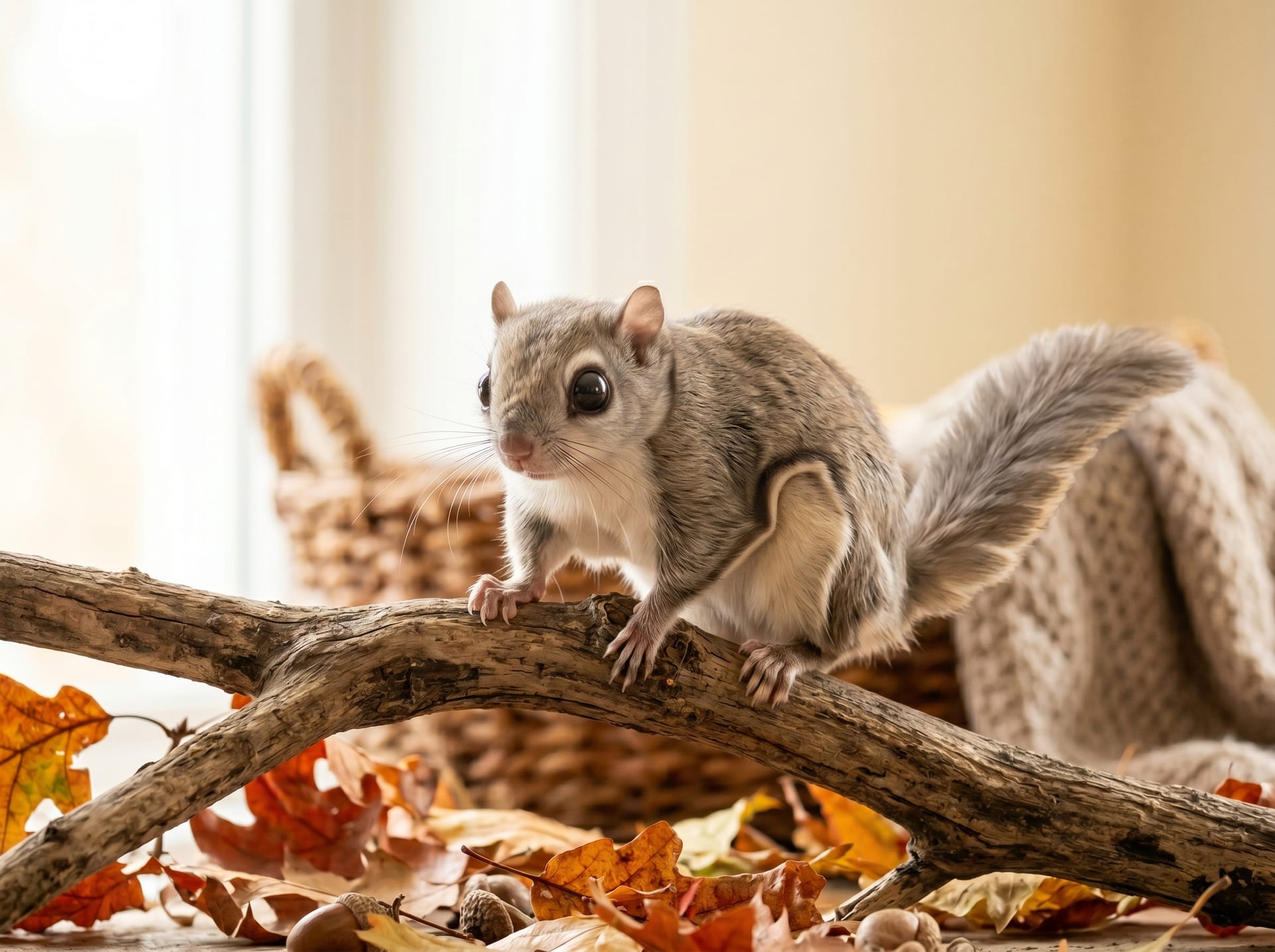
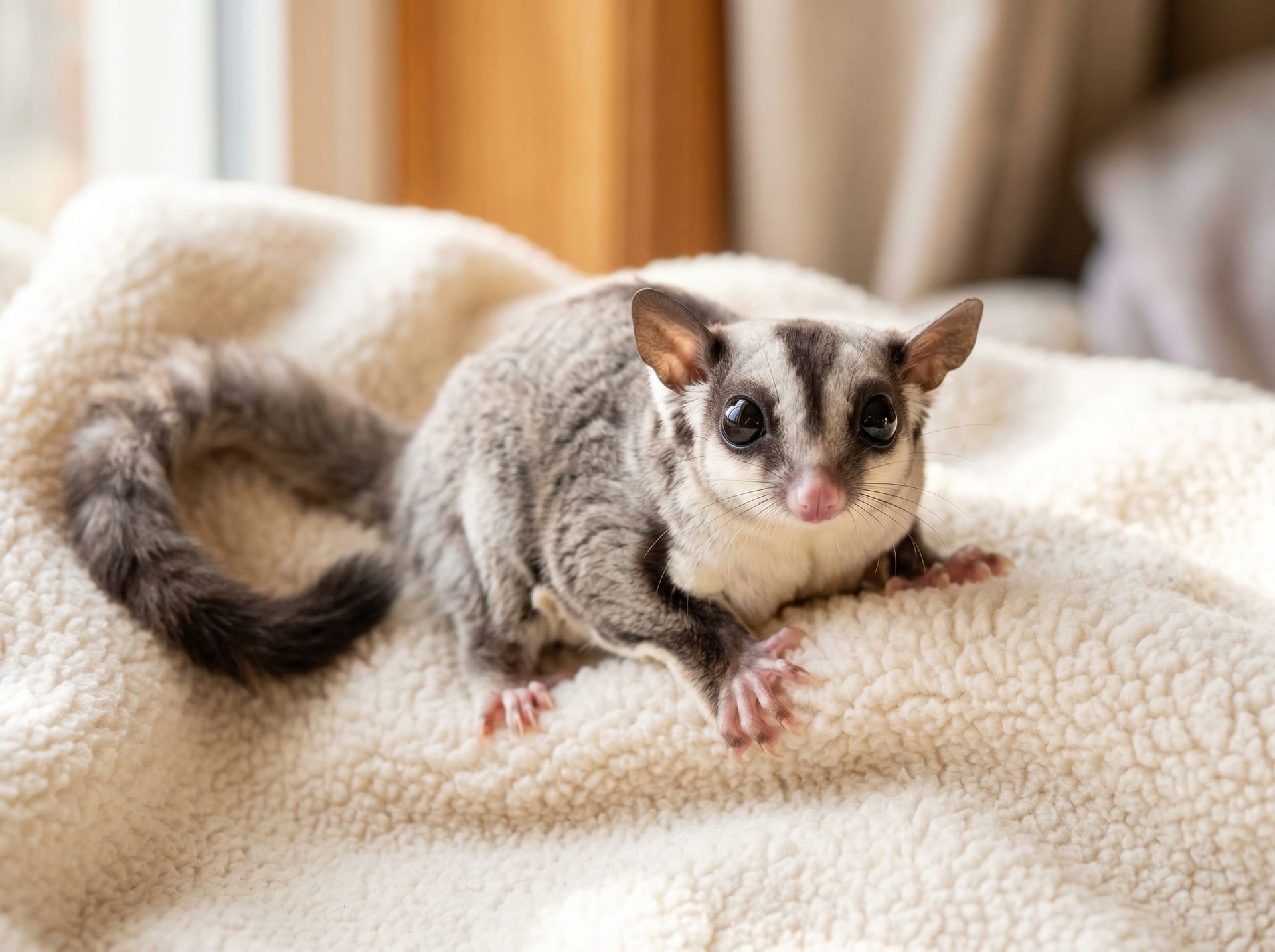
Body odor intensity varies greatly depending on animal species. Ferrets emit a distinctive musky scent from sebaceous glands throughout their body, with intact (unaltered) individuals tending to have particularly strong odor. Male sugar gliders have scent glands on the chest and forehead and use marking behaviors to apply scent. In contrast, hamsters and rabbits have relatively mild body odor, and with proper management, body odor itself rarely becomes a problem in these species.
3. Cage Environment Contamination
Environmental factors such as damp bedding left in place, spoiled leftover food, and stale water in drinking bottles also become strong sources of odor. These create breeding grounds for bacteria and yeast, producing complex, foul smells. In poorly ventilated environments, the problem is compounded further.
Bedding Selection and Changes: The Foundation of Odor Control
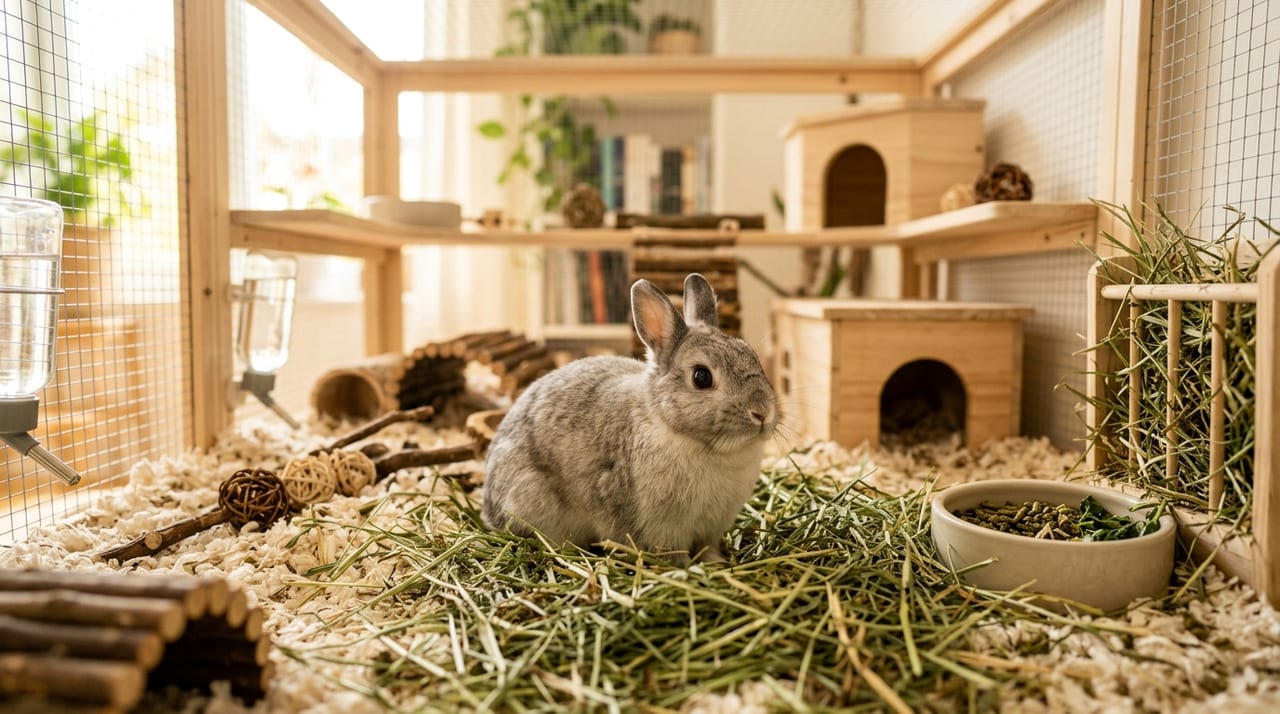
The most impactful odor control measure is managing the type of bedding and the frequency of its replacement. Appropriate bedding adsorbs and neutralizes ammonia from waste and quickly absorbs moisture.
✍️
BreederDirect Editorial
The BreederDirect editorial team specializes in care information for animals, covering veterinary care and breeding to deliver beginner-friendly guides.
Find Small Animals on BreederDirect
Buy directly from verified breeders
Browse Related Listings
Find Small Animals listings related to this article on BreederDirect. Buy directly from verified breeders.
Related Tools
Related Articles
Browse by Category
🪸Coral
🐠Marine Fish
🐟Tropical Fish
🐡Goldfish
🐟Medaka
🦎Reptiles
Share
Characteristics and Selection Guide by Material Type
Softwood chips (Cypress and Fir): Contain natural antibacterial and deodorizing compounds, and their pleasant scent helps suppress odors. However, some small animals (especially hamsters) may experience allergic reactions, so observe your animal's response during the initial transition period.
Paper-based bedding: Carries low allergy risk and provides good water absorption. Deodorizing power is moderate, but it is safe for use with most animals.
Corn litter (corn-derived): Offers an excellent balance of deodorizing power and water absorption, and can be used with most small animals. This is also an environmentally friendly option.
Wood pellets: When absorbing moisture, pellets break down into sawdust-like material, adsorbing odors in the process. This is also a cost-effective choice.
Recommended Bedding Change Frequency
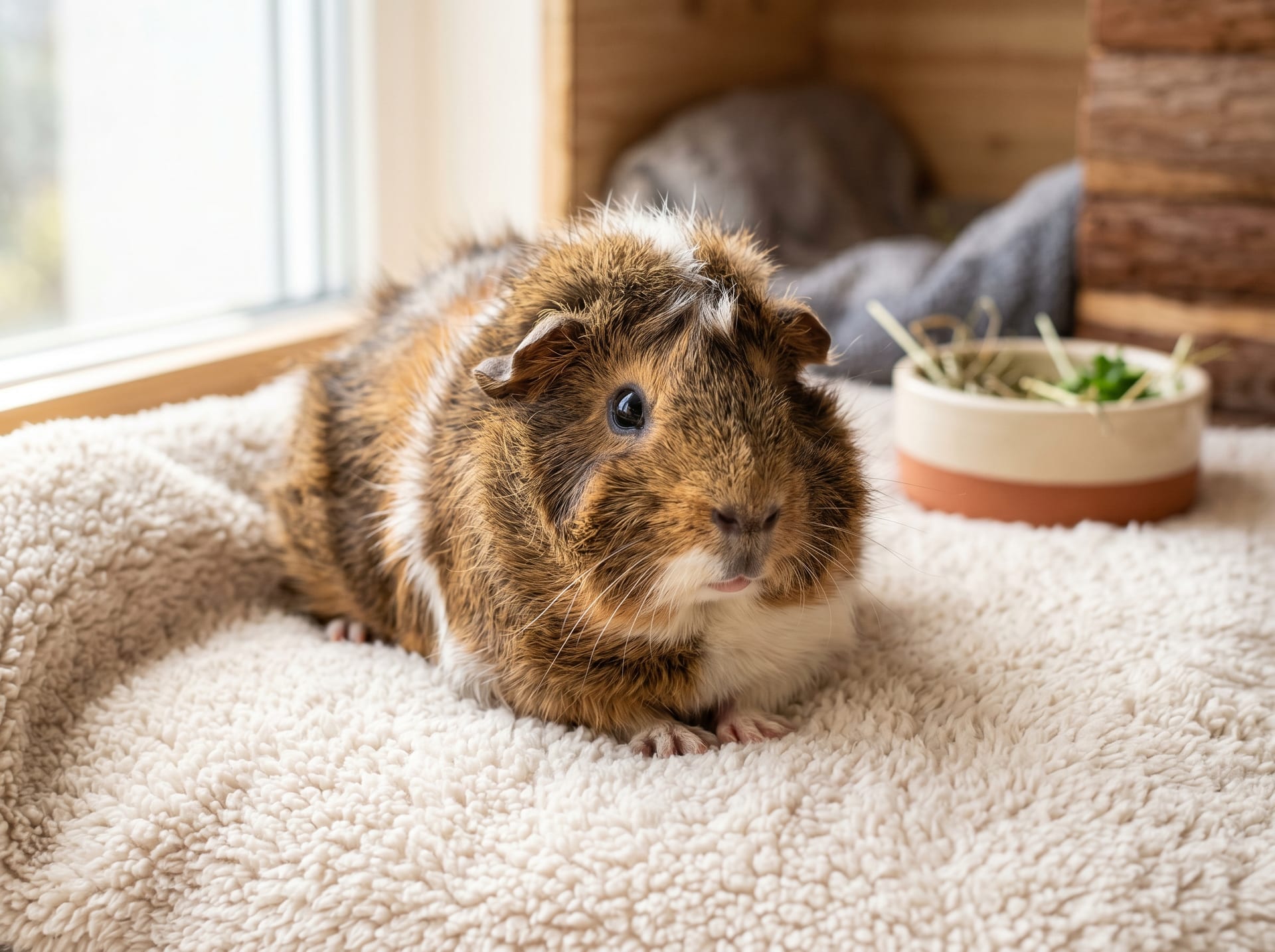
The frequency varies depending on the number of animals and species, but daily partial changes are essential for areas where urine concentrates. Aim for complete bedding replacement once or twice per week. Since many rabbits and guinea pigs learn to use a litter box, you can maintain hygiene by changing only the toilet area daily and checking other areas just every two to three days.
Deodorization Products and Air Environment Maintenance
Combined with bedding management, using deodorization products and improving air conditions creates a synergistic effect.
Recommended Odor-Control Items
Biological deodorizers: These contain beneficial microorganisms that break down organic compounds responsible for odors. Unlike chemical products, they provide sustained effects and are generally highly safe for animals.
Activated charcoal and bamboo charcoal: Placing them near the cage adsorbs odor-causing compounds in the air. If you periodically air-dry them in sunlight, they can be reused multiple times.
Pet-safe deodorizing spray: Can be used for wiping cage walls and bedding surfaces. When using, always remove the animal from the cage and allow the area to dry thoroughly before returning the animal to prevent residual chemicals from remaining.
Improving Indoor Air Quality
Installing an air purifier (equipped with HEPA filter and activated charcoal filter) in the room where the cage is located will reduce odors throughout the space. Ozone-type deodorizers offer powerful odor-control effects, but releasing ozone while animals are present carries health risks, so always move the animal to a separate room before use.
Do not neglect ventilation either. Simply opening a window two to three times per day for a few minutes to exchange air makes a significant difference in indoor odors. However, small animals are sensitive to temperature changes and direct drafts, so move the cage to a location where wind does not blow directly on it, or cover the cage before ventilating. This is an important precaution.
Impact of Diet on Body Odor and Fecal Odor
Often overlooked, the daily diet directly influences fecal odor and body odor. In some cases, odor problems are dramatically improved simply by reviewing diet.
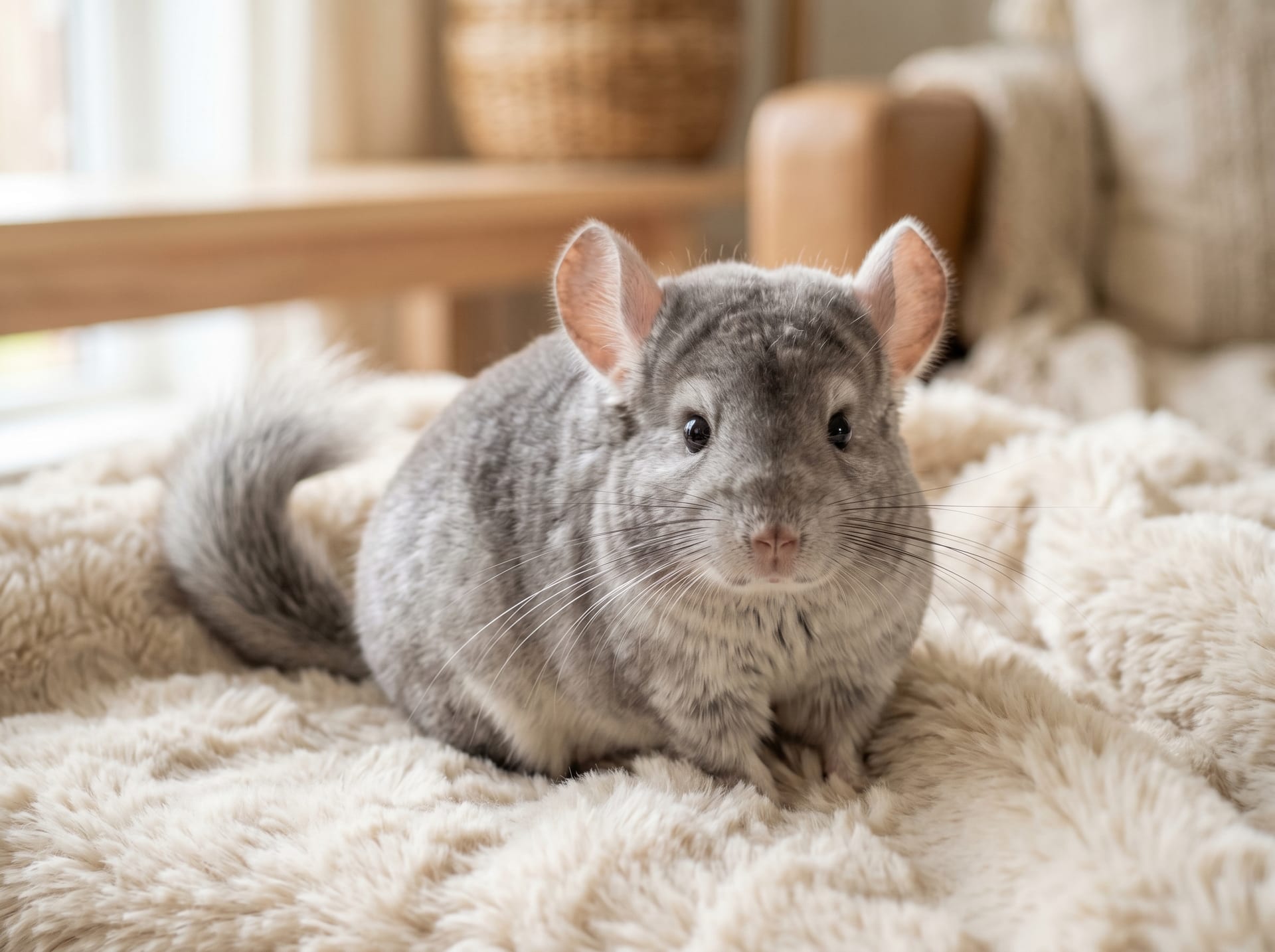
Rabbits, Guinea Pigs, and Chinchillas: When hay (such as Timothy hay) comprises their main diet, intestinal health improves and fecal odor becomes milder. Excessive intake of grain-based treats or sugary foods can lead to poor digestion, resulting in foul-smelling soft stools.
Ferrets: Feeding high-protein, high-quality ferret-specific food improves digestive efficiency, reducing both body odor and fecal odor. Low-quality foods contain many ingredients that are difficult to digest, leading to pungent waste.
Universal Points: Promoting adequate water intake is important. When water intake is insufficient, urine becomes concentrated, intensifying ammonia odor. Replace the water in drinking bottles and water dishes with fresh water daily. Lactic acid bacterial supplements help maintain intestinal flora balance and are reported to be effective in reducing fecal odor.
Ventilation and Room Layout Strategies
Improving the air environment throughout the entire room is also an important odor-control measure. Ideally, place the cage near a window or other location that facilitates ventilation, but choose a position that is not exposed to direct sunlight or sudden temperature changes.
Effective ventilation involves opening windows or doors two to three times per day for approximately five to ten minutes each time. Opening windows or doors diagonally opposite to each other to ensure good airflow is effective. During winter, offset the cage slightly from the path of cold outside air to prevent it from blowing directly on the enclosure. If your home has a 24-hour ventilation system, leaving it running continuously is recommended.
When planning your room layout, fabric items (sofas, curtains, cushions) readily adsorb odors, so either place them away from the cage or increase washing frequency. Odors also penetrate wallpaper, so attaching removable panels or sheets to walls around the cage area is also effective. Place a vinyl sheet or newspaper beneath the cage to prevent odors from transferring to the floor.
Ferret Odor Control: Special Approaches for the Most Challenging Species
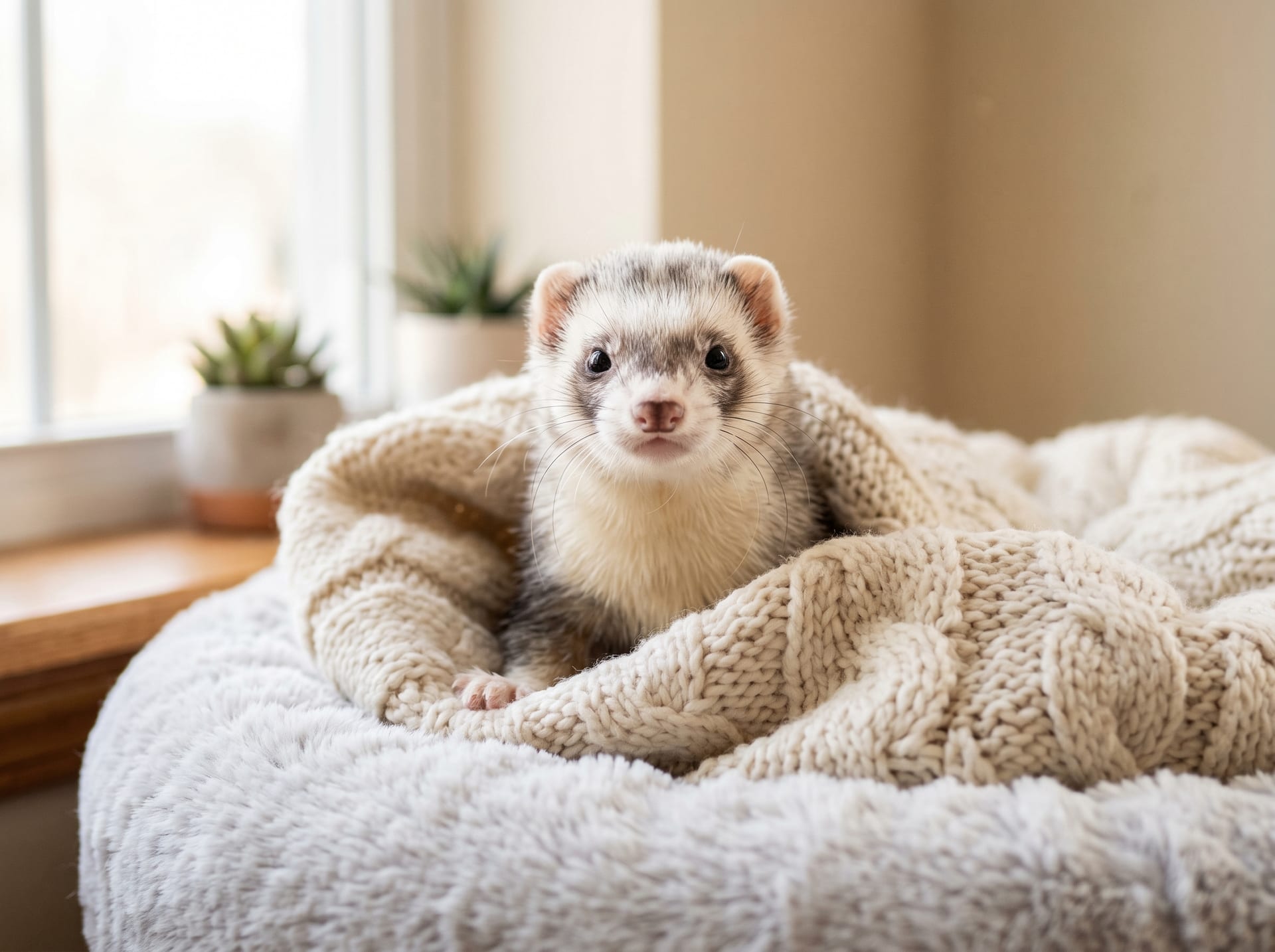
Among small animals, ferrets present the greatest challenge for odor control. Ferret body odor primarily stems from sebaceous gland secretions and can be reduced through neutering/spaying and scent gland removal surgery, but cannot be completely eliminated.
Limit bathing to approximately once per month. Bathing too frequently causes sebaceous glands to oversecrete, paradoxically intensifying odor. Use ferret-specific shampoo and rinse and dry thoroughly. Wash hammocks (bedding fabric) once weekly using fragrance-free detergent.
Ferret-specific deodorizing supplements (designed to reduce odor from within) are commercially available, though effectiveness varies between individuals. Improving food quality by selecting high-quality ferret-specific feed can reduce fecal odor. Feeds centered on animal protein rather than grain-heavy formulas provide better digestive efficiency and tend to result in less odorous waste.
Consult with Trustworthy Breeders on BreederDirect
The optimal odor management approach varies depending on the animal species, number of animals, and living environment. If you're unsure "where to start," or if "odor concerns prevent you from taking the leap into ownership," consulting with a breeder who actually breeds that species is the most reliable path forward.
BreederDirect is a platform where breeders and buyers connect directly. Breeders managing multiple animals while controlling odors possess experience-based, practical advice: recommended bedding brands, cleaning schedules, and deodorization products that have proven effective. You can resolve questions before bringing your animal home, and benefit from ongoing support after adoption.
Additionally, BreederDirect allows you to review breeder profiles and facility information in advance, so you can confidently select healthy individuals. By resolving odor-related and other care concerns before bringing your animal home, you'll create the foundation for a comfortable pet life over the long term.