Small Animal Multi-Species Compatibility Guide | Rules and Precautions for Keeping Different Species in the Same Room
Can rabbits, hamsters, chinchillas, guinea pigs, and degus be kept together? When keeping different species of small animals in the same home, this guide organizes compatibility by combination using ○△×, and explains precautions regarding infectious disease, free-roaming time, and daily rhythms.
Key Takeaways
Can rabbits, hamsters, chinchillas, guinea pigs, and degus be kept together? When keeping different species of small animals in the same home, this guide organizes compatibility by combination using ○△×, and explains precautions regarding infectious disease, free-roaming time, and daily rhythms.
Many households keep multiple types of small animals. Cases of acquiring rabbits and guinea pigs, hamsters and hedgehogs one after another, drawn to the appeal of each, are not uncommon. However, keeping different species of small animals in the same space requires understanding species-specific risks and precautions. This article explains the considerations for multi-species small animal keeping (interspecies cohabitation).
Combinations That Should Not Be Cohabited
The most important principle is that small animals of different species should never be kept in the same cage. You may see videos on television or social media of different species living happily together, but these represent exceptional situations and always carry risks.
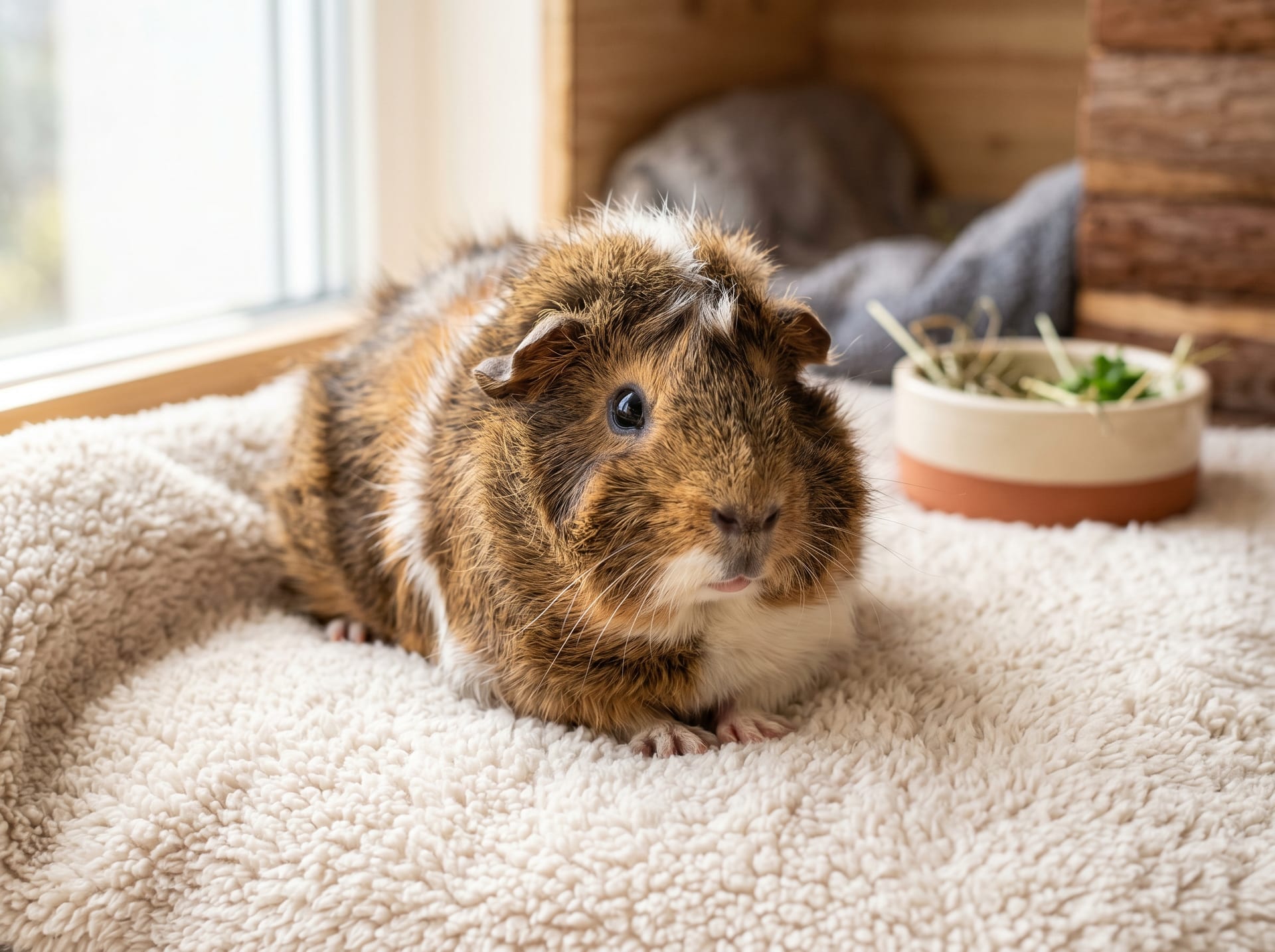
Cohabitation of rabbits and guinea pigs was once common practice, but is no longer recommended. Rabbits are larger and stronger than guinea pigs, and may unintentionally cause serious injury by kicking. Additionally, Bordetella bacteria, which rabbits may carry asymptomatically, can cause fatal bronchopneumonia in guinea pigs.
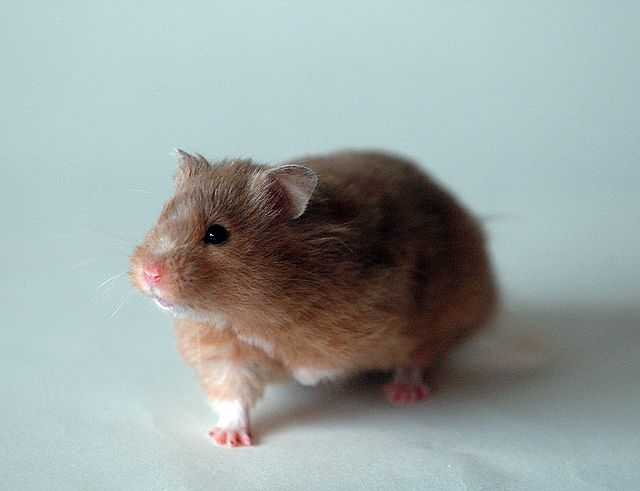
Hamsters are fundamentally solitary animals and should not be cohabited with any other animals. Even with other hamsters, golden hamsters engage in fierce fights after maturity and must be housed alone. Even with dwarf hamsters, cohabitation requires careful consideration.
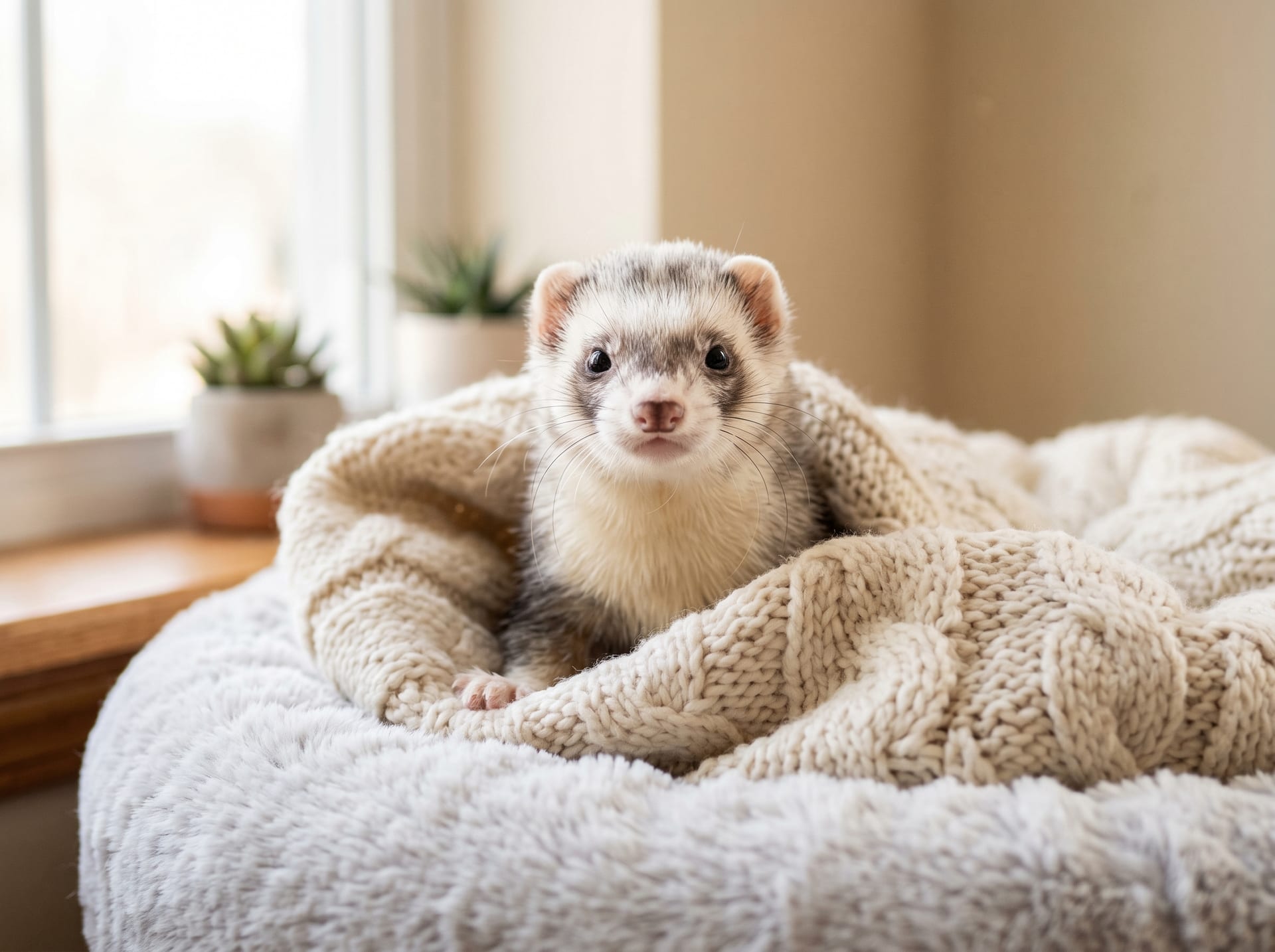
Ferrets and small rodents (hamsters, mice, etc.) should absolutely never be cohabited. Ferrets are carnivores and recognize rodents as prey. When allowing them to roam freely indoors, completely separate the free-roaming times of ferrets and rodents to prevent contact.
Same-Room Housing (Separate Cages) Precautions
Even when keeping different species in separate cages in the same room, several precautions are necessary. Most important is whether the appropriate environment for each species (temperature, humidity, brightness, noise level) can be maintained simultaneously.
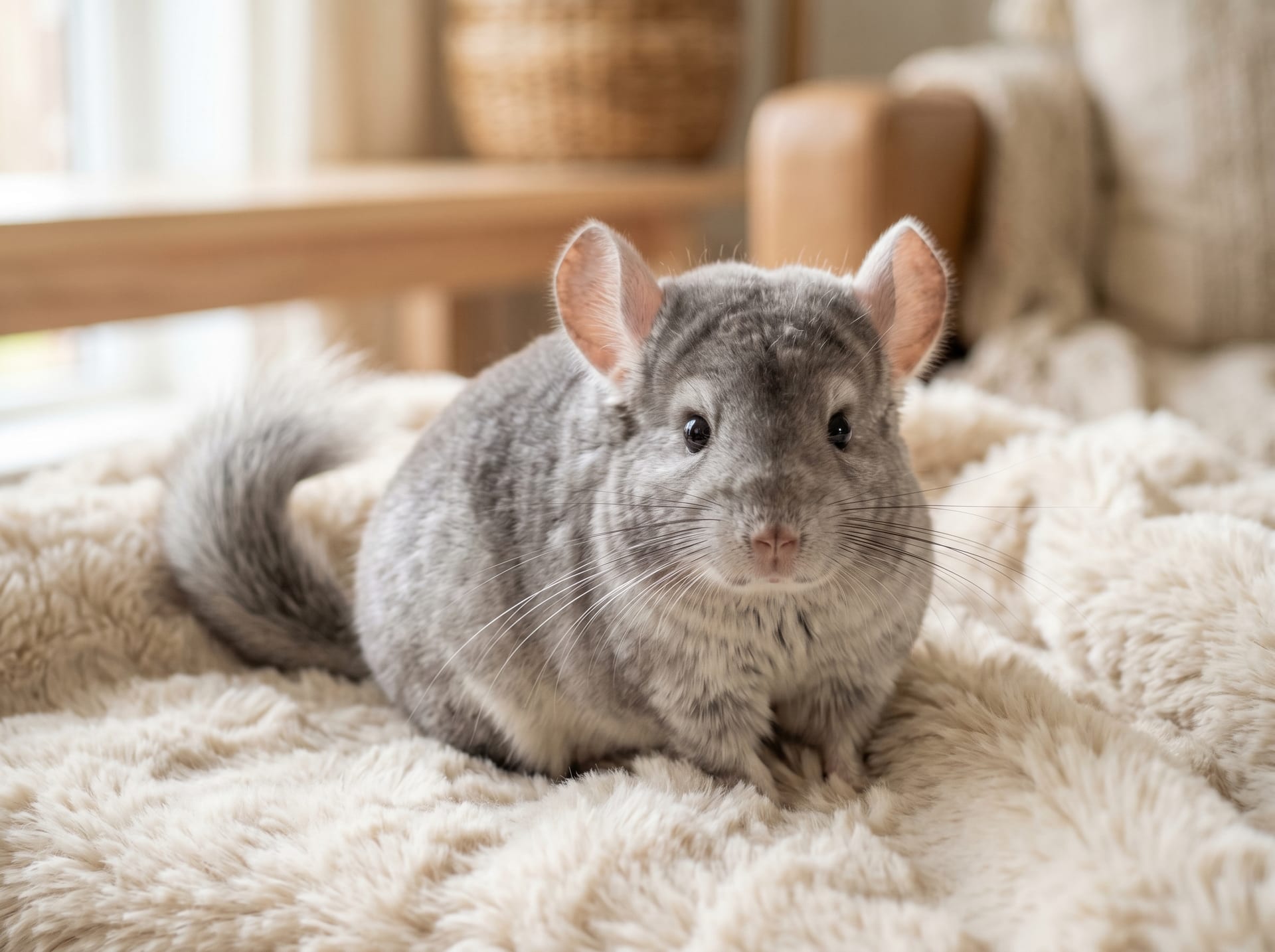
The ideal temperature for chinchillas is 15–22°C, and they are very heat-sensitive animals. Conversely, hedgehogs have an ideal temperature of 24–29°C and are cold-sensitive. Housing these two species in the same room may require sacrificing the ideal temperature for one of them. Since temperature varies depending on cage location within a room, you can sometimes compensate by placing the chinchilla cage where air conditioning drafts directly hit it, and the hedgehog cage near a heat source.