Small Animal Environmental Enrichment 101 | Creating Engaging Living Spaces to Prevent Boredom | ブリちょく
Small Animals| ✍️ BreederDirect Editorial
Small Animal Environmental Enrichment 101 | Creating Engaging Living Spaces to Prevent Boredom
Explore enrichment methods for small animals including hamsters, rabbits, and guinea pigs. This guide covers exercise play, puzzle toys, and foraging activities to create engaging living environments that prevent boredom.
Key Takeaways
Explore enrichment methods for small animals including hamsters, rabbits, and guinea pigs. This guide covers exercise play, puzzle toys, and foraging activities to create engaging living environments that prevent boredom.
Related Species
In small animal husbandry, after proper diet and housing, "environmental enrichment" is the next most important factor. Enrichment refers to environmental modifications that fulfill animals' instinctive behavioral needs and promote physical and mental well-being. Since boredom and stress can have serious effects on small animal health, it's important for owners to actively engage in enrichment practices.
What Is Environmental Enrichment?
Environmental enrichment is a concept that developed in zoos and aquariums, referring to environmental modifications that allow captive animals to exhibit behaviors similar to those in the wild.
Physical Enrichment: Installing equipment like toys, tunnels, and exercise wheels that promote movement and exploratory behavior
Cognitive Enrichment: Puzzle feeders and hidden food that require problem-solving to obtain meals
Social Enrichment: Interaction with same-species companions and bonding with owners. See Small Animal Bonding Complete Guide for tips on building trust
Sensory Enrichment: Sensory stimulation through various materials, scents, and sounds
Foraging Enrichment: Environmental modifications that replicate wild foraging behaviors, encouraging activities like searching for food, digging, and peeling
When enrichment is insufficient, small animals may develop stereotypic behaviors due to stress. If you notice excessive bar biting, pacing in circles, or hair pulling, it's time to reassess the environment.
Hamster Enrichment
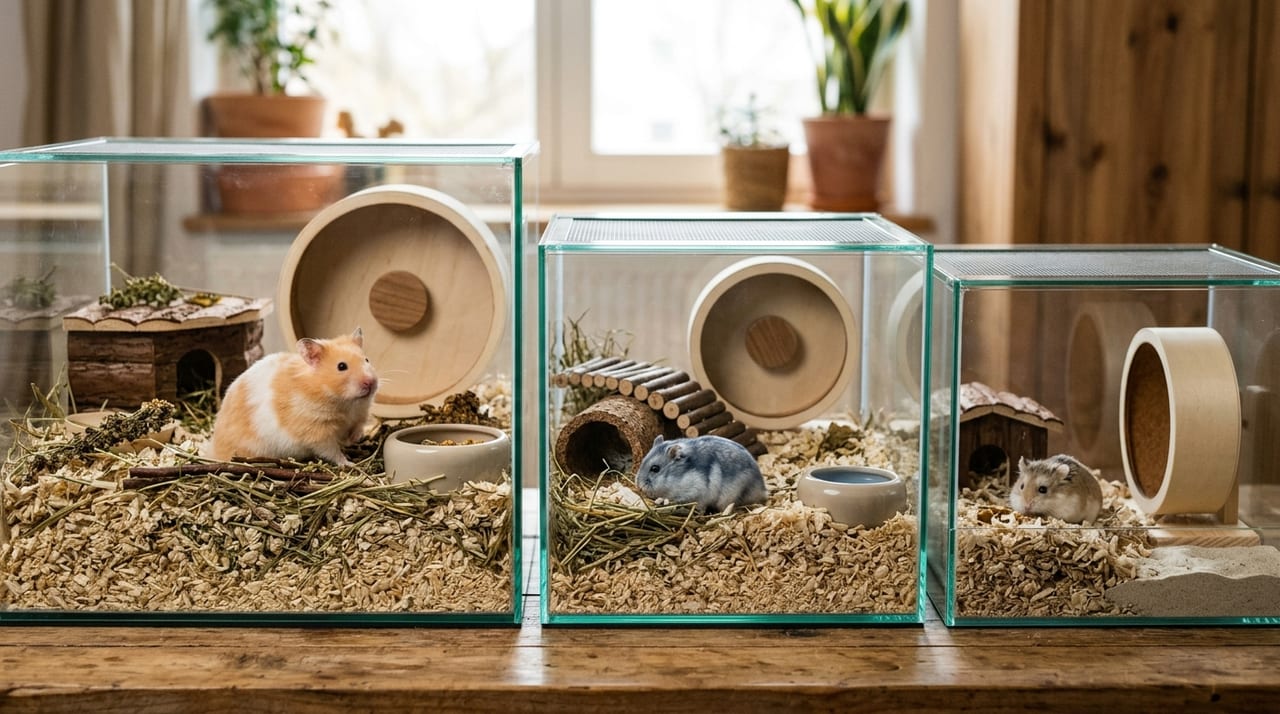
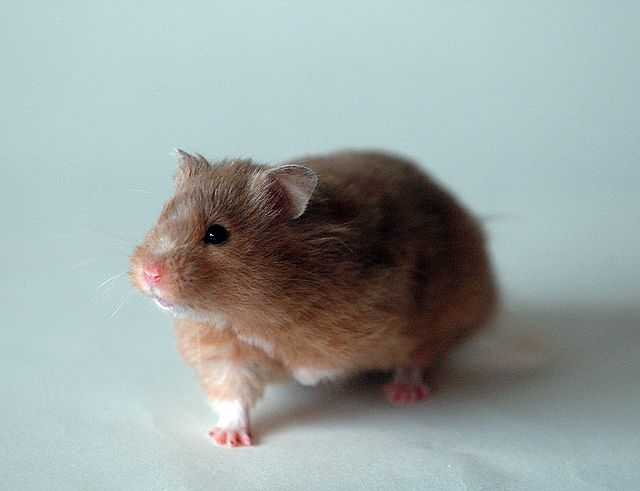
Hamsters are nocturnal with high activity levels and strong instincts for nest-building and food hoarding. Enrichment that satisfies these natural behaviors is essential.
Exercise Wheel: The most fundamental exercise equipment for hamsters. Golden hamsters need a silent wheel at least 21cm in diameter; dwarf hamsters need at least 15cm. Smaller wheels that cause the back to arch can strain the spine
✍️
BreederDirect Editorial
The BreederDirect editorial team specializes in care information for animals, covering veterinary care and breeding to deliver beginner-friendly guides.
Find Small Animals on BreederDirect
Buy directly from verified breeders
Browse Related Listings
Find Small Animals listings related to this article on BreederDirect. Buy directly from verified breeders.
Related Tools
Related Articles
Browse by Category
🪸Coral
🐠Marine Fish
🐟Tropical Fish
🐡Goldfish
🐟Medaka
🦎Reptiles
Share
Digging Area: Bedding at least 15cm deep satisfies hamsters' digging instincts. Use thick layers of paper-based or wood chip bedding
Nesting Material: Shredded tissue and paper towels that hamsters happily collect for their nests. Avoid synthetic fiber cotton, which can cause intestinal blockage
Tunnels and Hideouts: Tunnels made from toilet paper tubes or multiple wooden houses satisfy exploratory instincts
Sand Bath: A container filled with hamster sand bath substrate provides both grooming and play opportunities
Food Puzzle: Simple puzzle feeders like bottles with holes for food extend feeding time and provide foraging enrichment
Rabbit Enrichment
Rabbits are curious, intelligent animals that easily develop destructive and problem behaviors when lacking proper stimulation.
Tunnels and Hideouts: Rabbits have strong digging instincts and love tunnels. Install fabric tunnels or cardboard tunnels with multiple entrances and exits for maximum enjoyment
Digging Box: A large plastic container filled with shredded newspaper makes an inexpensive and effective digging area that rabbits will enthusiastically excavate
Chew Wood: Rabbit teeth continuously grow throughout life, so provide safe wood like apple or willow branches. This supports dental health and stress relief
Platforms: Place elevated platforms in the enclosure or free-roam space. Rabbits enjoy surveying their surroundings from higher vantage points
Tossing Toys: Wooden or straw balls encourage rabbits to pick them up and toss them around
Foraging Mat: Tying together fleece scraps and hiding pellets in the gaps creates a sniffing and foraging experience
Free-roam time (room exercise) should ideally be at least one hour daily. Building a cardboard maze fully satisfies their exploratory needs.
Ferret, Guinea Pig, and Degu Enrichment
Provide enrichment suited to each species' unique characteristics.
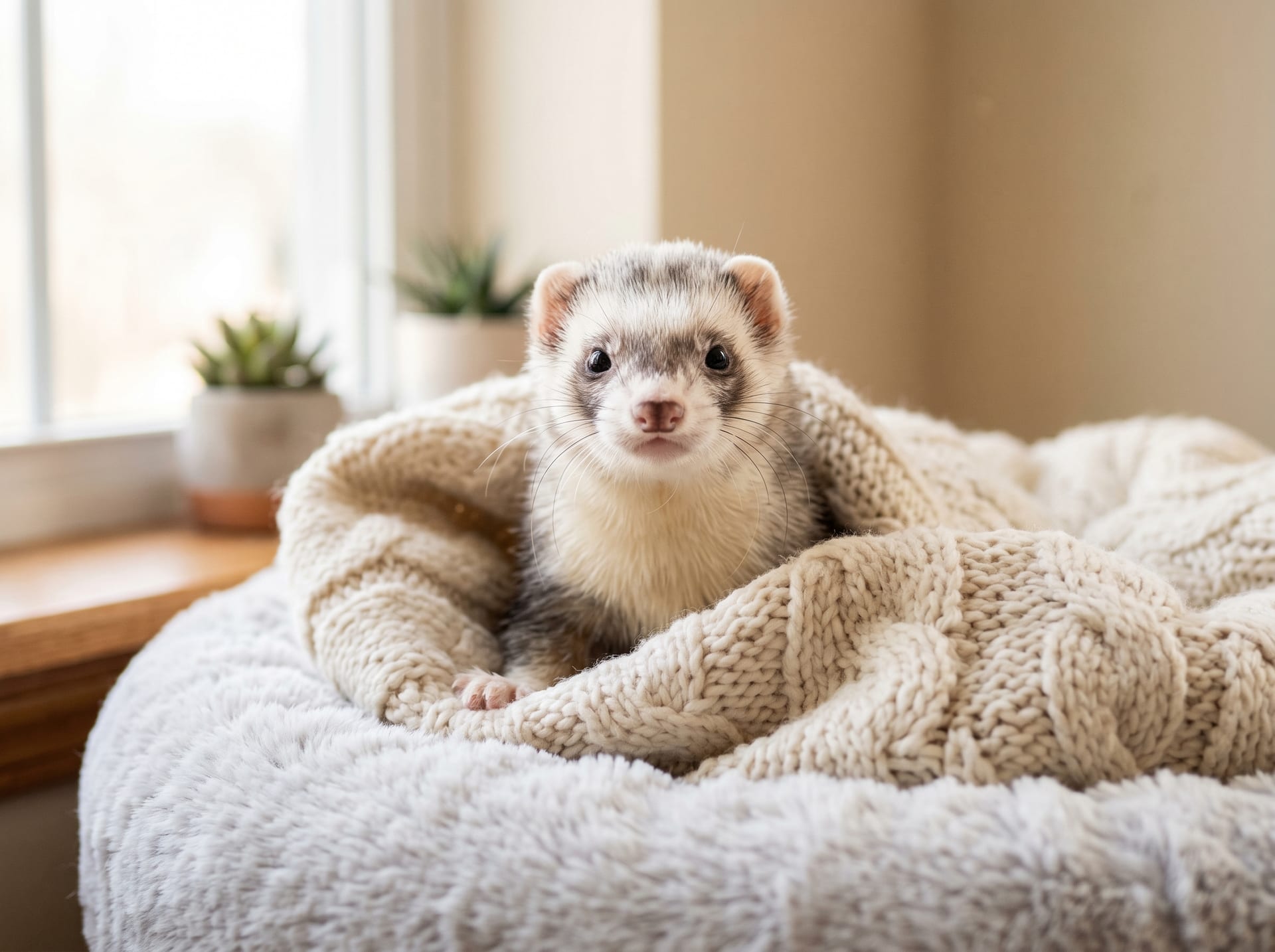
Ferrets: Love tunnel play. Create connected courses with fabric or plastic tunnels. They also enjoy chasing balls and hiding under towels for peek-a-boo games. Since ferrets have a natural hoarding instinct, providing hiding places for toys is also effective
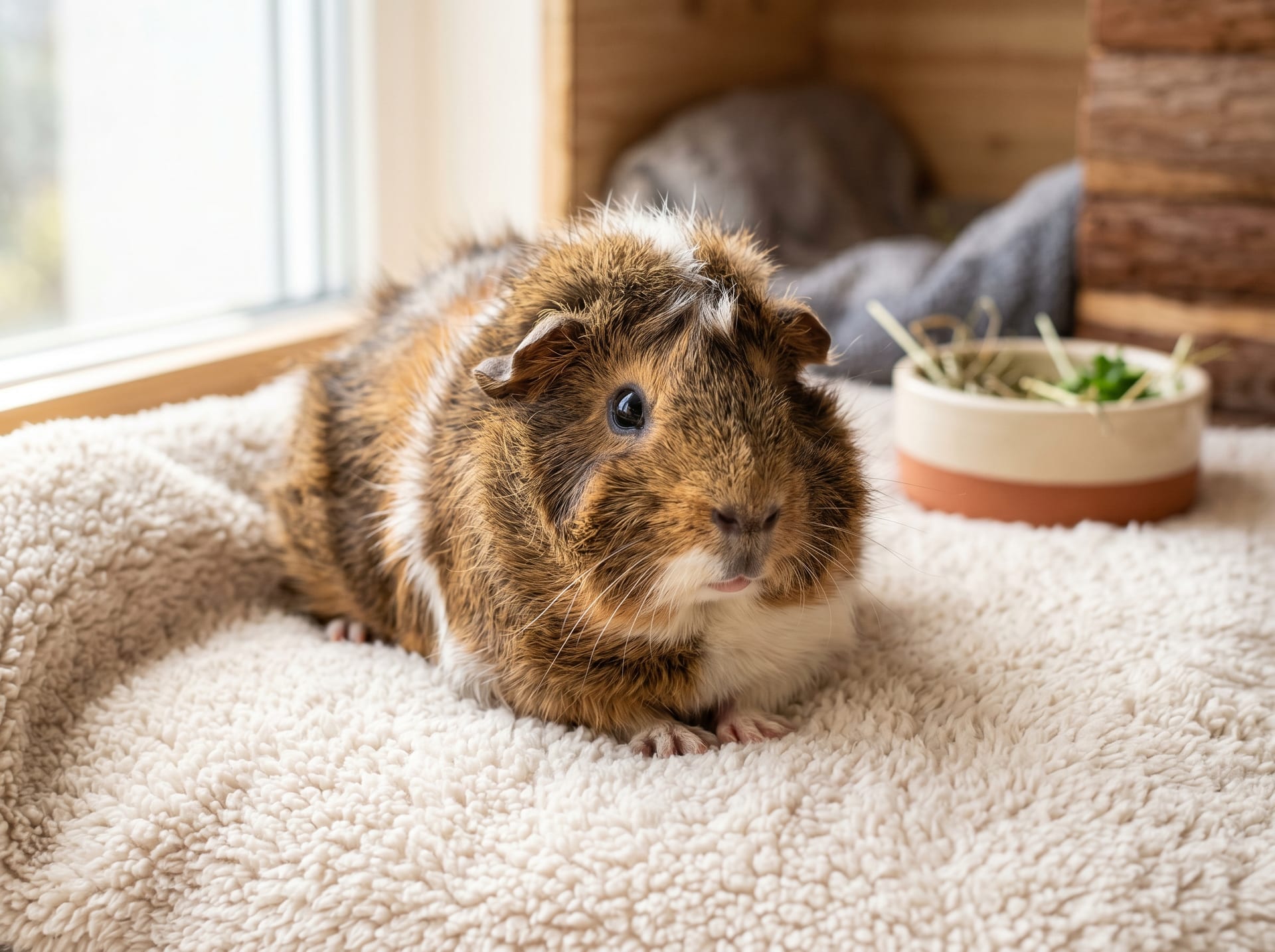
Guinea Pigs: Though shy, companionship is their greatest enrichment. Consider housing multiple guinea pigs if possible. Hay-made tunnels and mats are safe to eat and provide extended entertainment. Guinea pigs are responsive to sound, so talking to them while hand-feeding vegetables provides excellent stimulation
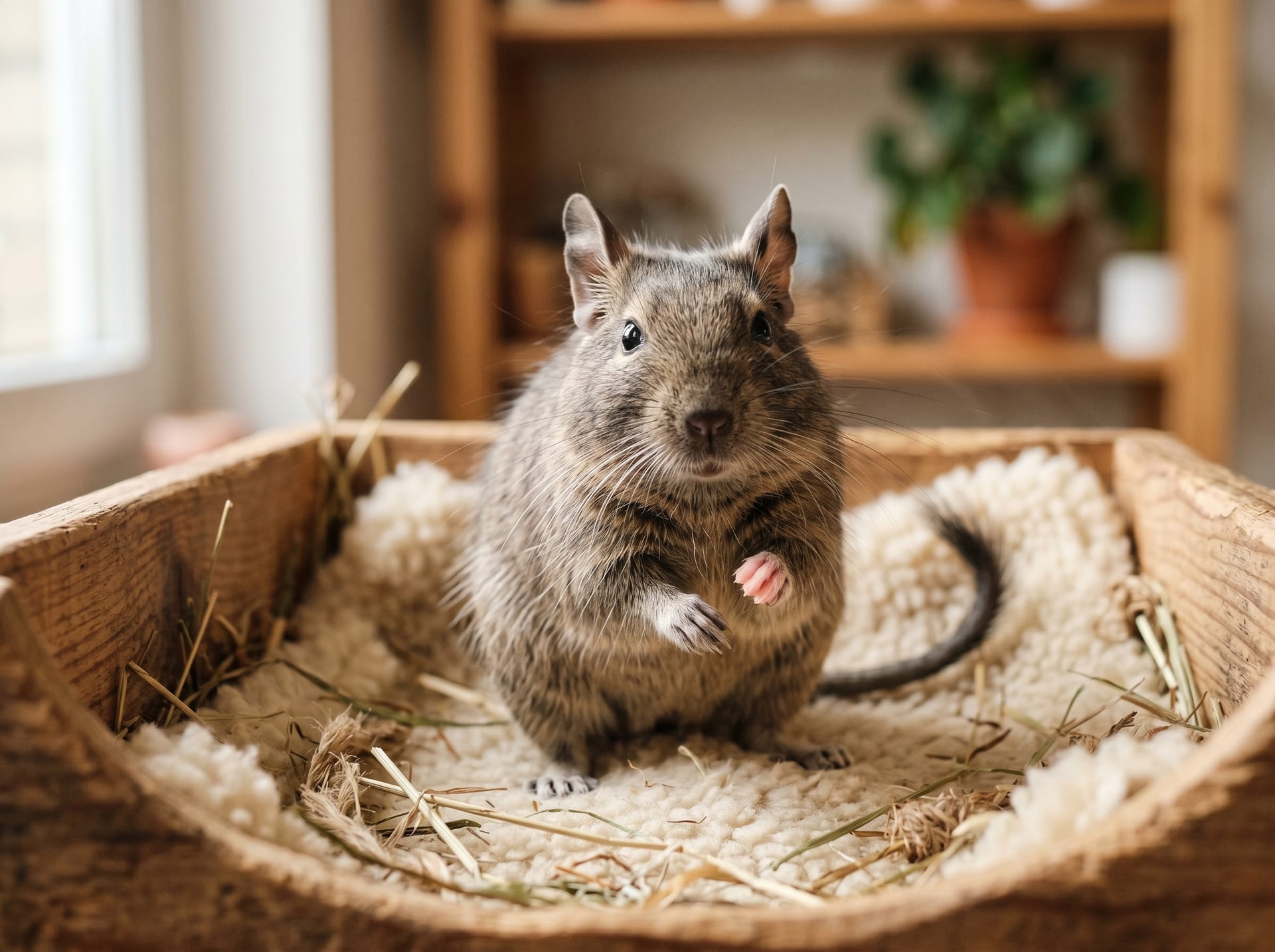
Degus: Extremely intelligent—they can solve complex puzzles like lever-activated feeders. Exercise wheels, sand baths, and chew wood are essential. Highly social animals, solitary housing causes stress. "Chatting" with owners is also important enrichment. See Degu Care Complete Guide for more on degus' social needs and overall care
DIY Enrichment Ideas
Beyond commercial toys, you can easily create enrichment items using household materials.
Toilet Paper Tube Food Puzzle: Fold the ends of a tube and fill it with food. The process of gnawing it open provides foraging enrichment
Newspaper Foraging Mat: Shred newspaper into a box and scatter food throughout. Searching while eating extends feeding time and prevents boredom
Cardboard Maze: Connect multiple cardboard boxes to create a maze. Placing food along the route motivates animals to navigate it. A classic DIY for rabbits and guinea pigs
Plastic Bottle Food Dispenser: Drill small holes in a bottle's side. Rolling it releases food gradually
Woven Straw Crafts: Weave pet-safe straw into balls and mats. Safe to eat, combining chewing and foraging
Paper Bag Hideout: Cut the bottom out of small paper bags to create tunnels. Hamsters and degus enjoy running through them
When making DIY enrichment, never use materials that could be accidentally ingested, such as glue, tape, or staples. For guidance on selecting commercial toys, see Small Animal Toys and Behavioral Enrichment
Rotating Enrichment and Important Precautions
Small animals become bored with the same toys and environment over time. Regular changes are essential.
Weekly Rotation: Change toys and layout every 1-2 weeks to keep things fresh. Change items gradually rather than all at once, which would cause stress
Safety Checks: Always inspect new toys for sharp edges and potential choking hazards before introducing them
Observation: Different individuals show interest in different enrichment items. Observe your animal's preferences to find what works best
Avoid Overstimulation: More enrichment isn't always better. An overcrowded enclosure causes stress. Maintain adequate open space
Hygiene Management: Regularly clean and replace soiled toys. Wood chew items become contaminated with bacteria when moistened by saliva, so replace them frequently
Get Husbandry Advice From br-choku
The best enrichment approach varies by species and individual personality. At br-choku, you can purchase small animals directly from trusted breeders and receive personalized advice on housing and enrichment suited to your specific animal.
Breeders' years of experience give them deep knowledge of which toys and environmental modifications are most effective. Take advantage of the benefits of direct breeder sales—including post-purchase husbandry advice—to create the best possible environment for your small animal.