Small Animal Toys and Behavioral Enrichment | Creating an Environment That Prevents Boredom
Recommended toys for small animals like hamsters, rabbits, and guinea pigs, DIY enrichment ideas, and important precautions for playtime.
Key Takeaways
Recommended toys for small animals like hamsters, rabbits, and guinea pigs, DIY enrichment ideas, and important precautions for playtime.
Related Species
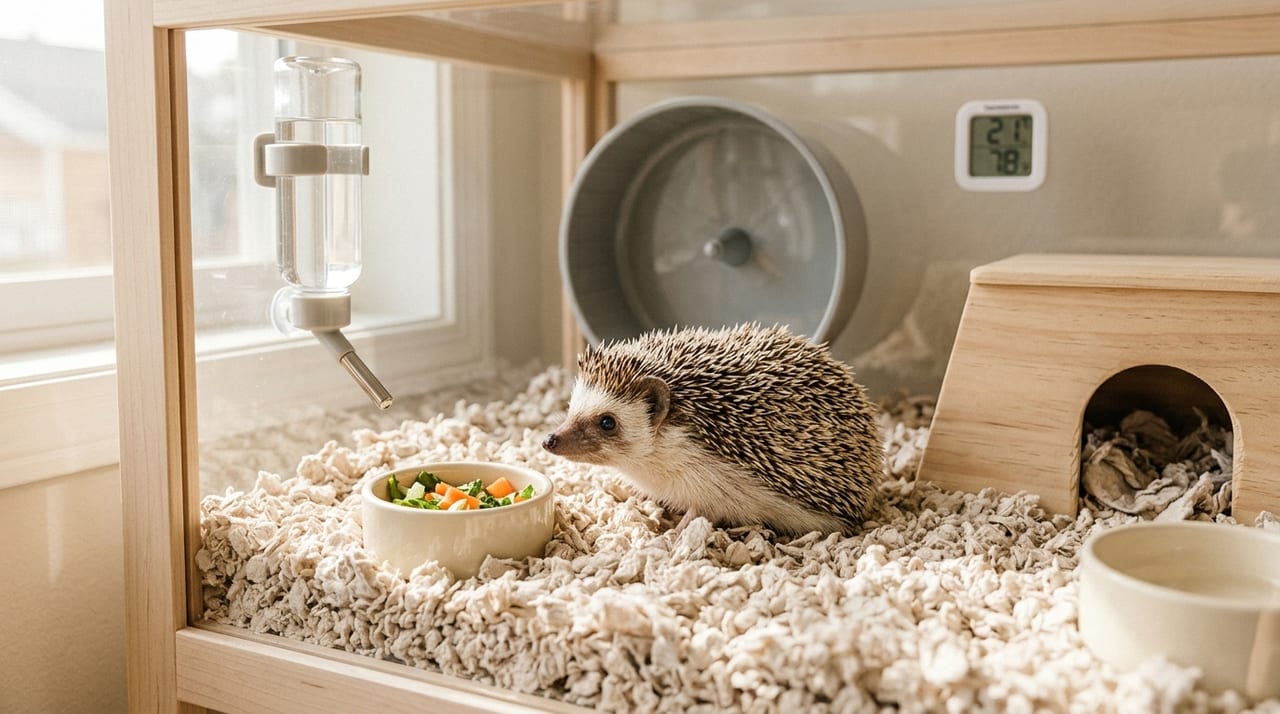
Behavioral enrichment for small animals refers to the practice of introducing variety and stimulation to the captive environment to encourage natural behaviors and maintain mental wellbeing. In the wild, animals spend their time searching for food, hiding from predators, and socializing with companions—constantly exposed to multiple stimuli. In a cage, however, life tends to become monotonous. Boredom and stress can lead to behavioral problems and health decline, which is why intentional enrichment is essential.
Five Categories of Behavioral Enrichment
Enrichment is broadly classified into five categories. First, feeding enrichment involves varying how food is presented to encourage foraging behavior. Rather than simply placing pellets in a dish, you can hide them in hay, or place them in foraging toys, offering the enjoyment of searching and eating.
Second, environmental enrichment involves changing the layout of the cage. Regularly repositioning tunnels, hideaways, and platforms stimulates the desire to explore a new environment. Third, sensory enrichment provides stimulation through smell and touch—such as dried herbs or bedding materials with varied textures.
Fourth, social enrichment involves interaction with companions of the same species or with the owner. Even for species unsuitable for group housing, playtime with the owner can satisfy social needs. Fifth, cognitive enrichment uses puzzle toys and similar items to provide intellectual stimulation. Incorporating all five categories in balance is ideal.
Species-Specific Toy Recommendations and Play Methods
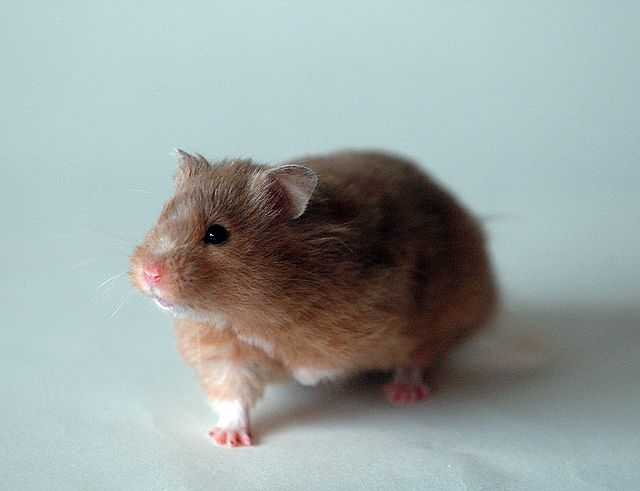
For hamsters, the exercise wheel is the most basic toy. Golden hamsters should have a wheel at least 21 cm in diameter; dwarf hamsters need at least 15 cm. It's crucial that the wheel is large enough that the hamster's back doesn't curve—a wheel that's too small can damage the spine. Tunnels (made of paper or plastic) satisfy the instinct to dig burrows, and connecting multiple tunnels to create a maze promotes exploration. A sand bath filled with hamster-safe sand serves as a substitute for grooming and is enjoyed by many hamsters.
Rabbits enjoy tunnels, balls (woven from hay or willow), and timothy hay houses. Rabbits love throwing games, so lightweight hay balls or wooden blocks encourage them to grab and toss them around. Cardboard boxes with holes cut into them serve multiple purposes—jumping in and out, and hopping on top. Toilet paper tubes stuffed with hay provide feeding enrichment as rabbits chew while eating.
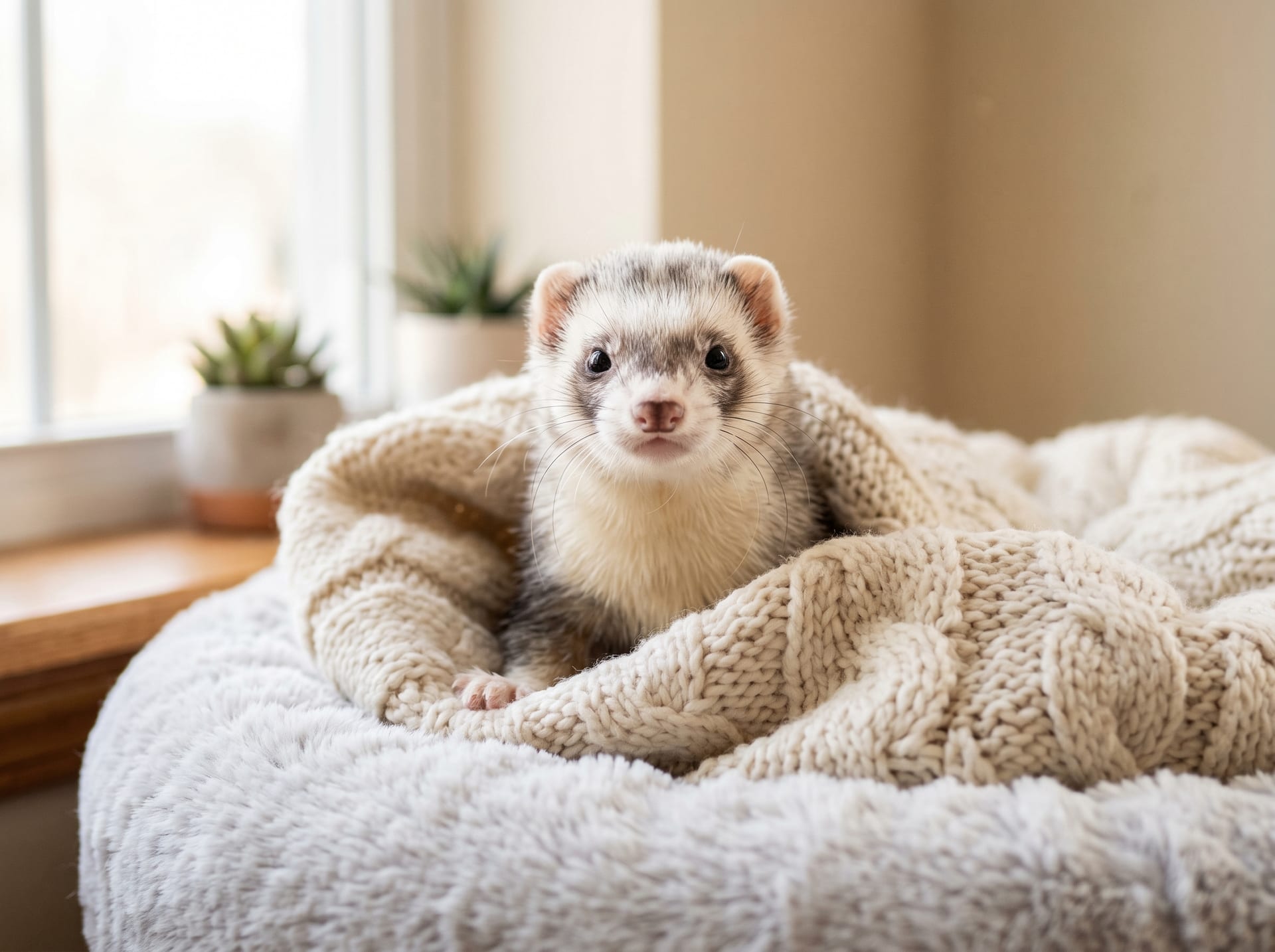
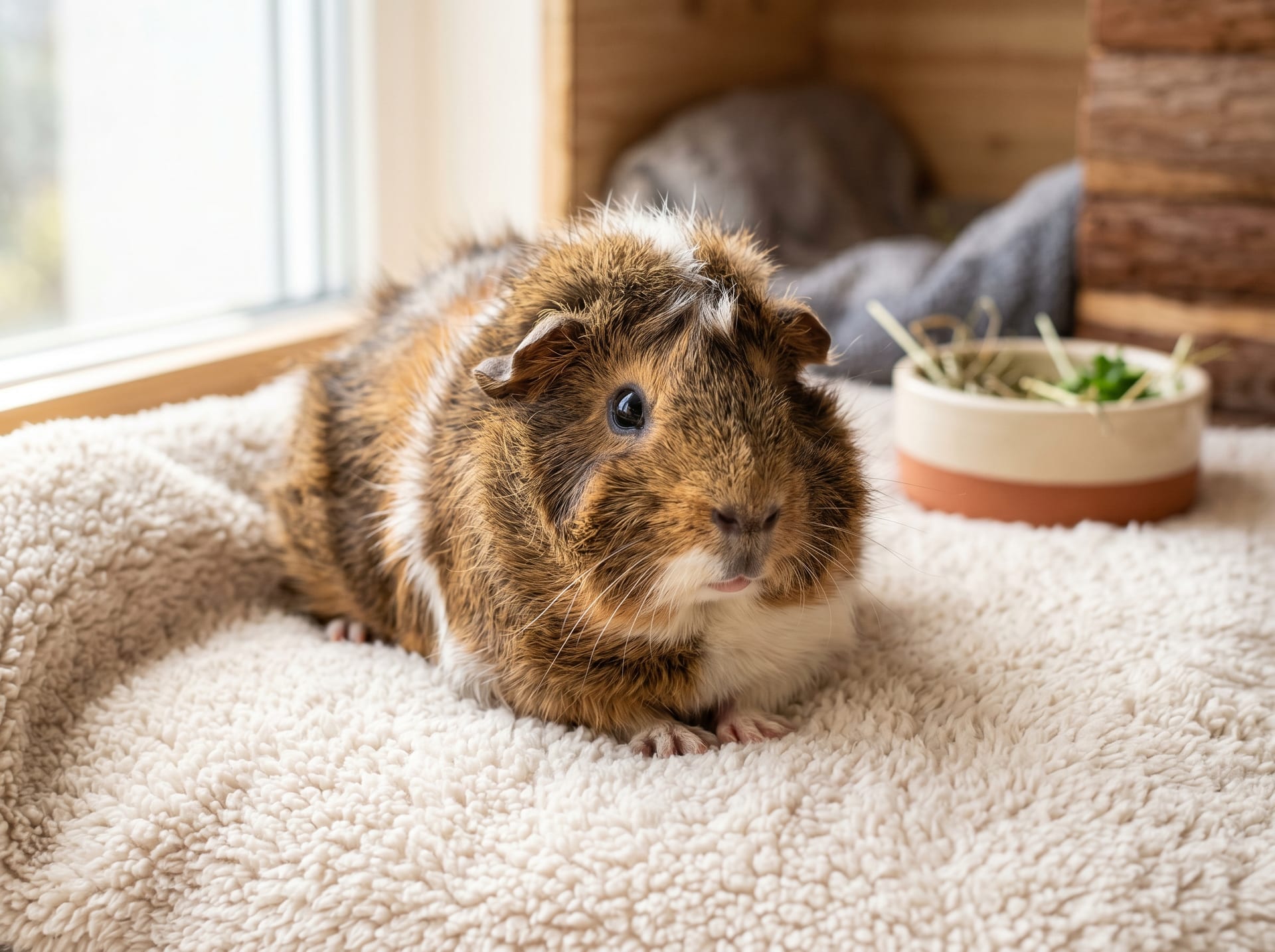
Guinea pigs, being timid by nature, prefer tunnels and hideaways (fleece houses or hay shelters). For group-housed guinea pigs, provide at least as many hideaways as there are animals. Guinea pigs also enjoy chasing rolling balls. Ferrets are playful and typically enjoy jingle balls, tunnels, and digging boxes (containers filled with safe materials).
10 DIY Enrichment Ideas
You don't need to buy commercial products—you can create effective enrichment from household items. Please ensure safety before trying these ideas.
Fold the ends of a toilet paper tube inward, stuff it with treats, and your pet can chew to open it—a simple puzzle toy. Place treats inside an inverted paper cup and hide it; your animal can knock it over to retrieve the treat. Rolled-up newspaper (with safe ink) can be batted around by rabbits and ferrets.
Poke holes in a tissue box, fill it with hay or treats, and your pet enjoys pulling out the contents. Fill each compartment of a paper egg carton with a small amount of pellets, then cover with hay—a foraging enrichment where animals sniff and search for food. Create a multi-level cardboard maze with treats as the goal to stimulate intellectual curiosity. Shred old T-shirts into thin strands and braid them into a rope for tug games. Fill a small plant pot with safe soil to create a digging area, satisfying the natural digging instinct.
Toy Selection and Safety Considerations for Play
Observe these important safety guidelines when providing enrichment. First, avoid toys with small attached parts—they pose a choking risk. Ingesting buttons, beads, or plastic fragments can cause intestinal obstruction, sometimes requiring surgery.
Products with paint or glue can release harmful substances when chewed. Natural materials (hay, wood, paper) are safest. For wooden toys, choose unpainted options and verify the wood type. Coniferous wood like cedar, cypress, and pine contain resin compounds that can be irritating; hardwoods such as apple wood and willow are recommended.
Fabric toys risk entanglement and claw snagging; replace them immediately if fraying occurs. Rubber products are unsuitable for small animals because they easily break into pieces that can be ingested. Choose exercise wheels with safe designs (avoid metal mesh wheels, which can pinch feet and tails), and regularly check that they spin smoothly.
DIY Enrichment Ideas
Beyond store-bought products, you can easily create enrichment from everyday items.
Toilet Paper Tube Toys
- Fold both ends of the tube inward to form a closed shape
- Fill the center with food or treats
- Rodents enjoy chewing through the paper to retrieve the contents
Cardboard Maze (for rabbits and guinea pigs)
- Connect multiple cardboard boxes to create pathways
- Place treats at dead ends
- Periodically change the route to provide fresh stimulation
Digging Box (for hamsters and rabbits)
- Fill a deep container generously with safe bedding
- Bury food or treats inside
- Allows animals to satisfy their digging instinct while discovering treats
Important Safety Notes
- Use only non-toxic, undyed materials
- Avoid newspaper printed with regular ink (soy ink is relatively safe)
- Don't use small parts that pose choking risks
- Don't use adhesive or tape
Tips for Maximizing Enrichment Effects
To get the most from enrichment, focus on variation and appropriate difficulty levels. When the same toy stays in the enclosure indefinitely, interest wanes. Rotate toys to keep stimulation fresh—maintaining 3–4 types and rotating them weekly is effective.
Gradually increase foraging difficulty. Start with visible treats, then progress to hiding them under hay or paper, stacking containers, or adding other challenges as the animal improves. Success builds motivation, so balance is key—not too easy, not too hard.
Free roaming time (room time) is also important enrichment. Allowing safe exploration of a room provides exercise and stimulation impossible within a cage. Ensure safety by covering electrical cords, sealing furniture gaps, and removing toxic plants.
BreederDirect connects you with breeders who understand small animal behavior. Asking your breeder about what games your individual animal enjoys and its personality helps guide enrichment choices after bringing your pet home. Understanding and respecting your animal's unique traits builds trust and strengthens your bond.