Annual Calendar for Live Animal Breeding | Best Seasons by Category
An annual calendar breaking down the optimal breeding periods by month for fish, reptiles, birds, small animals, and insects. Includes breeding preparation schedules and seasonal management tips.
Key Takeaways
An annual calendar breaking down the optimal breeding periods by month for fish, reptiles, birds, small animals, and insects. Includes breeding preparation schedules and seasonal management tips.
Related Species
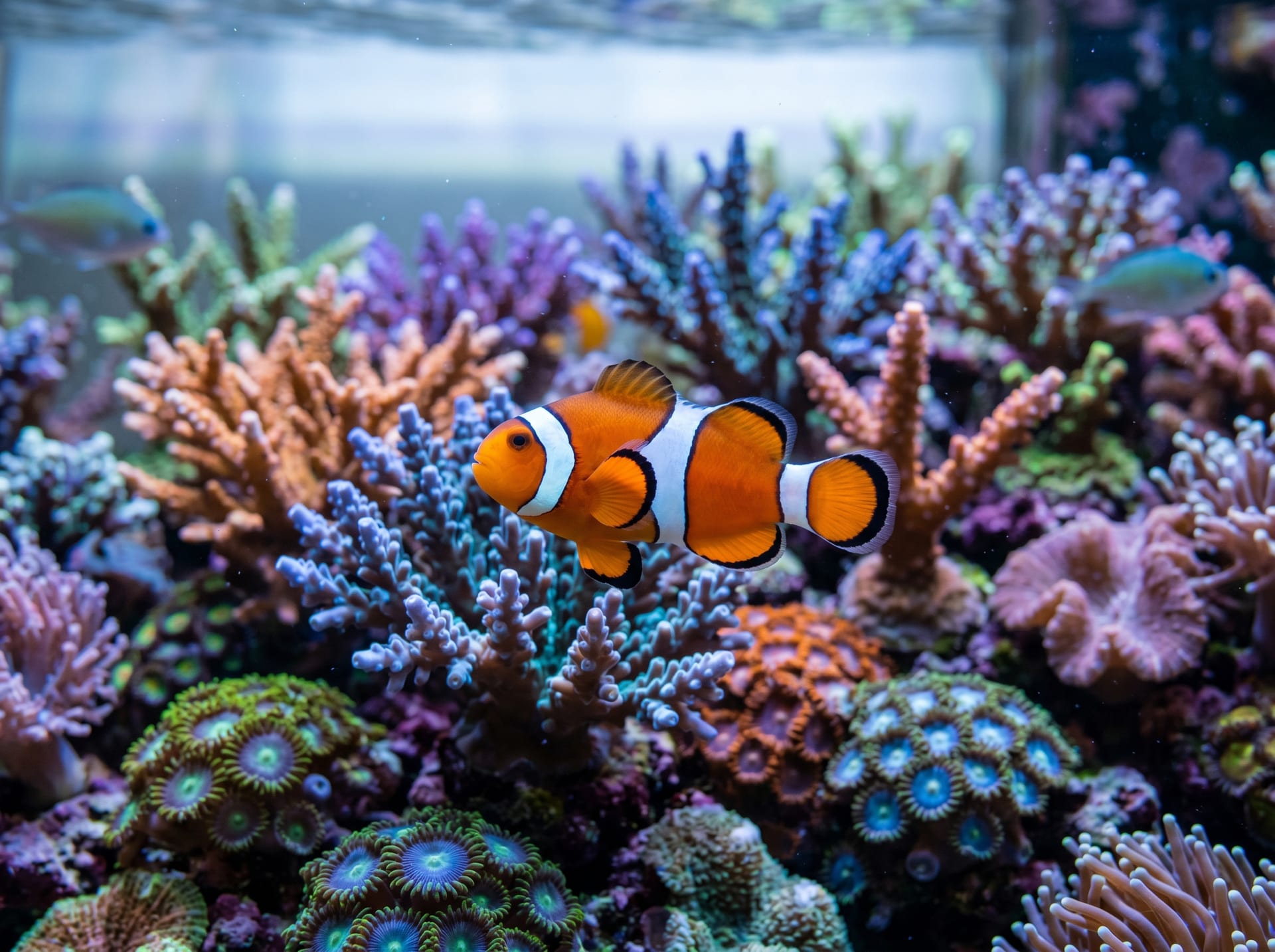
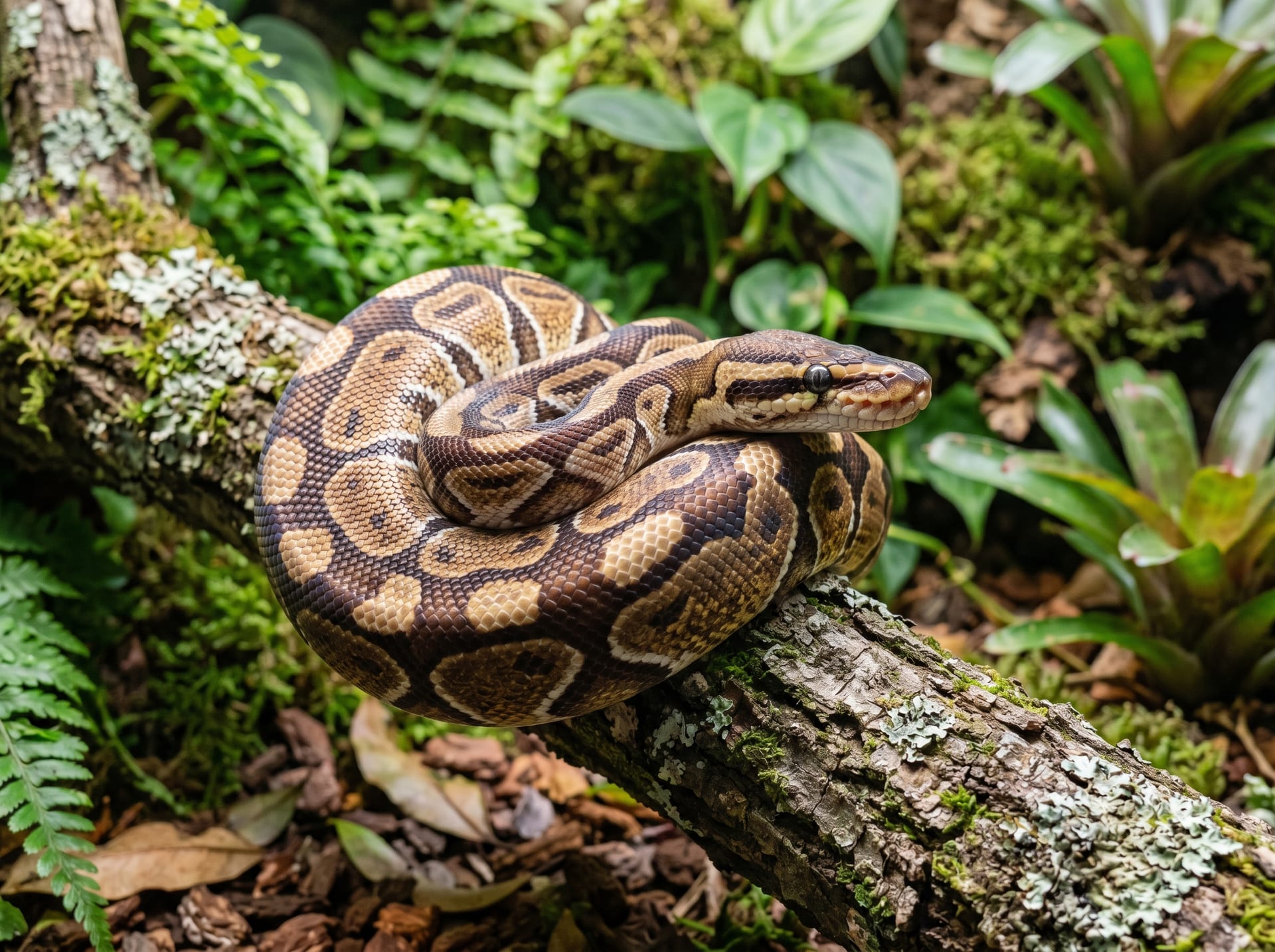
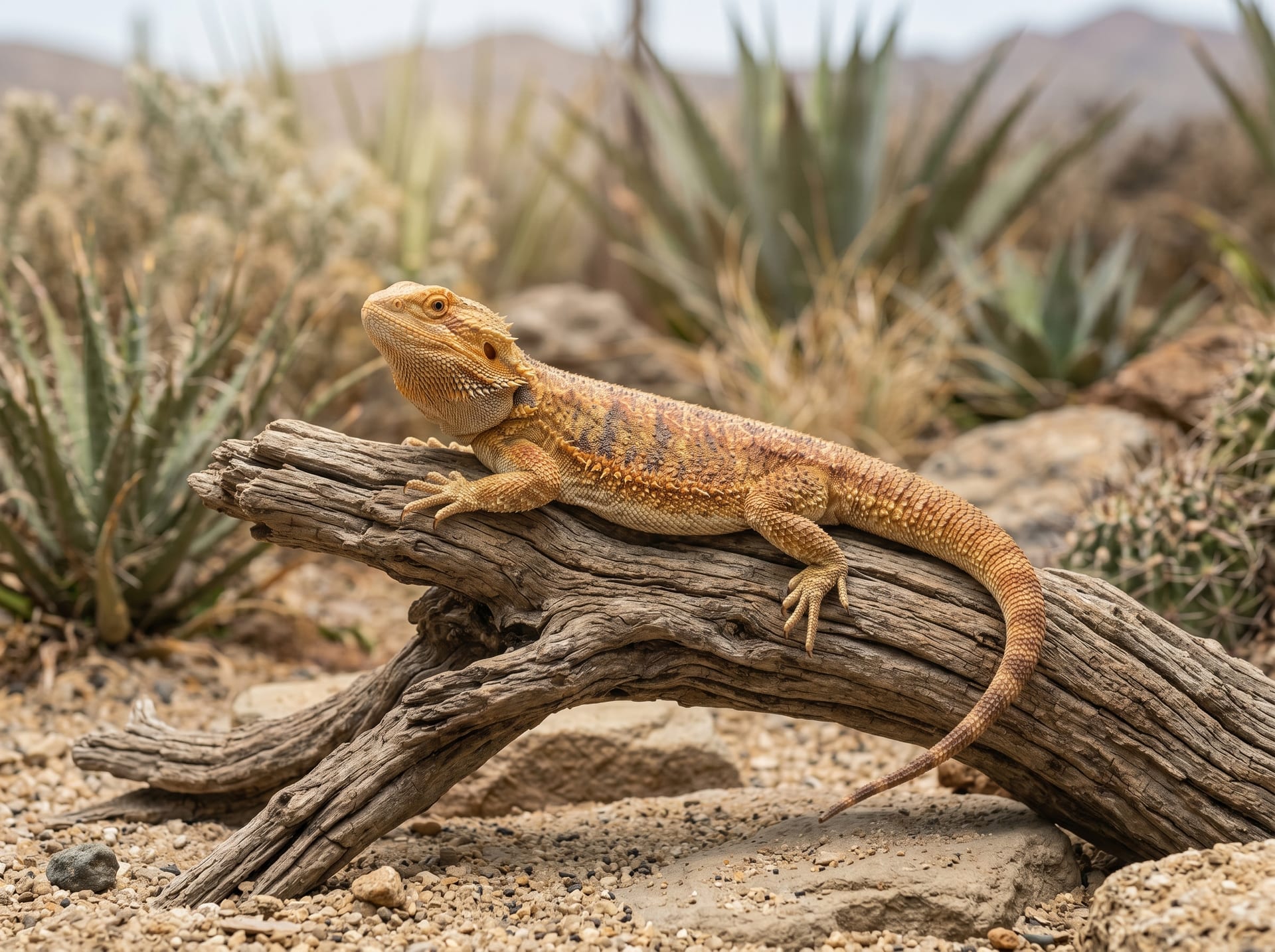
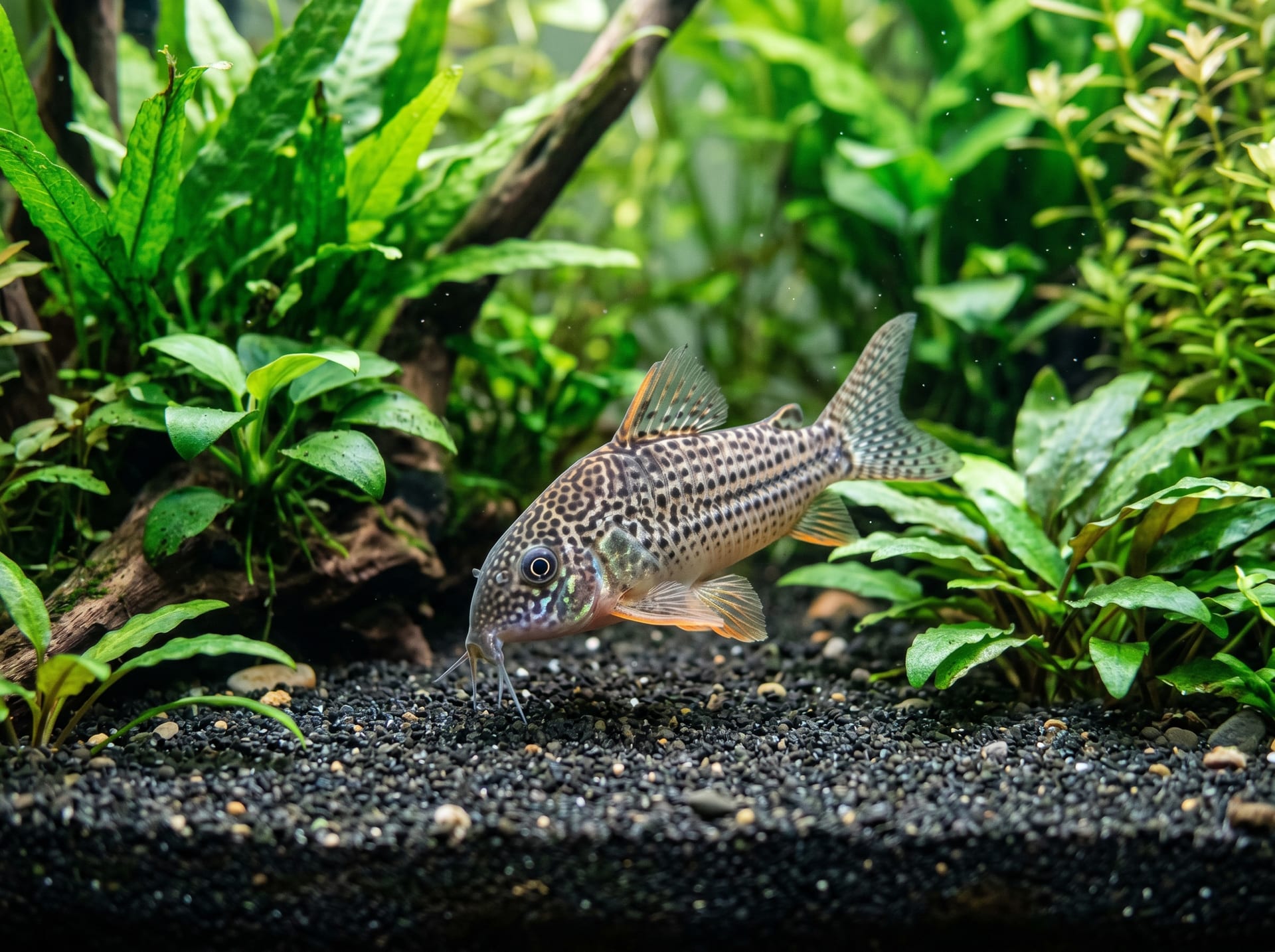
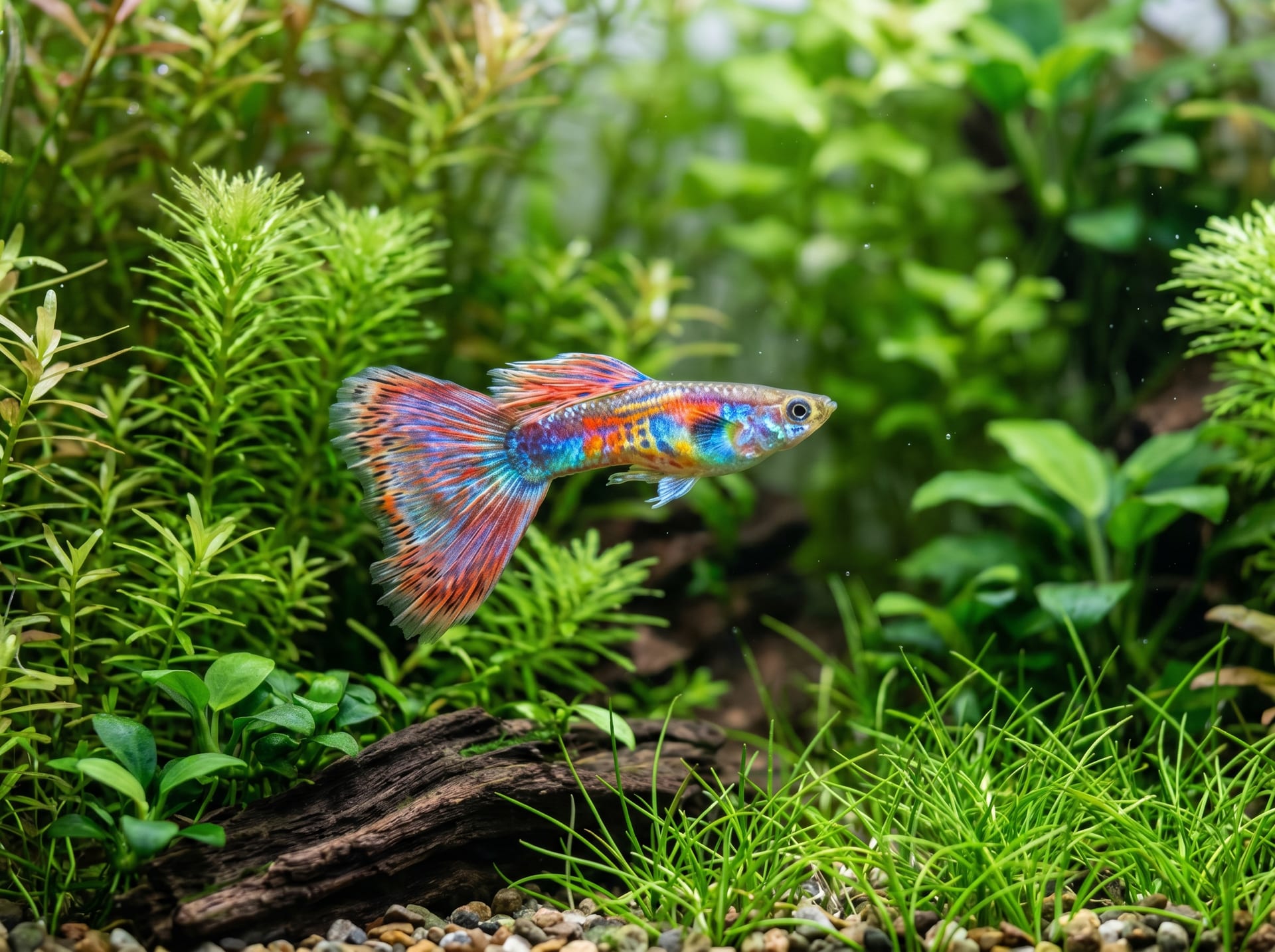
Each type of live animal has an optimal breeding season. This article compiles the best timing and annual schedule for breeding by category.
Fish Breeding Calendar
Goldfish
- Breeding Season: March–May (water temperature 18°C or higher)
- Preparation: Cool conditioning December–February (chilling)
- Key Point: Spring water temperature rise triggers spawning
Medaka (Japanese Killifish)
- Breeding Season: April–October (water temperature 20°C or higher, 13+ hours daylight)
- Peak: May–July
- Indoor Keeping: Year-round breeding possible with heater and lighting
Saltwater Fish (Clownfish)
- Breeding Season: Year-round (with temperature control)
- Key Point: Stable water quality and nutritional management are essential
Tropical Fish
- Breeding Season: Year-round (year-round breeding possible with temperature control)
- Guppy/Platy: Breed without requiring special conditions
- Corydoras: Water temperature drop during water change triggers spawning
Reptile Breeding Calendar
Leopard Gecko
- Chilling: December–January (lower to 20–22°C)
- Pairing: February–March
- Egg-Laying Period: March–August (4–8 clutches per season)
- Incubation: 45–65 days after laying
Central Bearded Dragon
- Chilling: December–January
- Pairing: February–March
- Egg-Laying Period: March–June
- Incubation: 55–75 days after laying
Ball Python
- Chilling: November–January (23–25°C at night)
- Pairing: December–February
- Egg-Laying: April–June
- Incubation: 55–60 days after laying
Bird Breeding Calendar
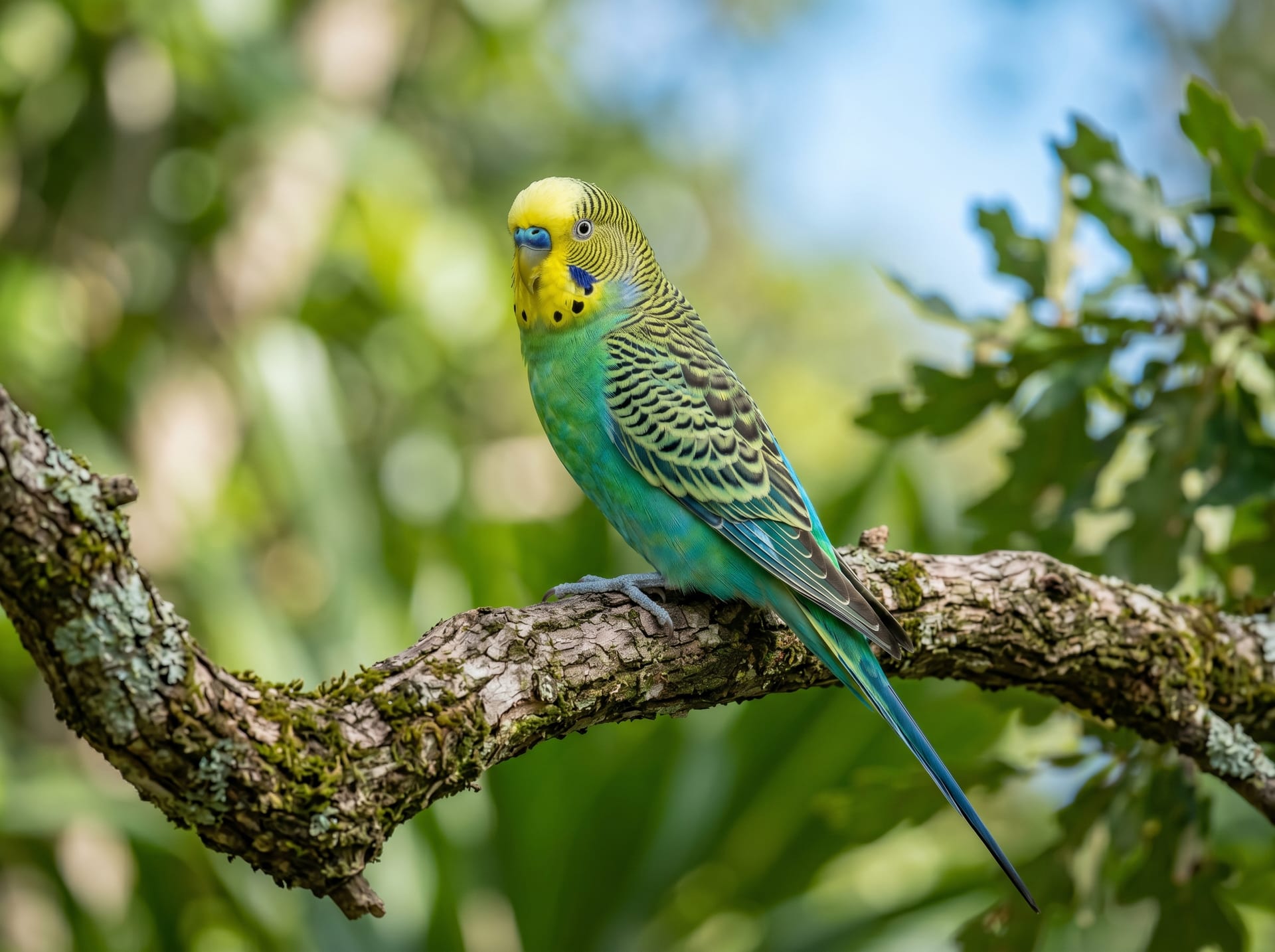
Budgerigar (Parakeet)
- Optimal Breeding Period: Spring (March–May) and autumn (September–November)
- Avoid Peak Summer and Winter: High temperature stress
- Key Point: Nest box installation triggers breeding
Java Sparrow
- Optimal Breeding Period: Autumn to winter (October–March)
- Key Point: In Japan, autumn breeding is the natural cycle for Java Sparrows
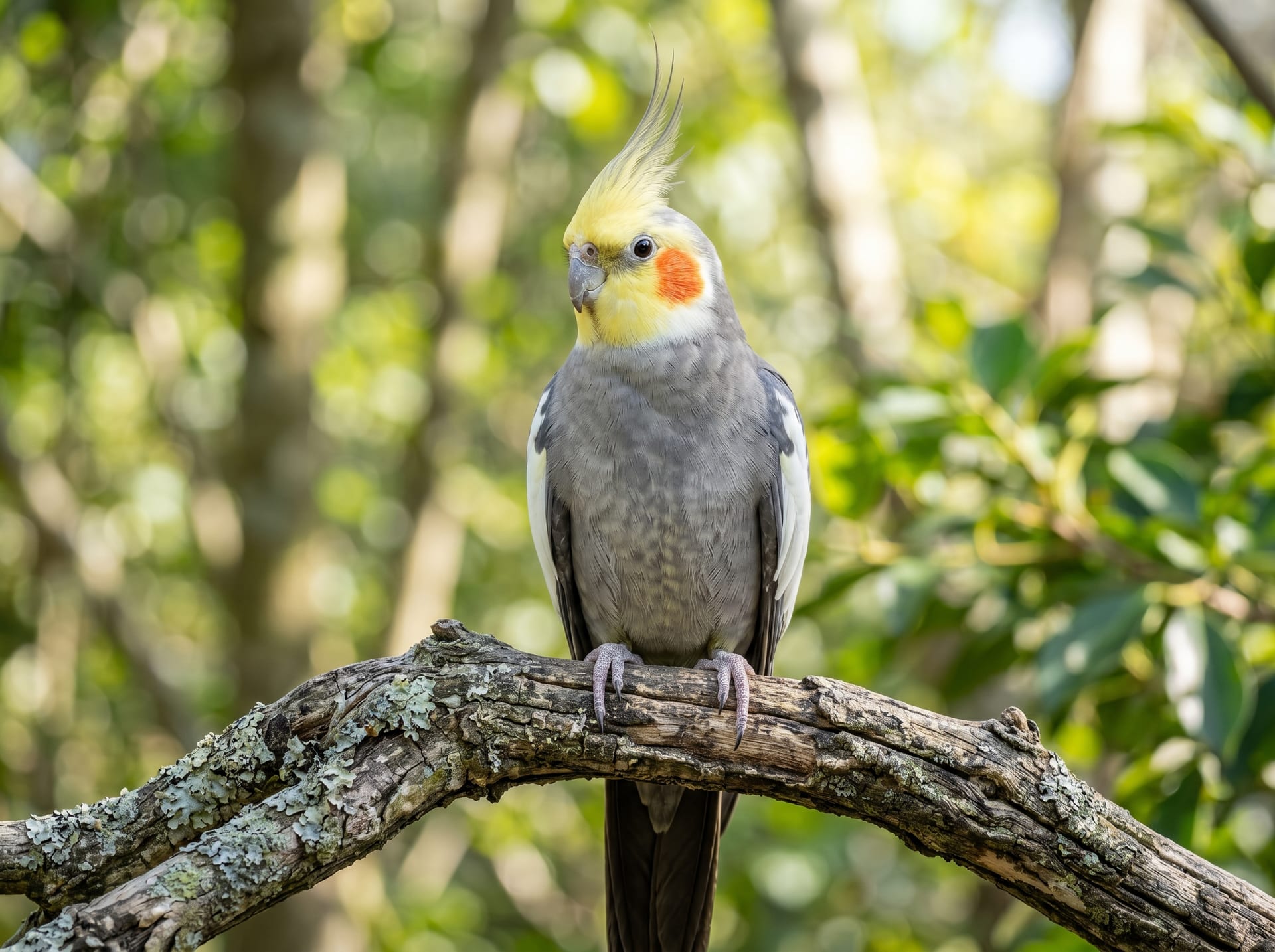
Cockatiel
- Optimal Breeding Period: Spring (March–May)
- Key Point: They are sensitive and require a quiet environment
Insect Breeding Calendar
Japanese Rhinoceros Beetle
- Adult Emergence: June–July
- Pairing: July–August (more than 2 weeks after feeding begins)
- Egg-Laying: July–September
- Larval Care: September–next June
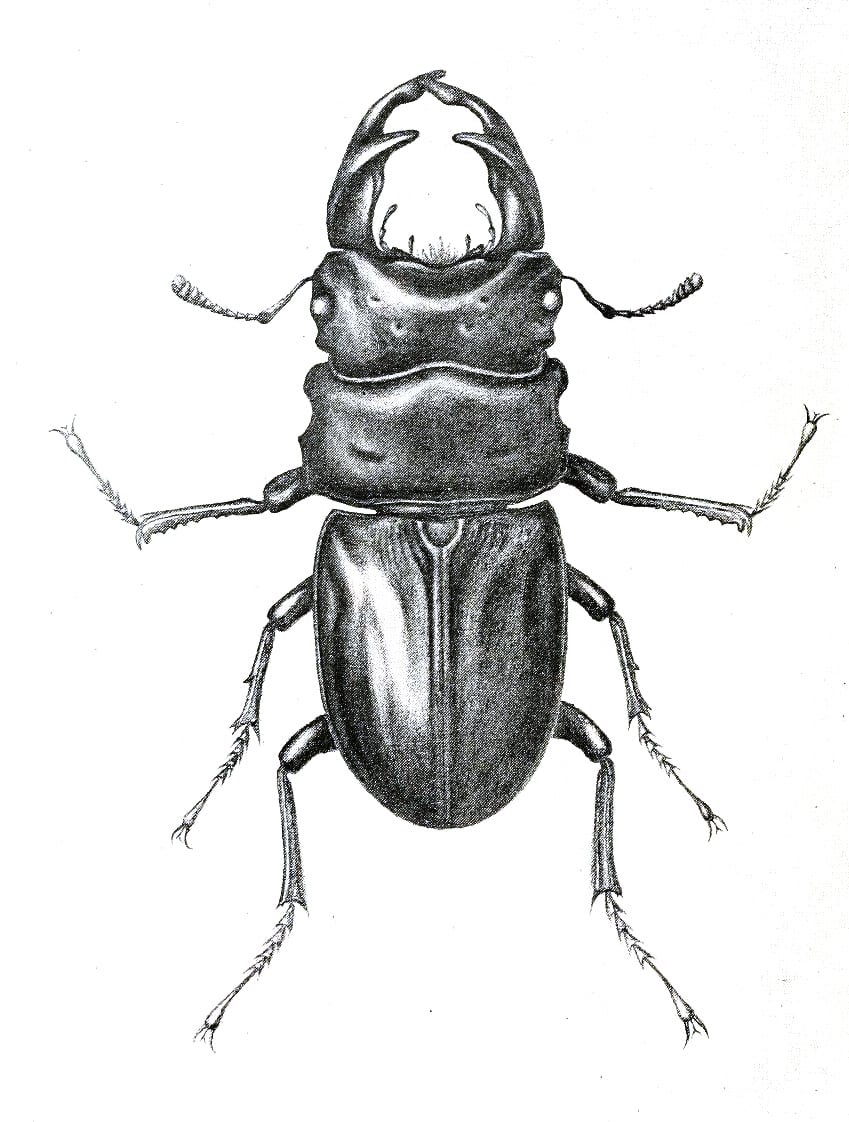
Japanese Great Stag Beetle
- Activity Begins: May–June (overwintered individuals)
- Pairing: June–July
- Egg-Laying Setup: June–August
- Larval Separation: August–October
- Larval Care: October–next May
Foreign Stag Beetles (Temperate Species)
- Year-Round Breeding Possible (with temperature control)
- Optimal Temperature: 20–25°C depending on species
Coral Propagation Calendar
Frags (Division)
- Optimal Period: Possible year-round, but spring–autumn (stable temperature period) is safest
- Period to Avoid: Summer high-temperature periods (above 30°C)
- Key Point: Perform during periods of stable water quality
Annual Schedule Summary
- January–February: Reptile chilling, goldfish cool conditioning
- March–April: Goldfish and medaka spawning begins, reptile pairing, bird breeding season
- May–June: Medaka breeding peak, Japanese Rhinoceros Beetle emergence preparation, reptile egg-laying period
- July–August: Japanese Rhinoceros Beetle breeding, medaka breeding continues
- September–October: Java Sparrow breeding season, stag beetle larval care begins
- November–December: Reptile chilling preparation, goldfish cool conditioning begins
Adjusting Breeding Environment by Season
To ensure breeding success, environmental adjustment by season is essential. Spring marks the beginning of the breeding season for many animals. Gradually extend daylight to match natural sunlight, and increase the quality and quantity of feed to build up body condition for breeding. Summer requires heat management while supporting egg-laying, incubation, and chick-rearing. Temperature control is especially critical for juveniles—maintain a stable environment 1–2 degrees warmer than for adults. As autumn approaches the end of the breeding season, work to restore adult body condition while preparing them for overwintering. In winter, species that hibernate or become dormant should avoid artificial environmental changes; respecting the natural cycle leads to successful breeding the next year. For non-hibernating species, maintain stable temperature and daylight, deciding whether to breed based on individual condition. By planning a structured breeding schedule, you can time juvenile shipments to coincide with high-demand seasons.
How to Manage Breeding Records
Detailed record management is essential for planned breeding. Record pairing dates, egg-laying dates, hatching dates, and growth records in a notebook or spreadsheet. Keep records of parent lineage, health status, and past breeding results—these will help with future breeding plans. Photographic growth records are effective for tracking quality changes. Digital tools are also recommended; Google Sheets, for example, allows sharing and editing across multiple devices, making it ideal for collaborative management. Breeding records are legally important; if registered as an animal handler, record-keeping in a ledger is mandatory. Keeping detailed records also improves your breeding skills.
Finding Breeding Individuals on BreederDirect
BreederDirect carries many breeding pairs and lineaged individuals for breeding purposes. Purchase directly from breeders at the optimal time for your breeding plan.
Summary
While optimal breeding periods vary by species, they share one common factor: the trigger is not the season itself, but changes in temperature and day length. Use the calendar as a guide, but base your actual decision to start on measured values from your own breeding environment. When creating an annual schedule, stagger egg-laying and hatching peaks to prevent management breakdown. Keeping records will improve accuracy in subsequent years.
Frequently Asked Questions (FAQ)
Q. Will breeding succeed if I follow the calendar timing? A. The calendar is a guide only. The actual trigger is the change in temperature and day length in your own environment; indoor conditions may differ from outdoor seasons. Base your decisions on measured values from your own setup.
Q. What should I prepare first if I'm aiming to breed? A. Preparing the adult animals is the top priority. Allow 2–3 weeks to get nutrition in order, and simultaneously prepare the egg-laying substrate, incubation container, and juvenile feed beforehand. Rushing to prepare these after eggs are laid will not work in time.
Q. What records should I keep? A. The five basic items are: pairing date, egg-laying/birth date, temperature, hatching date, and number hatched and number surviving. These alone are sufficient for determining optimal timing next year and tracking causes if something goes wrong.