What is Ethical Breeding? Ethical Reproduction and Sustainable Husbandry
Explanation of ethical breeding concepts and implementation methods. Key points of ethical reproduction include ensuring genetic diversity, preventing overbreeding, and establishing proper husbandry environments.
Key Takeaways
Explanation of ethical breeding concepts and implementation methods. Key points of ethical reproduction include ensuring genetic diversity, preventing overbreeding, and establishing proper husbandry environments.
Related Species

In recent years, the concept of "ethical breeding" has been rapidly gaining attention in the pet industry. As breeders dealing with living creatures, there is an increasing demand for breeding activities that go beyond simply increasing the number of animals and instead center on three key pillars: animal welfare, genetic soundness, and responsibility to purchasers. This article provides a detailed explanation of ethical breeding, from its basic concepts to practical implementation.
Basic Principles of Ethical Breeding
Ethical breeding is a breeding approach centered on the "ethical responsibility that those who handle living creatures must uphold." The principles promoted by international animal welfare organizations and domestic breeder associations are primarily summarized in the following five points.
- Ensuring genetic diversity: Avoiding inbreeding and maintaining a healthy gene pool
- Preventing overbreeding: Maintaining breeding numbers planned to match demand
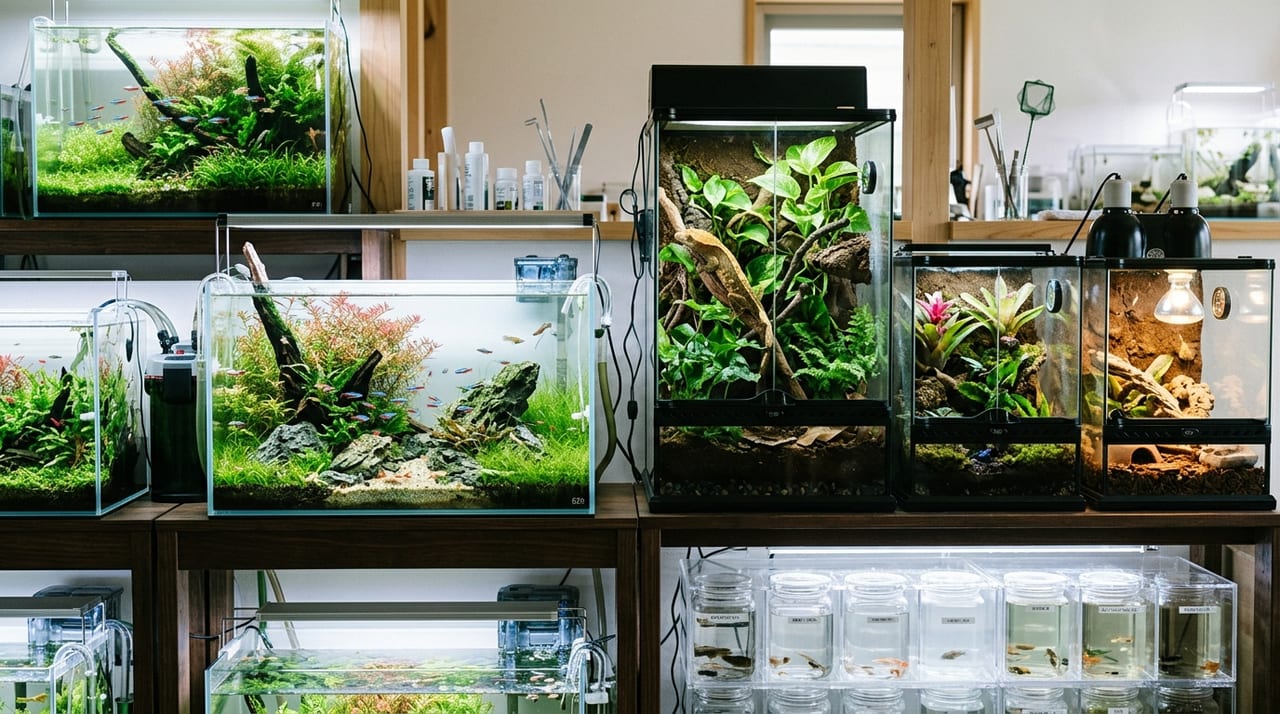
- Establishing appropriate husbandry environments: Providing space and facilities that allow natural behaviors to be expressed
- Honest information provision to purchasers: Truthfully communicating breed/species characteristics, risks, and husbandry difficulty levels
- Promoting lifetime care: Taking responsibility for managing retired individuals and those no longer used in breeding until the end
All of these are based on the philosophy of "prioritizing the long-term wellbeing of animals and purchasers over immediate profits."
Ensuring Genetic Diversity and Pedigree Management
While inbreeding may appear efficient from a cost and effort perspective, it carries serious long-term risks. Repeated breeding between siblings and parent-offspring has been widely documented to increase the incidence of genetic disorders, reduce immune function, and shorten average lifespan.
Practical Pedigree Management Tips
- Pedigree documentation: Recording and managing lineage for at least 3-4 generations
- Periodic outcrossing: Systematically introducing individuals with different bloodlines to maintain genetic diversity
- Knowledge of lethal genes and neurological disorders: Special caution is needed particularly in morphing of reptiles and fish. For example, the "Spider" morph of ball pythons is known to cause neurological disorders (wobble), and pairing decisions require careful judgment
While pedigree management is labor-intensive, it is the most important investment in consistently producing healthy individuals.
Strategic Approach to Preventing Overbreeding
One common pitfall for breeders is "overbreeding in anticipation of demand." Breeding large numbers at once to capitalize on seasonal demand fluctuations or trends can lead to management burdens for unsold animals and risks of inadequate care.
Guidelines for Appropriate Breeding Numbers
From an ethical breeding perspective, it is recommended to set as the upper limit the maximum number for which you can take responsibility for lifetime care. Specifically:
- Calculate the number of animals your current space and facilities can accommodate
- Predict realistic demand based on past sales records
- Set breeding cycles considering the health status and age of breeding pairs
By establishing a breeding plan on an annual basis that takes these factors into account, you can maintain animal quality while operating in a sustainable manner.
Proper Husbandry Environments and Animal Welfare
Parent animals used for breeding require particularly high standards of husbandry. Overcrowding and stressful environments not only reduce breeding success rates but also negatively impact the health of offspring.
Environmental Setup Checklist
- Adequate space: Providing appropriate dimensions, height, and layout suited to the species' natural behaviors
- Proper temperature and humidity: Maintaining stable conditions year-round
- Enrichment: Providing hiding spots, climbing structures, water features, and other equipment that encourages natural behaviors
- Sanitation management: Minimizing infection risk through regular cleaning and disinfection
- Nutritionally balanced diet: Providing appropriate nutrition for each growth stage and breeding period
Additionally, it is essential to establish limits on breeding frequency, provide adequate rest periods after birth or egg-laying, and retire breeding animals at an appropriate age to protect the health and welfare of parent animals.
Honest Responsibility to Purchasers
Ethical breeders do not simply "sell and move on"—they take responsibility for the long-term wellbeing of purchasers and animals.
Information to Communicate Before Sale
- Species/breed characteristics, adult size, and expected lifespan
- Risk of common diseases and genetic disorders
- Required husbandry equipment and maintenance costs
- Husbandry difficulty level and required expertise
Having the courage to decline a sale when a prospective purchaser lacks sufficient experience or appropriate environment is an important ethical stance. Additionally, establishing post-purchase support for husbandry questions builds a long-term relationship of trust with purchasers.
Ethical Choices as Consumers
Ethical choices are required not just from breeders, but also from purchasers.
- Avoiding impulse purchases and considering purchase only after preparing proper husbandry environments
- Purchasing from breeders who clearly display their animal handling business registration number
- After purchase, providing honest reviews to fairly evaluate trustworthy breeders
BreederDirect's Safe and Trustworthy System
BreederDirect is designed as a platform connecting breeders and purchasers who share the philosophy of ethical breeding.
- Certified breeder system: Only breeders who have passed trustworthiness screening—such as verification of animal handling business registration—are allowed to list animals
- Review system: Establishing a mechanism where purchaser reviews based on real experience ensure that ethical breeders are fairly recognized
- Communication features: Detailed pre-purchase questions and post-purchase husbandry consultations can all be completed within the platform
Because we are dealing with living creatures, transparency and peace of mind are our top priorities. BreederDirect is dedicated to creating an environment where "good transactions" can happen for animals, breeders, and purchasers alike.
Let us deepen our understanding of ethical breeding and together nurture a sustainable pet culture. For detailed information on regulations, please also refer to Animal Handling Business Legal Guide.