UVB Light Spectrum Guide | How to Choose the Right Ultraviolet Light for Reptiles
Explaining UVB light spectrum for reptiles. Introducing UV index requirements by species type, the relationship between distance and intensity, and replacement timing.

Key Takeaways
Explaining UVB light spectrum for reptiles. Introducing UV index requirements by species type, the relationship between distance and intensity, and replacement timing.
Related Species
Choosing the right UVB light is one of the most critical aspects of keeping reptiles healthy, alongside proper diet and temperature management. Without an appropriate ultraviolet environment, calcium absorption disorders can lead to MBD (Metabolic Bone Disease), causing bone deformities, paralysis, and in severe cases, death. Conversely, excessive UVB can cause eye damage and skin problems. The assumption that simply adding any UVB light will be sufficient is dangerous—careful selection and placement tailored to your species' specific needs is essential. This guide explains everything from UVB fundamentals to lighting distance adjustment and maintenance methods in a way that's accessible even to first-time reptile keepers.
Understanding "Required UVB Levels" Through Ferguson Zones
The Ferguson Zone is a scientific framework for categorizing UVB exposure levels in reptiles' natural environments. Proposed by researcher Gary Ferguson and colleagues, this classification divides reptiles into four groups based on UVI (Ultraviolet Index) ranges. In captivity, the ideal is to recreate a UVI environment corresponding to these zones.
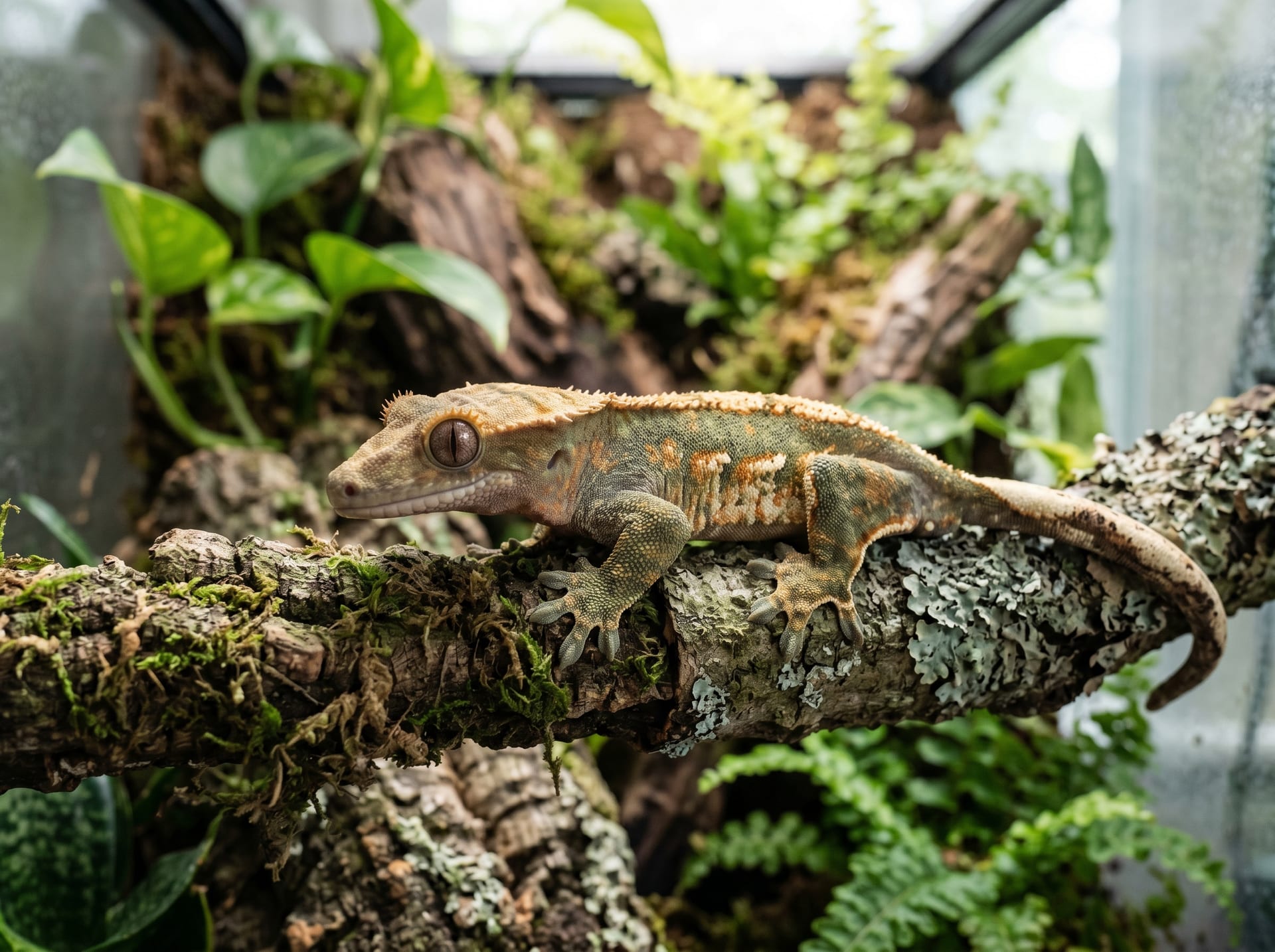
- Zone 1 (UVI 0–0.7): Nocturnal and shade-dwelling species. Leopard geckos and crested geckos fall into this category. UVB is not essential, though weak exposure is believed to provide physiological benefits.
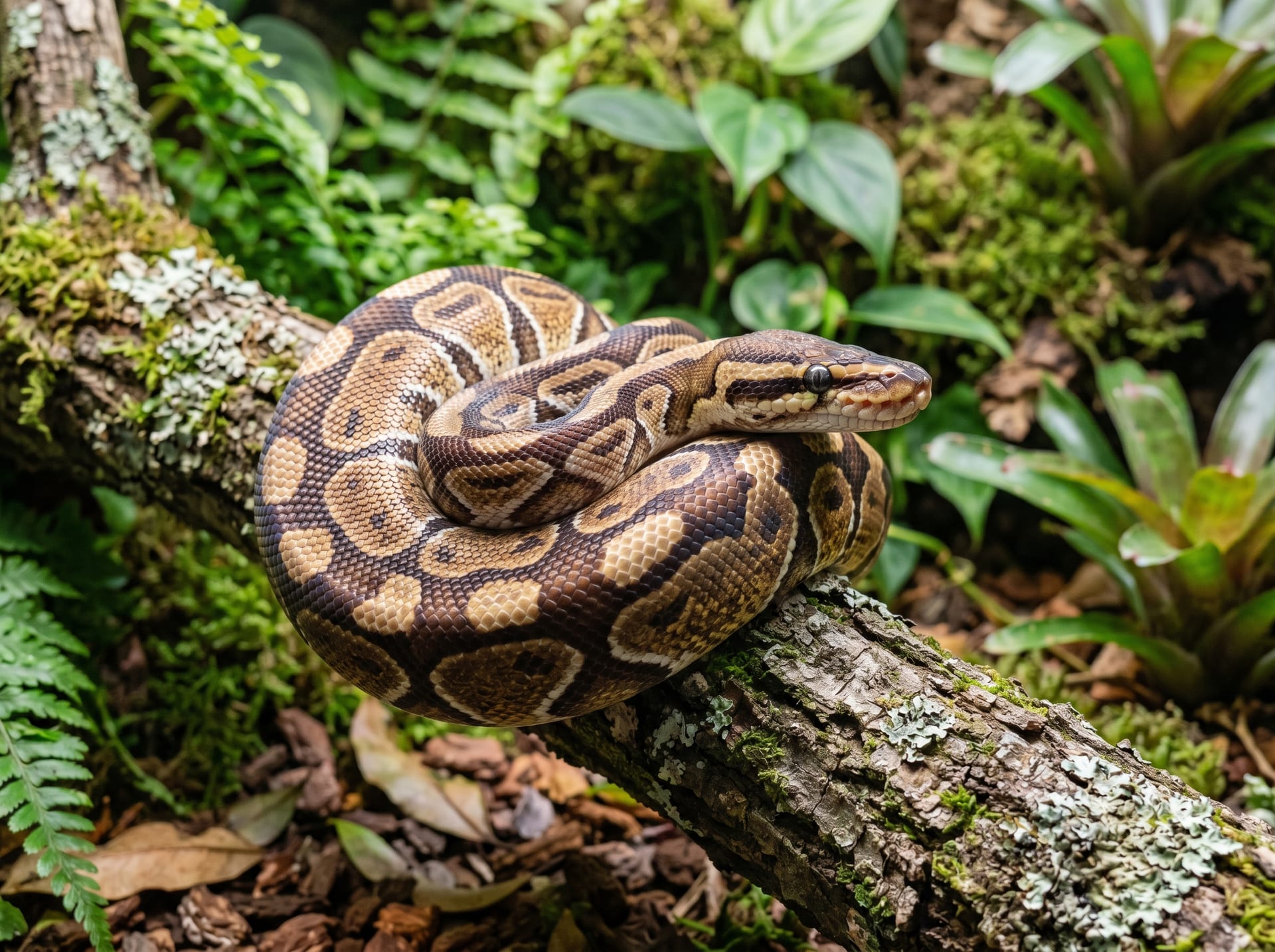
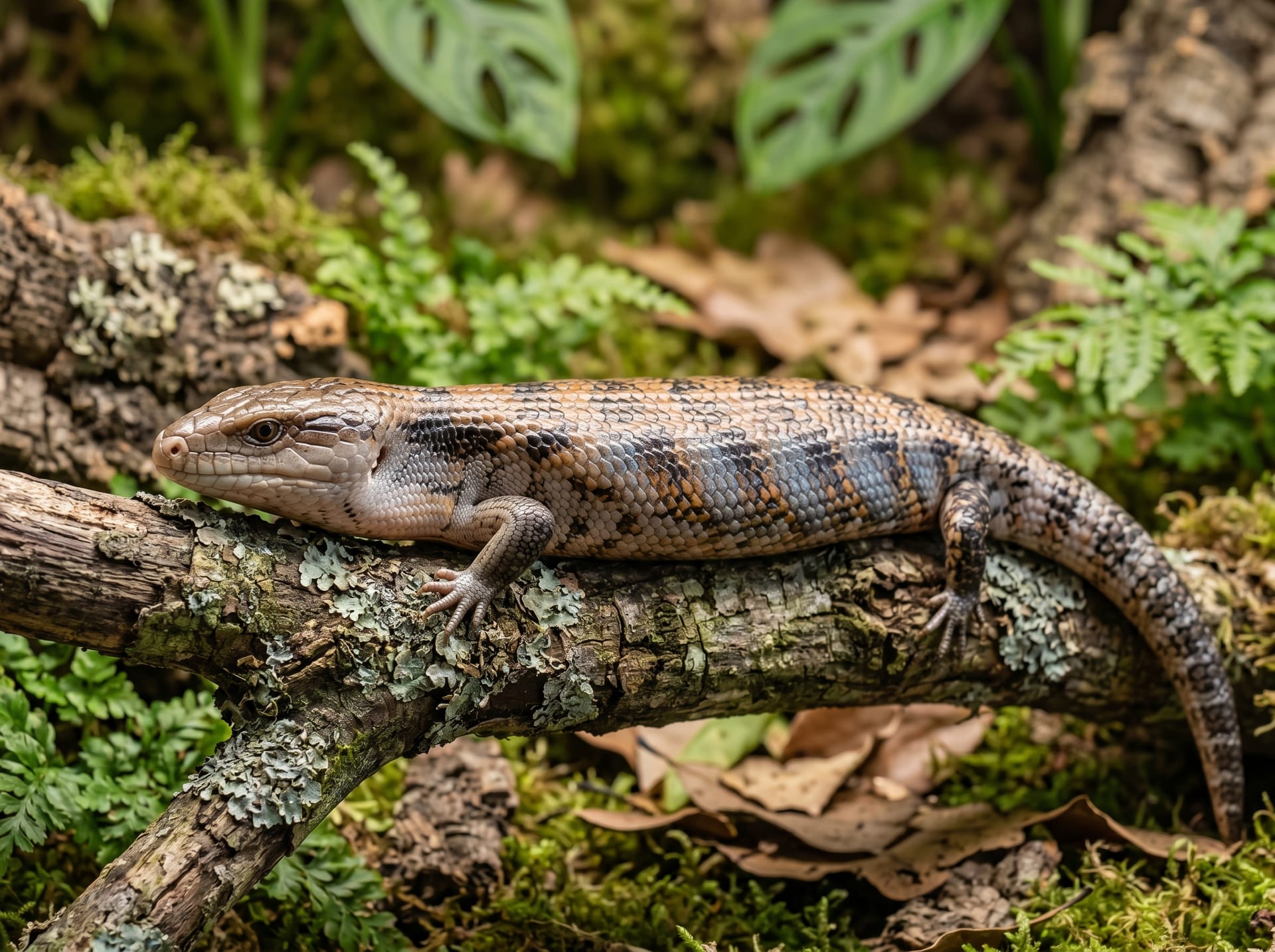
- Zone 2 (UVI 0.7–1.0): Crepuscular species. Ball pythons and blue-tongued skinks fall into this category. Weak UVB equivalent to dappled sunlight is appropriate.
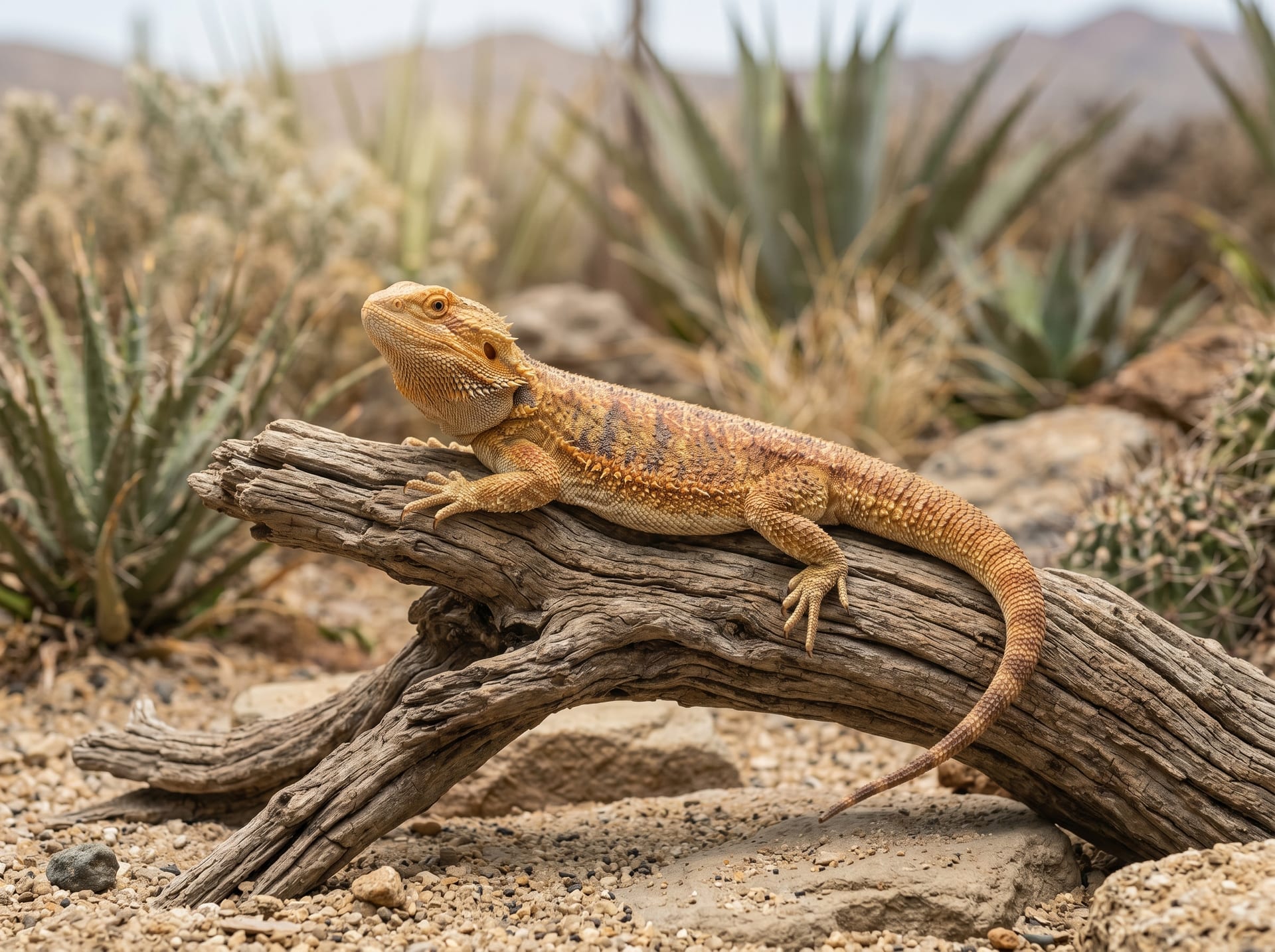
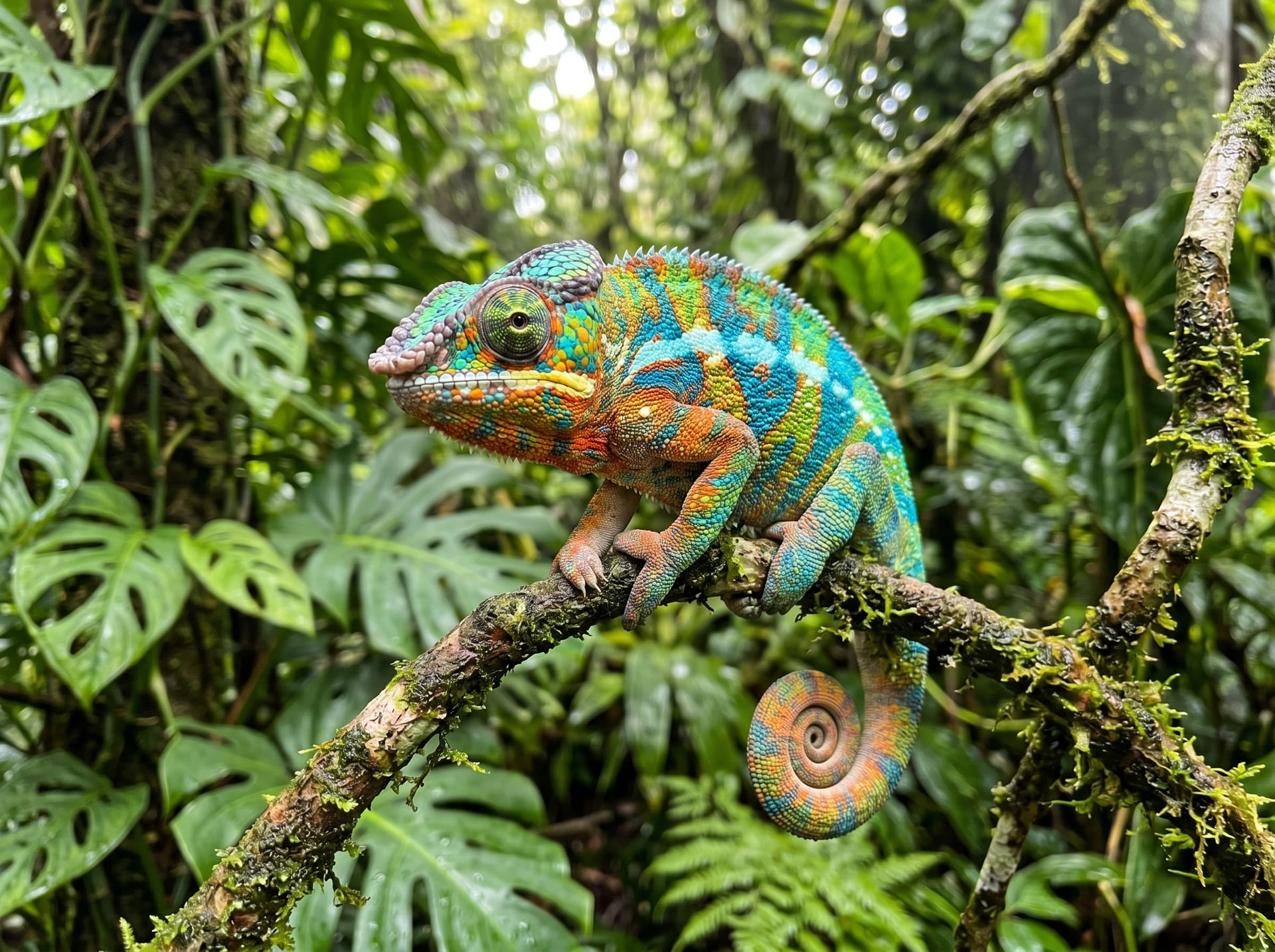
- Zone 3 (UVI 1.0–2.6): Species that actively bask. Bearded dragons and panther chameleons are prime examples. Clear basking areas and UVB exposure are essential.
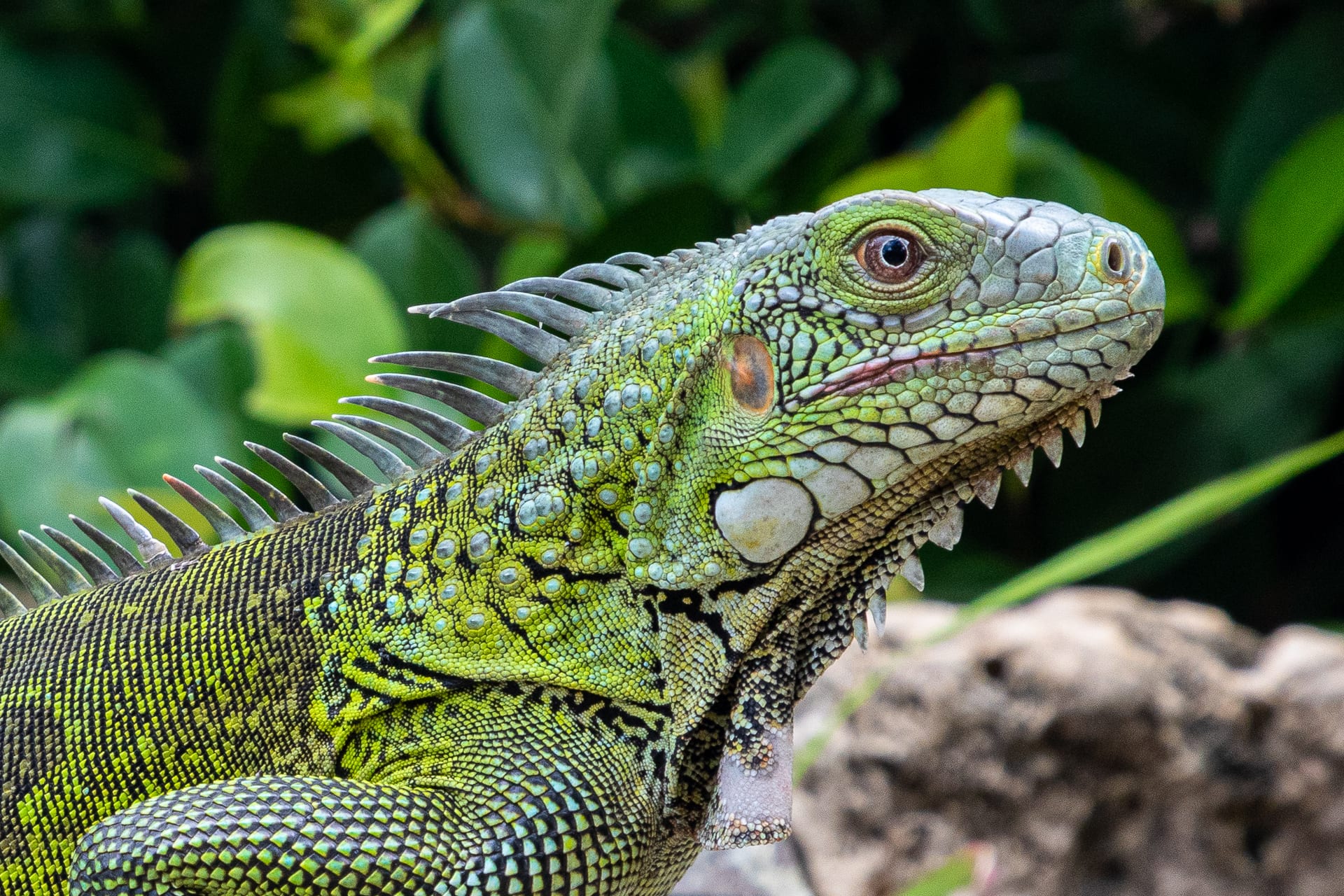
- Zone 4 (UVI 2.6–3.5): Species that spend long periods in strong sunlight. Tortoises and green iguanas are examples. High-output UVB and broad illumination coverage are essential.
Identifying which zone your species belongs to is the first step in choosing the right UVB light.
Types and Characteristics of UVB Lights
Commercially available UVB lights fall into three main categories. Each has strengths and weaknesses, so it's important to choose based on your enclosure size and species.
Fluorescent Tube Types (T5HO and T8)
These are the most widely used types.
- T5HO (High Output): Currently the industry standard. Despite their slim profile, they deliver high output and uniform UVB coverage across wide areas. Arcadia and Zoo Med products are well-regarded. Particularly suitable for Zone 3–4 species like bearded dragons and tortoises.
- T8 (Standard): An older standard that's more affordable, but with roughly half the output of T5HO. Requires closer mounting distances and is unsuitable for large enclosures. A good option for small enclosures or budget-conscious keepers.
Compact Fluorescent Lights (CFL)
Bulb-type fixtures that install space-efficiently, but have narrow coverage and provide only spot UVB. Suitable for small enclosures or supplemental use, but insufficient as a main light for larger enclosures.
Mercury Vapor Lamps (Metal Halide Lamps)
A multifunctional type that provides UVB, basking heat, and visible light in a single fixture. Ideal for large enclosures and indoor-kept tortoises, Nile monitors, and similar species, but they're expensive and generate substantial heat, requiring careful temperature management. Specialized sockets and adequate ventilation are prerequisites.
Distance, Placement, and UVB Intensity
Installing a UVB light doesn't guarantee adequate intensity reaches your reptile. UVB intensity decreases dramatically, inversely proportional to the square of the distance. Additionally, if your enclosure has a mesh lid, remember that it filters out approximately 30% of UVB.
Recommended installation distances (through mesh):
| Light Type | Recommended Distance | UVI Zone Achieved |
|---|---|---|
| T5HO 12% | 30–45 cm | Zone 3–4 equivalent |
| T5HO 6% | 20–30 cm | Zone 2–3 equivalent |
| T8 10% | 15–25 cm | Zone 2 equivalent |
These are merely guidelines. Actual UVI values vary depending on enclosure reflectivity and lamp age, so measuring with a UV meter (such as a Solarmeter) is ideal. For species requiring Zone 4 like tortoises, meter verification is strongly recommended.
A key installation point is overlapping the basking spot (where the reptile warms itself) with the UVB illumination area. In nature, reptiles receive UVB and heat simultaneously while basking, so separating heat and UVB in captivity is unnatural and inhibits adequate vitamin D3 synthesis.
Replacement Timing and Maintenance of UVB Lights
The biggest pitfall with UVB lamps is that degradation isn't visible. Fluorescent tubes can continue emitting visible light for 6–12 months while UVB output drops dramatically. Continuing to use an aging lamp is nearly equivalent to keeping your reptile in a UVB-free environment.
Replacement guidelines:
- Fluorescent tubes (T5HO and T8): Every 6–12 months
- Compact fluorescent lights: Every 6 months (degradation is faster)
- Mercury vapor lamps: Every 1–2 years (depends on product)
When replacing lamps, writing the purchase date on the lamp itself with tape makes management easier. Recording the UVI value of a new lamp with a UV meter also allows for comparison at future measurements, helping you determine replacement timing.
Conclusion | UVB Light Selection is Fundamentally About Species-Specific Design
Choosing a UVB light isn't simply a matter of buying any product labeled "for reptiles." Only by identifying your species' Ferguson Zone and combining the appropriate light type, output, and installation distance can you create a truly suitable environment.
Key points to remember:
- Identify your species' zone (Zone 1–4)
- Choose lamp type and output for your zone (T5HO recommended)
- Adjust installation distance accounting for mesh attenuation
- Align basking spots with UVB illumination areas
- Replace every 6–12 months and verify with a UV meter
With BreederDirect, you can purchase reptiles directly from breeders with expertise in these species, allowing you to ask questions about care specifics like "What UVB light do you use?" or "What basking temperature do you maintain?" By continuing with the lighting environment the breeder actually uses, you make it easier for your new reptile to adjust to familiar conditions. Even for first-time reptile keepers, the ability to directly apply the knowledge of experienced breeders is what makes BreederDirect uniquely reassuring.