Complete Guide to Reptile Heating Equipment | How to Choose Panel Heaters, Ceramic Heaters, and Basking Lamps
A thorough comparison of essential heating equipment for reptile care. We explain the characteristics and selection methods for panel heaters, ceramic heaters, basking lamps, and thermostats, along with recommended settings by species.
Key Takeaways
A thorough comparison of essential heating equipment for reptile care. We explain the characteristics and selection methods for panel heaters, ceramic heaters, basking lamps, and thermostats, along with recommended settings by species.
Reptiles are "ectothermic animals." Unlike mammals and birds, they cannot generate body heat on their own and must regulate their body temperature using external heat sources. In other words, temperature management within the enclosure is directly linked to all aspects of reptile health—digestion, immunity, activity, and reproduction. Choosing the right heating equipment and setting it up correctly are essential prerequisites for successful long-term care.
✍️
BreederDirect Editorial
The BreederDirect editorial team specializes in care information for animals, covering veterinary care and breeding to deliver beginner-friendly guides.
Find Reptiles on BreederDirect
Buy directly from verified breeders
Browse Related Listings
Find Reptiles listings related to this article on BreederDirect. Buy directly from verified breeders.
This article comprehensively covers the types of heating equipment, how to choose them, how to use thermostats, and recommended settings for popular captive species.
Understanding Types and Characteristics of Heating Equipment
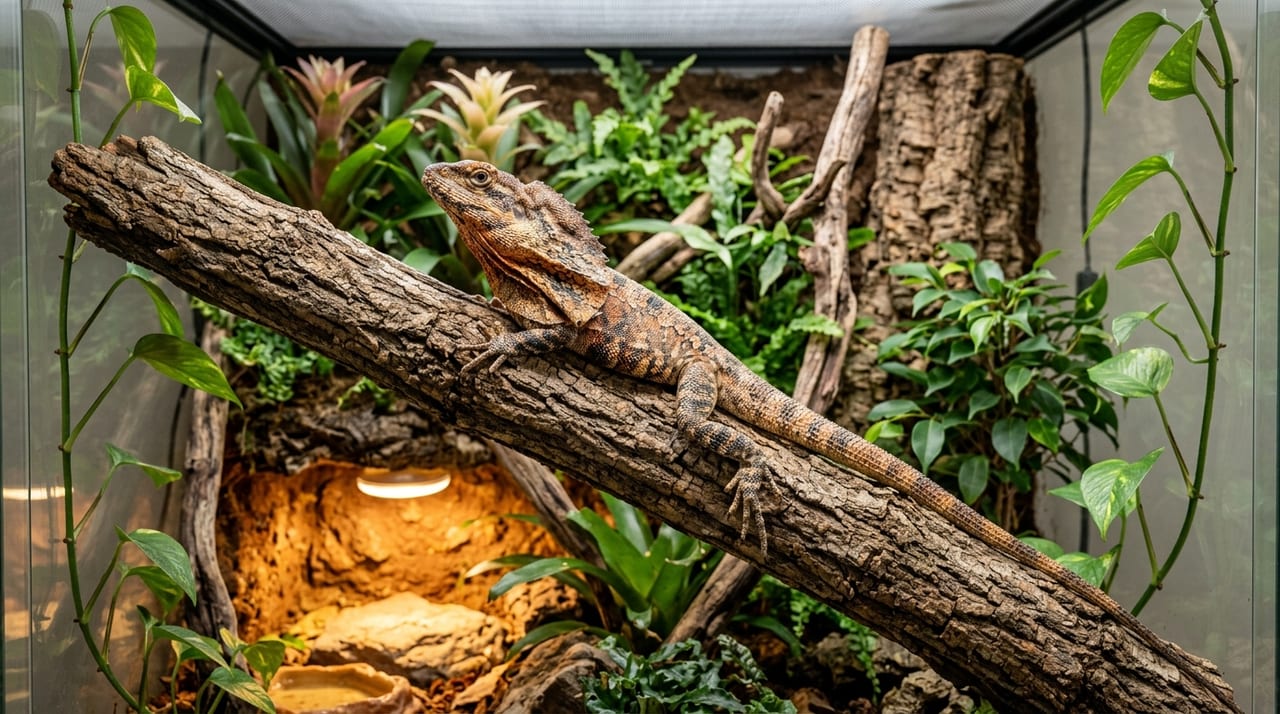
There are several types of heating equipment, each with different methods of heat transfer. It's important to choose a type that matches the ecology of the reptiles you're keeping.
Panel Heaters
These are thin heating pads installed on the bottom or sides of the enclosure. They are "contact-type" heating equipment that warm only the areas directly touched, and are excellent at creating localized hot spots.
Advantages: Low power consumption and inexpensive operating costs. Since they're not exposed in the enclosure, there's minimal risk of accidental ingestion or burns.
Disadvantages: Weak at heating the entire air volume, and single use may be insufficient in cold winter environments.
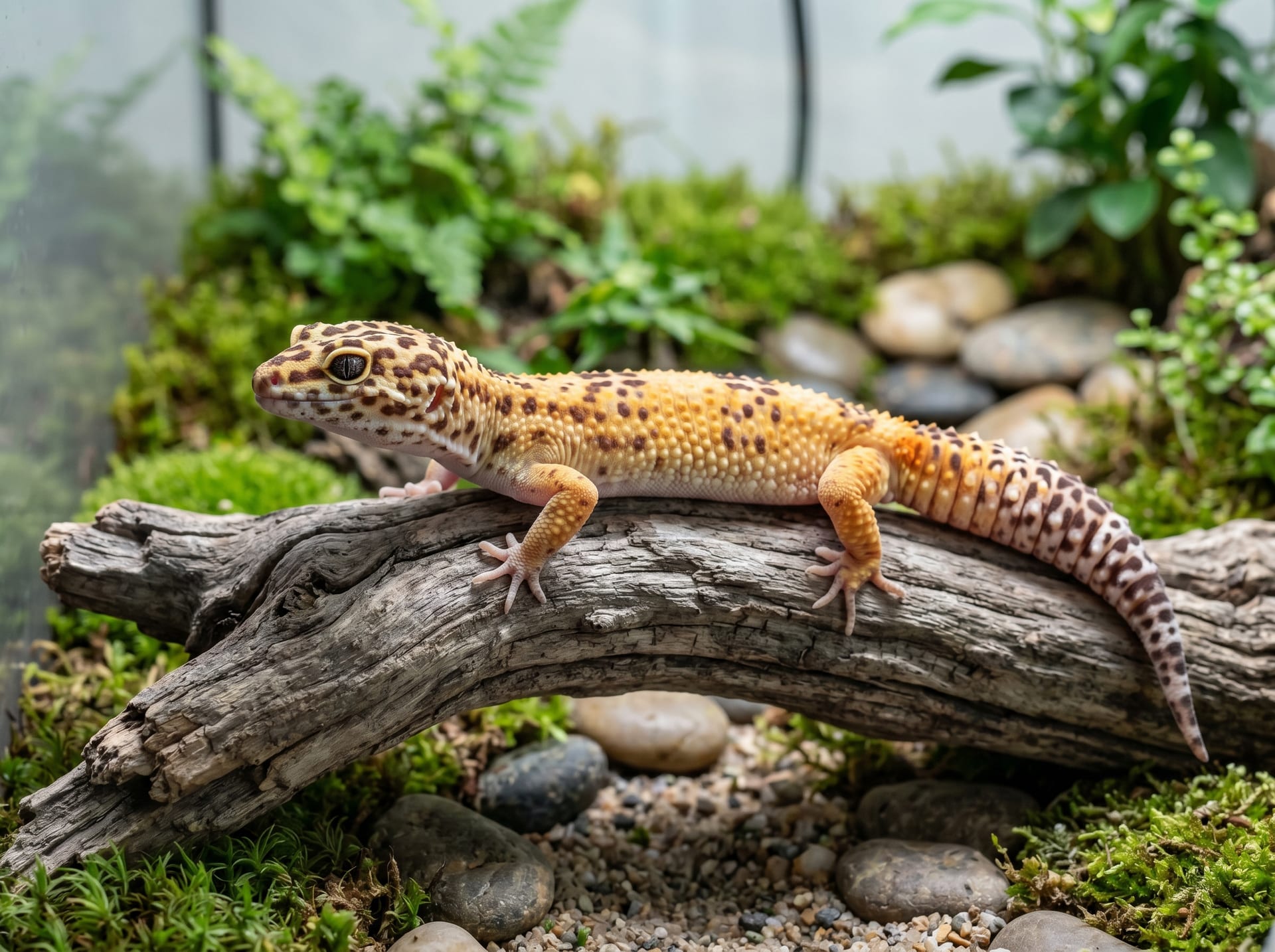
Best for: Ground-dwelling species such as leopard geckos, corn snakes, and African fat-tailed geckos.
Ceramic Heaters (Far-Infrared Emitters)
These are far-infrared heaters mounted on the ceiling of the enclosure. They gradually raise the air temperature throughout the enclosure through radiant heat.
Advantages: No light emission, so they can be used day and night. Relatively low surface temperature makes them unlikely to cause burns if reptiles contact them.
Disadvantages: Plastic enclosures risk melting, so they're only suitable for enclosures with metal mesh tops.
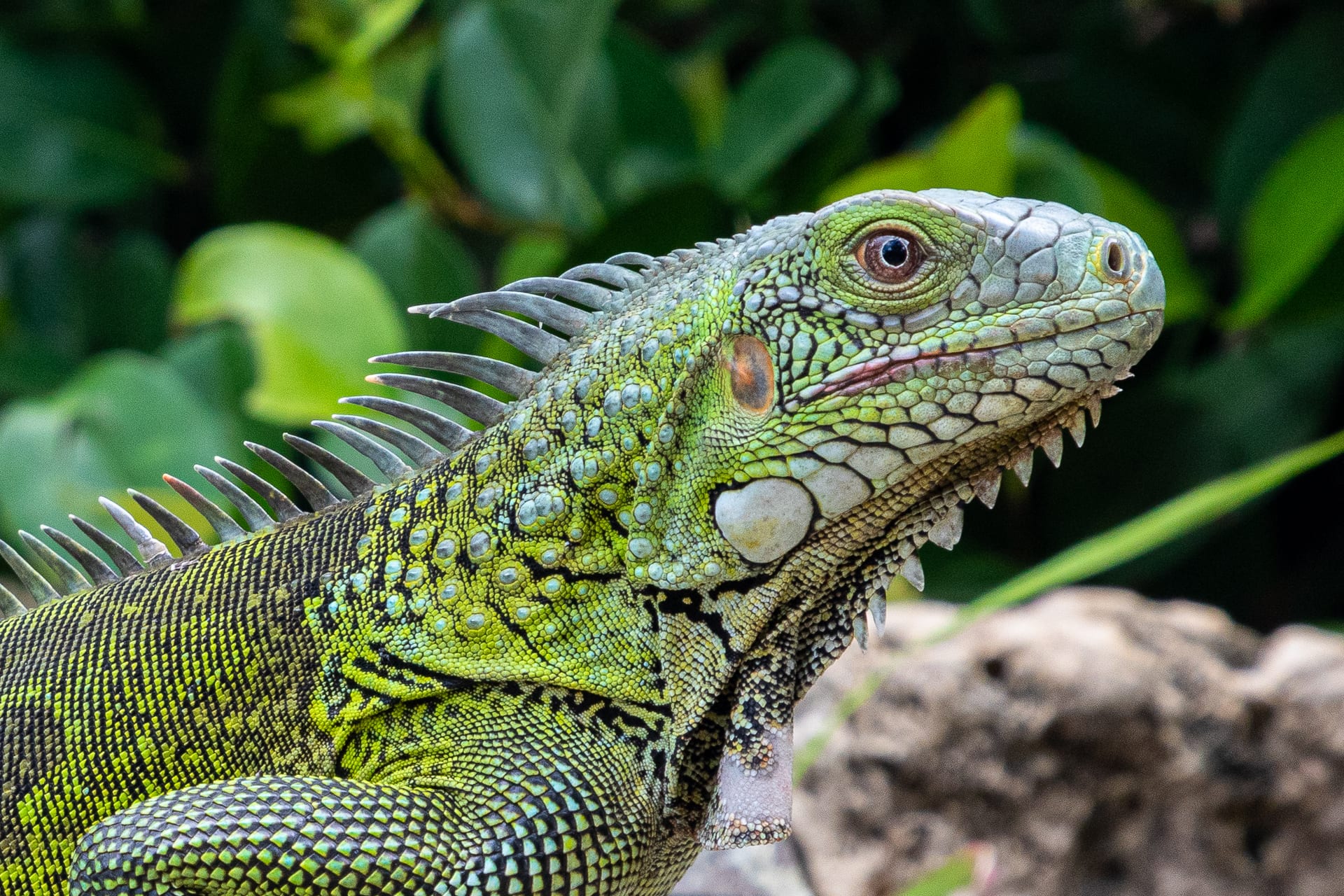
Best for: Ball pythons, bearded dragons, arboreal chameleons, green iguanas, and similar species.
Basking Lamps (Heat and Light Bulbs)
These are light bulbs that emit both light and heat simultaneously. They're used to simulate the basking behavior of diurnal reptiles.
Advantages: Create intense localized heat and promote natural basking behavior. Many products include UVA.
Disadvantages: Must be turned off at night. Risk of bulb burnout requires regular replacement.
Best for: Bearded dragons, iguanas, skinks, and diurnal lizards in general.
Ceramic Heat Emitters
These are bulb-shaped but emit only heat without any light. They're excellent for supplemental night heating.
Advantages: No light stimulus at night. Long-lasting with less frequent replacement.
Disadvantages: Surface becomes extremely hot and can cause severe burns if reptiles contact it directly. A guard must always be used.
Thermostats Are Essential
Using a thermostat is essential for safely operating heating equipment. A thermostat automatically controls power supply to heating equipment based on the set temperature, preventing overheating. Without a thermostat, enclosures can become dangerously hot, risking burns, dehydration, and heat stroke in reptiles.
Types of Thermostats
On/Off Type
A simple control method that cuts power when the set temperature is reached and reactivates when it drops. Inexpensive and easy to use, with good compatibility with panel heaters and ceramic heaters.
Proportional Control (Analog Type)
Automatically adjusts output in stages. Provides gradual temperature changes and is suited for equipment prone to bulb burnout, such as basking lamps and ceramic heaters. Bulb lifespan tends to be longer than with on/off type controls.
Pulse Control Type
Rapidly cycles on and off to achieve precise temperature control. Particularly suited for panel heaters and ceramic heaters, and should be chosen when precision is important.
Recommended Settings by Species
Leopard Geckos
Among the most popular ground-dwelling geckos. Lay a panel heater over 1/3 to 1/2 of the enclosure floor to create a temperature gradient.
Hot spot: 30–32°C
Cool spot: 25–27°C
Night: Maintain around 25°C (using a ceramic heater or low-wattage ceramic heat emitter as a supplement)
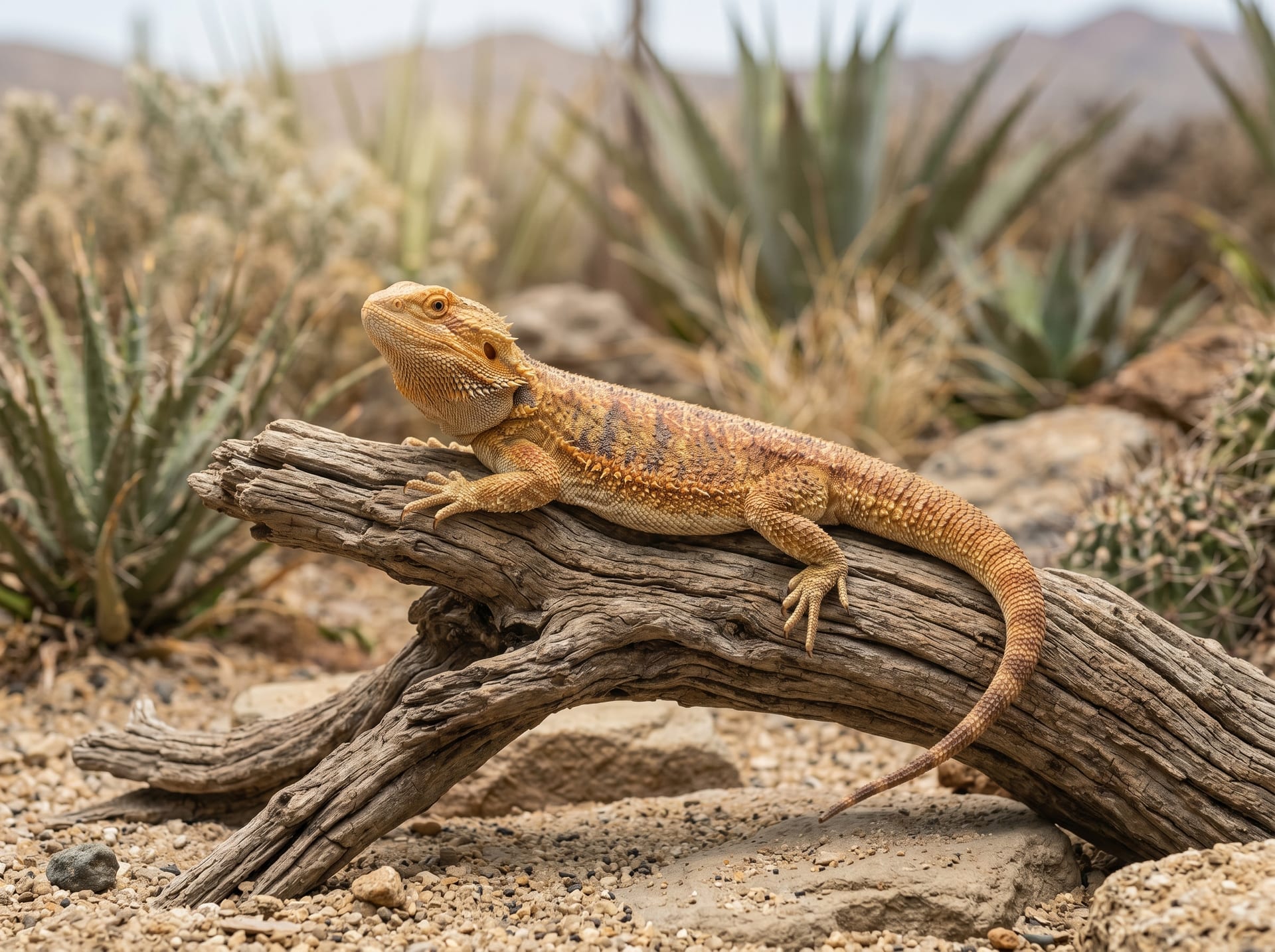
Bearded Dragons
Large, diurnal lizards that require a powerful basking spot.
Basking spot: 35–42°C (100W+ basking lamp)
Overall temperature: 28–32°C (ceramic heater or large panel heater)
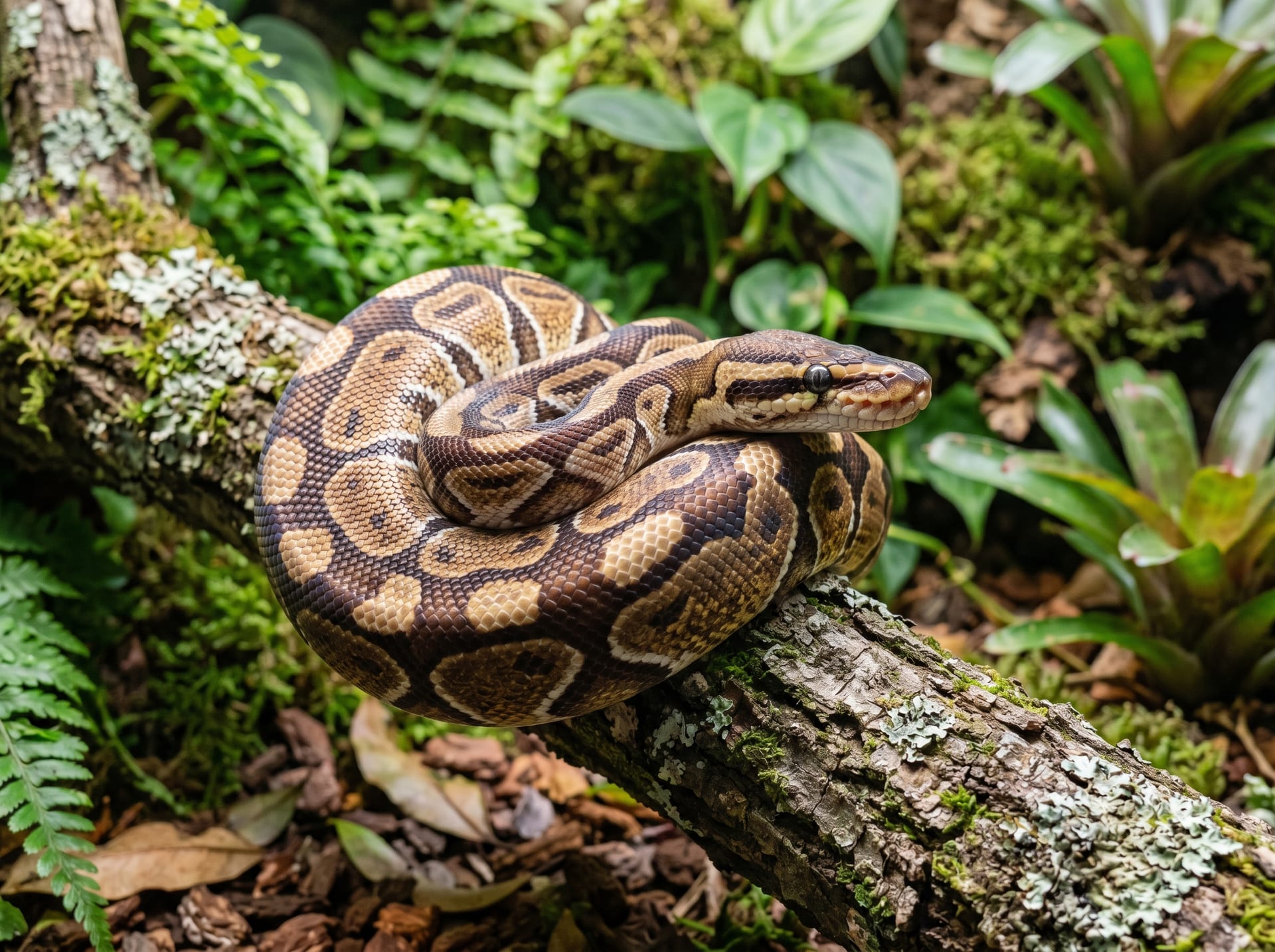
A species of python for which temperature and humidity management are particularly important.
Hot spot: 30–32°C (panel heater)
Entire enclosure: 27–29°C (ceramic heater)
Cool spot: 26–28°C
Humidity: 60–70% (essential to prevent shedding problems)
Low temperatures can cause digestive issues and feeding refusal. Extra care is needed in winter. See Basic Humidity Management Techniques for humidity management details.
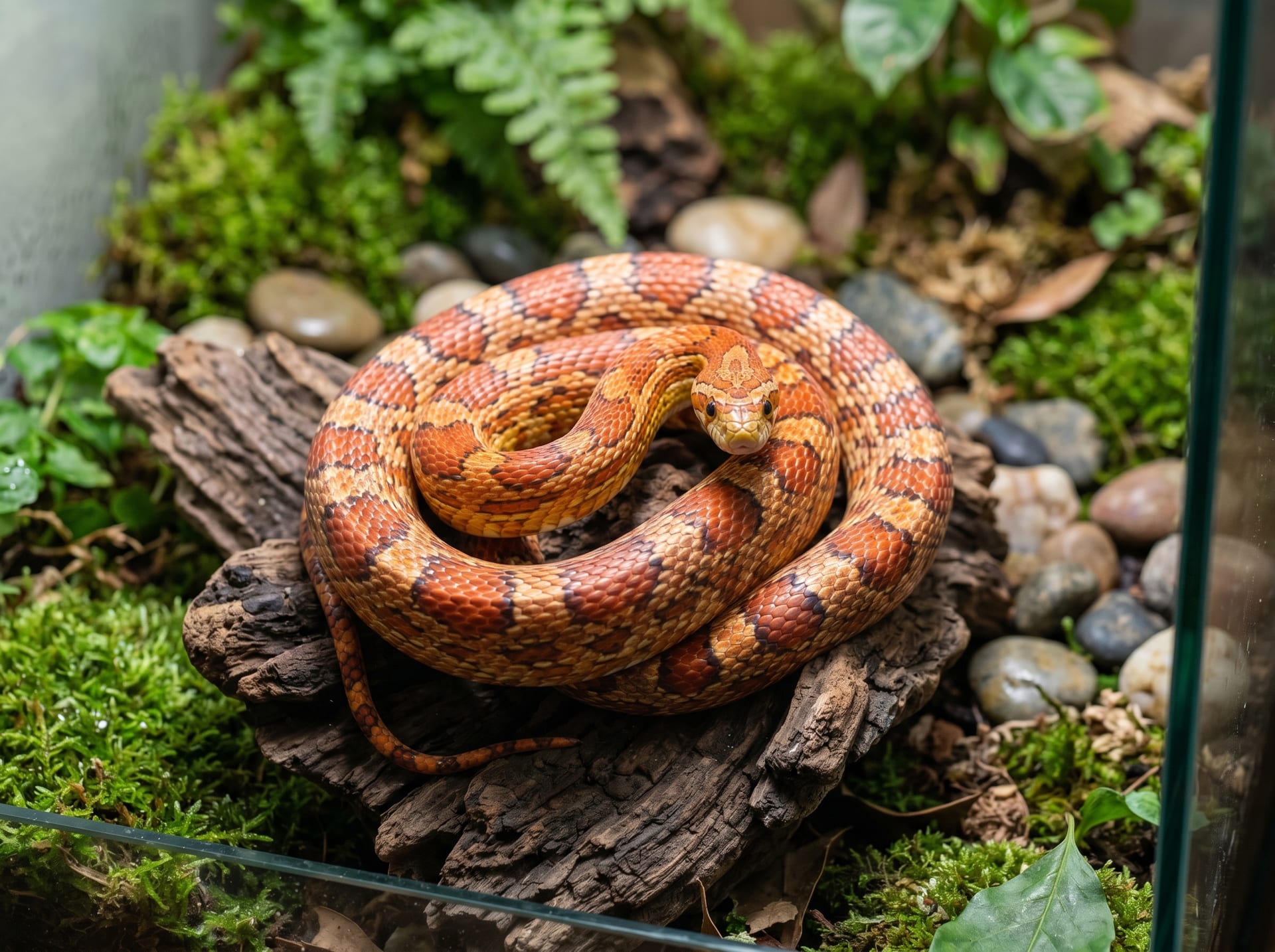
Corn Snakes
A hardy beginner species that's easy to care for, but follows the same basic temperature management principles.
Hot spot: 28–30°C (panel heater)
Cool spot: 22–25°C
Night: Can be lowered to 20–22°C
Creating Temperature Gradients and Positioning Thermometers
Reptiles move around the enclosure and regulate their body temperature (thermoregulate) based on their comfort. To enable this behavior, it's important to intentionally create "warm areas" and "cool areas" within the enclosure.
Basic Setup
Concentrate heating equipment on one side of the enclosure (1/3 to 1/2)
Leave the opposite side without heating equipment so temperature naturally decreases
Place shelters on the cool spot side as well to provide cool refuge areas
Thermometer Placement
Install thermometers in both the hot spot and cool spot
Digital types that record high and low temperatures are easier to manage
Measuring both the enclosure floor and middle levels gives you a three-dimensional understanding of temperature distribution
Without a temperature gradient, reptiles cannot thermoregulate, leading to chronic stress, digestive issues, and weakened immunity. For winter power outage preparations, see Emergency Power Outage Response Guide in advance.
BreederDirect's Safety and Trust System
Once you've learned about heating equipment, the next step is preparing to welcome your reptile. BreederDirect is a platform where you can purchase animals directly from domestic breeders.
Unlike shop distribution, direct purchase from breeders has significant advantages.
Transparency of care history and management: You can directly verify the environment where the breeder raised the animal and its feeding history
Appropriate advice: After purchase, you can easily consult with the breeder about any care-related questions
Healthy animals: Since breeders manage the entire breeding and rearing process, there are many animals in excellent condition
On BreederDirect, transactions are conducted within the platform, so there's no need to share personal information directly, providing peace of mind. Additionally, in case of issues related to animal condition, support is available through the help desk.
Reptile care begins with proper knowledge and choosing animals from a trustworthy source. Please search for your ideal animal on BreederDirect.