Proper Use of Calcium and Vitamin Supplements | For Reptiles, Amphibians, and Birds
A guide to using calcium and vitamin D3 supplements for reptiles, amphibians, and birds. Learn about dusting frequency, combining with gut-loading, risks of overdose, and appropriate dosages by species.
Key Takeaways
A guide to using calcium and vitamin D3 supplements for reptiles, amphibians, and birds. Learn about dusting frequency, combining with gut-loading, risks of overdose, and appropriate dosages by species.
Related Species

Why Calcium and Vitamin Supplements Are Necessary
Providing calcium and vitamins is an unavoidable challenge when keeping reptiles, amphibians, and birds. In the wild, they obtain these nutrients naturally by consuming a diverse diet and basking in ultraviolet light. However, in captivity, the combination of monotonous diet and lack of sunlight often leads to serious nutritional deficiencies.
Calcium deficiency is particularly high-risk. In reptiles, metabolic bone disease (MBD) develops, causing bones to soften and deform, potentially leading to immobility and fractures in severe cases. Gravid females experience even greater depletion and can suffer from egg binding. In birds, typical deficiency symptoms include beak and claw deformities, and reproductive abnormalities.
Vitamin D3 is a fat-soluble vitamin essential for calcium absorption in the intestines and is synthesized in the skin when exposed to UVB light. In indoor husbandry, even UVB lamps cannot fully replicate natural sunlight, making dietary and supplemental sources a practical solution.
Types of Supplements and How to Choose
Commercial supplements for reptiles and amphibians fall into three major categories.
Calcium Only (Without D3) Powder-based products containing calcium carbonate or calcium lactate. Suitable for animals receiving adequate UVB lighting or regular natural sunlight exposure. This type is sufficient if the animal can synthesize D3 in its body. Also effective when avoiding excess D3 intake.
Calcium + D3 Combination Appropriate for species with limited UVB access (nocturnal reptiles or those kept almost entirely indoors). However, since D3 is fat-soluble and accumulates in the body, overuse can cause hypercalcemia. Use approximately 2-3 times per week.
Multivitamin and Mineral Supplements Complex supplements containing vitamins A, E, and B-complex, plus trace minerals. They're typically alternated with calcium supplements. However, excess vitamin A causes toxicity symptoms (skin shedding and liver damage), so strict dosing is essential.
Avian supplements are typically liquid or softfood-mix types, often added to drinking water. However, water addition makes dose management difficult, so direct syringe feeding or mixing directly into food offers better precision.
Feeding Methods: Dusting, Gut-Loading, and Direct Application
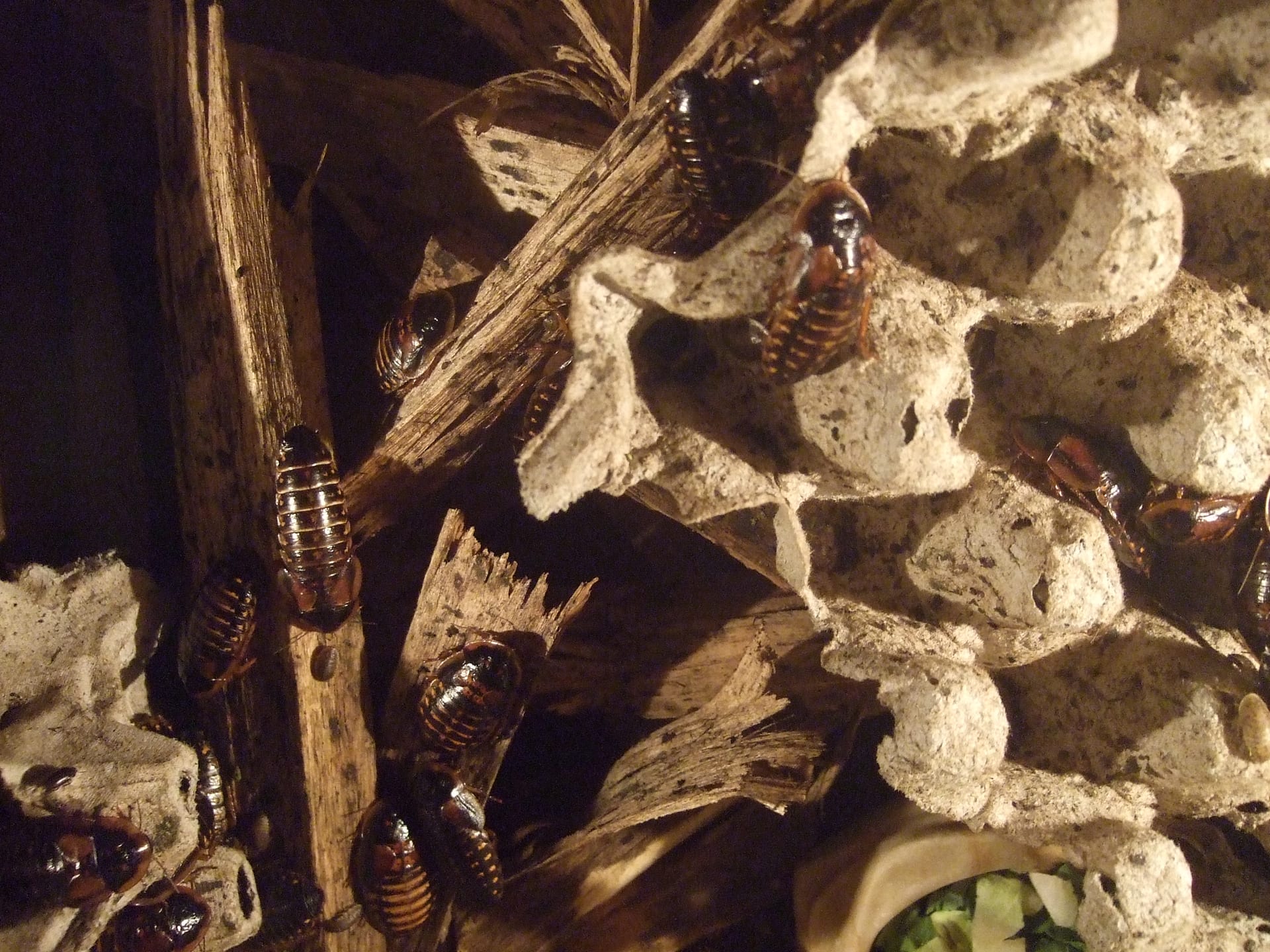
Dusting (Coating Feeders) The method of coating live feeders like crickets or dubia roaches with powdered supplement. It's the most popular and efficient approach. Simply place live feeders and supplement in a small ziplock bag and shake gently. Offer immediately after dusting—feeders will shed the powder over time and moisture causes clumping.
Use approximately 0.1-0.2g of supplement per 10-15 feeders (1/8 to 1/4 teaspoon). Rather than exact measurements, use the visual guide of "barely visible white coating."
Gut-Loading (Pre-feeding Nutritional Enhancement) The practice of feeding live feeders nutritious food for 24-48 hours before offering them to your pet. Carrots, kale, or dog food work well for crickets. This boosts the nutritional value of the feeders, reducing reliance on supplements. Combining with dusting is even more effective.
Direct Application to Greens and Fruits For herbivorous and omnivorous species like chameleons, iguanas, and green anoles, sprinkling supplement directly on vegetables is convenient. Moisture on the leaves helps the supplement adhere.
Species-Specific Feeding Schedules
Needs and frequency vary by species. Below are representative guidelines.
Leopard Geckos
- Calcium only: Dust every feeding or every other feeding
- Calcium + D3: Once weekly
- Multivitamin: Once weekly (on a non-D3 day)
Bearded Dragons
- Juveniles (up to 6 months): Calcium every feeding, D3 supplement twice weekly
- Adults: Calcium 3-4 times weekly, D3 supplement once weekly
- With adequate UVB lighting, use calcium-only as the base supplement
Chameleons
- High calcium requirement species. Gravid females need significantly more
- Dust every feeding (calcium-only) + D3 supplement twice weekly
- Practice consistent gut-loading
Arboreal Frogs (Tree Frogs, etc.)
- Considering skin absorption, lightly dusting supplement in the enclosure is also effective
- Dust 2-3 times weekly, D3 supplement once weekly
Parrots and Macaws
- Maintaining constant access to oyster shell powder or cuttlebone (cuttlefish bone) is the foundation
- Multivitamins: 2-3 times weekly via water additives or mixed directly into food
- Increase frequency during breeding and egg-laying periods
Signs of Overdose and Management
Both under- and over-supplementation cause problems. Know the key signs of overdose.
Hypercalcemia (Caused by Excess D3) Loss of appetite, lethargy, increased drinking and urination, weight loss. Calcium deposits in soft tissues can lead to kidney failure. Causes include continuous use of D3-containing supplements or adding additional D3 while using UVB lamps.
Vitamin A Toxicity Skin thickening and shedding, swelling around eyes and mouth, liver damage. Causes include overuse of multivitamin supplements or mixing retinol (animal-based vitamin A) with plant-based beta-carotene sources. Beta-carotene supplements are less likely to cause excess vitamin A, so choose beta-carotene formulations if vitamin A toxicity is a concern.
To manage this, temporarily stop supplementation. If symptoms persist, consult a veterinarian. It's strongly recommended to locate an exotic animal veterinarian who treats reptiles, amphibians, and birds before problems arise.
Storage and Quality Management
Storage conditions significantly affect supplement efficacy. Vitamins are particularly sensitive to light, heat, and oxidation.
- Store in a dark, cool place or refrigerator after opening (avoid condensation)
- Always seal the cap tightly after use
- Powder absorbing moisture clumps and becomes difficult to dust, while active ingredients degrade
- Strictly follow expiration dates; multivitamins lose their component balance after expiration
- When keeping multiple species, organize supplements separately to match each species' needs
Calcium and vitamin supplementation isn't a "set it and forget it" practice—it requires ongoing adjustment based on species, age, breeding status, and husbandry conditions. Daily observation of individual animals combined with a sustainable feeding schedule is the best path to maintaining good health.