Complete Guide to Feeder Insects for Reptiles | Using Crickets, Dubia, and Worms Properly
Explanation of the types, nutritional values, and management methods of feeder insects used in reptile keeping. We introduce the characteristics and proper use of crickets, dubia, mealworms, silkworms, and more.
Key Takeaways
Explanation of the types, nutritional values, and management methods of feeder insects used in reptile keeping. We introduce the characteristics and proper use of crickets, dubia, mealworms, silkworms, and more.
Feeder insect management is an unavoidable part of reptile keeping. The health of your beloved pet changes significantly depending on which insects you use and how you store them. This article thoroughly explains the characteristics of different types of feeder insects commonly used in reptile keeping, their nutritional differences, and methods of gut-loading.
✍️
BreederDirect Editorial
The BreederDirect editorial team specializes in care information for animals, covering veterinary care and breeding to deliver beginner-friendly guides.
Find Reptiles on BreederDirect
Buy directly from verified breeders
Browse Related Listings
Find Reptiles listings related to this article on BreederDirect. Buy directly from verified breeders.
Related Tools
Related Articles
Browse by Category
🪸Coral
🐠Marine Fish
🐟Tropical Fish
🐡Goldfish
🐟Medaka
🦎Reptiles
Share
Types and Characteristics of Major Feeder Insects
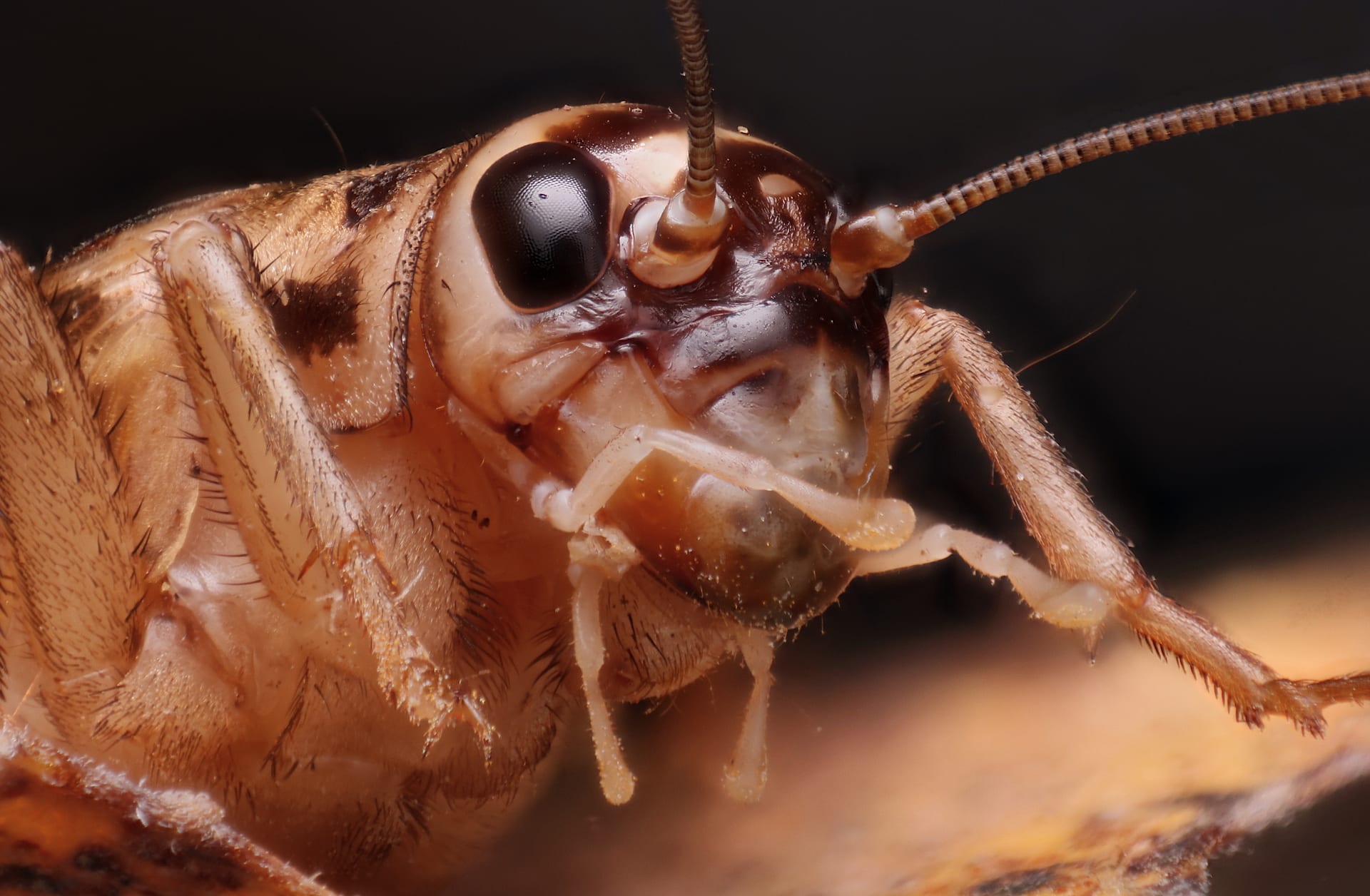
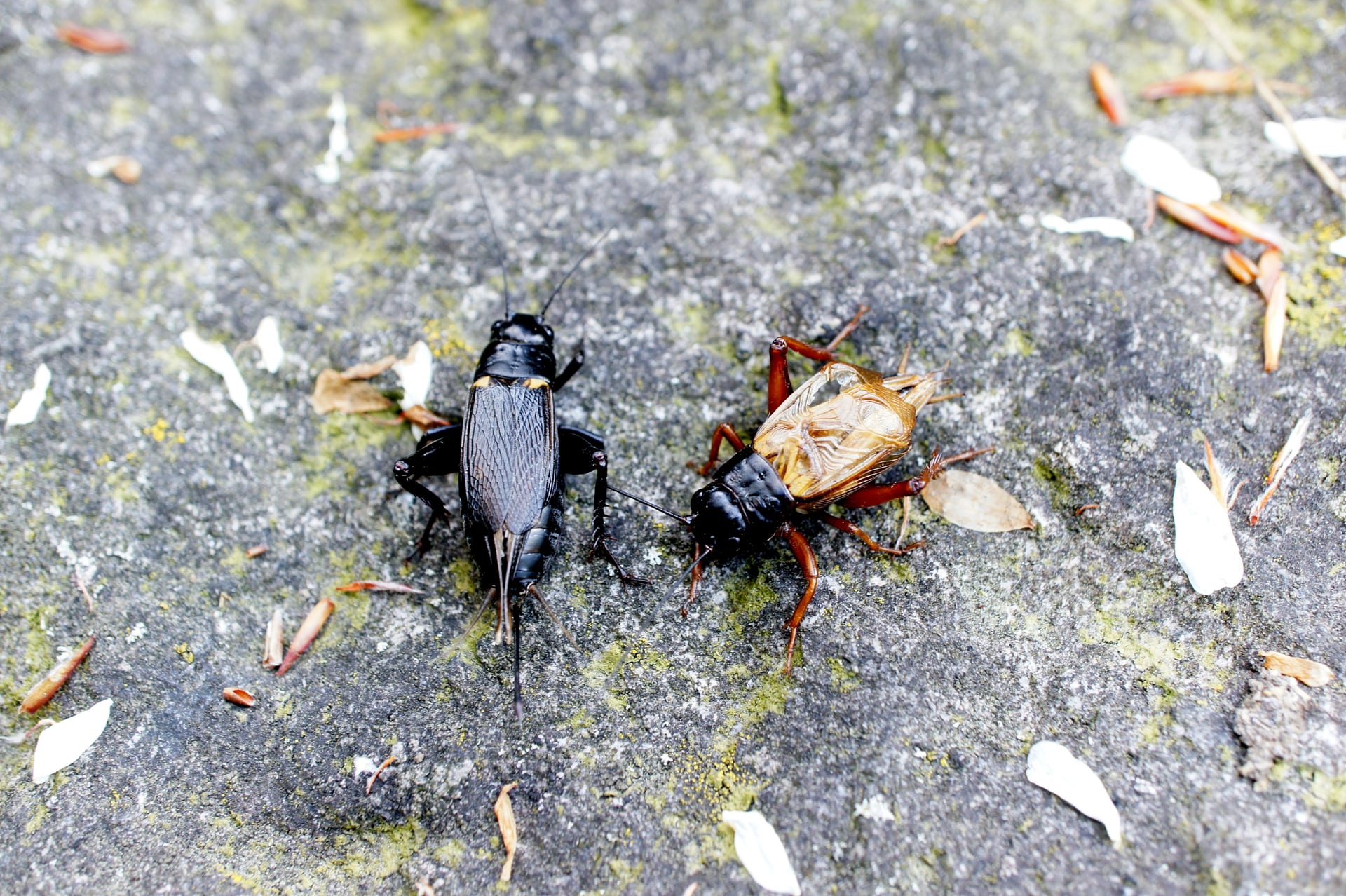
Feeder insects for reptiles are diverse. The most widely used are European house crickets and two-spotted crickets. The characteristics of representative feeder insects are as follows.
House crickets: Quick movement and high palatability
Two-spotted crickets: Good meat content and slightly higher nutritional value
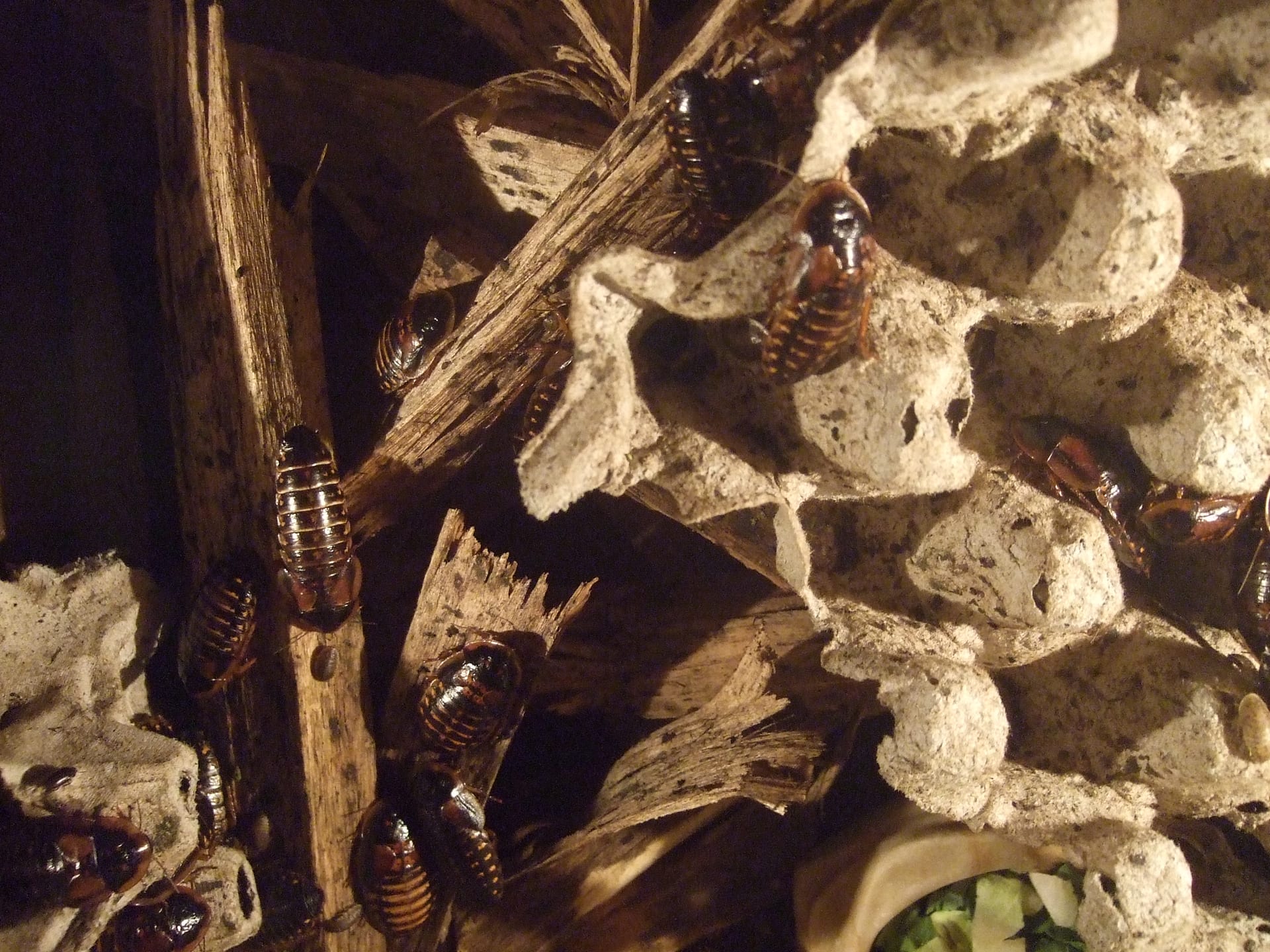
Dubia roaches (Argentine forest cockroaches): Cannot climb walls, easy to manage, quiet and with little odor—an excellent feeder
Mealworms: Inexpensive and easy to obtain, but high chitin content in the exoskeleton places digestive burden on reptiles, so use only as a supplement
Giant mealworms: Large size and suitable for medium to large species, but similarly requires caution against overfeeding
Silkworms: Rich in water and calcium with good digestibility—a quality feeder—but requires feeding mulberry leaves as a staple, making management somewhat laborious
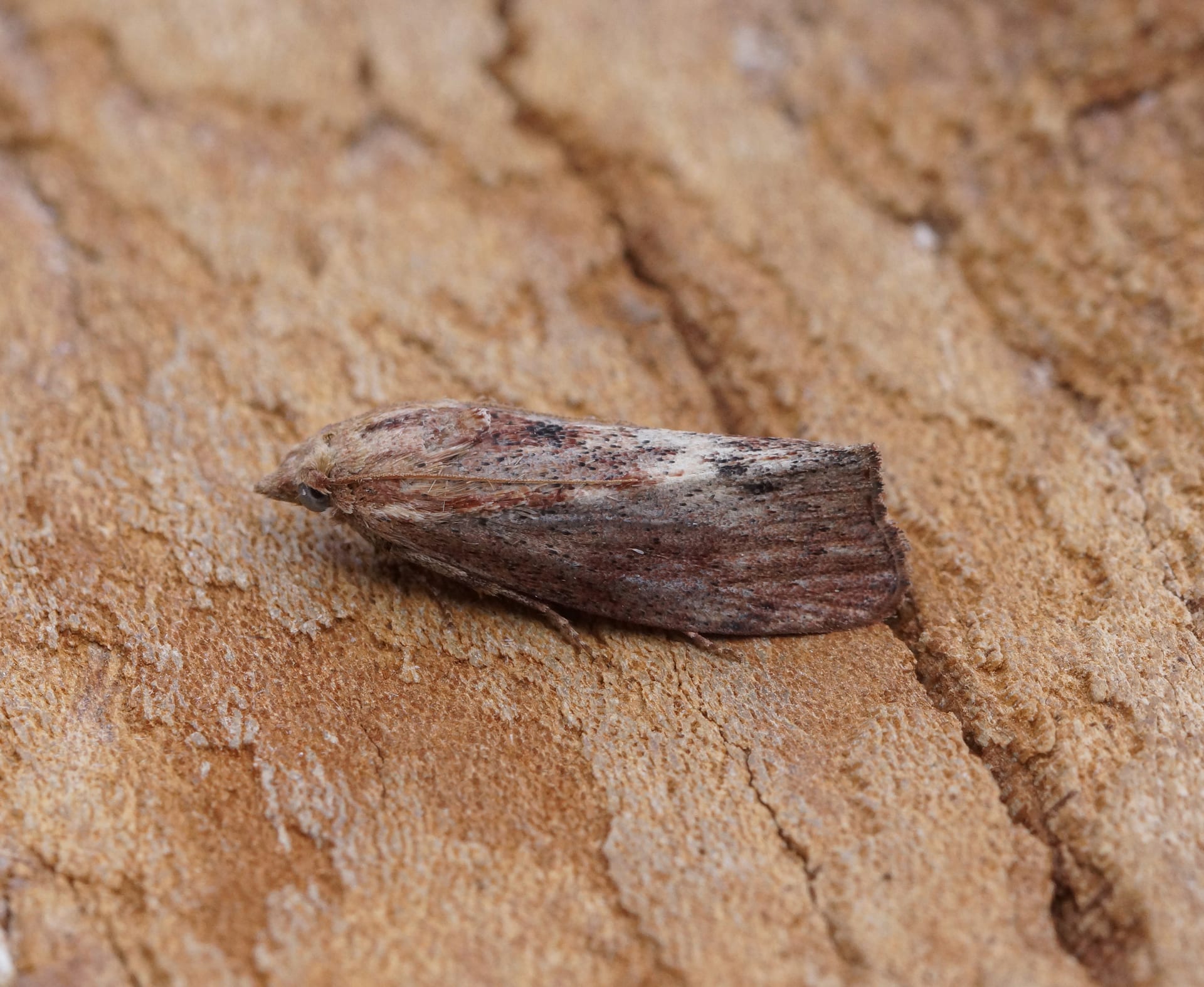
Honey worms (larvae of the wax moth): Extremely high in fat, used for nutritional supplementation during appetite loss or as a treat
Nutritional Value Comparison and Balancing Methods
Since feeder insects have different nutritional compositions depending on species, the ideal approach is to rotate multiple species. A typical nutritional value comparison is as follows.
Insect
Fat
Characteristics
Crickets
6%
Protein approximately 20% with an optimal balance for staple diet
Dubia
7%
Protein 23%, slightly higher nutritional value than crickets, but Ca:P ratio is approximately 0.3:1—an inverted ratio (ideal is 2:1)—so calcium dusting is essential
Mealworms
13% (high)
High in phosphorus, potentially inhibiting calcium absorption
Honey worms
25% or more
Extremely high, unsuitable as a staple diet
Silkworms
Low
Rich in calcium and highly valued as a healthy feeder
Regardless of which insect you use, dusting with calcium powder is essential. When feeding insects high in phosphorus, dust with extra calcium to compensate.
The Importance of Gut-Loading and Methods
Gut-loading is a technique of feeding feeder insects nutritious food before offering them to reptiles. By feeding insects with their digestive tracts full of nutrients, you indirectly supplement your reptile's nutrition. Starting 24–48 hours before feeding, offer vegetables such as mizuna, carrots, pumpkin, and sweet potato to crickets and dubia. Commercially available gut-loading foods are also convenient—choose products with added calcium and vitamins. For mealworms, feed a diet based on bran with vegetables added. Neglecting gut-loading means feeding "empty shells" with poor nutritional content, which becomes a cause of long-term nutritional deficiency. Calcium deficiency in particular directly leads to metabolic bone disease, so be thorough with both gut-loading and dusting.
Breeding and Storage Methods for Feeder Insects
Stock management of feeder insects is also an important responsibility of the keeper. Crickets are housed in well-ventilated plastic containers with egg cartons stood upright and managed at 25–30°C. Provide moisture via water dispensers or vegetables, and avoid water dishes as they can cause drowning. Dubia are housed in plastic storage containers with egg cartons stacked and maintained at 28–32°C to enable breeding. When female adults begin carrying ootheca, the self-breeding cycle is complete. Specific procedures for self-breeding are compiled in Feeder Insect Self-Breeding Guide, so those looking to reduce costs should refer to it as well. Mealworms stored in a refrigerator (around 10°C) stop growing and can be preserved long-term. Bring only the amount you'll use back to room temperature, gut-load, and then feed. Dead specimens of any insect become breeding grounds for pathogens, so remove them regularly.
Can Frozen or Dried Insects Be Used?
If managing live food is difficult, frozen or dried insects are also an option. Frozen crickets and frozen dubia have nutritional value close to live food, and many species will eat them when thawed and presented with tweezers while gently moving them. However, they are unsuitable for species that only eat moving prey, and palatability is inferior to live insects. Use dried insects only as treats, not as a staple diet. Since moisture content decreases significantly, dried insects alone carry a dehydration risk. Recently, the quality of freeze-dried products has improved, and they are useful as emergency food or toppings. Combine live and processed foods skillfully according to the type of reptile and individual preferences.
You Can Also Get Feeding Advice from BreederDirect
The optimal approach to choosing and managing feeder insects varies depending on the reptile species and the individual's age. When purchasing reptiles directly from breeders through BreederDirect, you can also receive detailed advice on the best types of food and feeding schedules for that species. The practical advice unique to breeders based on years of breeding experience is a valuable source of information that cannot be obtained from care books alone.