Reptile Food & Feeding Guide | Species-Specific Diet and Nutritional Management
A guide to appropriate feed and feeding methods for reptiles by dietary type (carnivorous, omnivorous, herbivorous). Learn how to use live food, frozen food, and artificial pellets effectively, plus how to apply calcium dusting for optimal nutrition.
Key Takeaways
A guide to appropriate feed and feeding methods for reptiles by dietary type (carnivorous, omnivorous, herbivorous). Learn how to use live food, frozen food, and artificial pellets effectively, plus how to apply calcium dusting for optimal nutrition.
Related Species
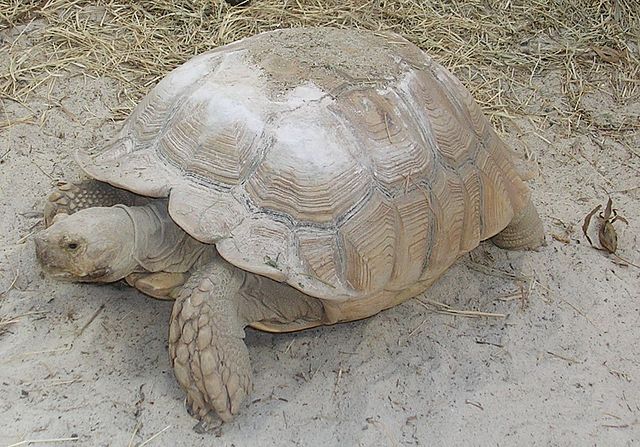
Reptile diets vary dramatically by species, and proper feeding management is essential to maintaining their health. By understanding the dietary differences among carnivores, herbivores, and insectivores, and practicing appropriate feeding methods tailored to each type, you can help your reptile live a long and healthy life. This article explains everything from species-specific diets and practical feeding methods to nutritional supplementation tips and solutions to common feeding problems—all in an easy-to-understand format for beginners.
Understanding Reptile Diets is the First Step to Proper Care
When raising a healthy reptile, the first thing you need to understand is their "diet." Even among reptiles, snakes and turtles eat completely different foods. Feeding an incorrect diet can lead to nutritional deficiencies or digestive issues, and in severe cases, can be life-threatening.
Major Dietary Classifications
- Strictly Carnivorous: Most snake species, monitor lizards (Varanus species), and others. Frozen mice and frozen rats are primary foods.
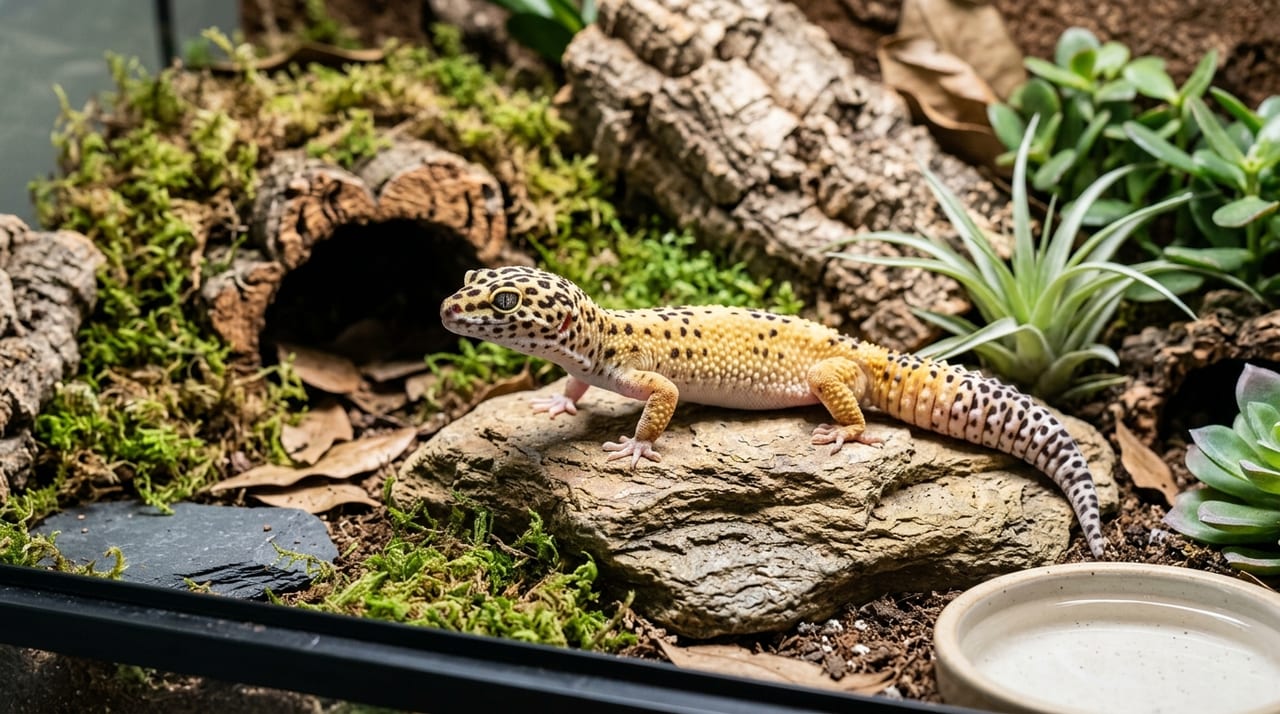
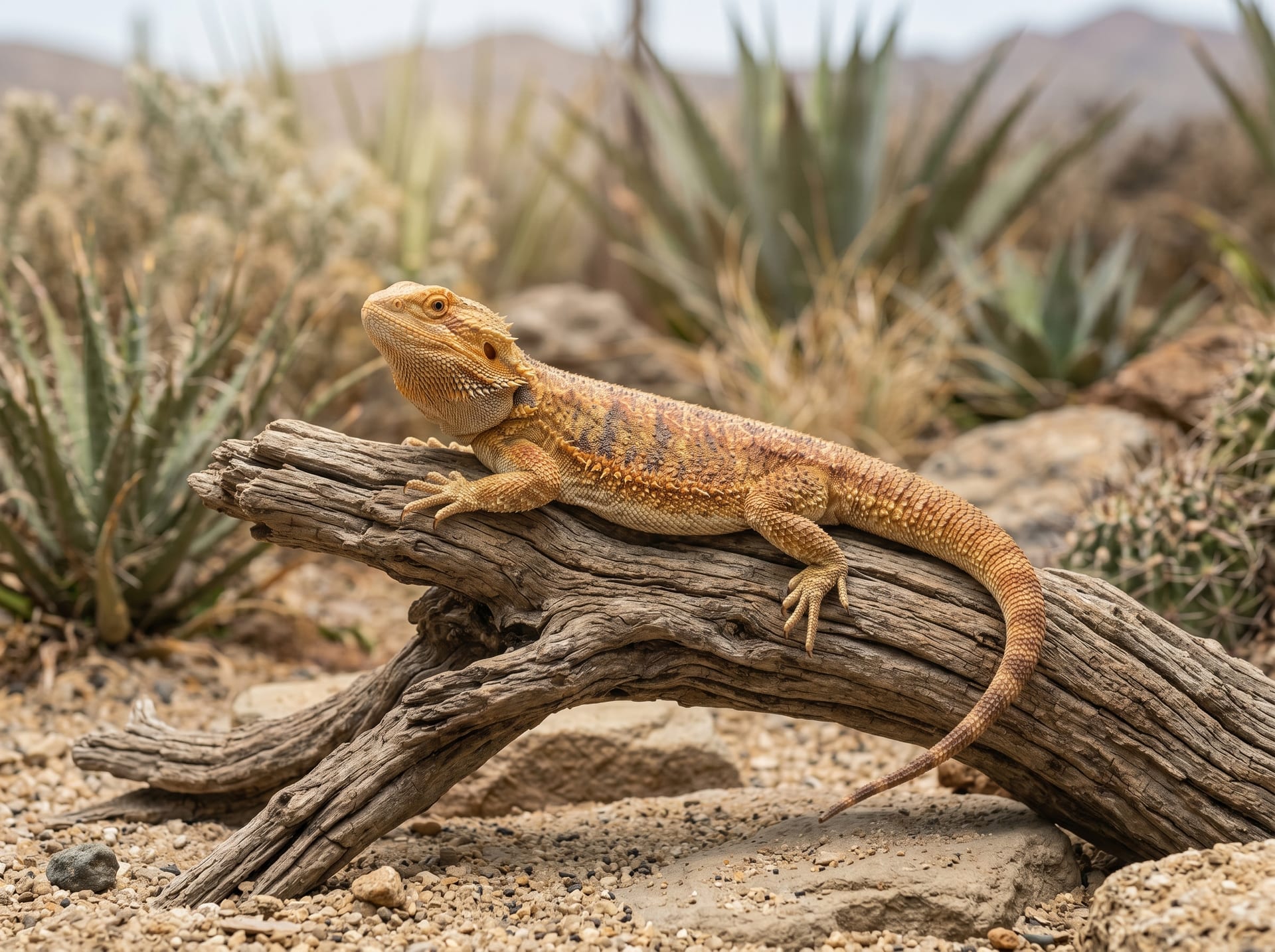
- Primarily Insectivorous: Leopard geckos, juvenile bearded dragons, chameleon species, and others. Crickets and dubia roaches are standard fare.
- Omnivorous (Insects + Plants): Adult bearded dragons, some skink species, and others. Many species shift their diet as they mature.
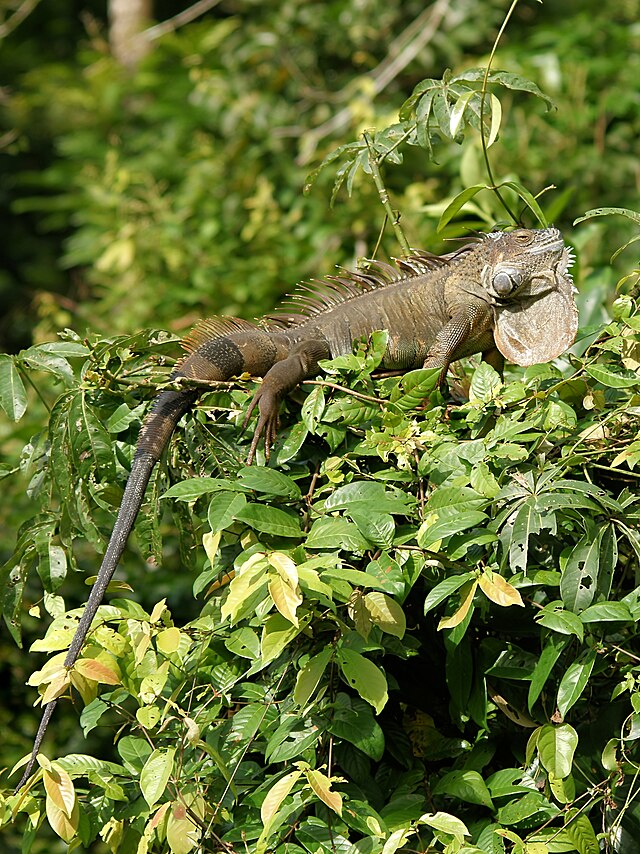
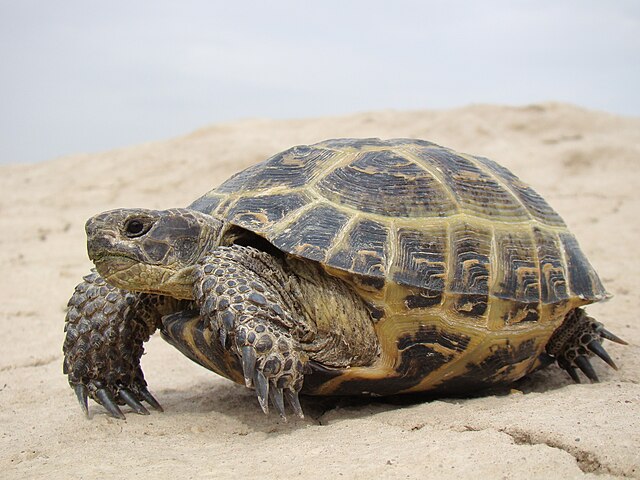
- Strictly Herbivorous: Adult green iguanas, tortoise species such as African spurred tortoises and Russian tortoises. Fresh vegetables and leafy greens make up their diet.
- Piscivorous/Amphibian-Eating: Some garter snakes and aquatic turtle species. Live fish or specialized prepared feeds are provided.
For species that change diet between juvenile and adult stages (like bearded dragons), adjusting the food ratio as they grow is crucial.
Species-Specific Food Selection and Feeding Methods
Frozen Mice and Frozen Rats (Snakes and Monitor Lizards)
In snake care, frozen mice and frozen rats are the most popular and easy-to-manage food. They offer excellent nutritional balance, and eating them whole—bones, organs, and fur included—mimics natural feeding and ensures balanced nutrition.
- Thawing Method: Thaw naturally in the refrigerator 1–2 hours before feeding, then warm in 40–45°C (104–113°F) water until completely thawed just before offering. Avoid microwaves, as they can cause uneven heating and safety risks.
- Size Guidelines: Choose prey about the same diameter as the reptile's thickest body section, or slightly smaller. Juveniles start with pinky mice, then progress to hoppers and adult-sized prey as they grow.
- Live Prey Not Recommended: Live mice can bite and injure your reptile, so frozen prey is strongly preferred.
Crickets and Dubia Roaches (Insectivorous Species)
For insectivorous species like leopard geckos and chameleons, crickets and dubia roaches are standard fare. Both live and frozen/dried varieties are available, each with distinct advantages.
- Gut Loading: Feed prey insects nutrient-rich vegetables, fruits, or specialized feeders for 24–48 hours before offering them to your reptile. This ensures your reptile receives better nutrition through the feeder insects.
- Size Selection: Choose insects smaller than the width between your reptile's eyes. Oversized prey risks poor digestion or intestinal blockage.
- Honey Worms and Mealworms: These are palatable but high in fat, so offer them only occasionally as treats.
Vegetables, Leafy Greens, and Fruits (Herbivorous and Omnivorous Species)
For herbivorous species like tortoises and adult green iguanas, offering fresh vegetables daily is essential.
- Recommended Vegetables: Bok choy, mustard greens, dandelion leaves, and similar greens high in calcium and low in oxalates should form the base.
- Vegetables to Avoid: Spinach, kale, and beets contain high levels of oxalates and goitrogens, which inhibit calcium absorption and should not be fed regularly.
- Fruits: Keep to 10–15% or less of the diet due to high sugar content. Offer small amounts of strawberries or blueberries as occasional treats.
Feeding Frequency and Portion Guidelines
Feeding frequency varies by species, age, and season. Overfeeding causes obesity and fatty liver disease, while underfeeding leads to malnutrition. Use these guidelines as a baseline.
| Species/Stage | Frequency |
|---|---|
| Insectivorous juveniles (e.g., leopard geckos) | Daily to every 2 days |
| Insectivorous adults | Every 2–3 days |
| Snake species (juveniles) | Every 5–7 days |
| Snake species (adults) | Every 7–14 days |
| Herbivorous species (e.g., tortoises) | Daily |
| Omnivorous adults (e.g., bearded dragons) | Daily (vegetable-focused) + insects 2–3 times per week |
After feeding, allow 30 minutes to 1 hour of undisturbed time in a quiet environment to aid digestion.
Nutritional Supplementation Tips | Using Supplements
Calcium + Vitamin D3
Calcium is the most critical supplement for reptiles, especially insectivores and herbivores. Deficiency causes metabolic bone disease (MBD), leading to skeletal deformities and paralysis.
- Application Method: Dust insects or vegetables with calcium powder before feeding (a technique called "dusting").
- Vitamin D3: For individuals receiving adequate UVB exposure, plain calcium may suffice. However, for indoor-housed reptiles with insufficient UVB lighting, use calcium containing Vitamin D3.
- Vitamin Supplements: Add a complete vitamin supplement 1–2 times per week. Be cautious of frequency, as fat-soluble vitamins (A, D, E, K) can accumulate to toxic levels.
Hydration
Water intake methods vary by species. Land tortoises and aquatic turtles drink directly from a water dish, while chameleons obtain water from droplets on leaves via misting. Confirm the hydration method appropriate for your species.
Managing Anorexia and Loss of Appetite
A common concern in reptile keeping is "anorexia" or refusing to eat. However, not all refusal to eat indicates illness. Identifying the underlying cause is the first step.
Environment-Related Causes
- Temperature: Without proper temperature gradient (basking spot and cool zone), digestive enzymes don't activate and appetite drops. Verify your species' ideal temperature range.
- Humidity: Dehydration and incomplete shedding also reduce appetite. Snakes especially tend to refuse food around shedding periods.
- Stress: Recent relocation, excessive handling, and being visible to other animals can all trigger appetite loss.
Food-Related Causes
- Prey size too large or too small
- Incomplete thawing (cold prey is rarely eaten)
- Food fatigue (try varying food type or presentation)
Physiological Anorexia (Normal Range)
- 1–2 weeks before or after shedding
- Breeding season or cooling (brumation) period
- Seasonal transitions
If your reptile hasn't eaten for over 2 weeks, shows rapid weight loss, or displays symptoms like mouth gaping while breathing, consider consulting a veterinarian experienced with reptiles.
Trust and Safety with BreederDirect
When purchasing a reptile from a breeder, it's crucial to ask beforehand: "What does it eat?" "What supplements are used?" and "Is its feeding response reliable?" Buying directly from a breeder gives you the major advantage of getting detailed answers to these questions.
BreederDirect lets you purchase reptiles directly from specialty breeders. Each listing includes detailed information about husbandry and diet, and you can message the breeder with questions before purchasing. If you're looking for a healthy reptile with confirmed feeding response, please visit the reptile category.
Healthy reptile ownership begins with proper feeding management.