Complete Guide to Keeping Polypterus | Ancient Fish Care, Tank Environment, Feeding, and Tankmates | ブリちょく
Tropical Fish| ✍️ BreederDirect Editorial
Complete Guide to Keeping Polypterus | Ancient Fish Care, Tank Environment, Feeding, and Tankmates
A guide to caring for Polypterus (Bichir), a popular ancient fish species. Covers proper tank size, water quality, feeding methods suited to their carnivorous nature, tankmate compatibility, and comparisons of popular species like Senegalus and Endlicheri.
Key Takeaways
A guide to caring for Polypterus (Bichir), a popular ancient fish species. Covers proper tank size, water quality, feeding methods suited to their carnivorous nature, tankmate compatibility, and comparisons of popular species like Senegalus and Endlicheri.
What Kind of Fish is Polypterus
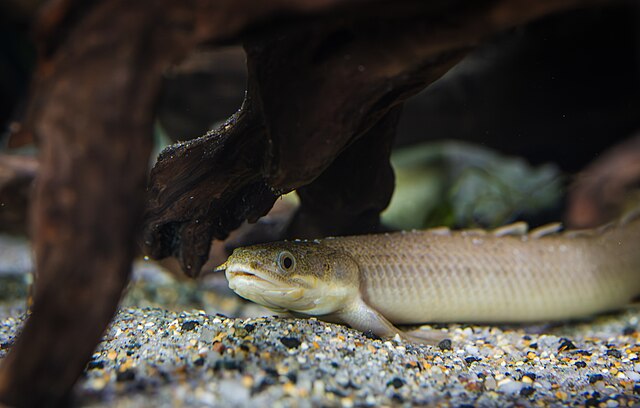
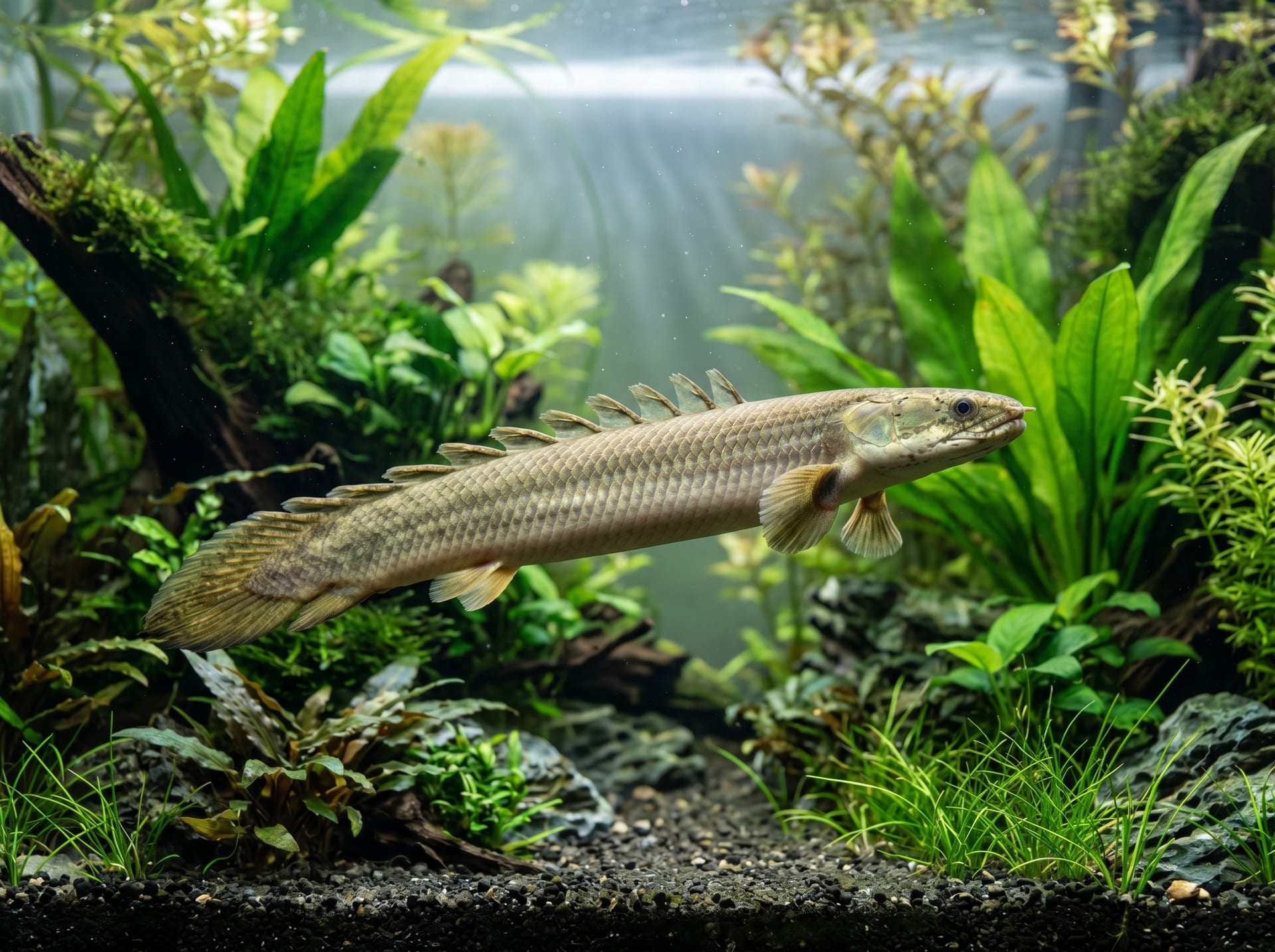
Polypterus (genus Polypterus) belongs to the order Polypteriformes and family Polypteridae, inhabiting wetlands, rivers, and swamps in Africa. Also known by the English name "Bichir," these fish are widely popular among tropical fish enthusiasts due to their distinctive appearance.
✍️
BreederDirect Editorial
The BreederDirect editorial team specializes in care information for animals, covering veterinary care and breeding to deliver beginner-friendly guides.
Find Tropical Fish on BreederDirect
Buy directly from verified breeders
Browse Related Listings
Find Tropical Fish listings related to this article on BreederDirect. Buy directly from verified breeders.
Related Tools
Related Articles
Browse by Category
🪸Coral
🐠Marine Fish
🐟Tropical Fish
🐡Goldfish
🐟Medaka
🦎Reptiles
Share
Evolutionary Uniqueness
Polypterus has a fossil record dating back approximately 380 million years, earning it the nickname "living fossil." They possess a lung-like swim bladder (pulmonary organ) that allows them to breathe air at the water's surface (embryonic respiration). Since they can perform both gill and lung respiration, they can survive in environments with low dissolved oxygen levels.
Physical Characteristics
- Hard, diamond-shaped scales (ganoid scales) covering the entire body like armor
- Several small spine-like "isolated fins" arranged along the back
- Intestine-like "lung-like swim bladder" for air breathing
- Ventral fins used like arms, moving by crawling along the bottom
Comparison of Popular Species
Species
Max Length
Difficulty
Characteristics
Senegalus (P. senegalus)
35cm
Beginner-friendly
Most readily available and docile
Endlicheri (P. endlicheri)
70cm
Intermediate
Large, impressive, strong personality
Delhezi (P. delhezi)
35cm
Beginner to Intermediate
Beautiful patterns, popular
Lapradei (P. lapradei)
70cm+
Advanced
Largest species, grows very large
Ornatipinnis (P. ornatipinnis)
60cm
Intermediate
Exceptionally beautiful scale patterns
Weeksii (P. weeksii)
40cm
Intermediate
Sturdy and easy to maintain
Required Tank Size
Polypterus are bottom-dwelling fish requiring a wide floor area.
Species Size
Recommended Tank Size
Small species (up to 35cm)
60–90cm (60–200L)
Medium species (up to 50cm)
90–120cm (200–400L)
Large species (70cm or more)
150cm+ (600L+)
Small species like Senegalus can be kept in a 60cm tank (60L), but 90cm or larger is recommended for long-term care and multiple specimens.
Escape Prevention is Essential
Polypterus are known escape artists. Using their pectoral fins, they can slip out of even small gaps in the tank, and if not discovered quickly, desiccation is often fatal.
Always close the lid completely with no gaps
Seal cable outlets and filter holes
Block air pump tubing holes as they are also escape routes
Water Parameters and Environment
Polypterus inhabit African freshwater, making them relatively hardy and tolerant of some water quality fluctuations.
Parameter
Target Value
Water Temperature
24–28°C
pH
6.8–7.8
Hardness
Medium hard water (GH 8–15)
Ammonia/Nitrite
0 ppm
Substrate Selection
Since Polypterus swim by crawling along the bottom, adding substrate allows for natural behavior. Fine-grained Ohwegi sand or quartz sand is ideal. Since they have a habit of burrowing in sand, maintain a depth of approximately 5–8cm.
Driftwood and Rock Placement
Providing multiple hiding spots reduces stress. Polypterus favor dark crevices, so cave-like shelters created from arranged driftwood are highly appreciated.
Feeding (Carnivorous Diet)
Polypterus are obligate carnivores. They hunt by smell, so they will eat stationary food, making them convenient to feed.
Main Food Types
Food
Characteristics
Frozen loach or frozen smelt
Good nutritional balance, suitable as main food
Frozen Carnivore (artificial pellets)
Sinking carnivorous fish food; convenient once acclimated
Frozen bloodworms
High palatability; good as supplemental food
Earthworms (red earthworms)
Live food with very high palatability
Small fish (killifish, goldfish)
Can be given as live food, but be cautious of nutritional imbalance
Acclimating to Artificial Food
While they naturally prefer live food, acclimating them to frozen food (such as Carnivore) makes management easier. Initially mix live and frozen food, gradually increasing the proportion of frozen food.
Feeding Frequency
- Juveniles: once or twice daily (rapid growth period)
- Young to adult fish: once every 2–3 days (carnivorous fish take time to digest)
- Overfeeding causes digestive issues; remove uneaten food immediately
Tankmate Compatibility
Polypterus eat anything that fits in their mouth, making cohabitation with small fish or organisms generally prohibited.
Compatible Tank Mates
Large Polypterus of similar size: Generally compatible if body sizes are similar (though smaller individuals risk being eaten)
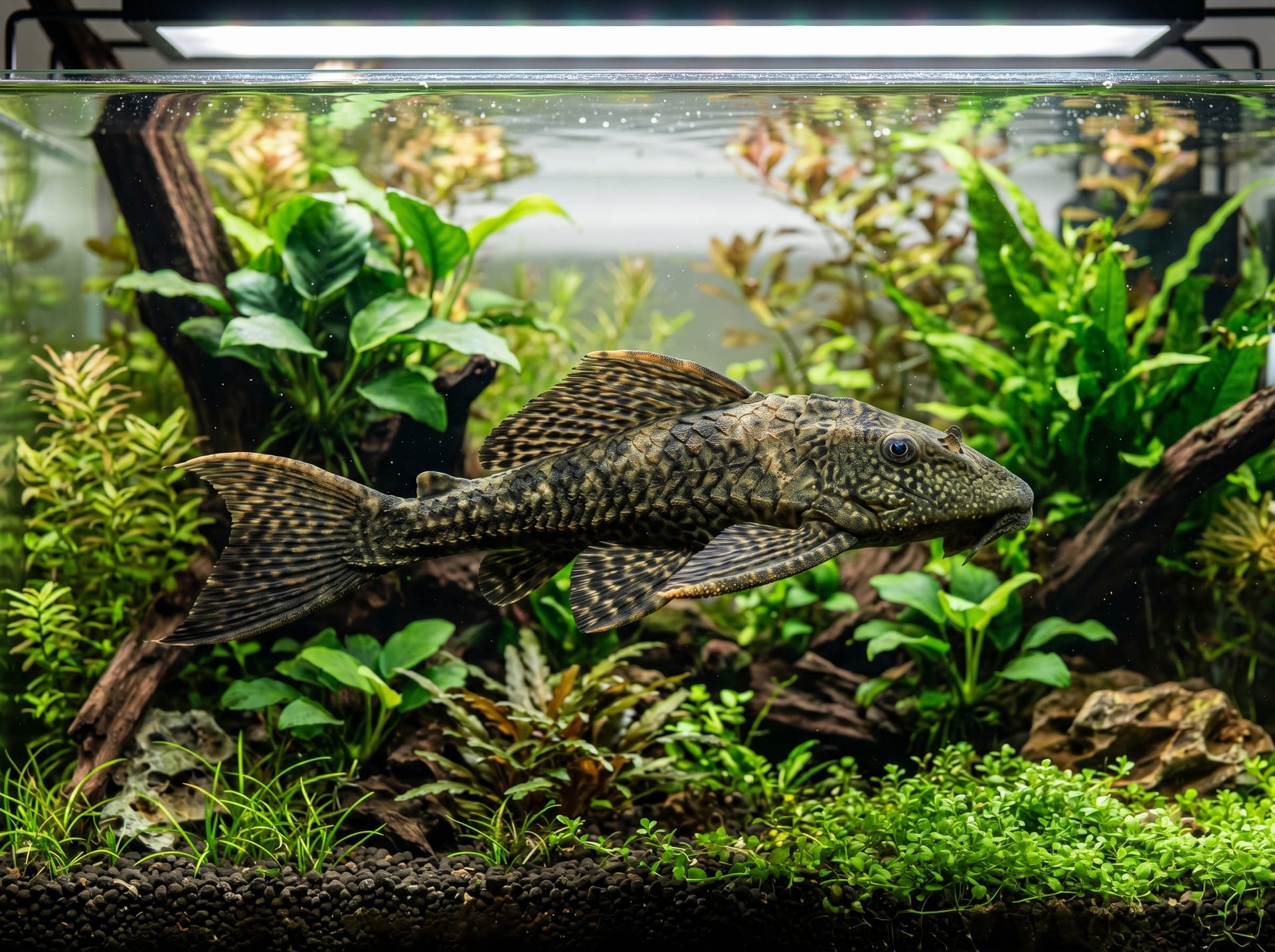
Large catfish species (juvenile Alligator Gar, Pleco species): Bottom-dwelling with minimal interaction
Gar, delta sturgeon, and similarly-sized large fish: Cohabitation is sometimes possible with similar body size
Absolutely Incompatible Combinations
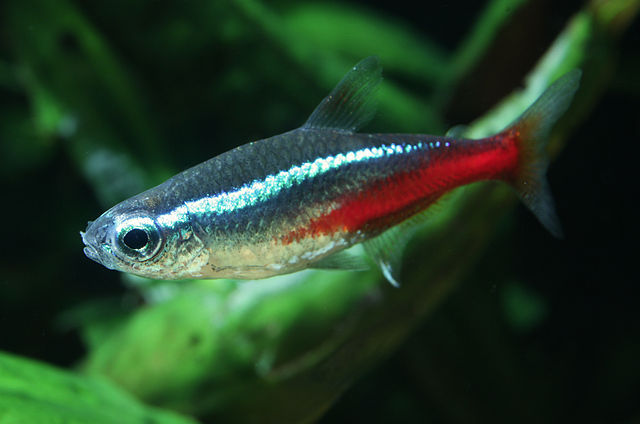
Small fish 5cm or under (Neon tetra, killifish, etc.): Will definitely be predated upon
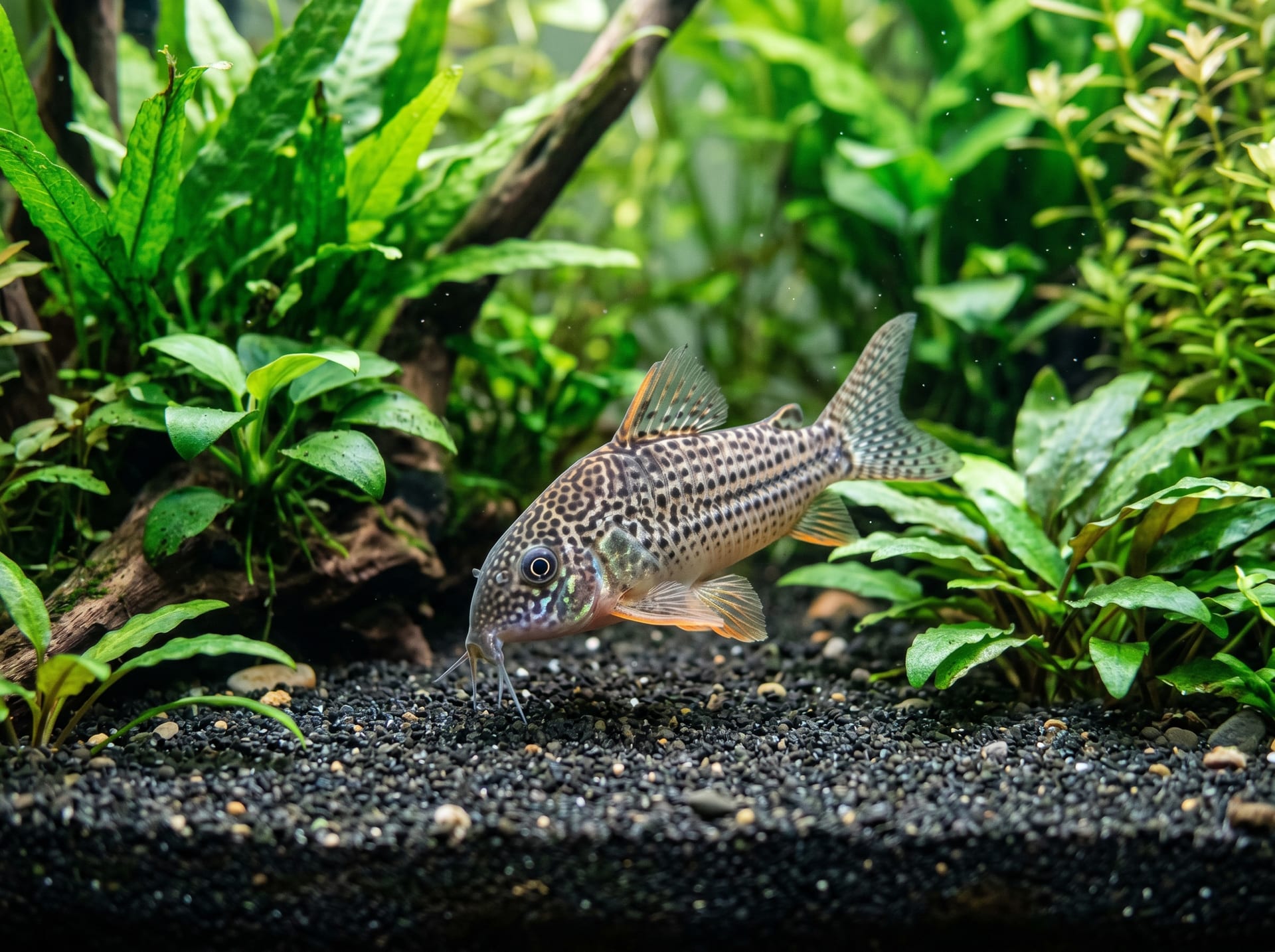
Small tetras, corydoras juveniles: Fins will be damaged or eaten
Shrimp and snails: Swallowed whole
Even between Polypterus, if the size difference exceeds 2–3 times, the smaller individual risks being eaten.
Health Management and Illness
While Polypterus are hardy fish, they respond sensitively to water quality deterioration.
Common Issues
- Ich (White spot disease): Cotton-like growth on body. Caused by water quality degradation. Treat with Green F Gold medicated bath
- Costia: Develops from temperature shock and stress. Treat with Hikosan Z or similar
- Rickets-like spine curvature: Results from calcium and vitamin deficiency. Prevent through dietary diversity
Don't obstruct air breathing: Ensure access to the water surface. Strong water currents that cause surface turbulence can make air breathing difficult.
Summary
Polypterus captivate tropical fish enthusiasts with their distinctive form and mysterious allure as ancient fish. Senegalus is the ideal introductory species, manageable in a 60–90cm tank. By mastering three key points—escape prevention, appropriate carnivorous feeding, and careful tankmate selection—these extremely hardy fish can live over 10 years in captivity. Highly recommended for those wanting to enjoy the ancient fish experience in an accessible way.