How to Choose Fish for Planted Aquariums | Fish Species That Maintain Your Layout | ブリちょく
Tropical Fish| ✍️ BreederDirect Editorial
How to Choose Fish for Planted Aquariums | Fish Species That Maintain Your Layout
Introduces optimal fish species for planted tank cultivation. Carefully selected species that don't eat aquatic plants or dig up substrate.
Key Takeaways
Introduces optimal fish species for planted tank cultivation. Carefully selected species that don't eat aquatic plants or dig up substrate.
Related Species
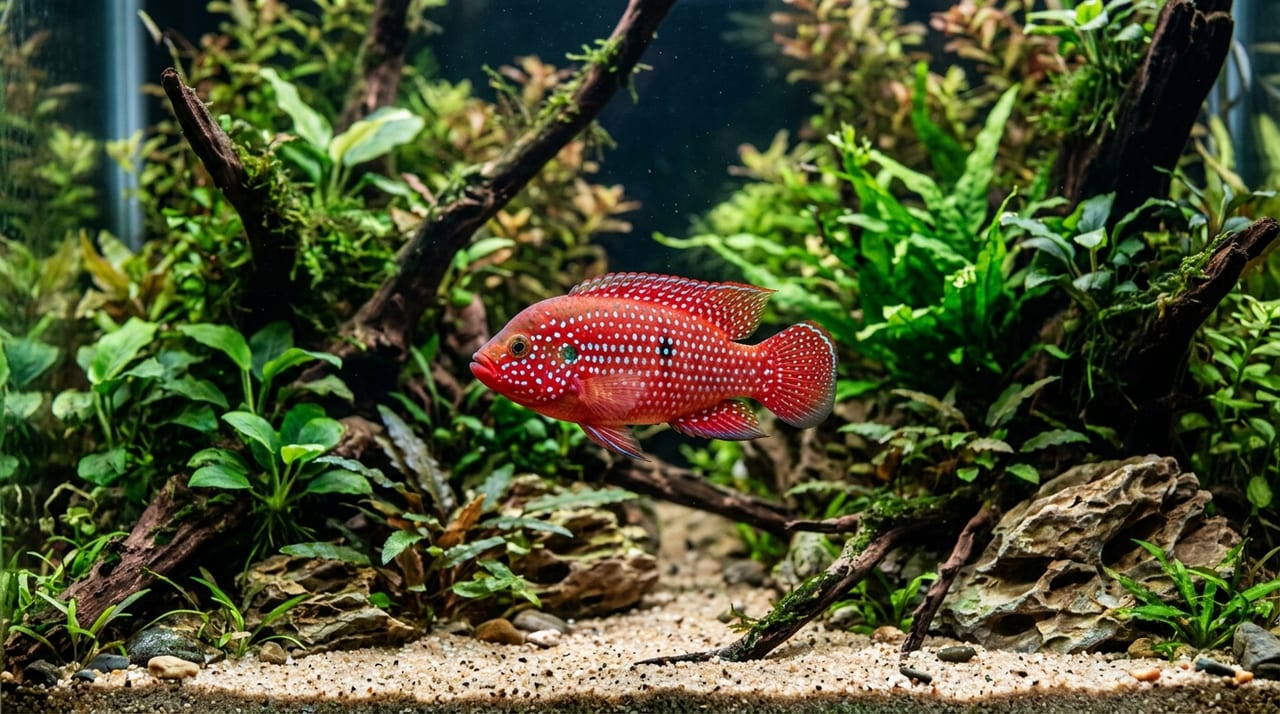
Choosing the right fish is key to maintaining the beautiful layout of a planted tank for the long term. No matter how carefully you design your layout, introducing incompatible fish can result in uneaten plants, disturbed substrate, and a destroyed tank within days——many aquarists have experienced this firsthand. Fish selection should not be based solely on aesthetics, but rather on ecological compatibility specific to planted tanks. This is the secret to a lasting, thriving aquarium. In this article, we'll explain which fish species work well in planted tanks and which ones don't, and share strategies for keeping your layout beautiful over the long term.
What You Should Know Before Adding Fish to a Planted Tank
The relationship between a planted tank and fish is far more than simply "having beautiful fish swim around." Fish can support plant growth, but they can also destroy your carefully arranged layout.
There are three major conditions fish must meet for a planted tank:
Don't eat plants or dig up substrate: Fish with strong herbivorous tendencies or habits of burrowing in the substrate directly destroy your layout
Water temperature and chemistry should match the plants: Most aquatic plants prefer around 25°C and slightly acidic to neutral pH. It becomes difficult to keep them with fish that require high temperatures or strongly alkaline conditions
Body size should fit the tank: Large fish destroy plants simply by swimming around. Planted tanks work best with small to medium-sized species
With these conditions in mind, let's select appropriate fish.
Choosing Small Fish That Enhance Your Layout
The main swimming fish in a planted tank are typically small schooling tetras——a tried-and-true choice. Watching colorful fish swimming in schools against the green background of plants is truly the appeal of a planted tank.
Beautifully Schooling Tetras
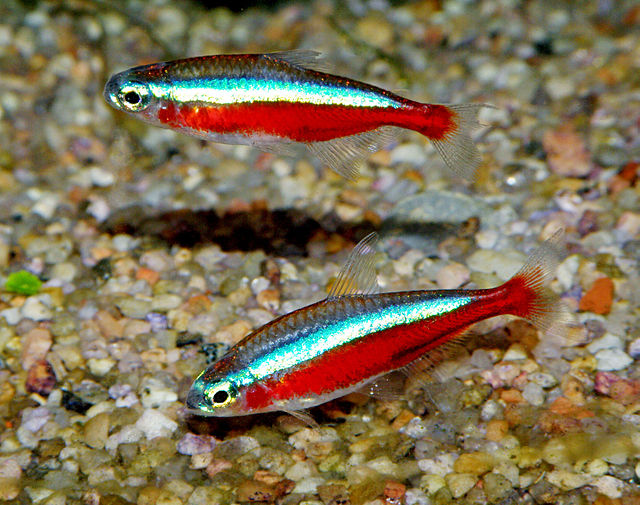
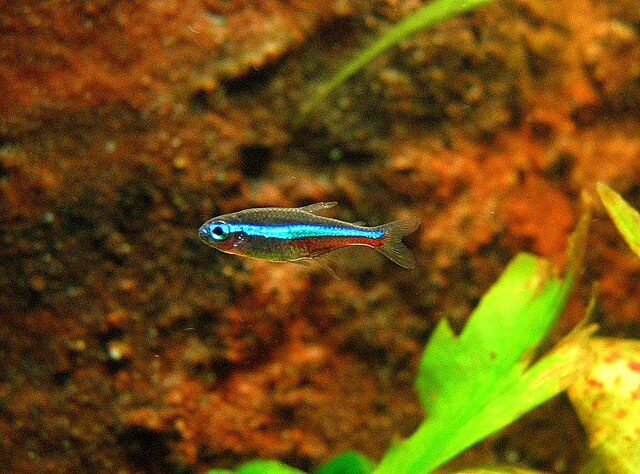
Neon Tetra: Blue and red lines stand out beautifully against green plants——the ultimate classic choice. Hardy and easy for beginners to care for, schools of 10-20 individuals create a stunning display
✍️
BreederDirect Editorial
The BreederDirect editorial team specializes in care information for animals, covering veterinary care and breeding to deliver beginner-friendly guides.
Find Tropical Fish on BreederDirect
Buy directly from verified breeders
Browse Related Listings
Find Tropical Fish listings related to this article on BreederDirect. Buy directly from verified breeders.
Cardinal Tetra: With more red coloring than neon tetras, they create a more vibrant impression. They prefer slightly acidic, soft water, making them ideal for soil-based planted tanks
Green Neon Tetra: A more subtle blue-green single stripe compared to regular neons. They have a calm, natural beauty that fits well with natural or grass-style layouts
Rasbora Espei: A small cyprinid with an orange-to-vermillion body color that stands out beautifully against plants. They're hardier than tetras and adaptable to a wider range of water conditions
Medium-Sized Fish with Unique Movement
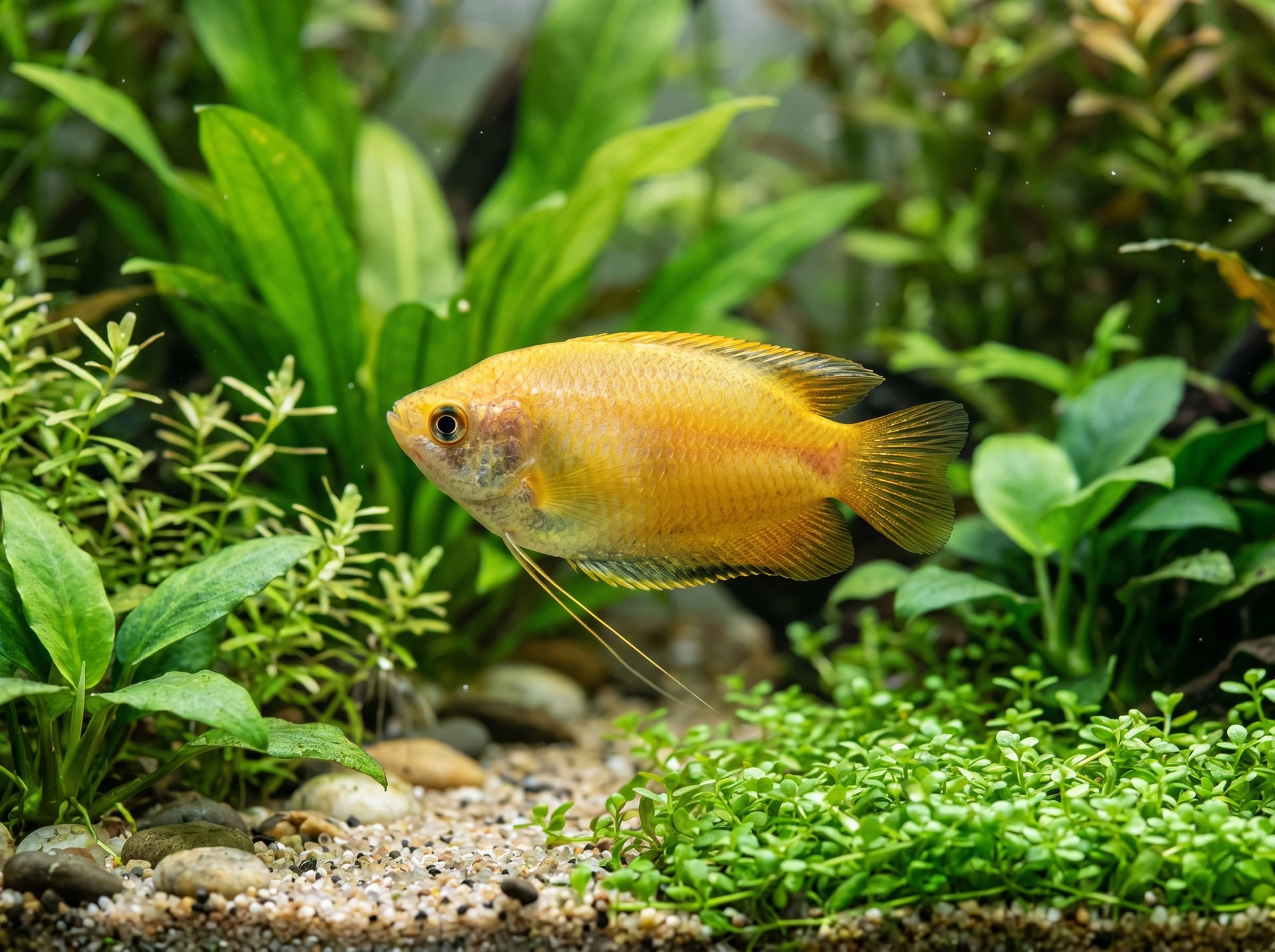
Golden Honey Dwarf Gourami: Their golden body and characteristic bobbing swim style are endearing. They don't damage plants and have a relatively docile temperament
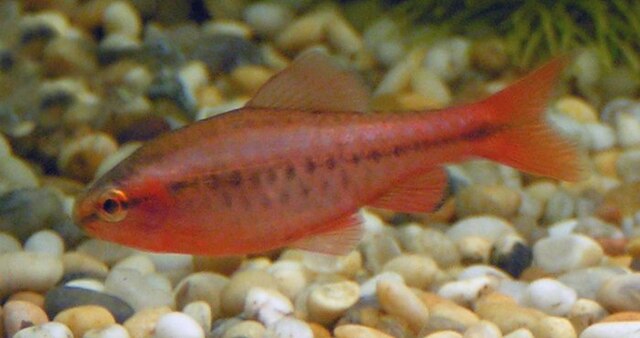
Cherry Barb: A small cyprinid with striking red coloring. They have the habit of eating snails, making them useful for snail control
Effectively Using Bottom-Dwelling and Glass-Cleaning Fish
A planted tank requires organisms that clean up algae and uneaten food on the substrate and walls. Properly placed cleaning fish also contributes to water stability.
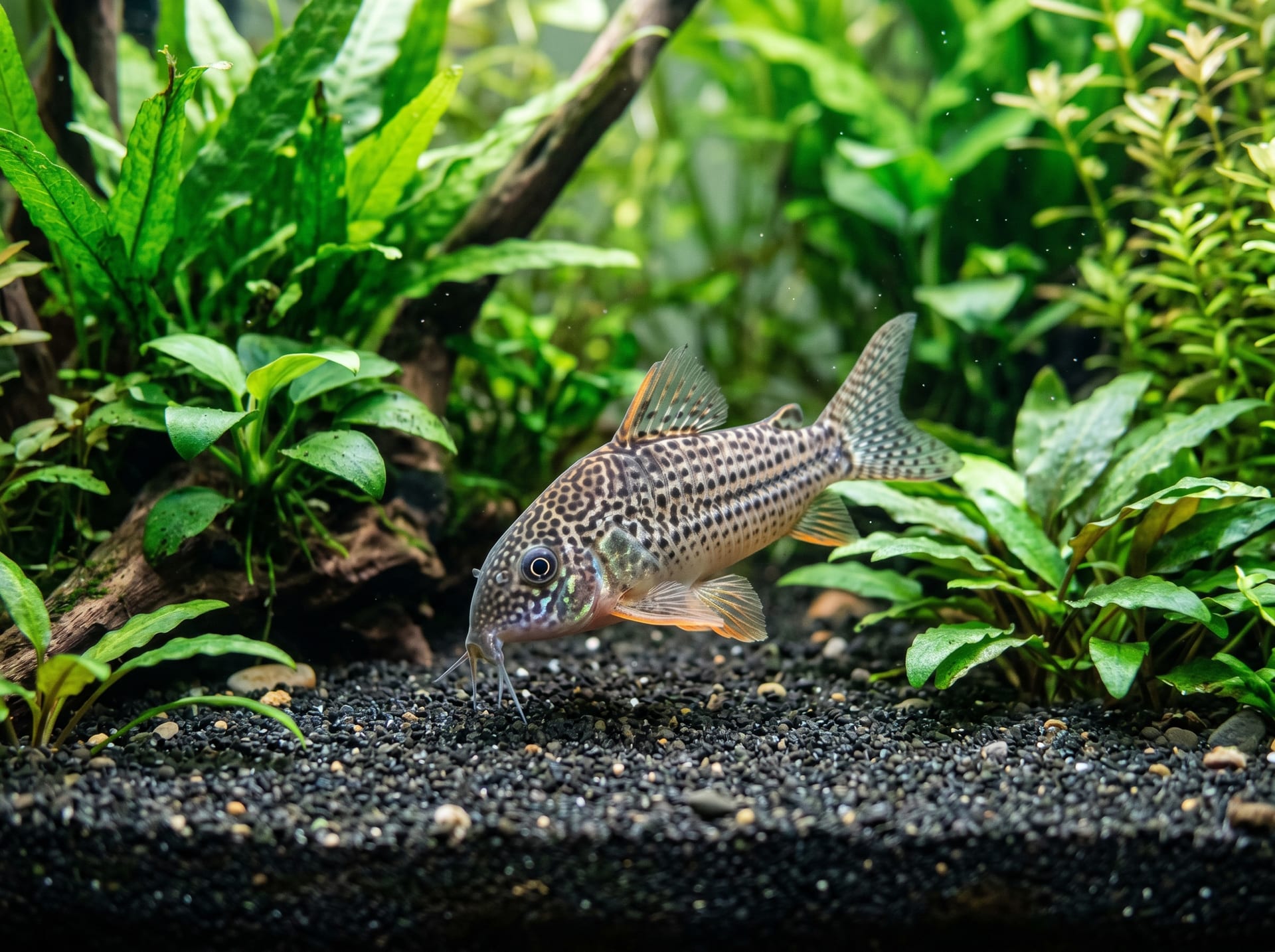
Small Corydoras
Corydoras Pygmaeus: An ultra-small corydoras at 2-3cm in length. They pick at the substrate to remove uneaten food while displaying the unusual habit of swimming in the mid-water column. There's minimal risk of damaging plants
Corydoras Hastatus: Similar in size to pygmaeus and also swims in mid-water. They don't extensively disturb the substrate, making them ideal for precise layouts
Large corydoras species have vigorous substrate-digging habits and should be used with caution in planted tanks.
Algae-Eating Shrimp
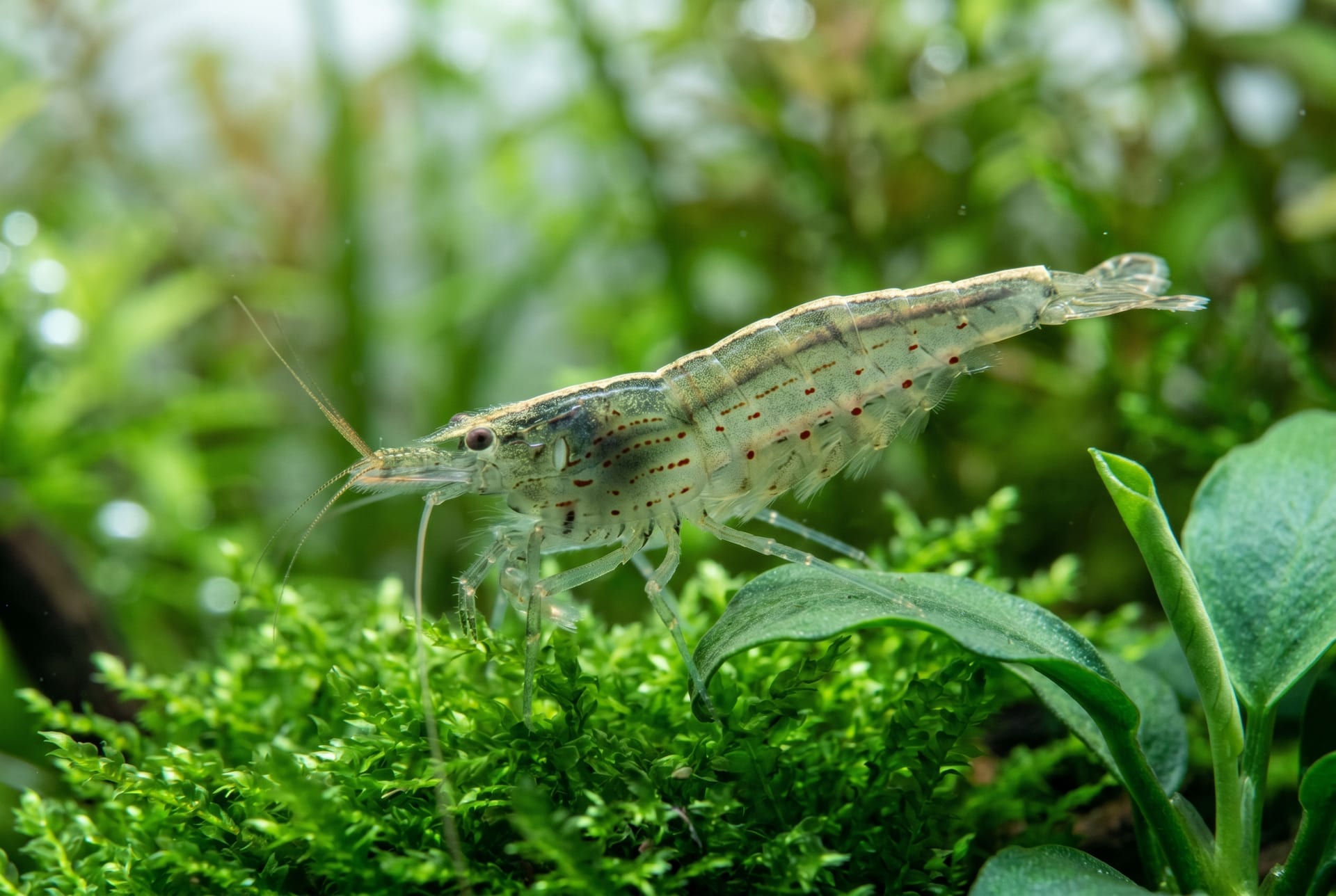
Yamato Amano Shrimp: Arguably an essential organism for planted tanks. They vigorously eat stubborn algae like thread algae and blanket algae, and rarely damage plants
Minami Red Shrimp: Smaller than Yamato shrimp with less appetite, but they reproduce in the tank, allowing you to maintain a colony long-term. They blend naturally into the planted tank environment
Glass-Cleaning Fish
Otocinclus: Their sucker-like mouths eat diatoms and brown algae on glass and plant leaves. They're docile and small, making them an excellent fit for planted tanks
Siamese Algae Eater: One of the few fish that eat black beard algae. However, they grow to around 15cm when mature, making them better suited for larger tanks
Fish Species Unsuitable for Planted Tanks and Why
Regardless of how beautiful a fish may be, there are clear fish species that don't belong in planted tanks. It's worth checking these beforehand to avoid regret.
Fish Species
Why It's Unsuitable
Goldfish
Actively eat plants and dig up substrate
Large Plecos
Scrape and eat plant leaves
Large Cichlids
Extensively dig up substrate and display aggressive territorial behavior
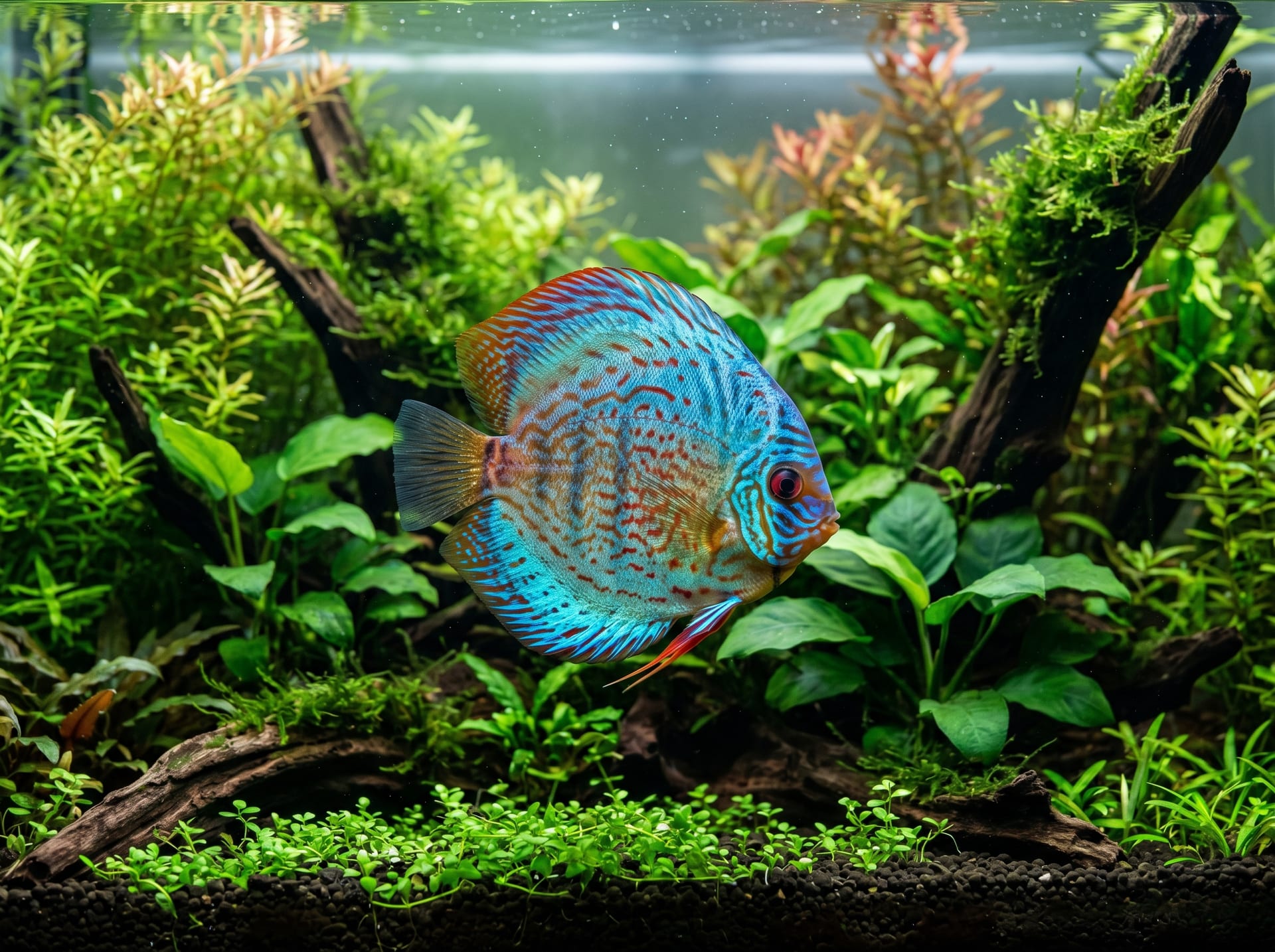
Discus
Optimal temperature of 28-30°C is too high; most plants weaken easily
Silver Shark
Grow to 30-40cm and destroy plants by swimming around
Piranha
Strong carnivorous tendencies make tankmates impossible
It's extremely common for fish you thought were small enough to grow and destroy your layout. Always check the adult size before purchasing.
Managing CO2 Injection and Oxygen Deficiency Risk
Planted tanks often use forced CO2 injection, which makes oxygen management for fish critical. While CO2 promotes photosynthesis during the day when lights are on, plants switch to respiration at night, causing CO2 to accumulate.
Night Management Tips
Turn off CO2 at the same time as the lights: Automatic timers make this reliable
Run aeration at night: Use an air pump to supply oxygen and prevent CO2 buildup
Aim for CO2 concentration below 30ppm: Use CO2 calculation charts based on pH and KH
Don't miss signs of oxygen deficiency: If fish gasp at the water's surface, it's a sign of low oxygen. Increase aeration immediately
Additionally, when introducing new fish to a heavily CO2-enriched tank, it's recommended to acclimate them in a separate treatment tank before moving them to the main tank.
Summary | Get Healthy Fish from Breeders
Selecting fish species suited to planted tanks is the first step toward maintaining a beautiful layout long-term. Combining schooling small tetras, bottom-feeding corydoras, and algae-eating shrimp——understanding each role and combining them thoughtfully——creates an ideal planted tank where fish and plants enhance one another.
Since you're taking the time to carefully select fish species, it's equally important to source healthy individuals. Compared to fish from pet shops where hundreds are kept in crowded conditions, fish raised carefully in small numbers by breeders tend to be healthier and adjust more smoothly to their new planted tank environment.
br-choku allows you to purchase small fish and shrimp perfect for planted tanks——including neon tetras, rasboras, corydoras, and Yamato shrimp——directly from breeders with proven breeding and husbandry experience. Since it's a breeder-direct sales model, you can ask breeders directly about their raising environment and water conditions. If you're looking for healthy specimens perfect for your planted tank, we encourage you to explore br-choku.