Can You Keep Parrots and Parakeets in Rental Properties?—Legal Pitfalls of "Pet-Friendly" Units
Just because a rental property is labeled "pet-friendly" doesn't mean you can keep birds. Many rental contracts define "pets" vaguely, and lease terms or property disclosure documents often specifically state restrictions like "dogs and cats only" or "small animals only." Whether parakeets and parrots qualify as "pets" depends heavily on the specific wording of your lease and the landlord or property manager's interpretation.
Legally, if the lease doesn't explicitly prohibit birds, a complete ban is difficult to enforce. However, "noise disturbance to neighbors" may violate a clause prohibiting nuisance to adjacent residents. This clause applies regardless of animal type, so even if birds are "permitted," you could face lease termination if noise becomes an issue.
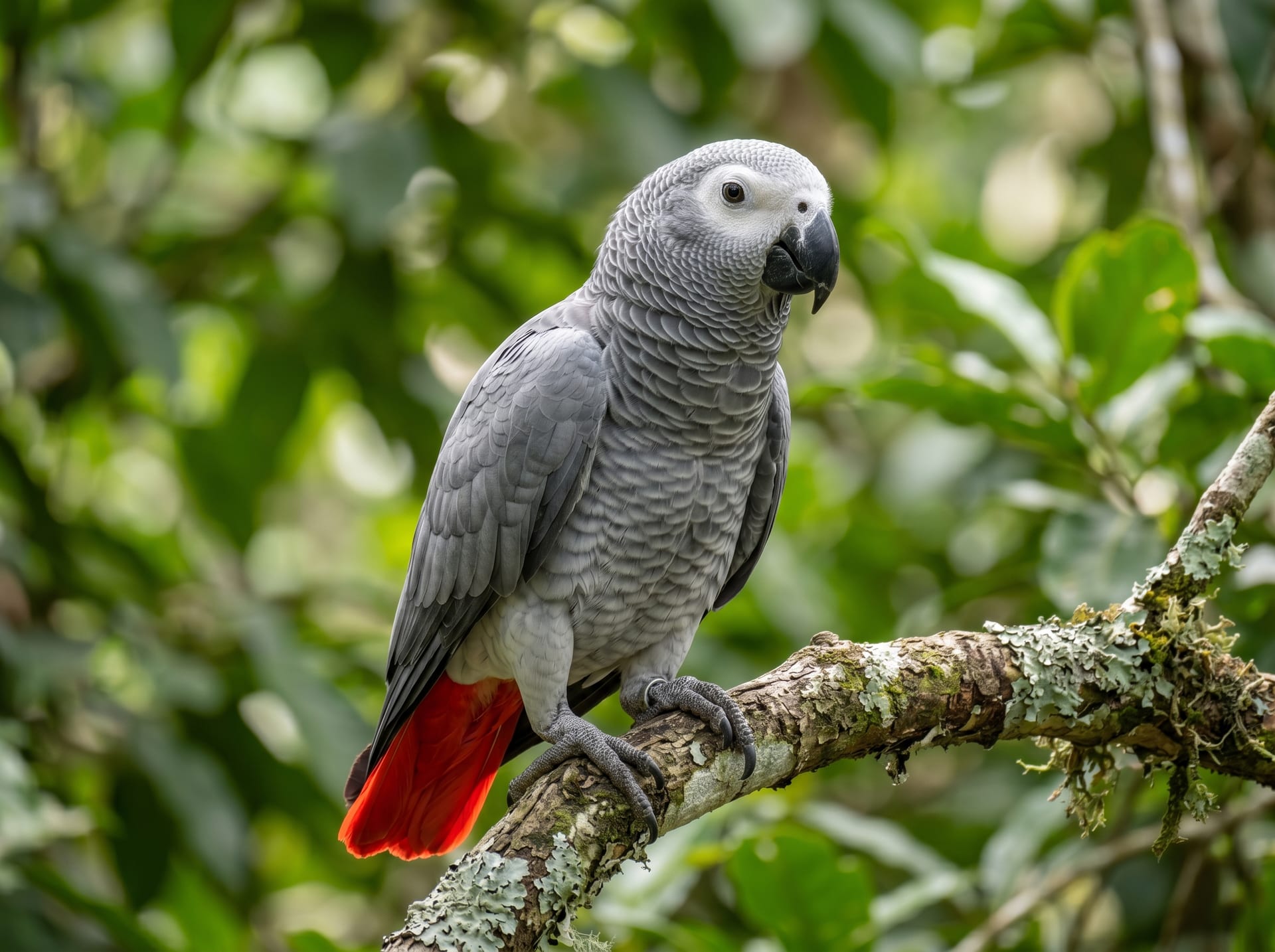
Special attention is needed for large species like African Greys and Moluccan Cockatoos. Birds exceeding 30–50 cm in length are often considered outside the "small animal" category. If your lease specifies "small birds only," larger parrots fall into a gray area. Before acquiring a bird, you must disclose the species and size in writing and obtain written approval.
Consulting Your Landlord Before and During Tenancy—Timing and Sample Templates
The best time to consult is "after application but before signing the lease." Even if you receive verbal approval during a viewing, problems can arise later. Obtain written permission via email or letter, and request that the landlord either add it as a special clause to the lease or provide a separate written agreement.
Sample Email to Landlord or Property Manager
Subject: Inquiry Regarding Pet Ownership (Parakeet)
Dear [Landlord/Property Manager Name],
Thank you for your assistance.
I am currently considering occupancy of Unit ○○ and would like to confirm whether keeping a small bird (one budgerigar) is permitted.
Details of the bird(s):
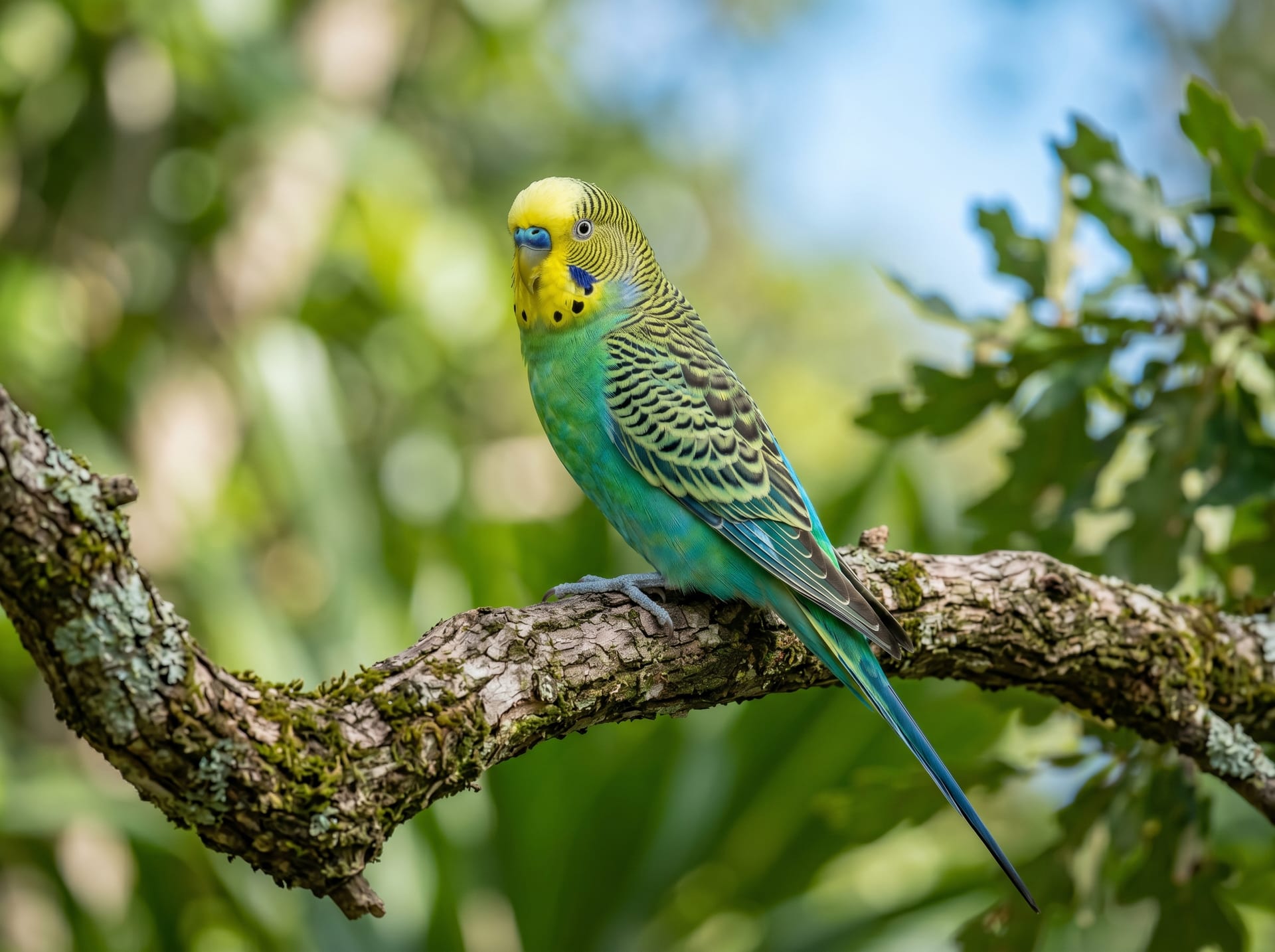
• Species: Budgerigar (Parakeet)
• Number of birds: 1
• Cage size: Approximately 60 cm wide × 40 cm deep
• Noise mitigation: I plan to use a soundproof cage cover and will gradually acclimate the bird to background radio noise while continuing training to minimize vocalization.
I will make every effort to ensure that neighboring residents are not disturbed.
If you approve, I would appreciate it if you could note this permission as a special clause in the lease agreement.
Thank you for your consideration.
Follow the same procedure if you want to add birds after moving in. Notifying your landlord after the fact risks being treated as a contract violation and could serve as grounds for eviction.
Original State Recovery and Noise Complaints—Understanding the Relationship to Deposits and Penalties
Many assume noise has nothing to do with "original state recovery," but the reality is more complex.
Standard original state recovery (per Ministry of Land, Infrastructure, Transport and Tourism guidelines) covers wall and floor damage, not noise damage. However, damage from keeping the cage against the wall—such as rotting caused by droppings and urine or wallpaper discoloration from ammonia—can become your financial responsibility.
The real problem is the "loss of trust" that occurs from repeated complaints. Under civil law, contract termination requires "loss of trust" as a prerequisite. Repeated noise complaints can eventually meet this criterion. In such cases, you may incur penalties or forfeit your deposit.
Key points regarding deposits:
- If there's a "special clause" for pet ownership, a fixed pet cleaning fee (typically ¥20,000–50,000) is often deducted at move-out.
- If you're forced to vacate due to complaints, you may be charged a penalty (several months' rent).
- However, excessive penalty clauses may be unenforceable under the Consumer Contract Act and Tenant Protection Act.
Before signing, carefully review any "special clauses" related to pet ownership and negotiate unfavorable terms.
Soundproofing DIY for Rentals—Methods That Maintain Original State Recovery
"No holes in walls," "adhesive taping only," "restorable upon move-out"—if you follow these three rules, effective soundproofing is possible in rental properties.
Soundproofing Around the Cage
1. Painter's Tape + Acoustic Foam Panel Wall Installation
Commercial acoustic materials (such as needle felt panels or foam tile panels) can be temporarily attached to walls using painter's tape or command strips (3M brand). Removing them upon move-out causes minimal wallpaper damage. Placing acoustic panels on the back and sides of the wall behind the cage suppresses sound reflection.
2. Tension Rods + Panel "Partition Wall" Structure
Place two tension rods between ceiling and floor, then use products like LABRICO or Walist to mount shelves and arrange acoustic panels. This allows complete original state recovery and creates a dedicated "soundproofing zone" around the cage. It physically blocks sound from escaping the room.
3. Corner Placement + Gap Tape Sealing
Sound leaks most through gaps. Place the cage in a corner and apply gap tape (foam material) along window and door cracks to significantly reduce sound escape. Gap tape is typically treated as a consumable, so you won't be charged for its removal at move-out.
4. Using Soundproof Curtains
Window sound leakage is greater than expected. Placing soundproof curtains (sound insulation rating T-2 or higher) in front of the cage reduces both outgoing noise and incoming stimuli that trigger vocalizations. Curtains are excluded from original state recovery requirements and can be removed at move-out.
How to Handle Complaints
If you receive a complaint from your property manager or management association, responding emotionally will only make things worse. Following this flow minimizes the risk of eviction.
Step 1: Fact-Finding (Within 24 Hours of Contact)
Specifically ask "when," "what time," and "what kind of vocalizations." Asking the property manager for details shows a willingness to resolve the issue, not an argumentative stance.
Step 2: Written or Verbal Apology and Statement of Intent to Improve
Send a message to your property manager saying, "I sincerely apologize for the inconvenience and will strengthen soundproofing measures." If verbal, keep a written record.
Step 3: Report Concrete Actions "Visibly"
Report in writing the specific measures you're taking: installing acoustic materials, changing your behavior when away, continuing training, etc. Landlords view an unresponsive tenant very differently from one taking concrete action.
Step 4: Regular Status Updates
One to two weeks later, follow up by asking, "Regarding the complaint you mentioned, have conditions improved since I implemented these measures?" Ignoring the issue signals indifference and gives your landlord justification to proceed with eviction.
Last Resort: Repeated Complaints
If measures don't resolve the issue, changing your living environment is the realistic option. Properties with frequent noise complaints likely have poor sound insulation. If considering a move to a quieter property, you can filter for reinforced concrete (RC) or steel-reinforced concrete (SRC) buildings with better insulation at Find soundproof properties.
Summary—Legal Preparation Is the Foundation for Keeping Birds in Rentals
To manage parrot noise in rental properties, legal and procedural preparation comes before technical soundproofing.
- Review your lease's "pet" definition and neighbor disturbance clause.
- Before acquiring a bird, notify your landlord in writing about the species, number, and mitigation plan, and obtain written approval.
- Choose DIY methods that minimize original state recovery risks (painter's tape, tension rods).
- If complaints arise, respond within 24 hours and report visible measures.
The realistic goal isn't to eliminate sound entirely, but to keep it below the complaint threshold. With this perspective, keeping parrots in a rental is entirely feasible.