Managing Parrot Night Calling and Contact Calling | Behavior Correction Strategies by Cause
Many parrot owners struggle with night calling and contact calling. This guide comprehensively covers solutions to prevent noise issues, from understanding parrot behavior and psychology to environmental modifications and training techniques.
Key Takeaways
Many parrot owners struggle with night calling and contact calling. This guide comprehensively covers solutions to prevent noise issues, from understanding parrot behavior and psychology to environmental modifications and training techniques.
Related Species
Don't Dismiss Parrot Vocalizations as Simply 'Problem Behavior'
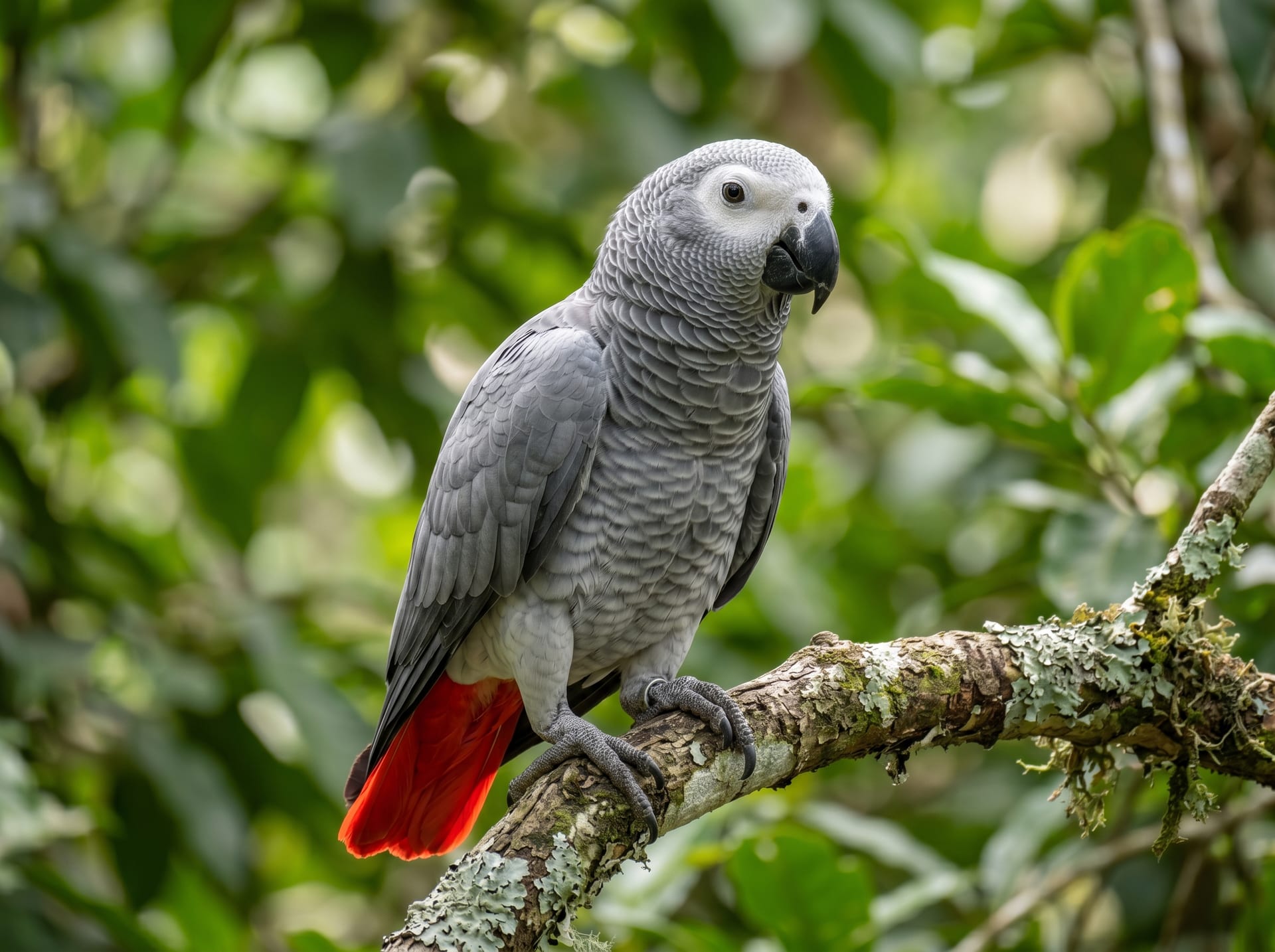
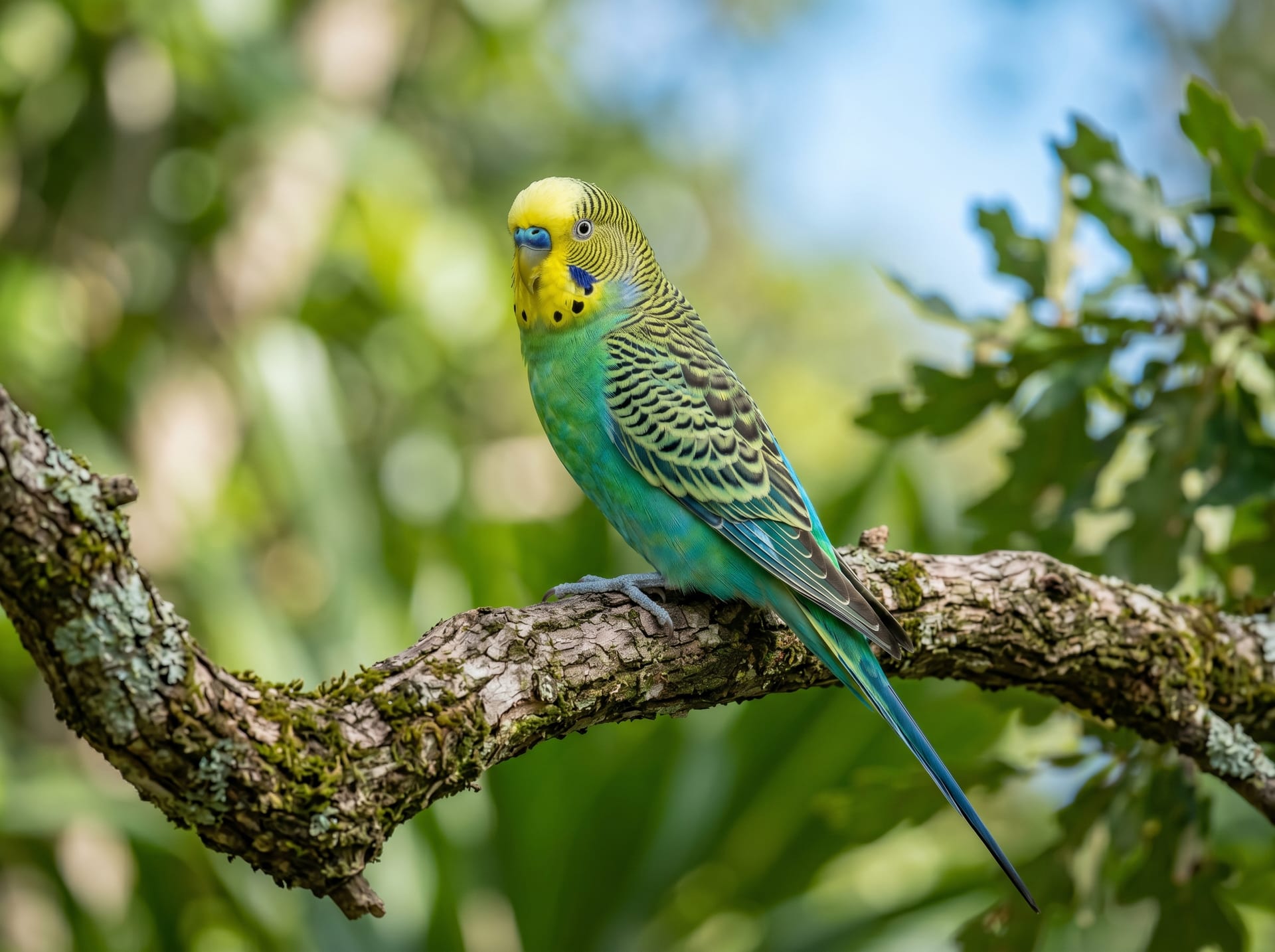
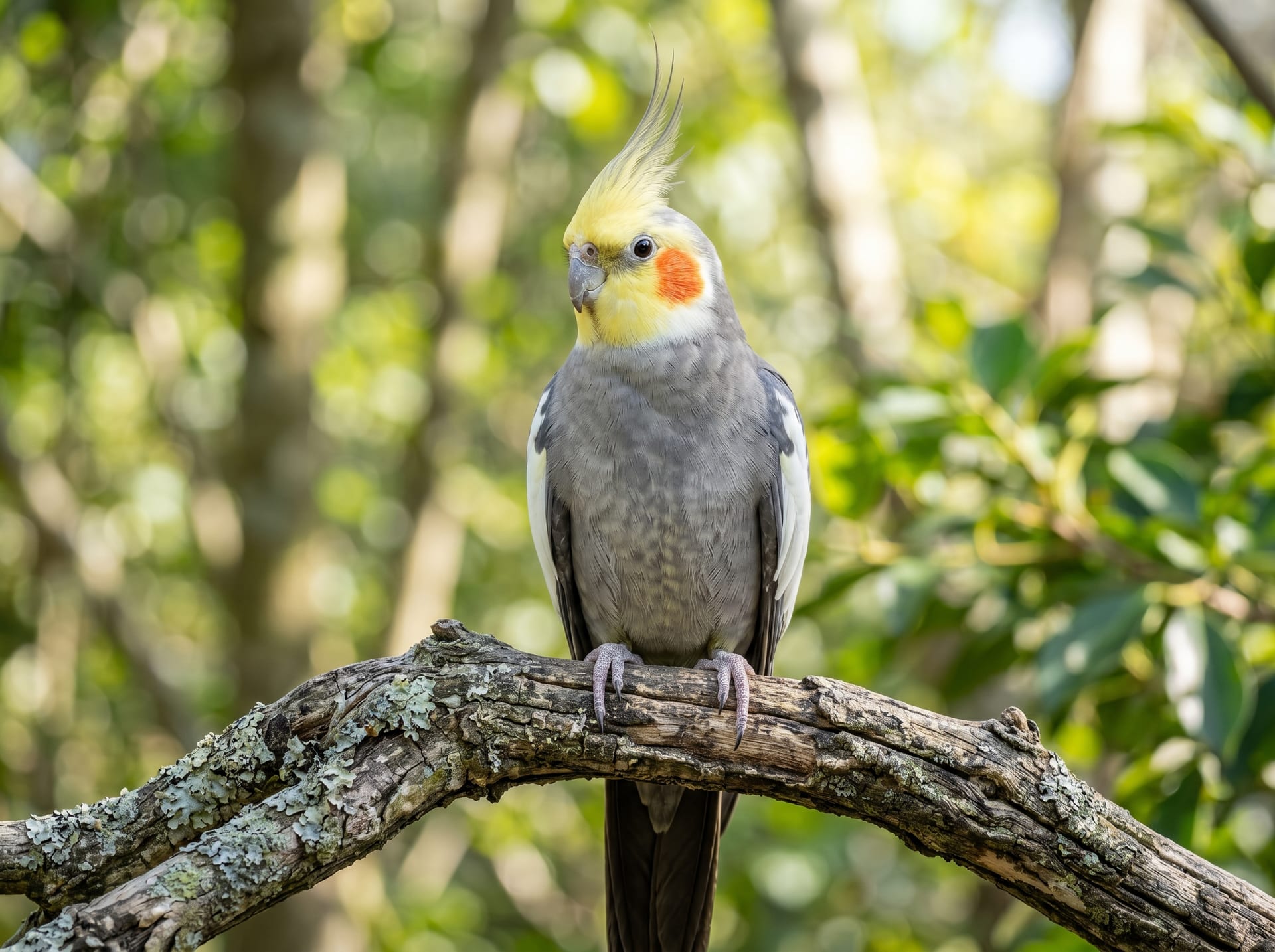
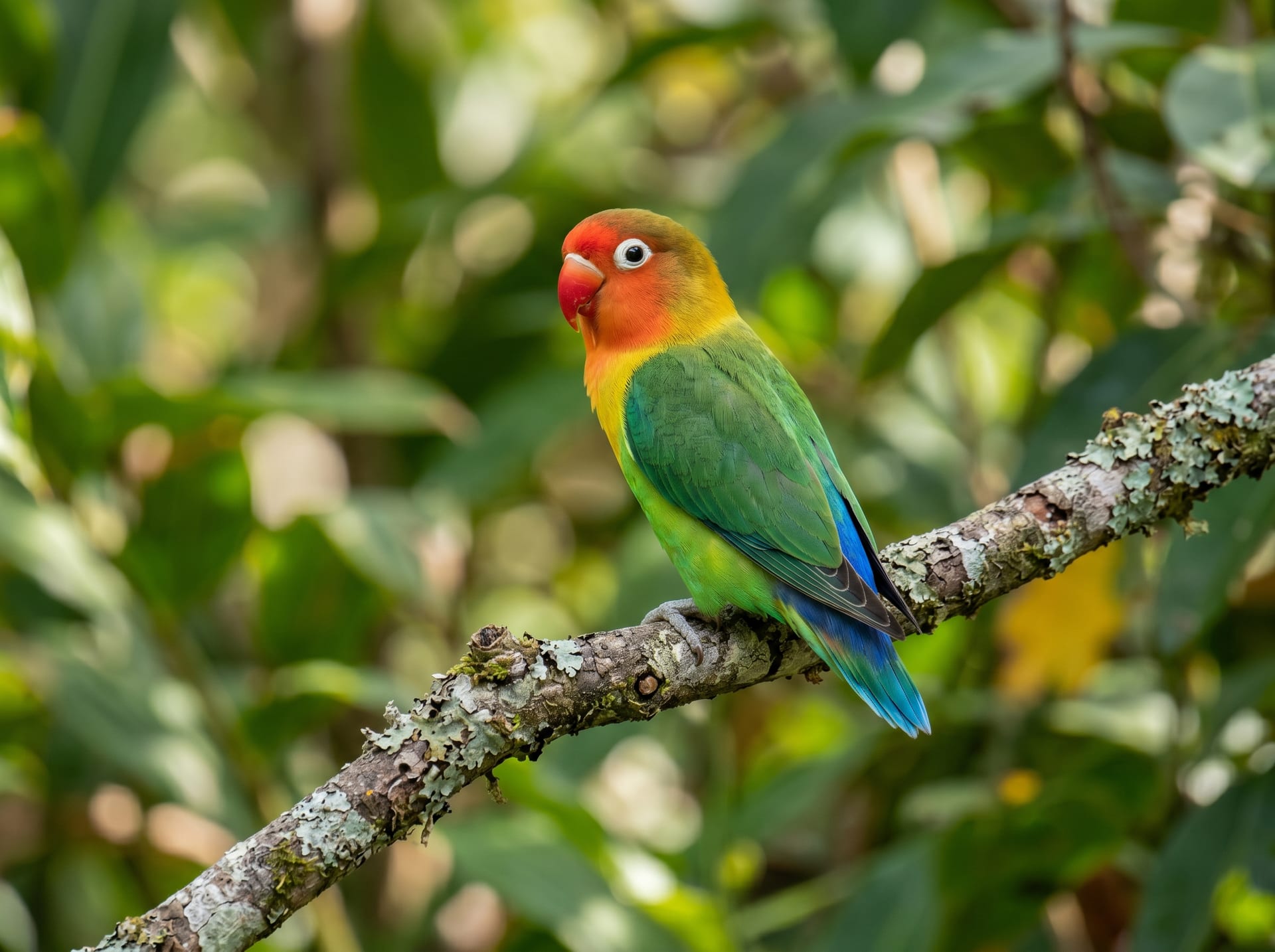
Parakeets, cockatiel, lovebirds, macaws—parrots kept as pets are beloved for their rich communication skills and expressive personalities. However, vocalization issues such as "night calling" and "contact calling" are among the most common challenges owners face. In apartments and condos especially, excessive noise can quickly become a source of conflict with neighbors.
Here's a crucial perspective: avoid labeling parrot vocalizations as simply "problem behavior." Parrots are flock animals, and vocalizing is a natural behavior for maintaining group bonds. The real issue isn't that they vocalize, but rather that they vocalize excessively or at undesirable times. The goal is adjusting the quantity and quality of the behavior, not eliminating it entirely.
Understanding Contact Calling Psychology
Contact calling (conspecific contact call) is the natural vocalization parrots make when their owner leaves the room—essentially saying "Hey, where are you?" In the wild, this instinctive behavior helps flock members confirm each other's location when separated.
However, if owners respond to contact calling by yelling back in frustration or rushing over excitedly, the parrot learns that "loud vocalizations get a response." The result is predictable: the bird calls even louder.
Effective approaches include:
- Return quiet calls with small, quiet responses (a simple "Hey")
- Ignore loud or frantic calling
- Reward calm behavior by offering treats or attention during quiet moments
With consistent application over several weeks, your parrot learns that "quiet communication is more effective." This establishes a healthier interaction pattern.
Night Calling: Causes and Solutions
Night calling differs from contact calling and has distinct underlying causes:
1. Insufficient Sleep
Parrots naturally require 10–12 hours of dark, uninterrupted sleep. If your bird spends evenings in the living room with lights, TV, and household activity, it won't get adequate rest, leading to anxiety and behavioral instability.