Safe overwintering methods for medaka: outdoor biotope insulation and water depth, indoor heated tank management, and winter feeding and water change guidelines.
Key Takeaways
Safe overwintering methods for medaka: outdoor biotope insulation and water depth, indoor heated tank management, and winter feeding and water change guidelines.
Complete Winter Care Guide for Medaka | Management Methods for Outdoor and Indoor Keeping
✍️
BreederDirect Editorial
The BreederDirect editorial team specializes in care information for animals, covering veterinary care and breeding to deliver beginner-friendly guides.
Find Medaka on BreederDirect
Buy directly from verified breeders
Browse Related Listings
Find Medaka listings related to this article on BreederDirect. Buy directly from verified breeders.
Related Tools
Related Articles
Browse by Category
🪸Coral
🐠Marine Fish
🐟Tropical Fish
🐡Goldfish
🐟Medaka
🦎Reptiles
Share
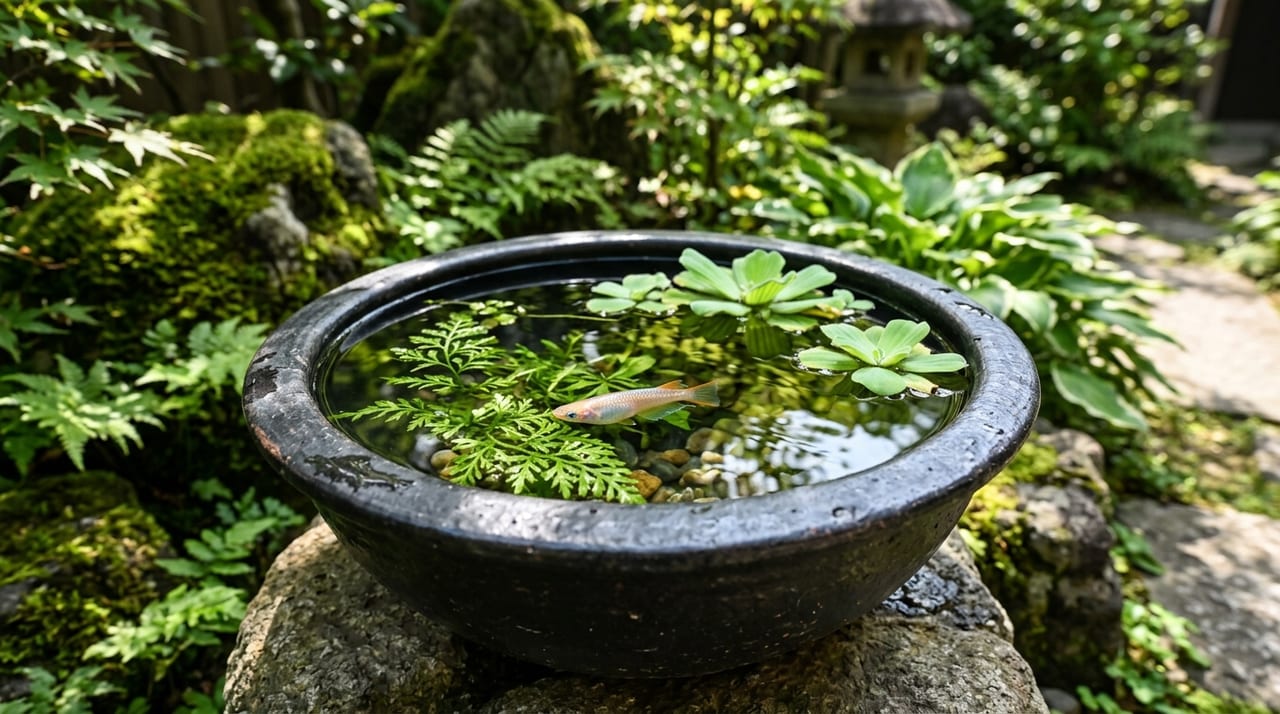
Medaka are hardy fish well-adapted to Japan's climate, but proper management is essential during winter cold. In particular, the recent boom in biotope aquascaping has led to more people keeping medaka outdoors, and many have questions about "how do I help them survive winter?" This article provides a detailed explanation of winter care methods for both outdoor and indoor keeping.
The Relationship Between Medaka and Low Water Temperature
Medaka are cold-blooded fish; when water temperature drops, their body temperature decreases and their metabolism slows. When water temperature falls below 10°C, their movement becomes sluggish, and below 5°C they enter a hibernation-like state (similar to a dormant state). During this period they eat almost no food and remain still at the bottom of the water, waiting for spring.
In most regions of Japan, medaka can survive winter outdoors. As long as the water temperature doesn't drop below freezing (even if the water surface freezes slightly, as long as it doesn't freeze all the way to the bottom), medaka will survive. However, since cold tolerance varies by breed, caution is necessary.
Winter Care for Outdoor Keeping
Ensure Adequate Water Depth
The most crucial factor in winter survival is "water depth." If the water is too shallow, there is a risk of complete freezing. Ensure a water depth of at least 30cm, ideally 40-50cm.
The deeper the water, the more stable the temperature at the bottom, allowing medaka to hibernate safely. As winter approaches, consider increasing the water level or moving them to a deeper container.
Insulation Measures for Containers
Styrofoam containers are ideal for winter care due to their insulation properties. For plastic containers and water lily basins, you can prevent the cold by covering the surroundings with styrofoam panels or insulation sheets.
Using a lid is also effective. Simply covering the container at night or during cold spells can significantly prevent the water surface from freezing. However, complete sealing can cause oxygen depletion, so leave a small gap.
Choosing the Right Location
Placing the container in a sunny, south-facing location helps raise water temperature during the day. Avoid locations with direct wind exposure; choose a spot that provides wind protection, such as near a wall or under an eaves.
Management of Aquatic Plants and Floating Plants
Floating plants such as water hyacinth die in low temperatures, but as they decompose, they can cause water quality to deteriorate. Remove them before they die, and keep aquatic plants (such as watersprite or hornwort) in the water, as these serve as winter hiding places for medaka.
Feeding and Water Changes for Outdoor Keeping
Feeding
The rule is not to feed when water temperature is 10°C or below. Since their digestive capacity is reduced, there is a risk of indigestion. Only feed on days when the water temperature is 15°C or above, and only small amounts (an amount they can finish in 2-3 minutes).
Water Changes
Keep winter water changes to a minimum, as temperature fluctuations can cause significant stress. Simply topping off the water from evaporation is sufficient. When adding water, make sure to match the temperature first.
Winter Care with Indoor Heated Keeping
If you keep medaka indoors with a heater, you can breed and raise them year-round without hibernation.
Equipment Needed
- Heater (set to around 26°C)
- Thermostat (for stable temperature control)
- Filter
- Lighting (to compensate for shorter daylight hours in winter)
Management Tips
- Avoid sudden changes in water temperature (keep the tank indoors away from outdoor temperature fluctuations)
- Maintain appropriate feeding amounts as with outdoor keeping
- Perform water changes normally, 1-2 times per week
Post-Winter Management (Spring Precautions)
As spring arrives and water temperature begins to rise, medaka activity increases. The key caution during this period is avoiding "sudden changes."
Gradually resume feeding as water temperature rises
Return water changes to normal frequency (gradually, not all at once)
Expose them to sunlight on clear days (effective for immunity and physical recovery)
After winter, their physical strength is reduced, making them susceptible to illness. Recover their strength through proper water quality management and appropriate feeding.
Breeds and Individuals Not Suited for Winter
Among recent medaka ornamental varieties, some have weak bodies and low cold tolerance. Daruma medaka and semi-daruma medaka tend to flip over in low temperatures and are not suited for outdoor winter care. Young fry also lack physical strength, so individuals smaller than 3cm are safer kept indoors with heating.
Summary
The three basic keys to medaka winter care are ensuring adequate water depth, insulation, and proper feeding management. Outdoor winter survival is a natural cycle suited to Japanese medaka strains, and if managed properly, they will transition into spring without problems. Since cold tolerance varies by breed, it's reassuring to confirm winter care methods with the breeder you purchased from.