Medaka Price Guide | Market Prices for Popular Varieties and Tips for Purchasing
An explanation of the general price ranges for popular medaka varieties (Yōkihi, Kankino, Sanshoku, etc.) and how body light patterns and luster density affect pricing. We also compare prices between breeder direct sales and pet shops.
Key Takeaways
An explanation of the general price ranges for popular medaka varieties (Yōkihi, Kankino, Sanshoku, etc.) and how body light patterns and luster density affect pricing. We also compare prices between breeder direct sales and pet shops.
Related Species
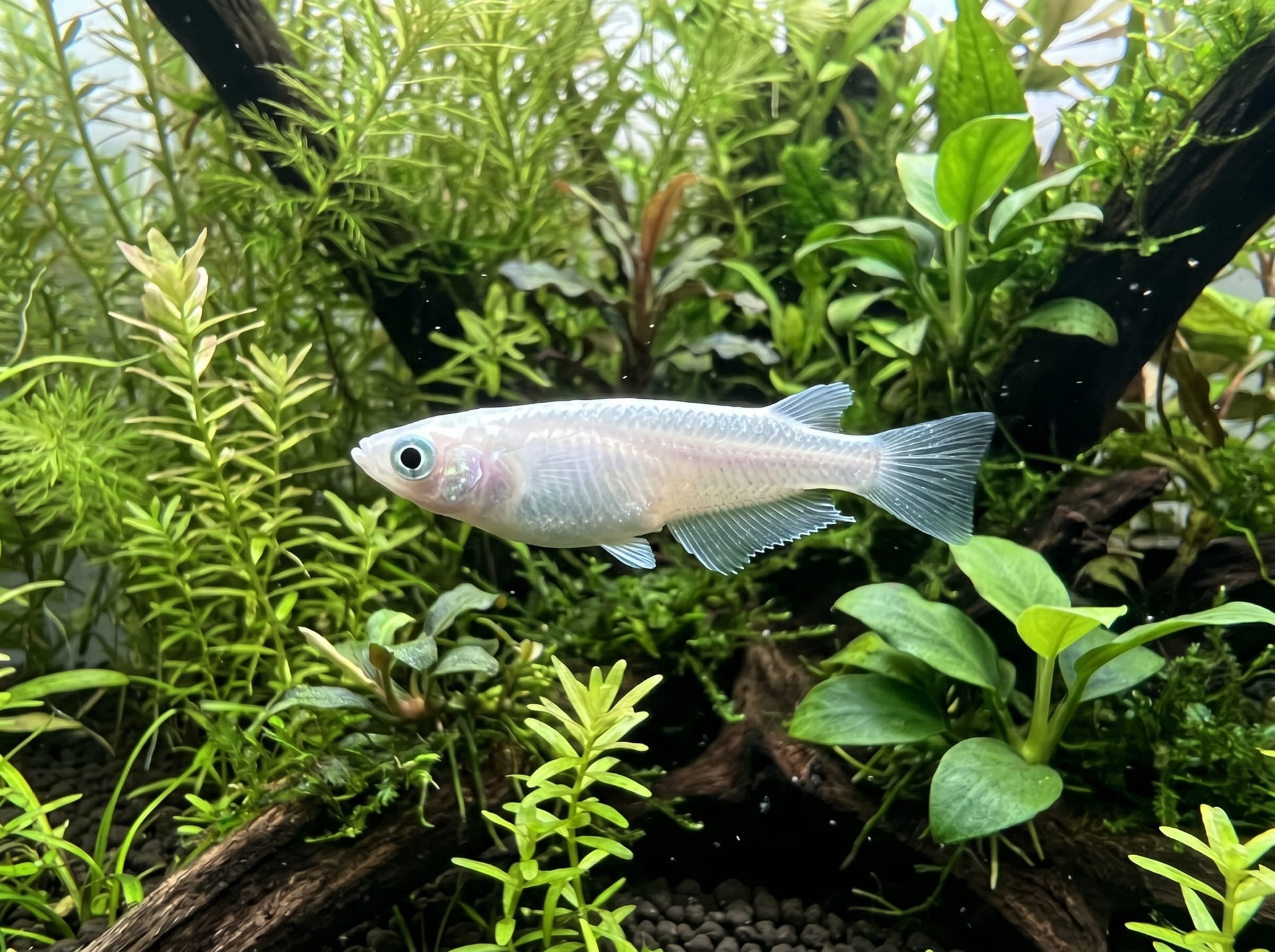
Why are Medaka Prices So Widely Varied? Essential Knowledge Before Understanding the Market
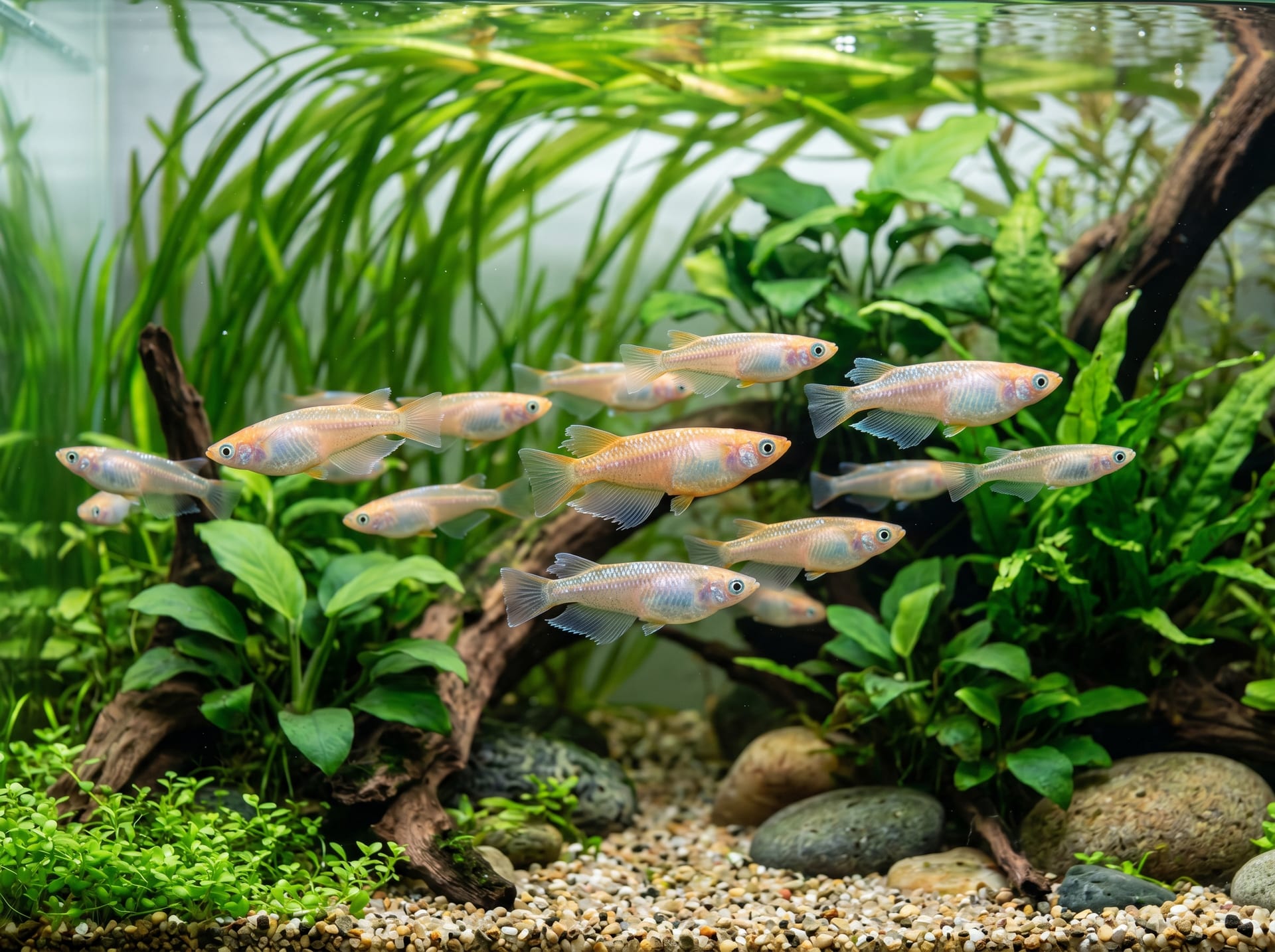
Medaka are a familiar fish to Japanese people, yet their prices range extremely widely from tens of yen to tens of thousands of yen and beyond. Many people are surprised to learn that the himé-medaka sold at home improvement stores and premium luster medaka developed by renowned breeders are both called "medaka."
This price difference stems from multiple factors intertwining in complex ways: the rarity of the variety, the quality of the bloodline, and the quality of individual specimens. By understanding market rates accurately in advance, you can avoid mismatches such as "it was more expensive than expected" or "I got a bargain, but it didn't meet my expectations." This guide systematically explains everything necessary for purchasing medaka, from price guides by variety to factors that influence pricing and checkpoints to consider when buying.
Price Ranges by Variety and Grade
The following prices are merely guidelines and will vary significantly depending on the quality of the individual, bloodline, seller, and season.
Native and Common Varieties (Tens to Hundreds of Yen)
- Himé-medaka and Black Medaka: Close to native varieties with high circulation. Easily available at home improvement stores, typically priced at tens of yen to around 100 yen per fish.
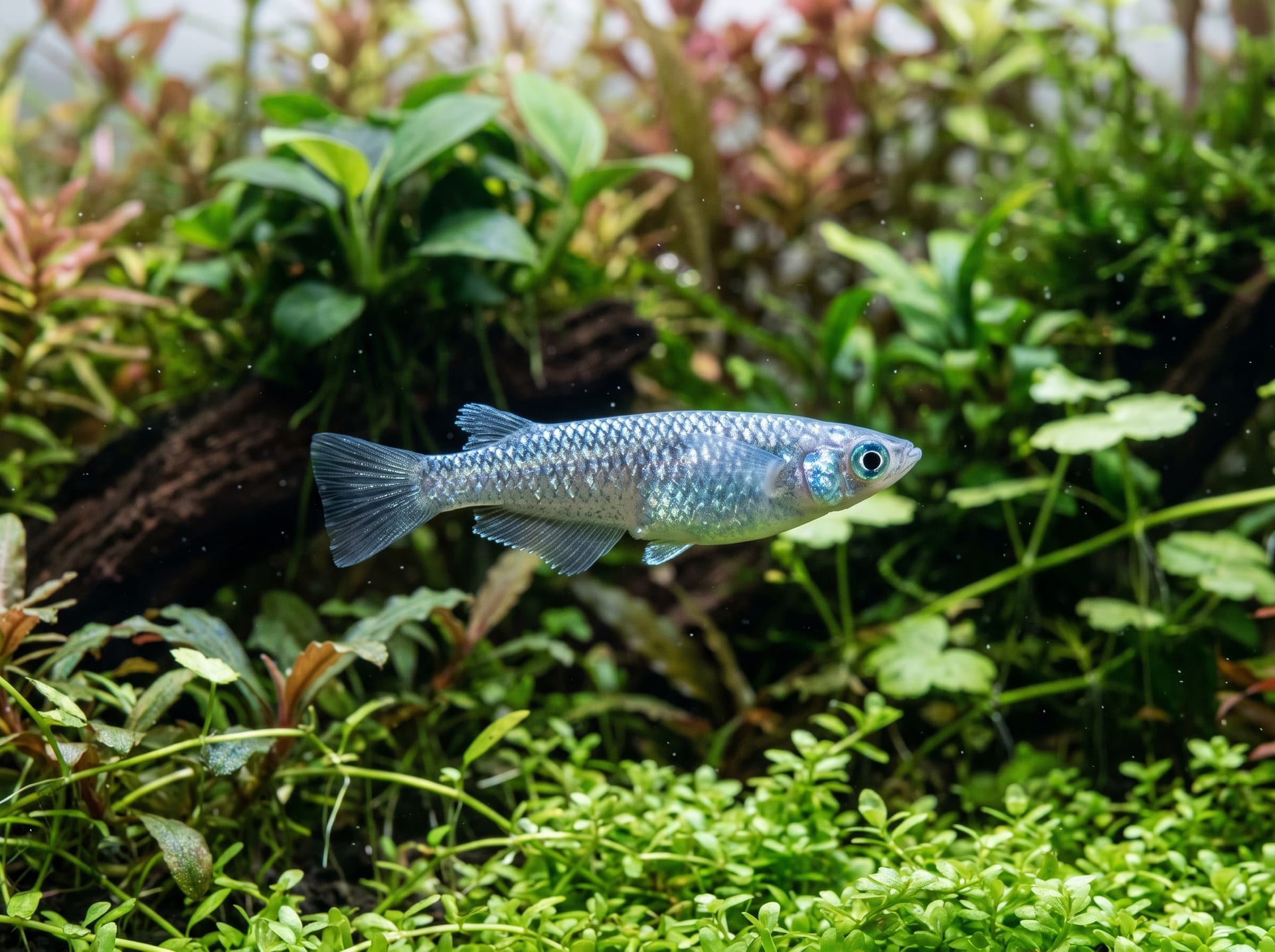
- White Medaka and Blue Medaka (Standard Grade): Among improved varieties, relatively common in the market, ranging from tens to hundreds of yen.
Popular Improved Varieties—Standard Grade (Hundreds to Thousands of Yen)
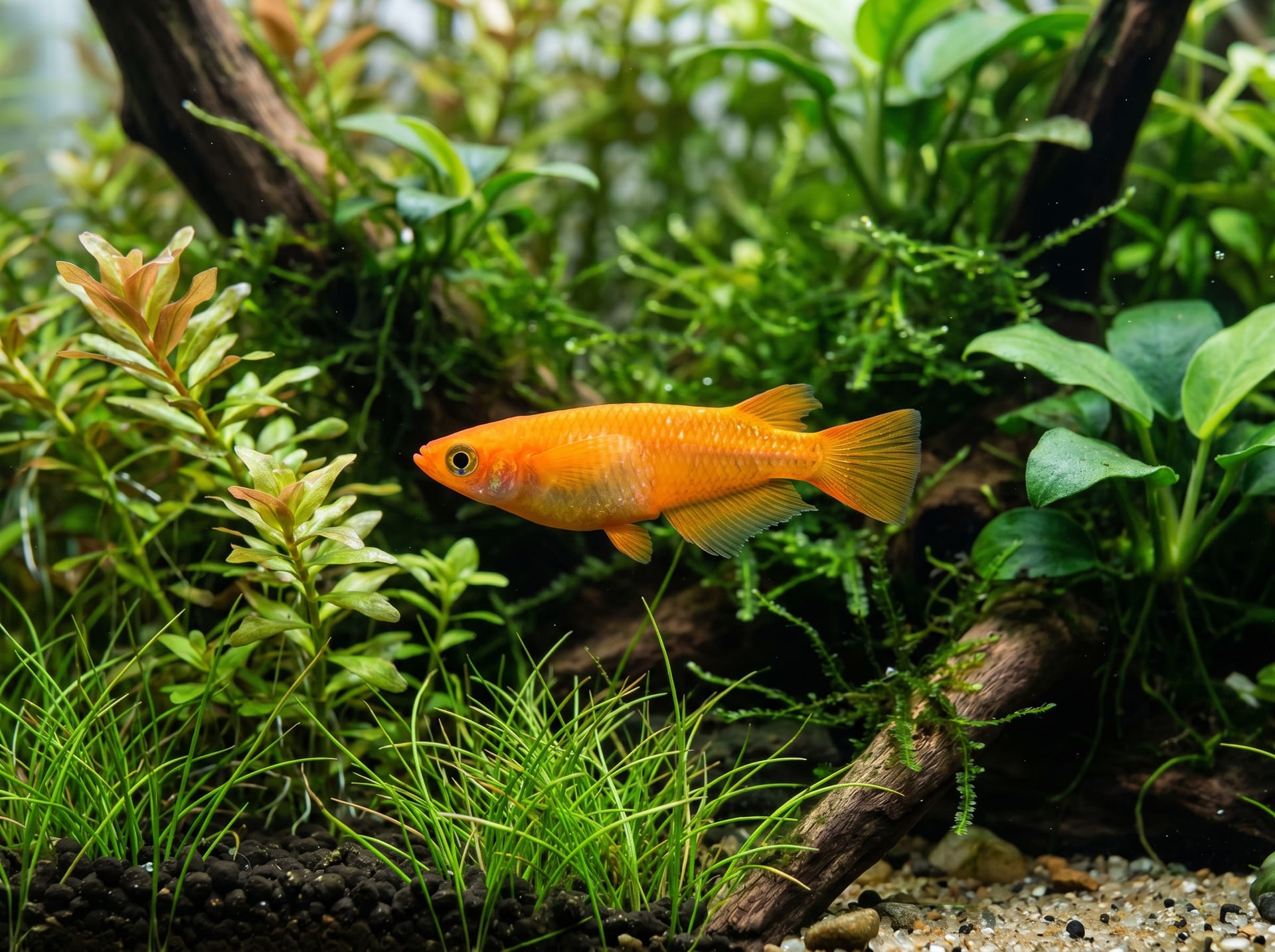
- Yōkihi (Standard Grade): Popular for its vivid orange coloring. Quality varies widely, typically 100 yen to around 2,000 yen.
- Kankino (Standard Grade): A variety with a light stripe running down the back. Price differences are often evident based on grade.
- Sanshoku and Luster (Standard Grade): Appealing patterns and luster, but with lower fixation rates, resulting in greater individual variation.
Premium Grade and High-Quality Specimens (Thousands to Tens of Thousands of Yen)
- Kankino Full Body and Super Light: The highest grade with light across the entire body. Often priced at thousands to over 10,000 yen.
- High-Quality Sanshoku, Yozakura, and Aurora Lines: Pattern beauty and color balance are evaluated, so exceptional specimens command higher prices.
- Award-Winning Show Lineages and Renowned Breeder Strains: Added bloodline value makes transactions exceeding tens of thousands of yen not uncommon.
New and Rare Varieties (Prices Fluctuate Easily)
New varieties with low fixation rates or rare varieties just entering the market tend to see prices spike shortly after introduction. As breeding and distribution progress, prices typically stabilize and gradually decline.
Five Factors That Influence Pricing
Even within the same variety name, prices vary significantly based on the following factors. Be sure to examine these points before purchasing.
1. Quality (Color, Pattern, Body Shape)
Specimens with vibrant coloration, symmetrical patterns, and well-proportioned body shapes are valued more highly. For luster and sanshoku varieties in particular, pattern balance determines value.
2. Fixation Rate
The percentage at which traits from parent fish stably appear in the offspring generation is called the "fixation rate." Higher fixation rates mean breeding is less likely to degrade the traits, increasing value. Whether the seller includes fixation rate information in the listing is one factor in your purchasing decision.
3. Bloodline and Breeder's Track Record
Specimens from breeders with show awards or established reputations in specific lineages carry added bloodline prestige. Even visually identical specimens command higher value if accompanied by lineage documentation, especially for breeding purposes.
4. Individual Size and Age
Mature specimens capable of spawning typically cost more than juveniles, though purchasing juveniles in bulk and raising them offers its own appeal. Choose according to your purpose.
5. Purchase Timing and Season
During spring and summer breeding seasons, demand rises and prices tend to increase. Conversely, in winter when medaka activity declines, circulation may decrease.
Purchasing Venues and Their Characteristics
Medaka can be purchased from several venues, each with its own advantages and disadvantages.
| Venue | Advantages | Disadvantages |
|---|---|---|
| Home Improvement Stores / Pet Shops | Easy to purchase, can verify specimens in person | Limited variety information, bloodline often unclear |
| Roadside Stations / Medaka Specialty Shops | Opportunity to find quality specimens from local breeders | Limited selection may be available |
| Shows and Auctions | Chance to encounter top-quality specimens | Infrequent events, limited accessibility |
| Breeder Direct Sales (Online) | Clear bloodline and parent fish information, can select with questions | Cannot directly view specimens |
For those who prioritize quality and bloodline, online breeder direct sales are particularly suitable. Being able to ask sellers questions directly is the greatest advantage, allowing you to confirm parent fish photos, fixation rates, husbandry environments, and other necessary information before purchasing.
Essential Checkpoints Before Purchasing
To obtain healthy and beautiful medaka, always verify the following points.
- Body Shape Integrity: Check for bent spines or deformities
- Fin Condition: Ensure there is no damage, deterioration, or cloudiness
- Swimming Behavior: Avoid fish gasping at the surface (possible signs of oxygen deprivation or illness)
- Color Vibrancy: Confirm that the intended characteristics (luster, sanshoku, etc.) are clearly expressed
- Presence of Parent Fish Information: Verify that photos and detailed descriptions of parent fish are provided
- Fixation Rate Clearly Stated: Especially important for breeding purposes
- Packaging and Shipping Considerations: For online purchases, confirm that specimens will arrive safely with appropriate packaging
BreederDirect's Safe and Secure System
Because medaka prices vary greatly depending on variety, quality, and bloodline, many beginners are uncertain about "what basis to use for purchasing." BreederDirect allows breeders to list specimens with photos of parent fish, detailed variety information, fixation rates, and more, enabling buyers to proceed with confidence.
Additionally, a direct messaging feature allows buyers to ask breeders any questions, resolving concerns beforehand. Purchasing from a trustworthy breeder provides not only quality specimens but also great peace of mind through post-purchase husbandry support. As a starting point in your search for ideal medaka, be sure to explore the medaka category on BreederDirect.