Medaka Breed Selection and Outdoor Rearing Guide | From Popular Varieties to Breeding Basics
This article explains the characteristics and selection of popular medaka varieties, the benefits and preparation methods of outdoor rearing, temperature management by season, and breeding fundamentals in an easy-to-understand way for beginners.
Key Takeaways
This article explains the characteristics and selection of popular medaka varieties, the benefits and preparation methods of outdoor rearing, temperature management by season, and breeding fundamentals in an easy-to-understand way for beginners.
Related Species
Medaka Breed Selection—Which One Should You Choose?
Medaka now has more than several hundred varieties, and it's common to hear people say "I don't know which one to choose." Each variety has its own unique appeal—beautiful body color, fin shape, and luminescence (luster). Here, we'll introduce some of the most popular varieties.
Hikarimoyuuki Medaka
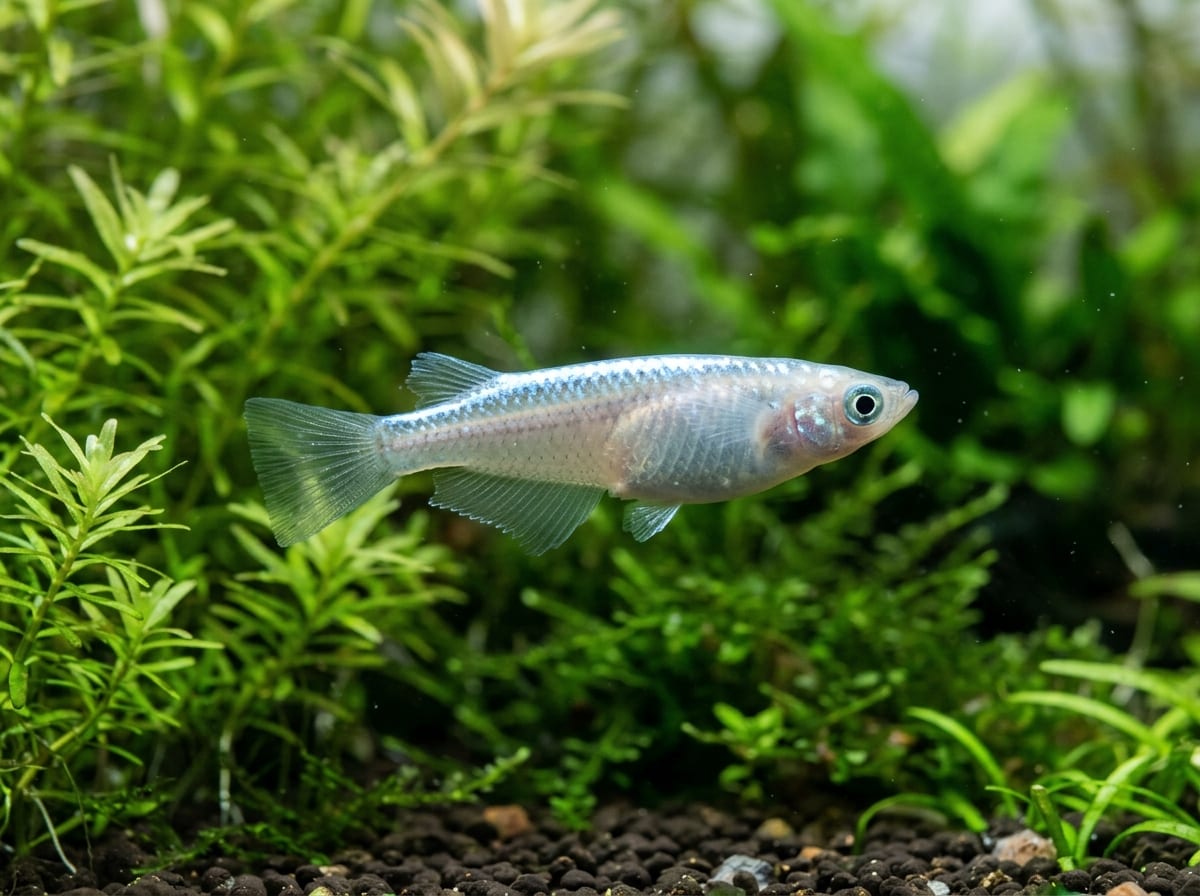
This variety is characterized by "body luminescence" that shines on the fish's back. Depending on how the light passes through, there are various grades such as full-body and half-body luminescence. Their white or pale blue bodies with streaks of silver light are exceptionally beautiful, and they rank among the most popular varieties for beginners. With a price range of around ¥300–¥2,000 per pair, they're affordable and ideal for your first medaka variety.
Lame (Glitter) Medaka
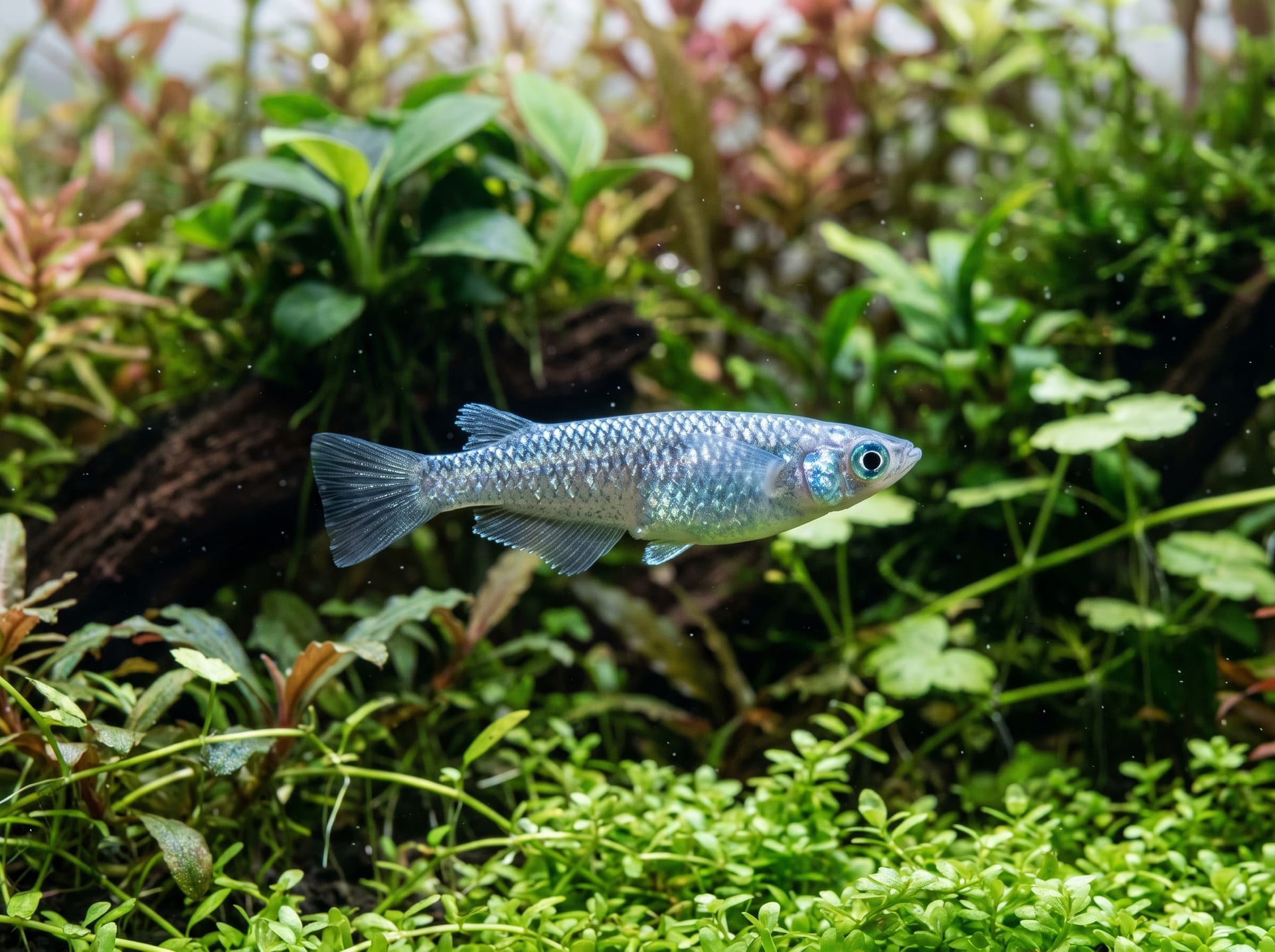
A group of varieties with glittering sparkle (scale luminescence) scattered across the entire body. Black-toned varieties such as "Black Diamond," "Sapphire," and "Orochi" are particularly popular, with prices tending to increase as the density of the sparkle increases. They're especially striking when swimming in summer sunlight, and they pair perfectly with outdoor rearing.
Yangkuifeii Medaka
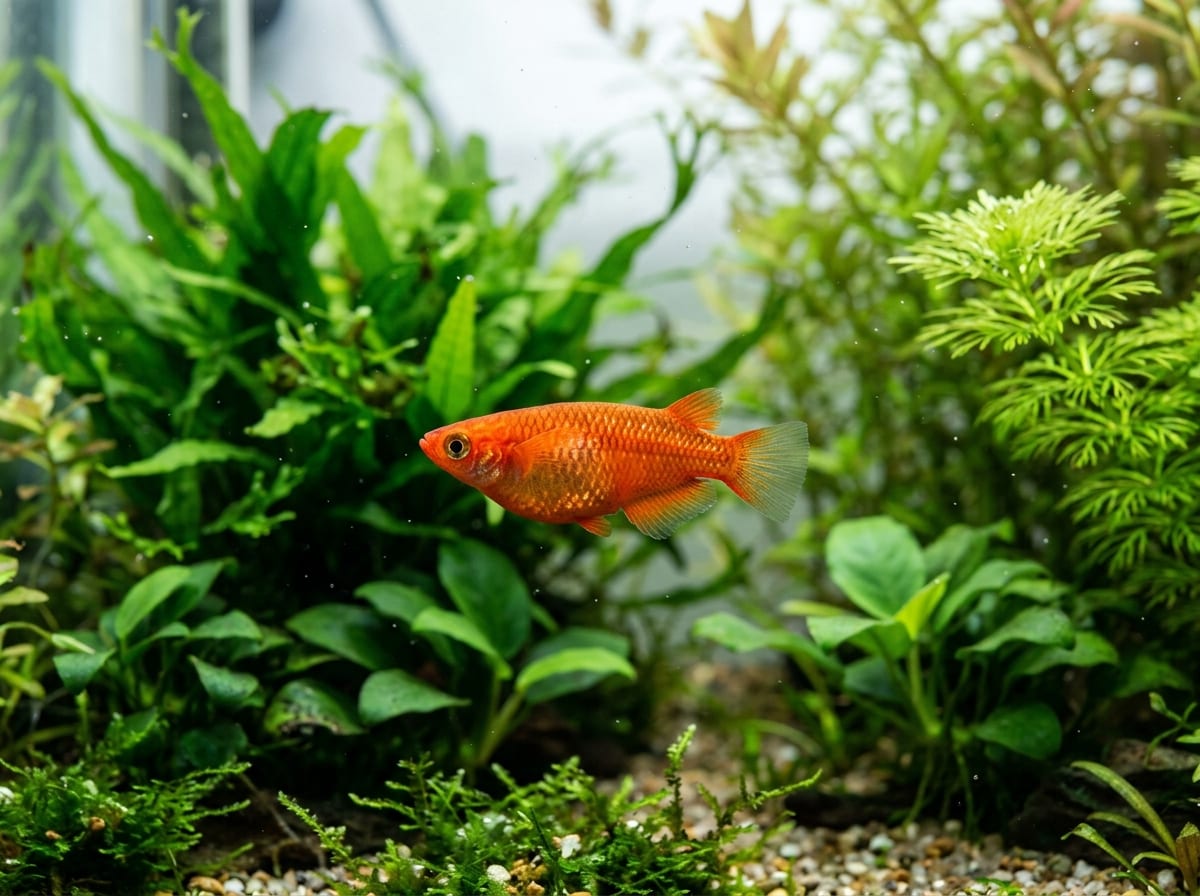
A classic variety beloved for generations, distinguished by its vibrant vermillion-red and orange body color. When raised outdoors in sunlight, the coloring becomes richer and more intense. They're hardy with strong breeding capacity, making them one of the lowest-maintenance varieties for beginners.
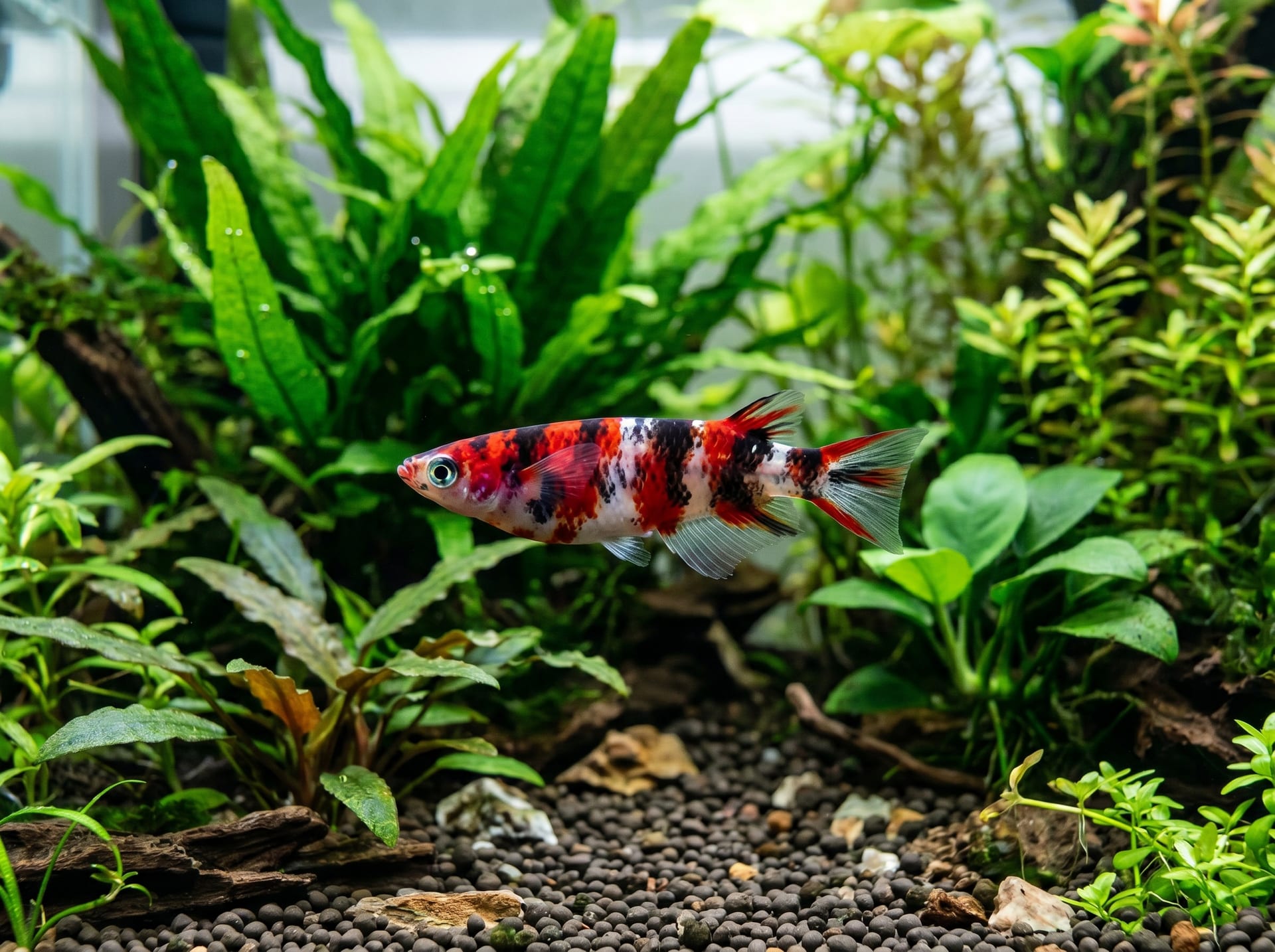
Tri-color Medaka
A variety where white, red, and black mix together like koi. The expression of the three colors varies greatly among individuals, so even siblings will have entirely different patterns, combining collectibility with the joy of rearing. While selection has been considered challenging for intermediate to advanced enthusiasts, recently more stable tri-color individuals have become available.
Daruma Medaka
A variety with a distinctive rounded, stocky body shape. Their short form gives them a unique and endearing swimming style that's soothing just to watch. However, due to their body type, they're not strong swimmers and should not be exposed to strong currents. Temperature management requires careful attention (the daruma body shape tends to become more pronounced at high temperatures of 28°C or above).
Benefits of Outdoor Rearing and Preparation
Unique Benefits of Outdoor Rearing
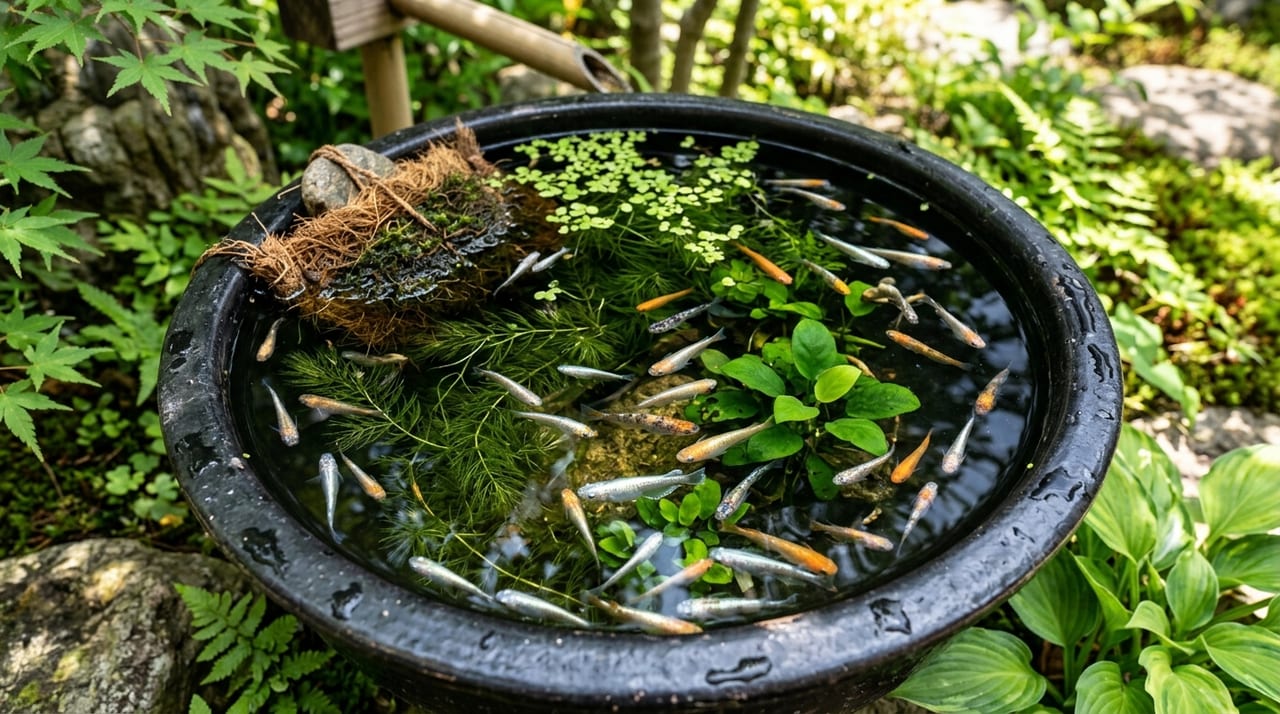
Outdoor rearing approximates the medaka's natural habitat and offers many advantages over indoor rearing.
- Near-zero electricity costs: No heaters or powerful lights needed. Sunlight serves as both light and heat source.
- Green water development: Phytoplankton naturally proliferate, creating an ideal aquatic environment with constant micro-amounts of food and oxygen supply.
- Vibrant coloration: Sunlight activates pigmentation, often resulting in richer, more intense colors than in indoor rearing.
- Easier breeding: Natural light cycles and temperature fluctuations trigger spawning; from spring through autumn, eggs continue to be laid with minimal intervention.
- Flexible space requirements: You can use various containers—water lily pots, foam boxes, planters, and more—and can start in even small spaces like a balcony or corner of the garden.
Necessary Preparation and Equipment
The items needed to begin outdoor rearing are straightforward.
- Rearing container: Water lily pots (ceramic or plastic), trough-style containers, foam boxes, etc. Capacity of 20L or more is recommended (larger water volume ensures more stable water quality).
- Substrate (optional): Small-grain akadama soil is commonly used. It promotes bacterial colonization and helps prevent the water from becoming too green.
- Aquatic plants and spawning substrate: Water sprite, hornwort, etc. They provide a natural spawning environment and help purify water quality.
- Dechlorinator or aged water: Tap water cannot be used directly. Either let water sit for 1–2 days or use liquid dechlorinator.
- Shade cloth (sun screen): Essential to prevent water temperature rise in midsummer. Temperatures above 35°C are dangerous for medaka.
Temperature and Seasonal Management Tips
Spring (March–May)—Beginning of Breeding Season
Spawning begins when water temperature exceeds 18°C. Increase water change frequency to maintain water quality and install spawning substrates. During this period, water temperature fluctuates significantly with weather changes, so be cautious of sudden drops (5°C or greater). Medaka that have just emerged from winter hibernation are weakened, so start with small amounts of food.
Summer (June–August)—Most Active Season, Heat Control Essential
On clear days when water temperature is 25–28°C, spawning and feeding are most vigorous. However, continuous direct sunlight can cause temperatures to exceed 35°C. Using shade cloth or light-blocking netting to cover about half the container and keep water temperature in check is the most critical summer care task. Additionally, water loss due to evaporation is rapid, requiring regular water top-ups.
Autumn (September–November)—Final Breeding Period and Winter Preparation
As water temperature drops, spawning gradually decreases. Once it falls below 15°C, reduce feeding, and stop feeding entirely below 10°C. Building up body reserves during this period is key to successful overwintering. Remove fallen leaves and dead plants to keep the container clean, and consider moving to a deeper container.
Winter (December–February)—Hibernation Period
When water temperature drops below 5°C, medaka enter a "hibernation" state, becoming motionless at the bottom. During this period, do not feed under any circumstances. Uneaten food can damage their digestive organs. Minimize water changes and prevent freezing by covering the container or moving it under shelter. In most regions of Japan, medaka can survive winter without heating if given adequate protection.
Breeding Basics—From Eggs to Fry
Install Spawning Substrates
During the active spawning season, females lay eggs in the early morning, swimming while eggs dangle from their abdomens. Install spawning substrates (commercially available sponge types or aquatic plants) to encourage egg-laying. Check the substrate each morning and transfer attached eggs to a separate container.
Egg Management
Manage eggs separately from parent fish in a different container. They hatch in about 10 days at 25°C water temperature (longer if cooler). Perform about 1/3 water changes daily until hatching, and promptly remove infertile or dead eggs as they can develop fungus.
Rearing Fry
Newly hatched fry (nauplii) are extremely tiny and cannot consume standard pellet foods. Use commercially available fry powder food, PSB (photosynthetic bacteria), or green water. The basic approach is to feed small amounts 3–5 times daily. Keep fry separate from parent fish until they reach 1cm or larger.
Finding Variety Medaka on BreederDirect
Variety medaka include many rare breeds not found at local home centers or aquarium shops. On BreederDirect, you can purchase variety medaka directly from medaka breeders across the country.
- You can verify the actual rearing environment and water conditions maintained by the breeder.
- Rare varieties without established supply channels and the latest bred individuals are in abundant supply.
- You can consult directly with the breeder about rearing after purchase.
- Since payment methods and timing can be agreed upon directly, even first-time buyers can proceed with confidence.
If you're unsure which variety to start with, check actual listings in BreederDirect's medaka category. By viewing breeder profiles and comments about rearing environments, you can get a sense of who you'll be purchasing from beforehand, allowing you to confidently welcome your first variety medaka with peace of mind.