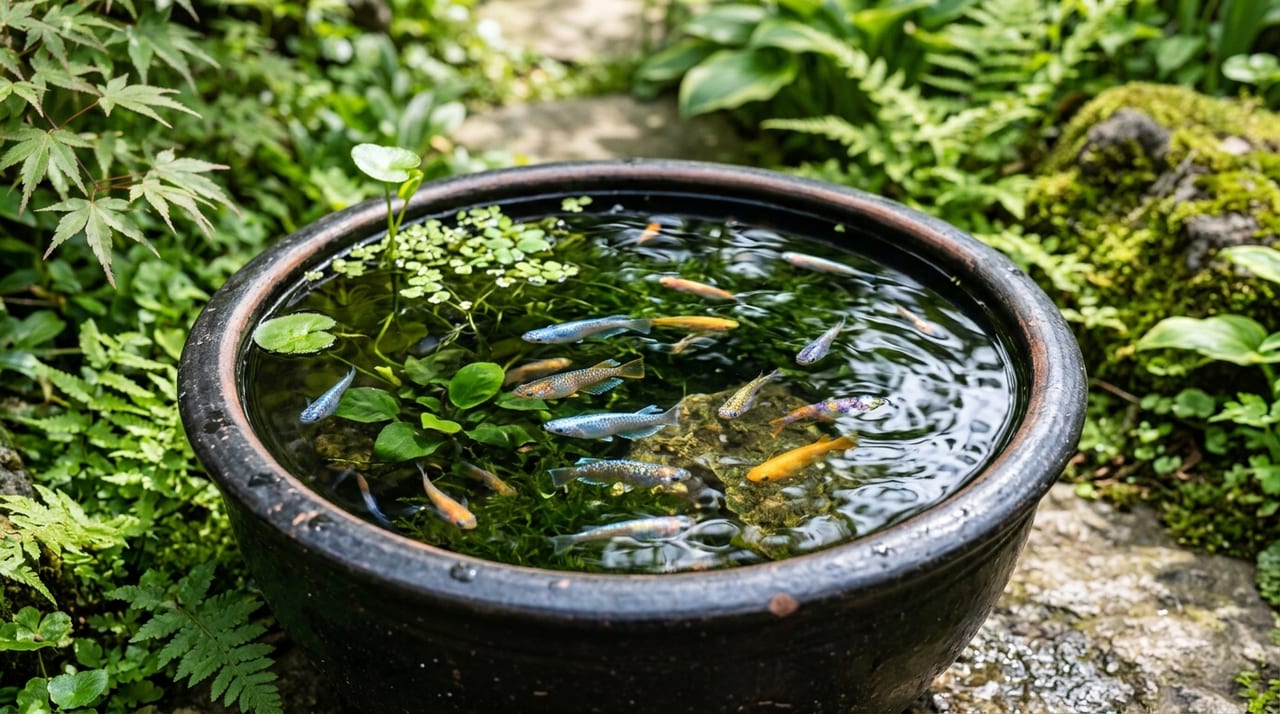
Most Medaka Diseases Begin with Environmental Deterioration
While medaka are known as hardy fish, stress from water quality deterioration, overcrowding, and sudden temperature fluctuations significantly weakens their immunity and triggers various diseases. Beginners often fall into the trap of thinking "we'll treat it once the disease appears," but once many diseases progress, treatment becomes difficult and can lead to total die-offs.
Behind situations like "medaka dying suddenly" or "weakening one after another," environmental factors are usually present before the disease itself. Rising ammonia levels, declining dissolved oxygen, sudden temperature fluctuations—when these environmental stresses accumulate, even medaka that appear healthy can suddenly decline. This article explains in detail the key points of environmental management to prevent disease beforehand and observation tips for early detection of changes.
---
The Foundation of Disease Prevention: Thorough Water Quality Management
Water quality management is the foundation of medaka keeping. Water with accumulated ammonia, nitrite, and nitrate is a state of chemical toxicity for fish, even if invisible.
Frequency and Method of Regular Water Changes
The basic rule is to change 20–30% of the water 1–2 times per week. If overcrowding, high temperature, or overfeeding persists, increase the frequency. When changing water, always follow these three points.
- Use a dechlorinator (chlorine remover) for tap water or let it sit for 24+ hours before use
- Match the temperature of new water to the tank water within ±2°C
- Do not change more than 50% at once (to prevent disruption of bacterial colonies)
Proper Filter Maintenance
Sponge filters and substrate filters harbor beneficial bacteria that are established and function as a living system. Excessive washing dramatically reduces purification capacity, so filter cleaning should be limited to gently squeezing it in tank water (taken in a bucket). Do not use detergent under any circumstances.
Reviewing Stocking Density
Overcrowding is the leading cause of water quality deterioration. Guidelines: 1 fish per liter in indoor tanks, 0.5–1 fish per liter in outdoor plastic containers or water gardens. When population increases during breeding season, consider adding more containers or finding homes for surplus individuals through Bri-choku.
---
Water Temperature and Light Environment Management
Sudden Temperature Changes Weaken Medaka
The ideal temperature range for medaka is 15–28°C. If temperature fluctuations of 3–5°C or more persist daily, immunity drops significantly and resistance to pathogens declines. These periods require special attention:
- Spring and Fall: Large day-night temperature swings make sudden water temperature fluctuations common in outdoor tanks
- Summer: Temperatures above 30°C cause noticeable oxygen depletion and immune suppression. Use shade cloth or insulation to reduce water temperature rise
- Winter-to-Spring Transition: Sudden temperature drops after warm spells are most dangerous. Medaka emerging from dormancy have low resistance
For outdoor tanks, foam containers excel at insulation and effectively stabilize water temperature. For indoor tanks, use a thermostat-controlled heater to maintain 15–26°C.
Stable Light Cycle
Light environment also affects health management. Irregular lighting disrupts medaka's circadian rhythm and can impair immune function. For indoor tanks, it's advisable to use a timer to maintain a consistent 8–14 hour daily lighting cycle.
---
Quarantine of New Individuals is Essential
Introducing newly purchased individuals directly into the main tank is the greatest risk of introducing disease and parasites from outside. Even when buying from a trusted breeder, pathogens that were dormant can manifest due to stress from differences in water quality or temperature.
Quarantine Procedure
- Isolate in a separate container (10–20L) for 1–2 weeks
- Observe daily: swimming behavior, appetite, body surface, and fin condition
- Check for white spots, cotton-like growths, wounds, or body shape abnormalities
- Transfer to the main tank only if all observation items show no abnormalities
Even if symptoms appear during quarantine, early isolated treatment keeps damage minimal. Be especially thorough with quarantine if keeping multiple varieties together.
---
Daily Observation: Early Detection is Key to Treatment Success
Early disease stages are hard to spot visually, but daily observation habits enable early detection.
Checking Swimming Behavior
- Staying at the bottom or hovering near the surface → Sign of poor health or oxygen depletion
- Body tilted or swimming unsteadily → Possible swim bladder disorder
- Separating from the group to act alone → Common behavior in early stages of infection
Observing Body Surface and Fins
| Symptom | Suspected Disease |
|---|
| White dots scattered across the body | White spot disease (Ichthyophthirius) |
| Cotton-like white clumps attached | Water mold disease |
| Scales raised on end | Dropsy/Pinecone disease (Aeromonas infection) |
| Fins deteriorating or tearing | Fin rot disease (Columnaris) |
| Rapid gill movement | Gill disease (parasites/bacteria) |
Feeding-Time Confirmation
Response speed and appetite when food is offered are indicators of health. Healthy individuals quickly gather and eat. If you find individuals that respond slowly or don't eat, isolate them immediately in a separate container for observation.
---
Main Disease Prevention Strategies and Salt Bath Application
| Disease | Main Cause | Effective Prevention |
|---|
| White spot disease | Temperature fluctuation/parasites | Stable water temperature/quarantine of new fish |
| Water mold disease | Wounds/water quality decline/low temperature | Increased water change frequency/avoid wounding |
| Dropsy/Pinecone disease | Immune suppression/bacterial infection | Reduce overcrowding/water changes/high-nutrition food |
| Fin rot disease | Water quality decline/bacteria | Increased water change frequency/density management |
| Gill disease | Parasites/bacteria/water quality | Quarantine/regular water changes/salt bath prevention |
Preventive Use of Salt Baths
When early disease symptoms or poor health is suspected, soaking in 0.5% salt water (5g salt per liter) for about a week reduces osmotic adjustment burden and enhances natural healing. Remember this as a first treatment before using medications. Continue daily observation during salt treatment, and if symptoms worsen, promptly switch to commercial fish medication treatment (such as Green F Gold).
---
Selecting Healthy Medaka from Bri-choku
No matter how well you set up the tank environment, if the initial individuals are unhealthy, disease risk increases. Through Bri-choku, you can purchase individuals carefully managed in clean breeding environments directly from specialist breeders.
Before purchase, ask questions like "Do you perform quarantine?" and "What are the pH and temperature of your normal breeding water?" to make acclimation after introduction smooth. By bringing home healthy individuals from reliable breeders and practicing the prevention habits introduced in this article daily, you can create an environment to enjoy healthy medaka for years to come.