A comprehensive guide to buying medaka. We introduce the characteristics and price ranges of popular breeds, the benefits of purchasing from breeders, water temperature management during shipping, and acclimation procedures upon arrival.
Key Takeaways
A comprehensive guide to buying medaka. We introduce the characteristics and price ranges of popular breeds, the benefits of purchasing from breeders, water temperature management during shipping, and acclimation procedures upon arrival.
In recent years, the medaka breeding boom has led to the creation of a surprisingly diverse array of breeds. While medaka are easy to raise, buying them online comes with several important considerations. This guide carefully explains the key points for purchasing medaka, from breed selection and acclimation through to breeding.
✍️
BreederDirect Editorial
The BreederDirect editorial team specializes in care information for animals, covering veterinary care and breeding to deliver beginner-friendly guides.
Find Medaka on BreederDirect
Buy directly from verified breeders
Browse Related Listings
Find Medaka listings related to this article on BreederDirect. Buy directly from verified breeders.
Related Tools
Related Articles
Browse by Category
🪸Coral
🐠Marine Fish
🐟Tropical Fish
🐡Goldfish
🐟Medaka
🦎Reptiles
Share
Popular Breeds: Characteristics and Price Ranges
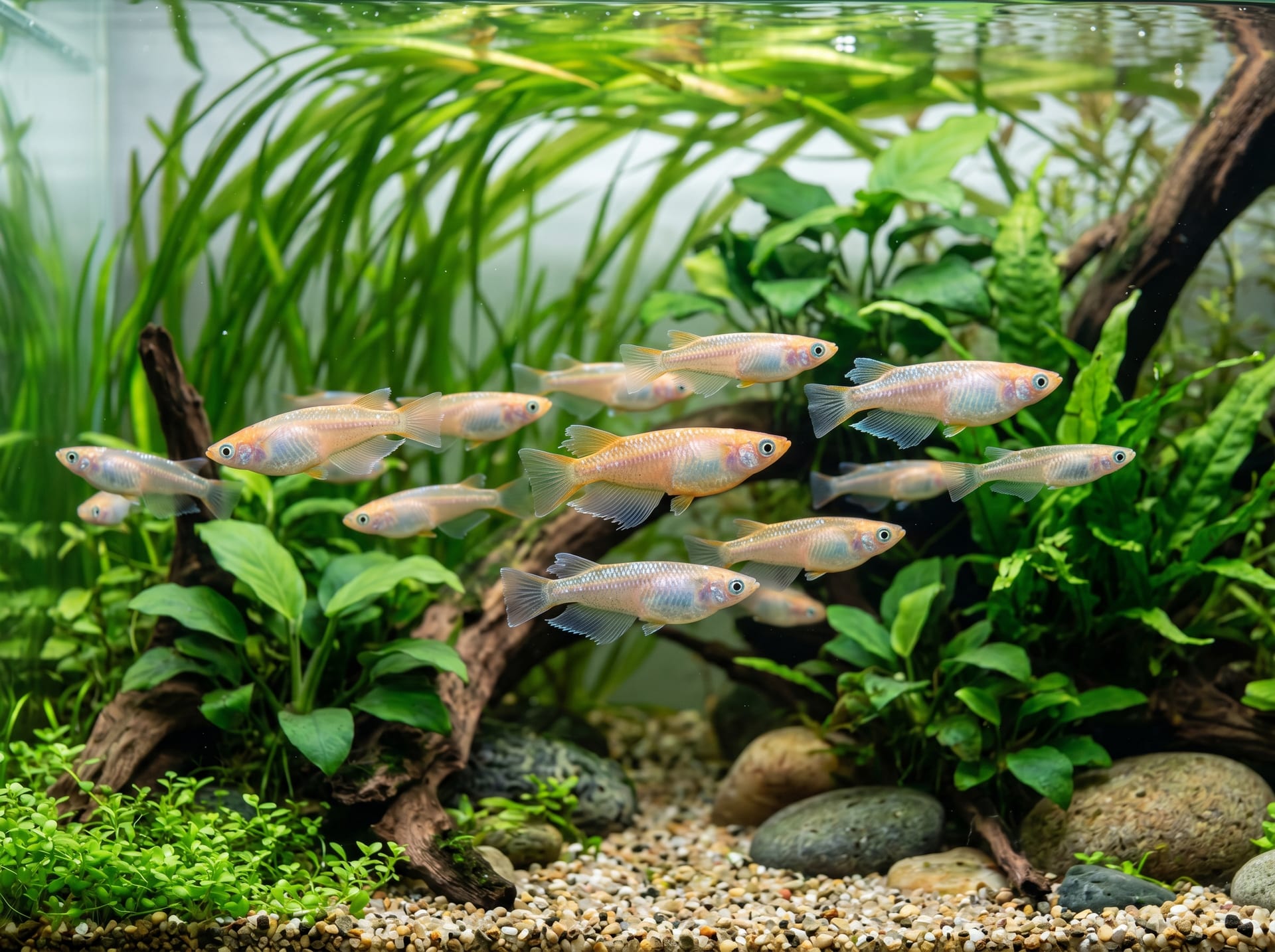
Medaka prices vary widely depending on the rarity of the breed and the quality of individual traits. As of 2026, the pace of breed development has not slowed, with new breeds appearing every season.
Yohkihi: A classic breed with beautiful crimson-red coloring. Around 200–500 yen per fish. Recommended for beginners.
Mikyu: Characterized by a body-wide metallic sheen on the back. Full-body specimens cost 500–2,000 yen per fish.
Tri-color Lame: A vibrant breed with red, white, and black with sparkling patterns. 1,000–5,000 yen per fish. Individual variation is significant.
Sapphire: A popular breed with brilliant blue metallic patterns. 800–3,000 yen per fish.
Black Diamond: Jet-black body with glittering metallic patterns. 1,000–4,000 yen per fish.
Yozakura (Night Cherry): Multi-colored aurora-type metallic patterns. 500–2,000 yen per fish.
Orochi: Characterized by a completely black body color. 300–1,000 yen per fish.
New breeds command high prices immediately after introduction, but prices tend to stabilize as supply increases. When targeting rare breeds, it's important to build a trusting relationship with a breeder.
Benefits of Purchasing from Breeders
Purchasing medaka directly from a breeder offers numerous benefits. The information and peace of mind you cannot get from pet shops or mass retailers are the greatest advantages of buying directly from breeders.
Clear lineage: You know which parents produced the fish and what generation it is, allowing you to assess trait stability.
Information about breeding water: You can learn water quality and pH conditions in advance, allowing you to anticipate differences from your home setup.
Breeding advice: You can directly ask for guidance on selecting breeding stock and breeding strategies.
Bulk purchase discussions: You can arrange set purchases for breeding, such as pairs or trios (one male and two females).
At BreederDirect, a direct breeder marketplace, you can confirm details via messaging before purchase, so even beginners can buy with confidence.
Water Temperature Management During Shipping
The most critical factor in buying medaka online is managing water temperature during shipping. Proper packing methods vary by season, so confirm this with the breeder before purchasing.
Ideal temperature is 18–28°C: Temperatures outside this range can easily cause stress.
Summer precautions: Transport in temperatures exceeding 30°C is dangerous. Confirm that cold packs and cool shipping will be used.
Winter precautions: Below 10°C, activity slows and sudden temperature changes can be fatal. Hand warmers must be included.
Confirm delivery date: Specify a date when you'll be home to avoid delays.
Choose morning delivery: Morning delivery minimizes shipping time, especially in summer and winter.
When medaka arrive, follow these steps carefully. Taking your time increases the survival rate.
Check arrival and photograph: Open the package immediately and verify the fish's condition, taking photos for documentation.
Temperature acclimation: Float the bag in the tank for 20–30 minutes.
Water acclimation: Transfer the bag's water to a cup and gradually add tank water. Add tank water every 10 minutes over 30–40 minutes.
Transfer fish only: Use a net to move the medaka to the tank. Do not add the bag's water.
Skip feeding on day one: Start with small amounts the next day, increasing to normal portions by day three.
Key point: Observe carefully twice daily (morning and evening) for the first week after acclimation. Early treatment is possible if issues arise. Refer to basics of quarantine and isolation and ideally keep new medaka separate from existing tanks.
Purchasing Tips for Future Breeding
One of the joys of medaka keeping is breeding. Here are the key purchasing points to consider for future breeding.
Buy trios instead of pairs: One male and two females is the most efficient for breeding.
Select young individuals: Fish 3–6 months old have the strongest reproductive capability.
Secure lineages from different breeders: Obtain individuals from separate lines to prevent inbreeding.
Confirm parent phenotypes: For multi-colored breeds like tri-color lame, parent appearance affects offspring, so review photos of parent fish.
Best purchasing time is spring: Introducing fish in April–May allows them to enter breeding season that summer.
Breeders have the most detailed information about breed phenotypes and genetics. Ask thorough questions before purchasing to plan your breeding strategy.
Pre-Purchase Checklist Summary
When purchasing goldfish, confirm the following points.
Checklist Item
Good Condition
Avoid
Swimming
Active and stable
Floating, sinking, or tilted
Body surface
Shiny and clean
White spots, redness, or cotton-like growths
Fins
Firm and erect
Tears, rot, or redness
Gills
Moving equally on both sides
Only one side moving, rapid breathing
Appetite
Responds to food
Uninterested, won't eat
Also check the overall condition of the seller's tank. Fish from tanks with turbid water or dead fish may already be infected with disease.
At BreederDirect, carefully selected medaka from specialized breeders across the country are listed for sale. You can easily search by breed and check breeder reviews. The messaging feature lets you directly consult about lineage information and breeding advice. Since payment timing is agreed upon in advance, trading is secure, and you can confirm terms for dead-on-arrival replacements before purchase. If you're considering buying medaka, please use BreederDirect.