Differences Between Wild Medaka and Improved Medaka | Genetic Diversity and Conservation Perspectives
Explores the differences between wild medaka and improved medaka from genetic and ecological perspectives, including the classification of Northern and Southern medaka, the issues with releasing captive-bred fish, and how conservation and keeping can coexist.
Key Takeaways
Explores the differences between wild medaka and improved medaka from genetic and ecological perspectives, including the classification of Northern and Southern medaka, the issues with releasing captive-bred fish, and how conservation and keeping can coexist.
Related Species
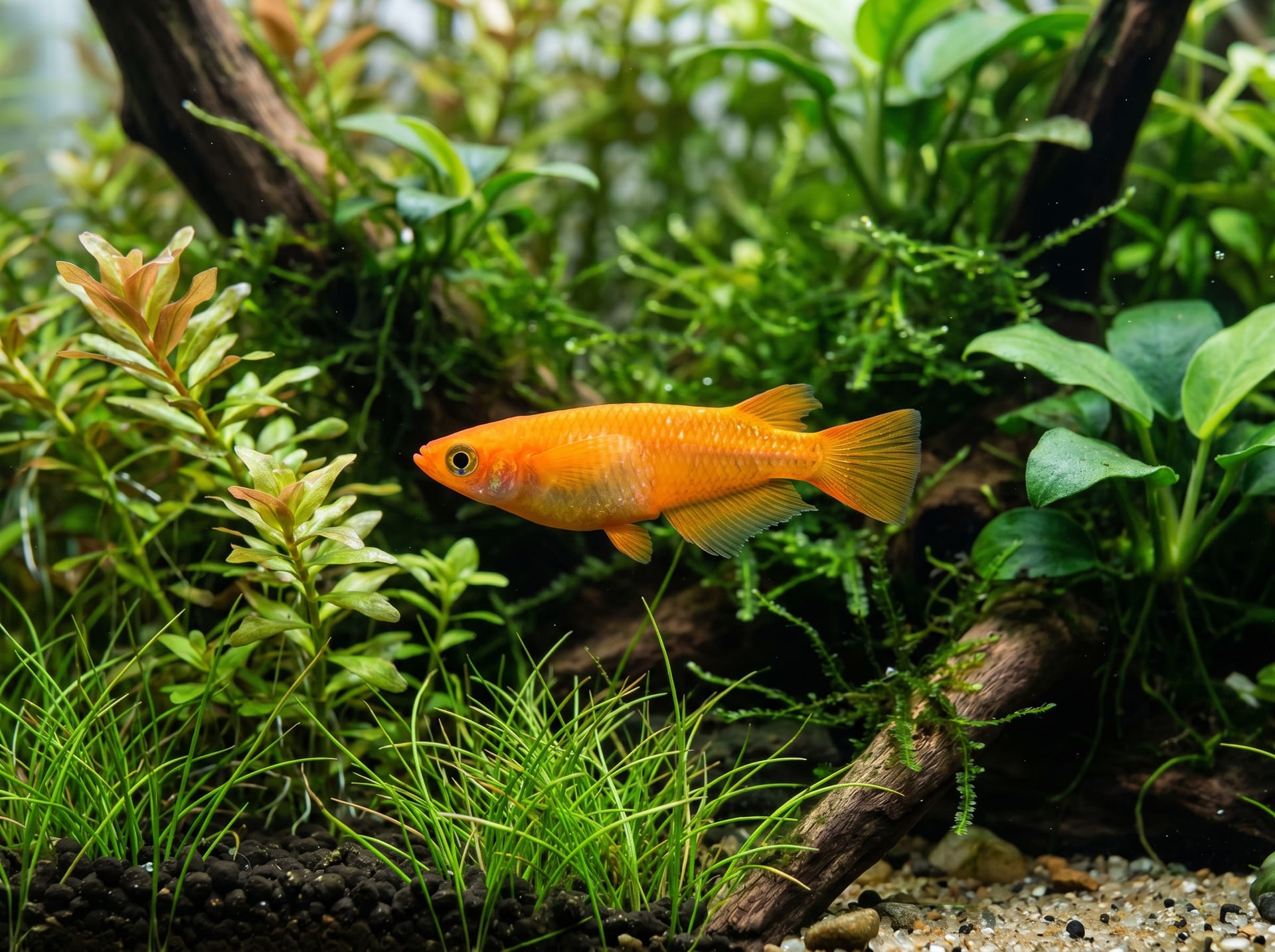
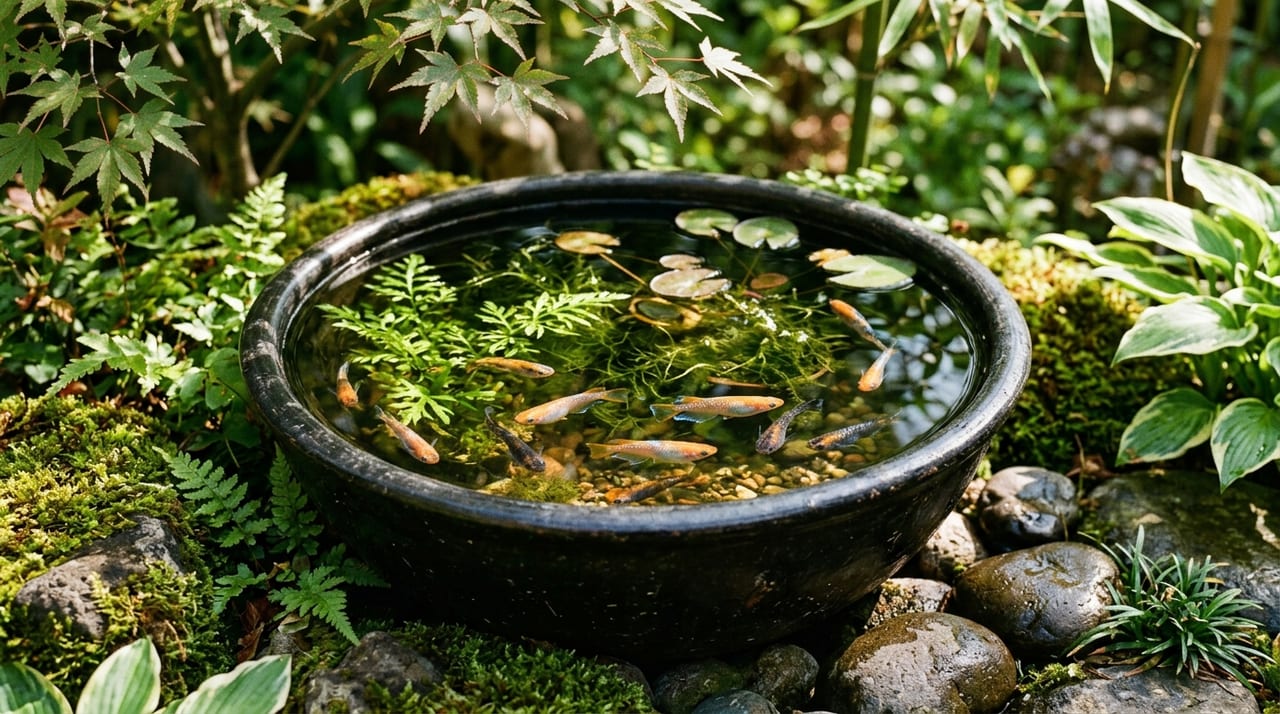
Medaka are a representative Japanese freshwater fish, yet they are designated as a threatened species (Endangered II category) on the Ministry of the Environment's Red List. Meanwhile, improved medaka have enjoyed explosive popularity as pets, with millions of fish traded annually. Between these two types of "medaka" there are significant genetic and ecological differences. As a medaka keeper, correctly understanding the current state of wild medaka and their relationship with improved medaka leads to responsible care and contributions to conservation efforts.
Classification of Wild Medaka and Genetic Diversity
Medaka in Japan were once classified as a single species (Oryzias latipes), but research in 2011 classified them into two species: Northern medaka (Oryzias sakaizumii) and Southern medaka (Oryzias latipes). Northern medaka are distributed from northeastern Japan on the Sea of Japan side through the Hokuriku and Sanin regions, while Southern medaka are found throughout the rest of Honshu, Shikoku, and Kyushu. Moreover, each region's population has acquired its own genetic characteristics over many years, and even within the same Southern medaka species, the gene composition differs between populations from the Kanto region and those from Kyushu. This regional genetic diversity is called "local populations," and their conservation is considered important. The body color of wild medaka is basically grayish-brown (wild coloration) with darker coloring on the back and lighter coloring on the belly—a protective coloration to guard against natural predators. This is the result of evolution to defend against predators, and stands in striking contrast to the bright body colors of improved medaka.
History of Improved Medaka and Genetic Changes
The history of improved medaka goes back to the Edo period, with the Himmedaka (yellow variety) considered the first variety. From the 2000s onward, breeding improvements progressed rapidly, creating hundreds of varieties. Representative varieties are as follows:
- Youkihi (red)
- Mikimoto (body light)
- Tricolor (red, white, black)
- Lamé (reflective scales)
Improved medaka are created by selecting and crossing mutant individuals from wild medaka and then fixing these traits; while originally the same species, artificial selection pressure has strengthened traits that would be disadvantageous in the wild (bright coloration, unusual body shapes, slower swimming speeds, etc.). Many improved medaka carry genes from interbreeding multiple regional populations, and have undergone repeated inbreeding, resulting in a marked decrease in genetic diversity. While this is a necessary process for establishing a variety, it represents the opposite state to the genetic health of wild populations. When improved medaka are released into wild environments, they interbreed with wild populations, causing disruption of region-specific genes—a phenomenon called "genetic contamination" (genetic disturbance). For those wanting to learn more in detail about the genetic mechanisms of each variety, see Medaka Body Color Genetics Guide as well.
Release Issues and Legal and Ethical Questions
Releasing improved medaka (intentional or unintentional release into natural environments) is a serious threat to wild medaka conservation. When improved medaka interbreed with wild medaka, the genetic traits that regional populations have adapted to over many years are lost. This is called "genetic contamination" (genetic disturbance), and once it occurs, it is practically impossible to reverse. In fact, cases of improved medaka being found in the wild have been reported from various places across the country, and instances of brightly colored orange medaka like Youkihi being discovered in natural waterways are increasing. While medaka release is sometimes performed with "good intentions," medaka should not be released into the wild, as they can affect the local gene pool even if they are a native species. Medaka you can no longer care for should be given to fellow enthusiasts or you should consult with a pet shop. Legally, they are not directly regulated under the Invasive Species Act, though some municipalities prohibit release through local ordinances.
Wild Medaka Conservation Activities and the Role of Keepers
The main causes of wild medaka decline are habitat loss (decrease in rice paddies, concrete covering of waterways), invasive species (bluegill, mosquitofish), agricultural chemical effects, and interbreeding with improved medaka. Conservation activities are being conducted in various places, and efforts by local elementary schools and nature conservation groups to conserve and breed local wild medaka are expanding. As a medaka keeper, there are several ways to contribute to conservation.
- Never release improved medaka into natural environments under any circumstances
- Do not dispose of aquaculture water directly into rivers or waterways (aquaculture water may contain improved medaka eggs or microorganisms)
- Participate in local conservation activities (medaka enthusiasts with breeding skills can greatly contribute to wild medaka conservation and breeding)
- Visit the habitats of wild medaka and learn about their environments (knowing the environments where medaka live is knowledge useful for both keeping and conservation)
Enjoying Improved Medaka Keeping Responsibly
Improved medaka keeping and wild medaka conservation are not contradictory. The key to balancing both is for each keeper to practice responsible care. Dispose of improved medaka aquaculture water in the garden or sewer, making sure not to let it flow into natural water systems. For medaka that have increased in numbers, address the situation through transferring to acquaintances or recruiting adopters via social media, and absolutely avoid releasing them into natural environments. Obtaining medaka through purchase from trustworthy breeders and shops also indirectly prevents overharvesting of wild individuals. For those interested in breeding, reviewing the process from egg collection to fry rearing in Medaka Breeding Guide is useful for the planned management of medaka that have increased in numbers. The diverse varieties of improved medaka are the crystallization of Japanese hobbyist culture, and enjoying their appeal is a wonderful hobby. At the same time, to preserve for the future the image of countless wild medaka swimming in Japan's rice paddies, it is important that each person maintains awareness.
Responsible Acquisition at BreederDirect
Purchasing medaka from a breeder is the most reliable way to obtain them. At BreederDirect, you can purchase medaka with clear genetic backgrounds directly from breeders and consult about keeping environments and management methods. Obtaining individuals that breeders have planned to breed, rather than collecting from wild environments, is the first step to responsible care. See Medaka Buying Guide for how to find purchasing sources, and for those wanting to give away medaka that have increased in numbers, Medaka Sales and Listing Startup Guide as well.