Medaka Body Color Genetics Guide | Basics of Crossbreeding and Breed Fixing
Explaining the mechanism of medaka body color genetics and the basics of crossbreeding. From understanding dominant and recessive inheritance to methods of breed fixing and creation patterns for popular varieties.
Key Takeaways
Explaining the mechanism of medaka body color genetics and the basics of crossbreeding. From understanding dominant and recessive inheritance to methods of breed fixing and creation patterns for popular varieties.
Related Species
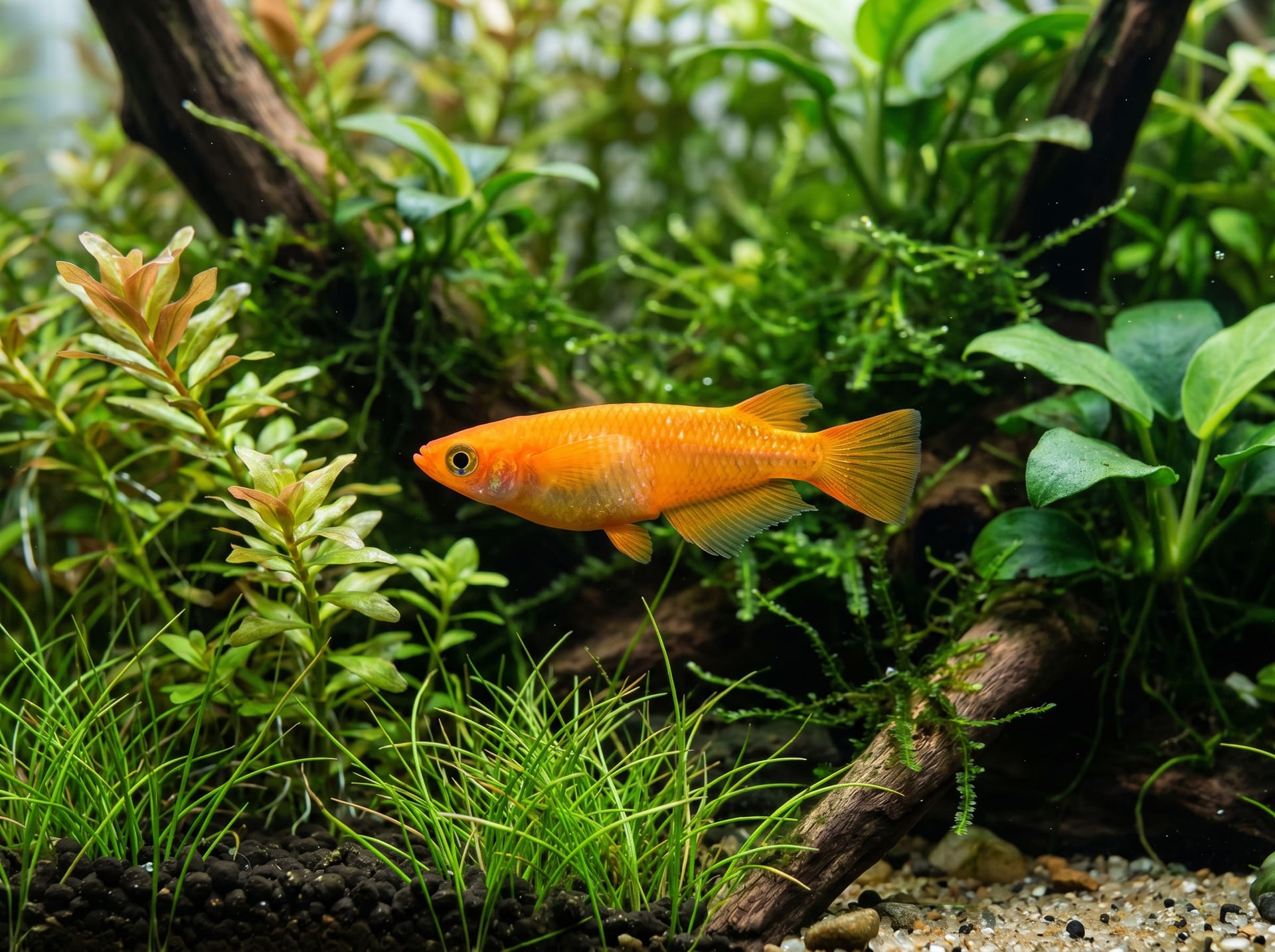
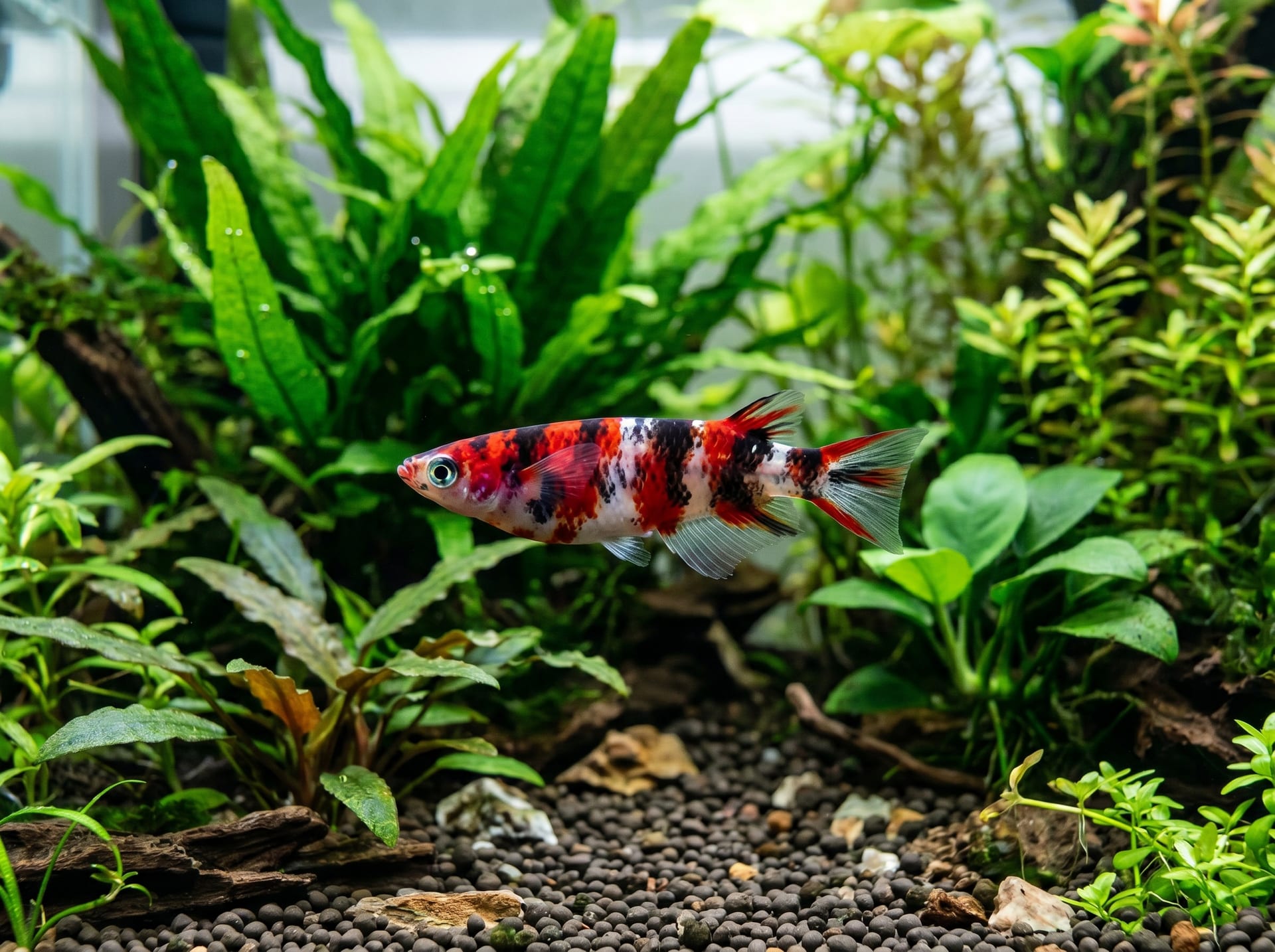
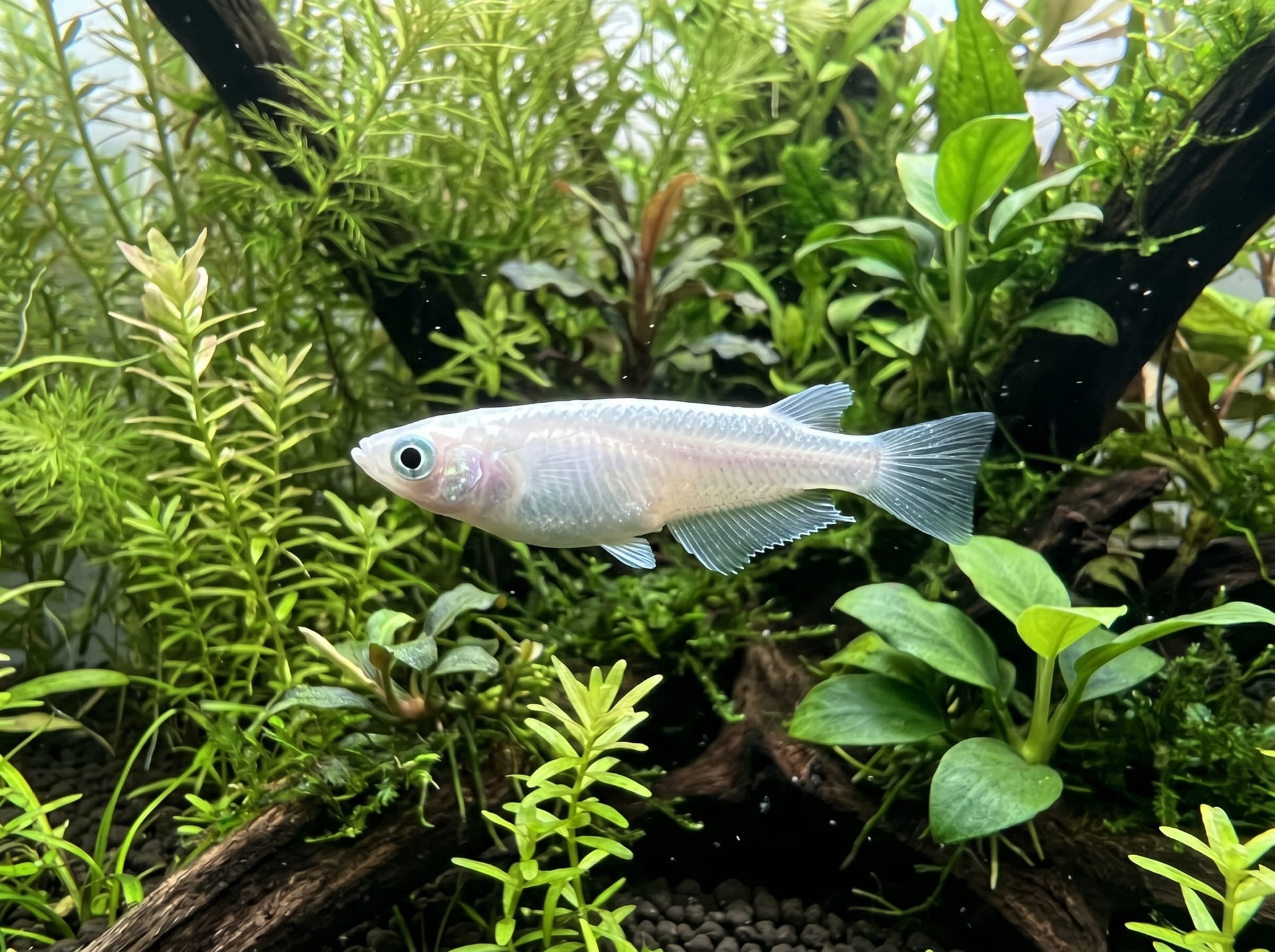
Medaka breeding improvements undergo a dramatic shift from "accidental products" to "deliberate creation" when you understand the mechanisms of genetics. In recent years, diverse varieties such as Youkihi, Karino, Tricolor, and Lame have been developed, with breeders actively announcing new breeds. This article provides a systematic explanation from the fundamentals of body color genetics to practical examples of crossbreeding and procedures for breed fixing. Whether you're just starting to keep medaka or seriously pursuing selective breeding, please refer to this guide.
The Four Types of Pigment Cells That Determine Medaka Body Color
Medaka's beautiful body color is determined by the combination of types, quantities, and distribution of four types of pigment cells (chromatophores) present in the skin. Correctly understanding the characteristics of each is the first step in deciphering genetics.
- Melanophore (Black Pigment Cell): Cells containing melanin pigment ranging from black to brown. They form the basic body color of wild-type medaka. When these cells are reduced in number, the color becomes orange-toned like Himedaka.
- Xanthophore (Yellow Pigment Cell): Cells containing pigment ranging from yellow to vermillion red. Youkihi's vibrant red color is produced by enhancement of these cells. When absent, the result is a white medaka.
- Iridophore (Iridescent Pigment Cell): Cells containing guanine crystals that reflect light. They contribute to the body-line iridescence (Karino) and the shimmer of Lame varieties. The way they are distributed greatly affects how the shine appears.
- Leucophore (White Pigment Cell): Cells containing white pigment. They are believed to contribute to white medaka and the white areas of Tricolor varieties.
Breed improvement can be defined as genetically manipulating the function of these cells to stably express intended body color, luster, and patterns.
Basics of Dominant and Recessive Inheritance and How to Interpret Crossbreeding
The concepts of dominant and recessive inheritance are fundamental to understanding genetics. When two alleles exist at the same locus, if one is dominant, it will be reflected in the appearance (phenotype), while the recessive allele remains in a "hidden state."
Example: Wild-type × Himedaka
The body color of Himedaka (reduced melanophores) is recessively inherited relative to the wild type.
- Parental Generation: Wild-type (BB) × Himedaka (bb)
- F1 Generation: All Bb (appearance is wild-type but carries Himedaka genes)
- F1 × F1 Cross → F2 Generation: Wild-type 75%, Himedaka 25% (theoretical ratio)
Many people feel surprised when Himedaka "suddenly" appear in the F2 generation, but this is because the F1 generation carried the genes. Since recessive traits are inherited across generations while remaining hidden, keeping detailed lineage records becomes extremely important.
Note on Polygenic Inheritance Traits
The intensity of Youkihi's vermillion red and the length of Karino's body-line iridescence involve polygenic inheritance with multiple genes. These cannot be predicted by simple Mendelian ratios; traits are strengthened through repeated selective breeding. This is why "even when crossing two excellent individuals, not all offspring will be identical to the parents."
Practical Breeding Patterns by Popular Variety
Creating Tricolor Medaka
Tricolor (a variety with red, white, and black colors on the body) is a high-difficulty variety to create because multiple traits are intertwined.
- The basic approach is to typically cross vermillion-red strains × white medaka strains and select for tricolor individuals from the F2 generation onward
- In the F2 generation, color variation is large and the proportion showing the desired tricolor pattern is low
- Carefully select individuals with ideal red, white, and black balance, then continue across generations to increase pattern stability
Strengthening Lame Varieties
Lame refers to lustrous scales derived from iridophores, and the quantity, size, and color of Lame varies by variety.
- The basic approach is to selectively breed individuals with abundant Lame
- With each generation, the average quantity of Lame increases
- Since water temperature and rearing environment also affect Lame expression, comparing individuals raised under identical conditions is key to improving accuracy
Enhancing Karino's Body-Line Iridescence
The light running along Karino's back (body-line iridescence) is most valued in full-body specimens (where light extends to the head).
- Selective breeding between full-body individuals is fundamental to enhancing body-line iridescence
- Managing the fry stage at 28-30°C elevated temperature tends to promote extended body-line iridescence
- However, elevated temperature can cause premature maturation, so remember to check body shape and build as well
Steps and Precautions for Breed Fixing
"Breed fixing" — stably expressing the intended traits — is the culmination of breed improvement. Use the following steps as a guide.
- Selection: Choose multiple males and females that best express the intended traits (body color, body shape, luster, etc.)
- Breeding: Cross the selected individuals together. Ideally conduct with multiple pairs to maintain genetic diversity
- Generation Renewal: From the offspring generation, again select superior individuals and breed them similarly
- Repetition: Continue selective breeding for at least 3-5 generations
- Fixation Complete Indicator: When 80% or more of offspring stably display the intended traits, fixation is considered complete
Addressing Inbreeding Depression
Repeated selective breeding brings bloodlines closer together, which can sometimes cause weakening (inbreeding depression) such as reduced immunity, increased deformities, and decreased reproductive capacity. To prevent this, it is important to periodically introduce the same variety from different bloodlines to maintain genetic diversity.
Improving Genetic Analysis Accuracy Through Record Management
Breed improvement is a long-term project spanning multiple generations. Without records, you cannot track "which crosses produced superior individuals."
- Breeding Record Notebook: Record parental variety, characteristics, breeding date, spawn count, survival rate, etc.
- Container Labeling: Always mark variety name, generation number, and breeding date. This prevents confusion when running multiple lines simultaneously
- Photo and Video Records: Regularly photograph color changes from fry to adult stage. For Lame and body-line iridescence, video makes it easier to confirm luster
- Management of Non-selected Individuals: Manage off-type individuals in separate containers; they may be useful for future crosses
By maintaining records, data accumulates about "which parental combinations produce superior individuals at high rates," and the accuracy of breed improvement increases year after year.
Summary | Finding Foundation Stock with Clear Lineage on BreederDirect
Understanding medaka body color genetics begins with grasping the four types of pigment cells and the basics of dominant and recessive inheritance. Popular varieties like Tricolor, Lame, and Karino differ in genetic complexity, but the essence is the same: repeated selection, breeding, and record-keeping. The true satisfaction of medaka improvement lies in the process of patiently advancing generations and pursuing the ideal specimen.
Obtaining foundation stock with clear lineage at the selection stage greatly influences the success rate of breed fixing. BreederDirect allows you to directly purchase high-quality medaka carefully raised by breeders serious about breed improvement. Since you can ask breeders directly about lineage information and rearing conditions, even first-time foundation stock seekers can trade with confidence. Please search for your ideal foundation stock candidates in the Medaka category.