Medaka Breed Fixation: Fundamentals of Genetics and Selective Breeding Points
This article explains the fundamental genetics knowledge needed for medaka breed fixation, the key points of selective breeding, and management methods for F1–F3 generations.
Key Takeaways
This article explains the fundamental genetics knowledge needed for medaka breed fixation, the key points of selective breeding, and management methods for F1–F3 generations.
Related Species
Medaka breed improvement can be pursued more methodically by understanding the mechanisms of heredity. The goal of breed fixation is to "stably produce offspring with the same characteristics as the parents." This article explains the fundamentals of medaka genetics and the selection methods for achieving breed fixation.
The Basics of Medaka Genetics
Medaka body color and traits are determined by combinations of multiple genes. The basic laws of heredity follow Mendelian inheritance as learned in school.
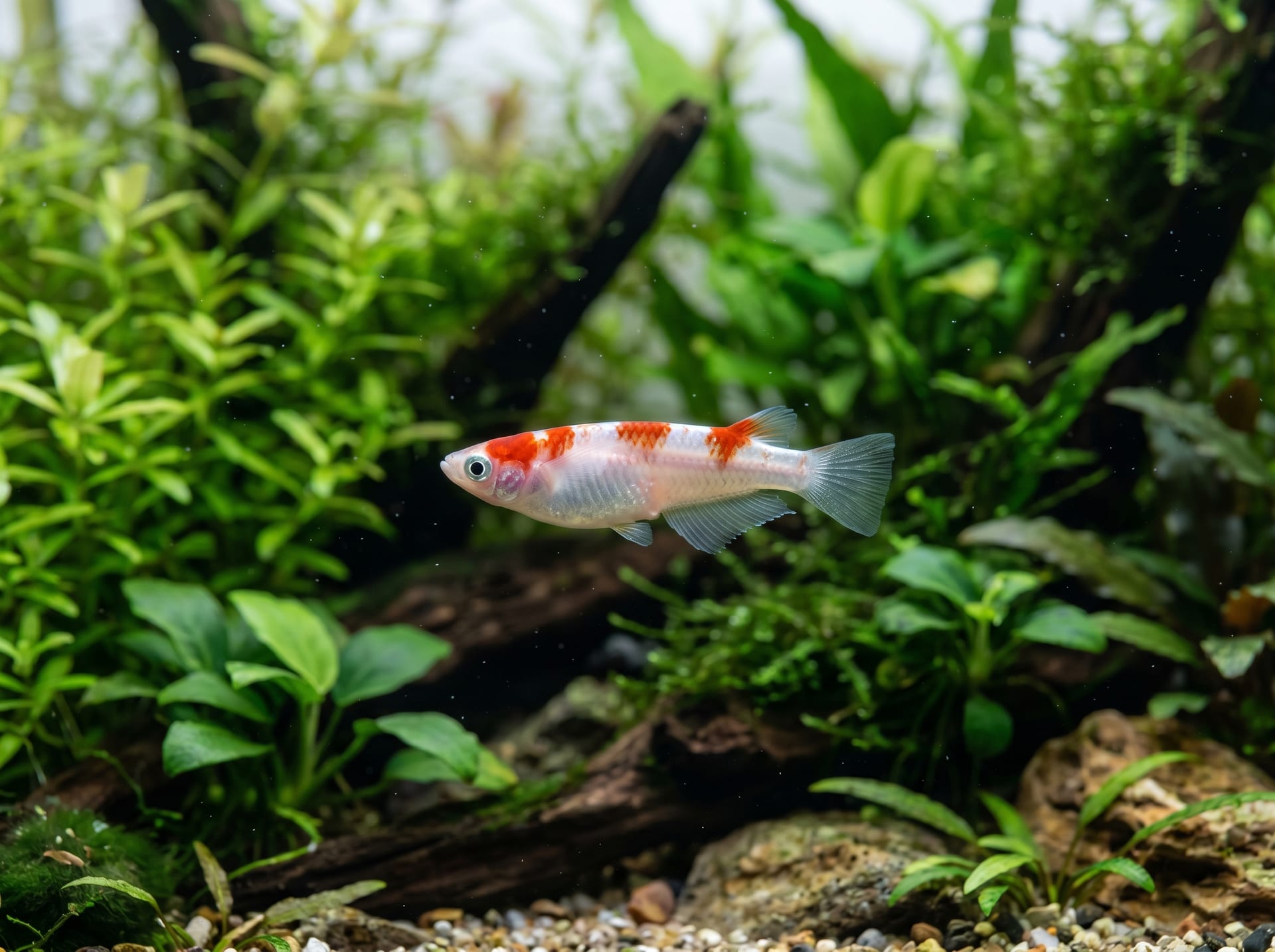
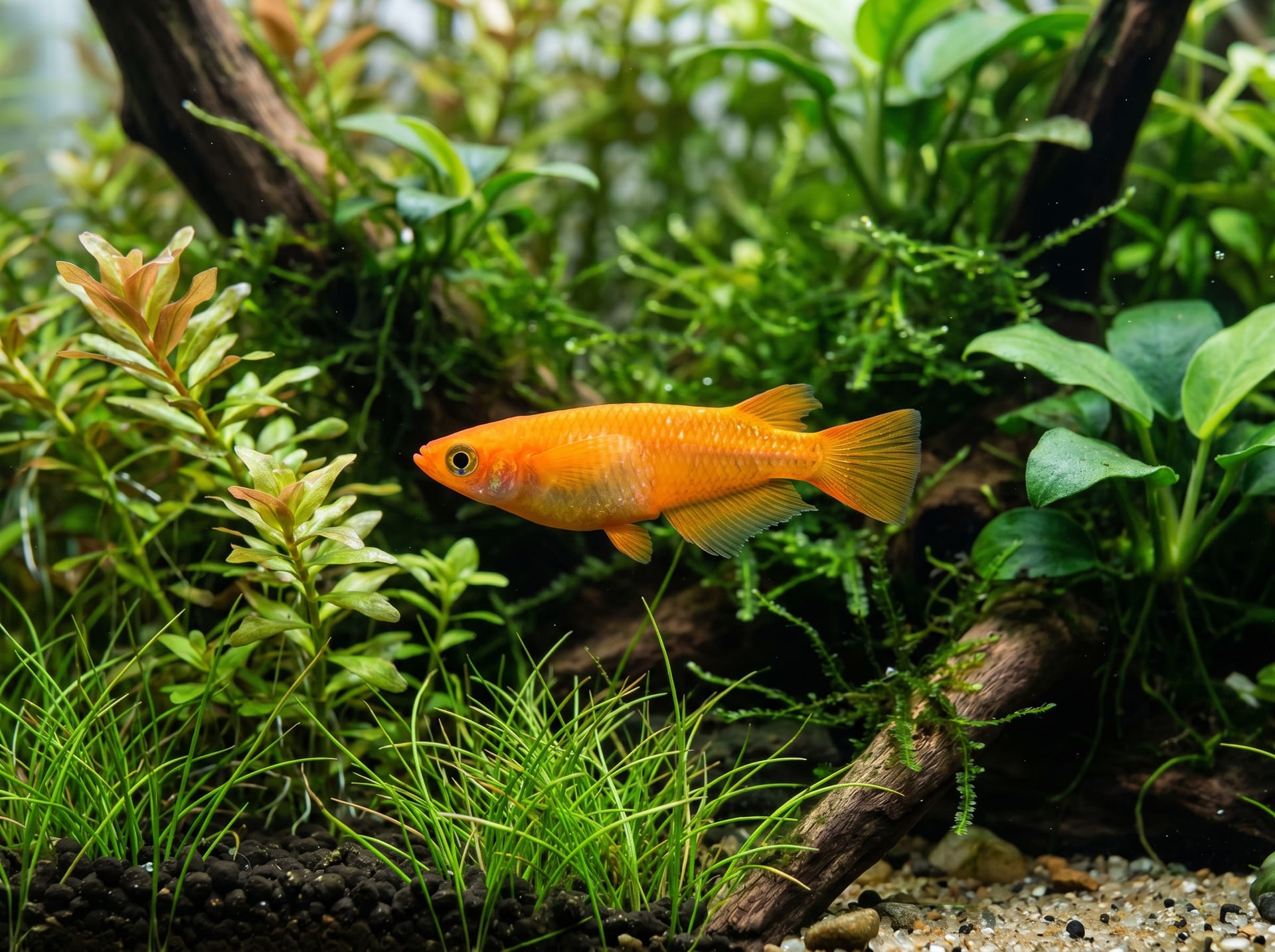
Dominant and Recessive Traits: For a single trait, an organism carries two genes (alleles), and if at least one dominant gene is present, the dominant trait appears. Recessive traits appear only when the organism is homozygous (carrying two copies of the recessive gene). For example, in genes controlling black pigmentation in medaka, the wild-type form (b+) is dominant, while the form that produces the orange color of Himeda (b) is recessive. Heterozygous individuals with b+b appear wild-type in appearance but carry the recessive b allele hidden.
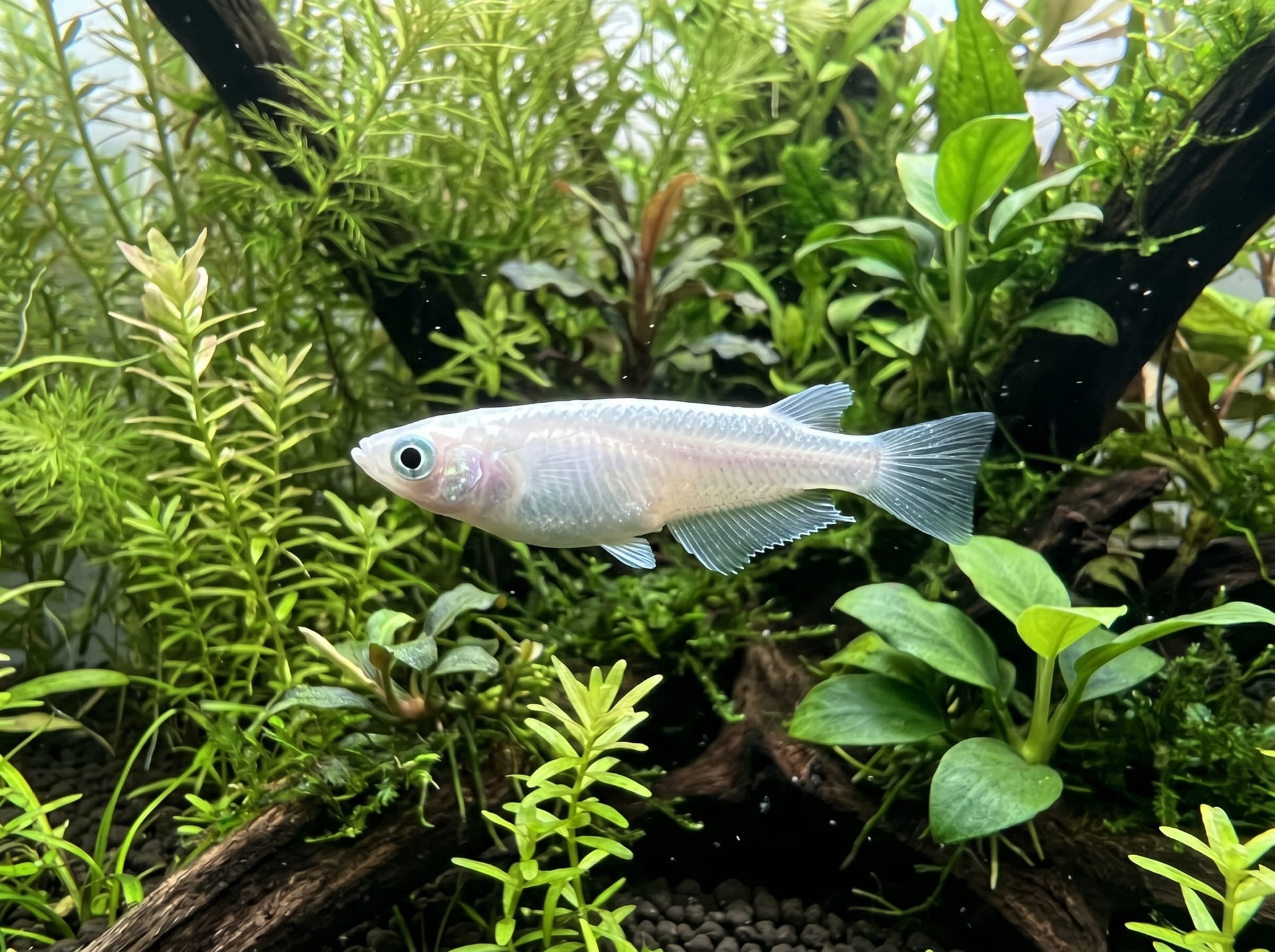
Combinations of Multiple Genes: Medaka body color involves not just one gene but multiple genes controlling black pigment, yellow pigment, iridophores, and other factors. The combinations of these genes produce diverse body colors such as white medaka, blue medaka, and amber medaka.
Genotype and Phenotype: Even individuals that look identical (same phenotype) may have different gene combinations (different genotypes). Individuals showing dominant traits exist in two forms: those homozygous for the dominant allele and those heterozygous with both dominant and recessive alleles, and these cannot be distinguished by appearance alone.
Law of Independent Assortment: The basic principle is that multiple genes determining body color are passed on to offspring independently of each other. Therefore, even when one trait is fixed, variation may still remain in other traits. When wishing to fix multiple traits simultaneously, selection must proceed with consideration of the combinations of each gene.
What Is Breed Fixation?
Breed fixation is the process of continuously crossing individuals with specific traits so that most of their offspring stably express that trait. It can also be described as work to increase the proportion of individuals that are homozygous (carrying two copies of the same gene).
✍️
BreederDirect Editorial
The BreederDirect editorial team specializes in care information for animals, covering veterinary care and breeding to deliver beginner-friendly guides.
Find Medaka on BreederDirect
Buy directly from verified breeders
Browse Related Listings
Find Medaka listings related to this article on BreederDirect. Buy directly from verified breeders.
In the first F1 generation, there is a high likelihood that recessive genes remain hidden, so sibling crosses (crossing siblings from the same parents) are repeated over multiple generations. By the F3 generation and beyond, the proportion of individuals in which the target trait is fixed in homozygous form increases, and a more stable breed is completed.
On the other hand, caution is necessary regarding the fact that repeated crosses between closely related individuals tend to reduce genetic diversity. The process of fixing a specific trait has the aspect of unintentionally homogenizing other genes as well.
Risks and Countermeasures for Inbreeding
When inbreeding is repeated, the target trait becomes easier to fix; however, a phenomenon called "inbreeding depression" may occur, in which individual vigor and reproductive ability decline. If signs such as decreased hatch rates of fry or increased malformations are observed, this can be understood as a sign that the line is under some stress.
To minimize these risks, many improved medaka producers have adopted "outcrossing" (crosses between separate lines), occasionally breeding individuals of different lines that share the same trait. This allows genetic diversity to be supplemented while maintaining the visible trait, making it easier to sustain a robust and highly reproductive line. Maintaining the line across multiple parallel branches also provides the advantage of being able to cover for problems in one line with another line.
Do Not Neglect Observation: Continuously observe fry survival rates, body size when reaching adulthood, and changes in swimming ability, checking for any signs of inbreeding depression.
Do Not Rush Fixation: Do not demand results in a single generation; if problems with vigor arise, it is necessary to slow the pace of selection and sometimes make the decision to rebuild the line.
Key Points for Efficient Selection
Selection involves both "choosing" and "not choosing." By using superior individuals with clear traits as parents and excluding highly variable individuals from breeding, the target trait can be fixed more reliably. It is important to rear dozens to hundreds of individuals in each generation and confirm that the statistical segregation ratio matches the expected value.
Through record management, understanding the parent-offspring and sibling relationships of each individual enables more efficient selection. Dividing rearing containers by line and clearly establishing generations and pedigrees is the key to successful breed fixation. Continuous effort over multiple generations brings quality improvement.
Common Pitfalls in Selection
Judging by Appearance Alone: If selection is based only on color or pattern, weak individuals may be chosen. It is important to make a holistic assessment that includes health condition and swimming behavior.
Failure to Keep Records: If breeding combinations are not recorded, this can lead to unintended excessive inbreeding or mixing of lines.
Inconsistent Selection Criteria: Changing the selection criteria from generation to generation requires additional generations for traits to stabilize. It is desirable to keep criteria as consistent as possible.
Practical Example of Breed Fixation
For example, if you wish to fix a white medaka breed, select white individuals and cross them together.
In the first generation, the breed is still genetically unstable, and wild-type individuals sometimes appear from white parents.
By excluding individuals with different traits from breeding and advancing generations, a stable line can be created in which nearly all offspring are white.
Even after fixation progresses, check individuals within the line every few generations and continue to confirm that no atavistic reversions (individuals resembling the wild type) have appeared.
Establishing a Proper Rearing Environment
A stable rearing environment is essential for successful breed fixation. Maintain temperature at 25–26°C and pay attention to regular water quality management and nutritionally balanced feeding. Stabilizing not only water temperature but also the timing of water changes and feeding amounts helps suppress variation in growth and improves selection precision. When rearing containers are divided by line, being careful to maintain consistent management conditions between containers makes it less likely to confuse whether differences between lines are due to genetics or environment.
Continuing Breed Fixation Long-Term
Breed fixation is not completed in one generation. It is good to assume that it is only reliably fixed after 5 to 10 generations. It is important that selection criteria do not waver during the process. Methodical and patient effort leads to the establishment of a stable breed.
When keeping records, it is helpful to maintain notes on breeding partners for each generation, the number of fry produced, and trends in their characteristics, as this aids in reviewing and reconsidering the direction of selection later. Breed fixation is not achieved overnight, but steady observation and accumulation of records form the foundation for building a stable line.