Medaka Crossbreeding Record Guide | Strain Management and Record-Keeping for Selective Breeding
A guide to keeping medaka crossbreeding records. For strain management in selective breeding, it explains how to record the breed names of parent fish and keep photos, how to log crosses at water temperatures of 23–28°C, how to calculate hatch rate, how to build a strain management chart that lays out F1 and F2 side by side, and how to record outcrosses.
Key Takeaways
A guide to keeping medaka crossbreeding records. For strain management in selective breeding, it explains how to record the breed names of parent fish and keep photos, how to log crosses at water temperatures of 23–28°C, how to calculate hatch rate, how to build a strain management chart that lays out F1 and F2 side by side, and how to record outcrosses.
Fundamentals of Crossbreeding Records for Successful Medaka Selective Breeding
Medaka selective breeding cannot be accomplished overnight. To consistently produce varieties with beautiful coloration and unique body shapes, meticulous record-keeping across generations is essential. To graduate from the stage of "just trying random crossbreeding" and steadily increase the fixation rate of your target variety, you need crossbreeding records—a "blueprint." If you want to first understand the genetic principles that form the foundation, reading Medaka Genetics 101 | Genetic Fundamentals for Selective Breeding beforehand will make understanding smoother.
The true pleasure of selective breeding lies in creating your own unique variety. However, the process is long, and as you progress through generations—F1, F2, F3, and so on—it's easy for details to become vague: "Which pair did this individual come from?" and "What selection criteria were applied in which generation?" By keeping records, you can learn from both successes and failures, and apply those lessons to your next breeding plan.
Information to Record About Breeding Stock
The starting point for selective breeding is selecting your breeding stock. Record the following information carefully before crossbreeding.
Basic Information
Variety name and strain name: The precise variety name (such as "Yōkihi" or "Tricolor Metallic Miyuki") and the strain name of its source
Source: Breeder name, purchase location, gift from an acquaintance, etc.
Date acquired: Useful as a reference for rearing history and age
Physical Characteristics
Body color: Overall hue, metallic shine pattern, and marking characteristics
Body shape: Type and degree of body form (Daruma, Hikari, Swallow, etc.)
Fin shape: Special notes on fin morphology (extended fins, celestial maiden style, etc.)
✍️
BreederDirect Editorial
The BreederDirect editorial team specializes in care information for animals, covering veterinary care and breeding to deliver beginner-friendly guides.
Find Medaka on BreederDirect
Buy directly from verified breeders
Browse Related Listings
Find Medaka listings related to this article on BreederDirect. Buy directly from verified breeders.
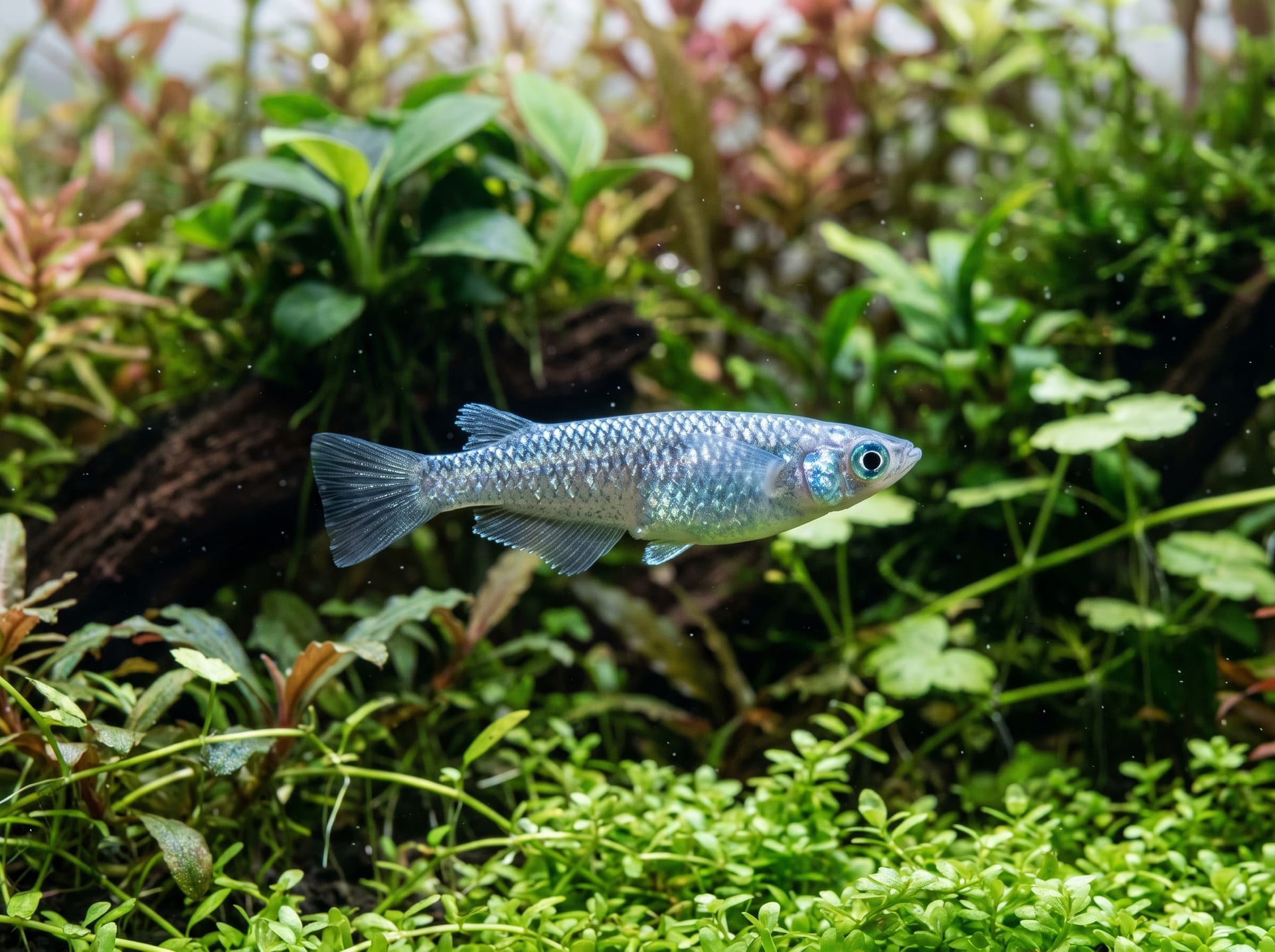
Photos complement information that words alone cannot convey. Keep a set of photos: a top view taken over a white container and a side view taken from a small aquarium. Standardizing lighting conditions and camera distance will make it easier to compare across generations. A smartphone is sufficient, but we recommend managing filenames to include the shooting date and specimen number.
How to Record Crossbreeding, Egg Collection, and Hatching
Once you've selected your breeding stock, it's time to crossbreed. Record the following items along with dates.
Crossbreeding Records
Crossbreeding start date and date spawning was confirmed
Pairing: Male (♂) × Female (♀) specimen number or strain name
Water temperature: Optimal spawning temperature (typically 23–28°C)
Light duration: Natural or artificial light, and hours of illumination
Egg Collection and Hatching Records
Date and number of eggs collected: Daily records reveal spawning pace
Hatching date and number of fry: Useful for calculating fertilization rate
Hatch rate: Percentage of eggs that hatched (%)
Special notes: Fungus treatment if it occurred, water change timing, etc.
If the hatch rate is low, records make it easier to identify causes such as water quality, temperature, or the proportion of unfertilized eggs. The greatest benefit of keeping records is being able to verify "what was different from last time?"
Selecting Fry and Creating a Strain Management Chart
Selection date and criteria: Which traits were prioritized (body color, metallic shine, body shape, etc.)
Number of specimens kept after selection
Notes on notable individuals: for example, "3 specimens with particularly abundant metallic shine on the back are managed separately"
Creating a Strain Management Chart
Using Excel or Google Sheets allows you to manage records by generation in a single view. Here is a basic column structure.
Generation
Crossbreeding Date
Paternal Strain
Maternal Strain
Eggs Collected
Fry Hatched
After Selection
Notes
F1
4/15
Yōkihi A
Yōkihi B
120
95
25
Selected for strong red coloration
F2
7/20
F1-01
F1-04
150
110
30
Prioritized metallic individuals
As you advance through generations, the number of rows increases, but this accumulation is your path to "your own unique variety." While repeated sibling crosses (inbreeding) increase fixation rates, they can also lead to reduced vigor. Don't forget to record outcrosses—periodically introducing blood from other strains.
Specimen Tagging and Number Management
Managing important breeding stock and selected specimens becomes easier by labeling containers and assigning specimen numbers. Establishing a naming convention such as "container number + generation + sequential number" (e.g., B3-F2-05) prevents confusion when managing multiple lines in parallel.
Tips for Maintaining Records
The challenge with breeding records lies in "maintaining them." Even with initial enthusiasm, records often fall by the wayside once day-to-day care demands take over.
How to Make Record-Keeping a Habit
Record while observing: Incorporate record-keeping into your morning feeding and water-change routine
Use your phone's notes app: A simple dated memo is sufficient—no specialized app needed
Save photos and notes together: Google Photos' album feature makes it easy to categorize and review later
Don't strive for perfection: Don't worry if you miss a few entries. What you have is valuable.
The format of your records is up to you. A handwritten notebook, a spreadsheet, or a specialized breeding app—whatever works; the priority is consistency.
BreederDirect's Safety and Trust System
BreederDirect is a breeder-to-consumer marketplace centered on medaka. Most sellers are breeders who actively practice the kind of strain management described here.
When purchasing, you can confirm information via the listing page or direct messaging, such as "which strain cross was used," "how many generations the variety has been established," and "what selection criteria are applied." Knowing this background helps you envision how to incorporate your purchased specimens into your own breeding plan.
Additionally, because BreederDirect allows direct communication between buyers and breeders, it's easy to get advice even as a beginner—questions like "how should I raise them?" and "what should I do for the next breeding?" For those wanting to try selective breeding, obtaining clearly documented breeding stock from a trusted breeder is the fastest path to success. Start with BreederDirect to take the first step in building your records and cultivating your own beautiful medaka.