Hinomaru Medaka Selective Breeding Guide | Tips for Achieving Full-Body Iridescence
Explaining methods for selective breeding of Hinomaru medaka. Covers how to develop body iridescence, selection criteria for full-body individuals, and tips for improving fixation rates.
Key Takeaways
Explaining methods for selective breeding of Hinomaru medaka. Covers how to develop body iridescence, selection criteria for full-body individuals, and tips for improving fixation rates.
Related Species
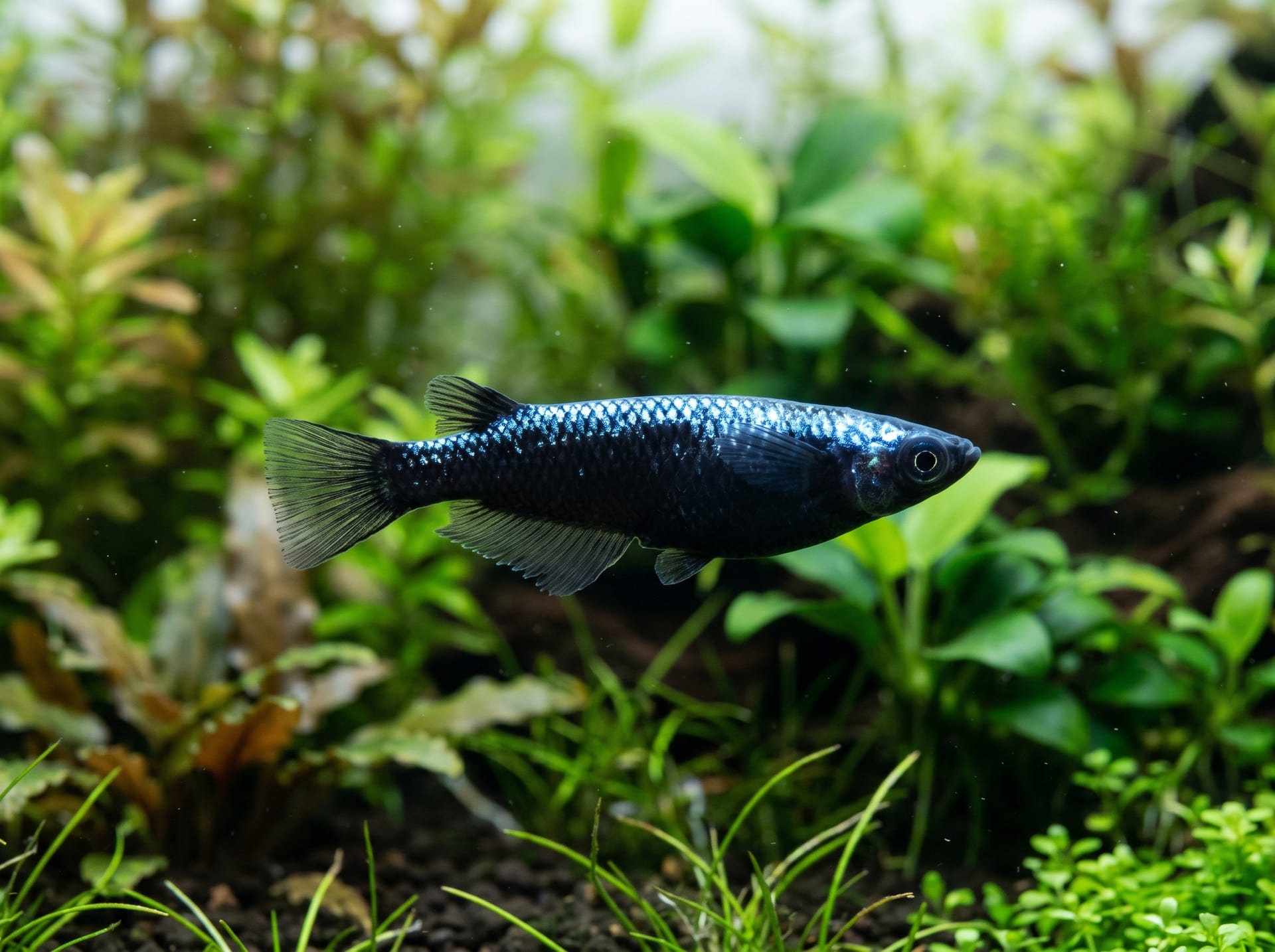
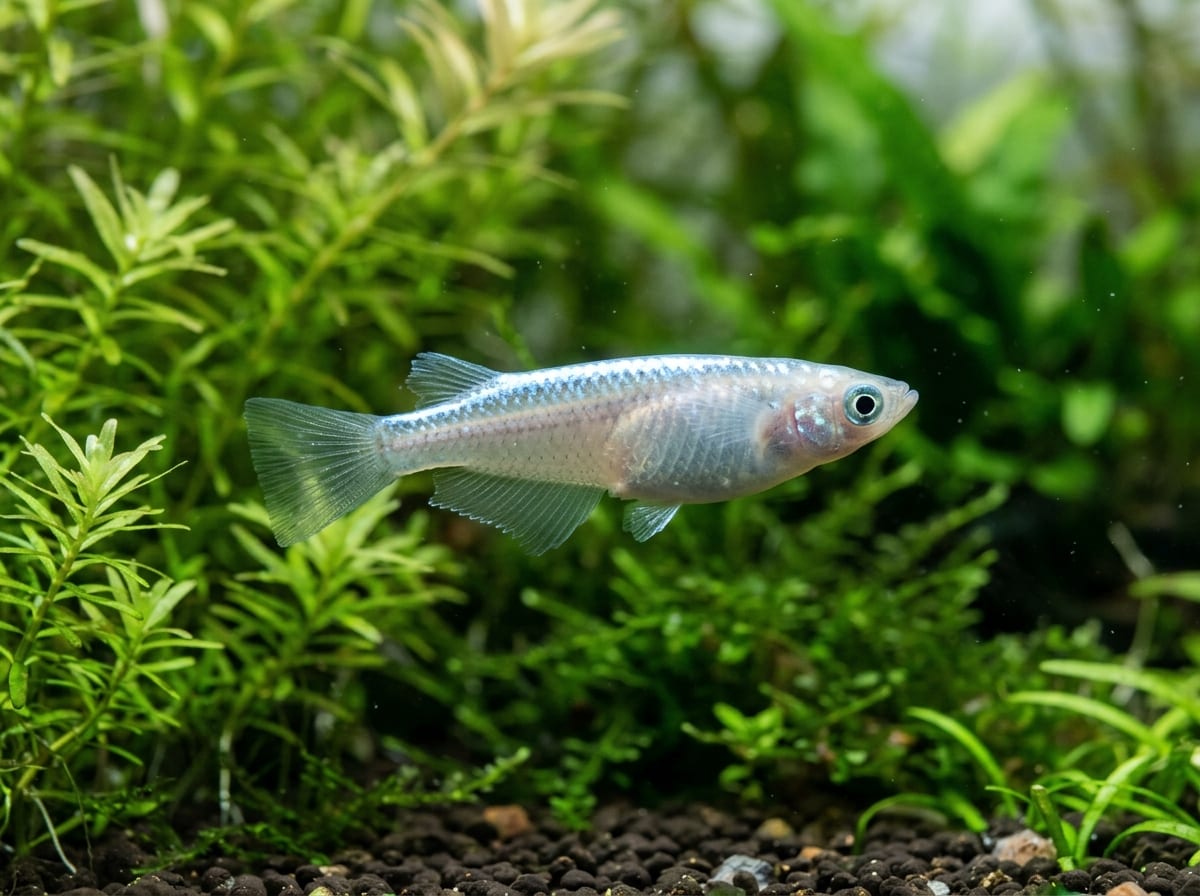
Hinomaru medaka are among the most popular improved varieties of medaka fish. Their greatest appeal lies in the "body iridescence" that shimmers across the back and head. Individuals displaying a "full-body" pattern, where this iridescence spreads across the entire body, are highly valued for their beauty and represent the ultimate goal for many enthusiasts. The depth of Hinomaru medaka is evident in how diverse derivative varieties—such as black lame Hinomaru born from crosses with lame varieties—continue to emerge, all centered around the body iridescence trait.
However, reliably producing full-body Hinomaru requires understanding multiple factors correctly: selecting parent fish, managing the rearing environment, and timing the selection process. This article provides easy-to-understand explanations covering everything from basics to practical tips for those attempting selective breeding of Hinomaru for the first time. If you haven't yet grasped the overall flow of breeding, reading Medaka Breeding Guide | From Spawning Conditions to Fry Development first will help you better understand this article's content.
Understanding Body Iridescence Grades Correctly
Body iridescence in Hinomaru medaka varies in expression level across different grades. Accurately identifying which grade your fish belong to is the first step in selective breeding.
- Point light: Initial stage with spotty iridescence scattered across the back
- Weak light: Beginning to show iridescence in parts of the back
- Strong light: Iridescence spreading across more than half the back
- Super light: Back entirely covered with iridescence
- Full-body: Iridescence extending from the top of the head to the base of the tail—the highest grade
When evaluating grades, pay attention not only to the "area" of iridescence but also its "intensity." Fish with thick, brilliant iridescence tend to have stronger genetic potential to pass the trait to the next generation than those with thin, faint iridescence. Body shape balance is also an important evaluation criterion. Fish with beautiful iridescence but poor body conformation should be excluded from breeding stock. For those interested in understanding the genetics of how body iridescence and coloration are inherited, Diving Deep into Medaka Body Color Genetics is also a helpful reference.
Selecting Parent Fish for Breeding
To achieve full-body Hinomaru, the quality of parent fish significantly determines the outcome. The basic principle is to pair individuals of the highest possible grade.
Ideal Parent Fish Traits
- Iridescence grade: Full-body or super-light individuals
- Iridescence intensity and brilliance: Rich, vivid iridescence rather than thin, faint iridescence
- Body conformation: Straight spine, all fins normal and properly formed
- Body color: Pearl-white to blue-white that creates clear contrast with iridescence
- Health status: Responsive to feeding and swimming actively
Beware of Inbreeding Risks
When continuing crosses between full-body individuals, inbreeding becomes inevitable. While fixation rates improve after 3-5 generations, body deformities and abnormalities become more common. Periodically introducing high-quality individuals from outside and practicing "outbreeding" to refresh the bloodline is key to maintaining quality long-term.
Fry Selection Timing and Methods
Body iridescence in Hinomaru medaka begins to appear in fry but changes as they grow. Selecting too early risks discarding individuals with high future potential, so determining the right timing is crucial.
Selection Timeline
| Age | Action |
|---|---|
| Hatching to 1 month | Minimal selection. Remove only deformed or weak individuals |
| 2-3 months | First major selection. Keep the top 20-30% showing the best iridescence |
| 4-6 months | Secondary selection. Comprehensively evaluate body shape and iridescence quality |
| 6 months and beyond | Make final decisions on individuals to use as parent fish |
Selection Checklist
- Does iridescence spread evenly from the center of the back?
- Are there no fin deformities? (Check dorsal and pectoral fin shape)
- Is swimming behavior stable? (No sinking or tilting abnormalities?)
- Is body shape well-balanced front to back?
Individual differences in iridescence expression are present, so variation appears even among siblings from the same parents. Patience and time invested in selection ultimately lead to improved quality.
Rearing Environment to Maximize Body Iridescence
No matter how superior the parent fish, if the rearing environment is poor, body iridescence won't fully develop. Creating an environment to maximize iridescence development is as important as selection itself.
Container Color
Body iridescence development is most effective in white or light-colored rearing containers. When raised in white containers, medaka respond by reducing body pigmentation, which facilitates stronger iridescence expression. In black containers, body color becomes darker, making iridescence harder to see, making them unsuitable for developing iridescence.
Water Temperature Management
The water temperature most conducive to iridescent pigment cell activity is 25-28°C. Special attention is needed during summer; extended periods above 30°C negatively impact overall medaka health. Use shade nets or cooling fans to maintain stable water temperature.
Sunlight and Stocking Density
Moderate sunlight promotes iridescent pigment cell activity and brings out more vibrant iridescence. However, excessive direct sunlight can cause water temperature rises and algae blooms, so locations receiving morning sunlight are ideal.
Additionally, overcrowding causes stress and inhibits iridescence expression. Aim for a stocking density of 1-2 fry per liter, and expand the container as they grow.
Feed Quality
Since pigment synthesis relates to iridescence expression, using high-quality feed containing carotenoids and astaxanthin is also effective. Some commercial medaka-specific feeds advertise "promotes body color and iridescence expression," so actively using these products is recommended.
Summary | Aiming for Full-Body Hinomaru
To reliably produce full-body Hinomaru medaka, combining three elements is essential: "selecting high-quality parent fish," "proper selection timing," and "a rearing environment to develop iridescence."
Results don't come overnight, but watching your line develop over generations is one of the great pleasures of medaka keeping. By patiently working with careful record-keeping, you can steadily approach the full-body ideal.
Additionally, before starting your own breeding, obtaining high-quality parent fish from trusted breeders is also a shortcut. BreederDirect offers carefully selected full-body Hinomaru and other premium individuals available for direct purchase from breeders. You can check each seller's selection criteria and rearing environment information, giving you the confidence of knowing what to expect before purchasing. Begin your breeding line with a good start.